

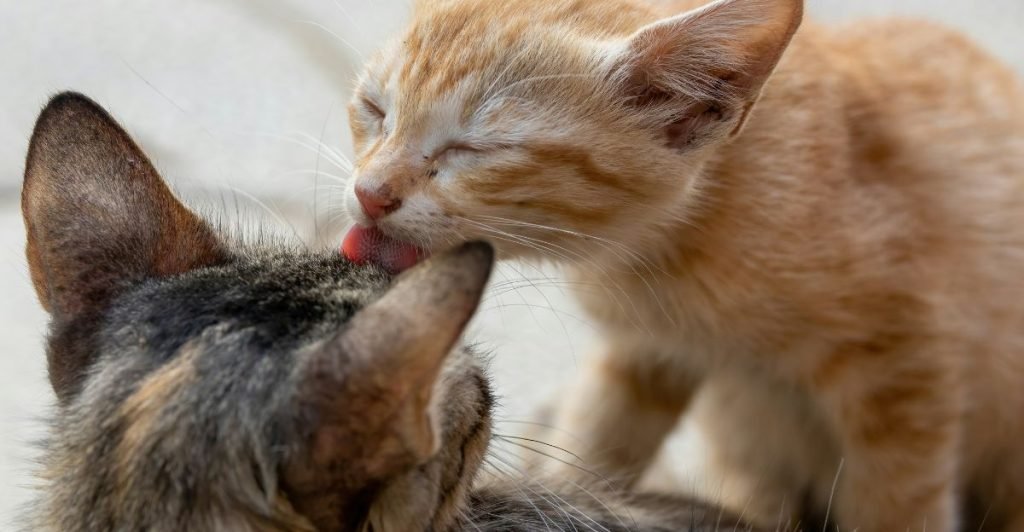
Have you ever watched your cat gently licking another cat and wondered what it really means? When one cat grooms another, it’s more than just a simple act of cleaning.
This behavior reveals a lot about their feelings, social bonds, and even their way of communicating. If you want to understand your furry friend better and discover the hidden messages behind this sweet gesture, keep reading. You’ll be surprised by what these little moments tell you about your cats’ world.
Credit: catcuddlezone.com
Cat Grooming Behavior
Cat grooming behavior is more than just a way for cats to keep clean. It’s a complex activity that plays a vital role in their health, social life, and emotional well-being. Observing how cats groom themselves and each other can reveal a lot about their relationships and mood.
Types Of Grooming
Cats groom in several ways, each serving a different purpose. Self-grooming is the most common, where your cat uses its tongue to clean fur and skin.
Social grooming, also called allogrooming, happens when one cat grooms another. This behavior strengthens bonds and shows trust between cats. It can involve licking the head, neck, or back, areas that are hard for cats to reach alone.
There’s also scent marking through grooming, where cats leave their unique smell on each other to communicate group membership. Grooming can even be a calming action, reducing stress for both the groomer and the one being groomed.
Why Cats Groom Themselves
Your cat grooms itself for several practical reasons. Cleaning removes dirt, loose fur, and parasites, which helps prevent infections and keeps their coat healthy.
Grooming also regulates body temperature. When cats lick their fur, saliva evaporates, which cools them down on hot days.
Beyond hygiene, grooming calms your cat and helps it manage stress. Have you noticed your cat licking more when it feels anxious? This is a natural coping mechanism to soothe itself.
Social Grooming Explained
Social grooming is a key behavior among cats. It is more than just cleaning fur. This action helps cats build and maintain their social relationships. When one cat grooms another, it shows trust and friendship. Understanding social grooming helps us better care for our feline friends.
Mutual Grooming Among Cats
Mutual grooming happens when two cats groom each other. It is a shared activity that strengthens their bond. Cats usually groom hard-to-reach areas like the head and neck. This behavior shows cooperation and comfort between cats. It also reduces stress and helps them relax together.
Grooming And Social Bonds
Grooming is a way cats express affection. It helps create strong social bonds within a group. Cats that groom each other tend to have better relationships. This activity promotes harmony and trust in their social circle. Grooming also signals acceptance and reduces chances of fighting.
Signs Of Affection
Cats use grooming to show affection in many ways. It is a gentle and caring act. When one cat grooms another, it sends a clear message of love and connection. This behavior helps build strong bonds and peaceful relationships between cats.
Grooming As A Friendship Signal
Grooming between cats means they trust each other. It shows they enjoy each other’s company. Cats often groom friends to keep their fur clean and healthy. It is a way to say, “You are important to me.” This simple act helps cats form close friendships.
Trust And Comfort In Grooming
Grooming requires trust because cats are vulnerable during the act. Allowing another cat to groom means feeling safe and calm. It shows comfort and a strong bond. Cats use grooming to reduce stress and relax together. This behavior deepens their connection and sense of security.
Hierarchy And Grooming
Grooming between cats is more than just a way to stay clean—it’s a language of social structure. When one cat grooms another, it often reflects their place in the group’s hierarchy. Understanding this behavior can reveal a lot about how cats interact and establish order.
Dominance And Submission
Grooming can be a subtle display of dominance or submission. The cat doing the grooming usually holds a higher rank or wants to assert control gently. Meanwhile, the cat being groomed often accepts this role, showing submission or trust.
Have you noticed that the dominant cat might start grooming first or choose which areas to lick? This control over grooming spots highlights their influence. Sometimes, the submissive cat will even purr or stay still, signaling acceptance of the dominant cat’s role.
Group Dynamics
In multi-cat households, grooming helps build and maintain relationships. It’s a way for cats to bond and reduce tension within the group. Grooming sessions often happen between cats that get along well, reinforcing their social ties.
Think about your cats: who grooms whom, and how often? These patterns can show you who’s close and who might prefer to keep some distance. Watching these interactions can help you understand conflicts before they escalate.
Health Benefits Of Grooming
Grooming between cats is more than just a social behavior; it carries several health benefits that contribute to their overall well-being. When one cat grooms another, it helps reduce stress and maintain cleanliness, which can impact their health positively. Understanding these benefits can help you appreciate why your cats spend so much time grooming each other.
Stress Reduction
Grooming acts like a calming ritual for cats. When one cat grooms another, it releases feel-good hormones like endorphins, which help reduce anxiety and stress levels. If you notice your cats grooming each other after a tense moment, it’s their way of comforting and reassuring one another.
Have you ever seen your cats pause and focus solely on grooming? That moment of connection can lower their heart rates and create a sense of safety. This behavior isn’t just about cleanliness; it’s a powerful tool for emotional balance.
Hygiene And Parasite Control
Grooming also plays a practical role in keeping cats clean. One cat can reach spots that are hard for itself to groom, like behind the ears or under the chin. This shared grooming helps remove dirt, loose fur, and even parasites like fleas.
Regular grooming helps prevent skin infections and keeps your cats’ coats healthy and shiny. If you see your cats grooming each other often, it’s a sign they’re helping each other stay healthy. Could this be a natural way they protect themselves from pests without needing extra treatments?
When Grooming Becomes Excessive
Grooming between cats is usually a sign of affection and bonding. But sometimes, this behavior can become excessive, signaling something deeper. When one cat grooms another too much, it might be a sign of stress, illness, or anxiety, rather than just love.
Signs Of Stress Or Illness
Excessive grooming can cause bald patches or irritated skin on the cat being groomed. You might notice your cat trying to hide or avoiding the other cat altogether. Changes in appetite, lethargy, or unusual vocalizations can also accompany this behavior.
Have you seen your cat suddenly lick or nibble another cat’s fur nonstop, even when the other seems uncomfortable? This repetitive grooming often points to an underlying problem. It’s important to watch for these signs carefully to protect your cats’ well-being.
How To Respond
Start by separating your cats briefly to give them both a break. Observe each cat’s behavior and physical condition closely during this time. Sometimes, a vet visit is necessary to rule out skin infections or other illnesses.
You can also try redirecting the grooming cat’s attention with playtime or treats. Providing more hiding spots and vertical spaces can reduce stress and help your cats feel secure. If the behavior continues, consult a veterinarian or animal behaviorist for advice tailored to your cats.
Encouraging Positive Grooming
Encouraging positive grooming between cats helps build strong bonds. Cats groom each other to show trust and friendship. This behavior reduces stress and creates a calm home. You can support this natural habit by making your cats feel safe and happy together. Gentle introductions and a peaceful space help cats enjoy grooming more often.
Creating A Comfortable Environment
Cats need a quiet place to relax and groom. Avoid loud noises and sudden movements. Provide cozy beds and hiding spots where cats feel secure. Keep their food and water bowls separate to prevent fights. Clean litter boxes regularly to avoid stress. A calm environment encourages cats to groom each other naturally.
Introducing Cats To Each Other
Introduce new cats slowly and carefully. Let them sniff each other through a door or gate first. Swap bedding between cats so they get used to each other’s scent. Watch their body language for signs of comfort or stress. Offer treats and praise during calm interactions. Gradual introductions help cats feel safe and encourage grooming bonds.

Credit: www.catsessentials.com

Credit: www.companionanimalpsychology.com
Frequently Asked Questions
Why Does One Cat Groom Another Cat?
One cat grooms another to strengthen social bonds and show affection. It helps build trust and reduce tension between cats. Grooming also promotes group harmony and signals friendship in their social structure.
Is Grooming A Sign Of Cat Friendship?
Yes, grooming is a clear sign of friendship among cats. It indicates mutual trust and comfort. Cats groom friends to maintain close relationships and express care and companionship.
Can Grooming Indicate Cat Hierarchy?
Yes, grooming can reflect hierarchy in cats. Dominant cats often groom subordinates to assert status. Subordinate cats may also groom dominants to show respect and submission.
Does Grooming Help Cats Reduce Stress?
Absolutely, grooming helps cats relax and reduce stress. It releases calming pheromones and lowers anxiety. Grooming each other creates a peaceful environment and emotional security.
Conclusion
Cats grooming each other shows trust and friendship. It helps them stay clean and calm. This behavior also builds strong bonds between cats. Watching cats groom can teach us about their feelings. It’s a sign they feel safe and happy together.
Next time you see this, remember it means they care. Understanding this helps you connect better with your pets. Simple acts can show deep love in the cat world.
