

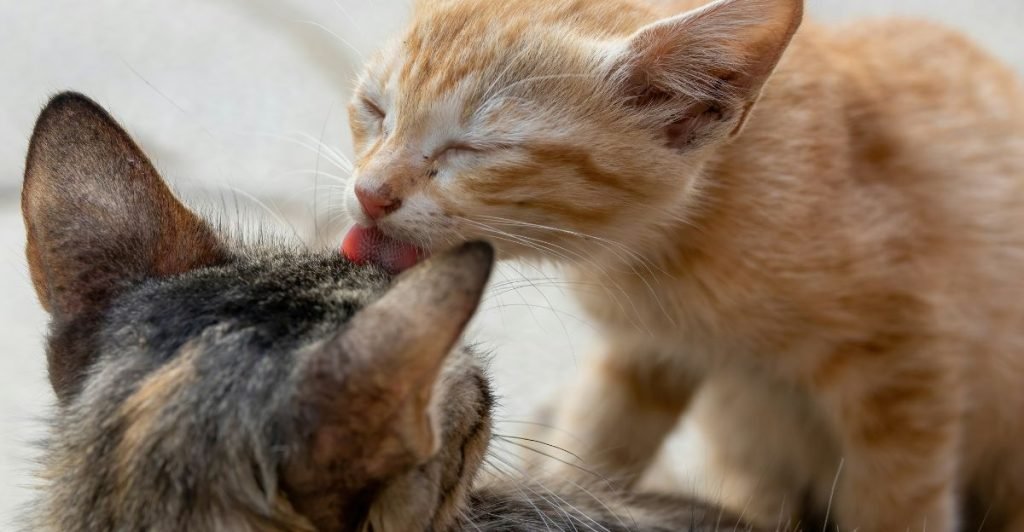
Have you ever watched two cats gently licking each other and wondered what it really means? When cats groom each other, it’s more than just keeping clean.
It’s a powerful way they communicate, build trust, and show affection. If you want to understand your furry friends better and unlock the secret language behind their grooming habits, keep reading. You’ll discover why this simple act is so important and how it affects your cats’ relationships and well-being.
Social Grooming In Cats
Social grooming in cats goes beyond simple cleanliness. It’s a powerful form of communication and bonding that helps cats maintain strong relationships. When you notice your cats grooming each other, you’re witnessing a behavior rich in meaning and social nuance.
Purpose Of Mutual Grooming
Mutual grooming helps cats build trust and reinforce social bonds. It’s a way for them to show affection and acceptance within their group. Grooming also helps reduce stress by releasing feel-good hormones like endorphins.
Besides emotional benefits, grooming serves practical purposes too. Cats reach spots they can’t easily clean themselves, like the top of the head or behind the ears. This shared care promotes group hygiene and health.
Have you ever seen your cats pause and nuzzle each other before grooming? This behavior signals their willingness to cooperate and strengthen their connection.
Behavioral Patterns Observed
Social grooming often follows specific patterns and rituals. One cat usually takes the lead, gently licking the other’s fur in small, repetitive strokes. The groomed cat often stays still, showing trust and comfort.
Grooming sessions can last from a few seconds to several minutes, depending on the relationship between the cats. Friendly groups tend to groom more frequently and evenly, while less familiar cats might groom cautiously or briefly.
You might notice younger cats grooming older ones more often, which signals respect and a desire to be accepted. Pay attention to how your cats respond during grooming—is there purring, relaxed body language, or occasional pauses? These clues reveal their social dynamics clearly.

Credit: catcuddlezone.com
Bond Strength And Trust
When cats groom each other, they are doing more than just cleaning fur. This behavior is a clear sign of bond strength and trust between them. Grooming is a way cats communicate comfort, safety, and mutual respect.
Signals Of Affection
Grooming is a gentle, caring action that shows affection. When one cat licks another, it sends a message: “I trust you.” This trust is not given lightly—it means the cats feel safe and connected.
You might notice cats grooming the same spots repeatedly, like around the ears or head. These are sensitive areas, so allowing another cat to groom there is a big sign of closeness.
Have you ever seen cats pause and look into each other’s eyes while grooming? This eye contact deepens their emotional bond and reassures each other of their friendship.
Building Relationships Through Grooming
Grooming helps cats build and maintain their social relationships. It’s more than hygiene—it’s a social glue that strengthens their group dynamics.
When cats groom each other regularly, they reduce tension and prevent conflicts. This behavior can even help new cats settle into a home by creating positive connections.
Watch how cats take turns grooming. This reciprocity shows fairness and cooperation, key elements in any strong relationship. Could your cat’s grooming habits be a sign of their social comfort with others?
Stress Relief And Comfort
Cats grooming each other is more than just a cute behavior; it plays a key role in helping them feel safe and calm. This mutual grooming acts as a natural stress reliever, creating a sense of comfort and trust among feline friends. Have you ever noticed how your cats seem to relax and settle down after grooming sessions?
Calming Effects Of Grooming
Grooming releases calming chemicals in a cat’s brain, similar to how humans feel after a gentle touch. When cats lick each other, they lower their stress hormones, which helps them feel more relaxed. This is why you often see cats grooming after a hectic moment or a sudden noise.
Think about your own pets: have you seen them groom each other after a vet visit or a change in their environment? It’s their way of saying, “Everything is okay now.” This behavior strengthens their bond and makes their surroundings feel safer.
Grooming During Stressful Times
During stressful situations, such as loud noises or the arrival of new pets, cats often turn to grooming each other for comfort. This shared grooming acts like a stress shield, creating a calming bubble around them. It’s a practical way for cats to support each other without any words.
Next time your cats face a stressful event, watch how they respond. Do they start grooming each other more? This could be their natural coping mechanism. You can help by providing a quiet space where they feel secure enough to continue this comforting ritual.
Hierarchy And Group Dynamics
Understanding how cats groom each other reveals much about their social structure. This grooming is not just about cleanliness but also about establishing and maintaining relationships within their group. The way cats groom each other reflects their hierarchy and group dynamics, which can influence their daily interactions and overall harmony.
Dominance And Submission Signs
Grooming often signals which cat holds a dominant position and which one submits. The dominant cat usually initiates grooming and chooses where to groom the other, often focusing on the head and neck areas that the receiving cat can’t easily reach.
You might notice that the submissive cat remains still or lowers its head, showing trust and acceptance. If your cats groom each other in this way, it’s a clear sign they respect each other’s roles. This behavior helps prevent conflicts and keeps peace in the group.
Role In Multi-cat Households
In homes with several cats, grooming acts as a social glue. It helps reduce tension and builds bonds between cats that don’t share the same family background.
If you have multiple cats, observe who grooms whom. The groomer often acts as a peacekeeper or mediator. This behavior can help you identify which cats get along well and which might need more space or attention.
Have you ever seen a cat suddenly stop grooming another? That pause can signal a shift in their relationship or a change in the group’s balance. Watching these subtle changes can help you manage your cats’ environment better and improve their wellbeing.
Health Benefits Of Grooming
Cats grooming each other is more than a social act. It offers several health benefits that help keep them fit and comfortable. Grooming supports a cat’s overall well-being by maintaining their skin and coat quality and helping reduce parasites.
Skin And Coat Care
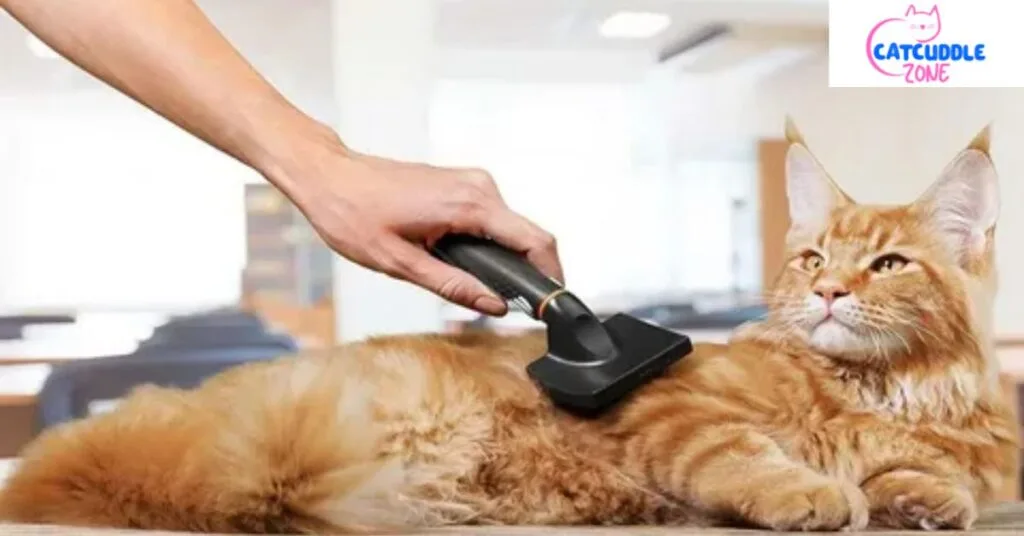
Grooming removes dirt, dead fur, and loose skin cells. This keeps their coat smooth and shiny. It also helps spread natural oils produced by the skin. These oils protect the fur and skin from drying out. Regular grooming prevents mats and tangles that can cause discomfort. It also reduces shedding around the home.
Parasite Control
When cats groom each other, they target hard-to-reach spots. This helps remove fleas, ticks, and other pests. Grooming lowers the chance of infestations. It also helps cats spot irritated or injured skin early. By cleaning wounds gently, grooming aids in faster healing.
Credit: catcuddlezone.com
When Grooming Goes Too Far
Cat grooming usually shows care and bonding. But sometimes, grooming can become too much. Overgrooming may harm the cat’s skin and fur. It might also stress one or both cats. Understanding when grooming goes too far helps keep cats safe and happy.
Signs Of Overgrooming
- Hair loss in patches or large areas
- Red, irritated, or broken skin
- Scabs or wounds from excessive licking
- One cat hiding or avoiding the other
- Constant licking or biting at the same spot
- Change in behavior, such as anxiety or aggression
Addressing Grooming-related Issues
Separate the cats if grooming seems too rough. Offer toys and activities to reduce stress. Check with a vet to rule out skin problems or allergies. Use calming products like pheromone diffusers to soothe cats. Spend time with each cat to reduce jealousy and tension. Monitor their interactions closely until normal grooming returns.

Credit: www.moopetcover.com
Frequently Asked Questions
Why Do Cats Groom Each Other Frequently?
Cats groom each other to strengthen social bonds and show affection. It helps reduce stress and maintain group harmony. Grooming also keeps their fur clean and healthy, promoting mutual trust within the cat community.
Is Mutual Grooming A Sign Of Cat Friendship?
Yes, mutual grooming indicates strong friendship and trust between cats. It helps them build and maintain close relationships. Cats that groom each other feel safe and connected, which enhances their social well-being.
Can Grooming Help Reduce Cat Stress?
Absolutely, grooming lowers stress by releasing calming hormones. When cats groom each other, it creates a soothing environment. This behavior helps cats feel secure and reduces anxiety within their social group.
Do Cats Groom Each Other For Hygiene Purposes?
Yes, grooming serves hygiene by removing dirt and parasites. Cats help clean hard-to-reach areas on each other’s bodies. This behavior ensures they stay clean and healthy in their shared environment.
Conclusion
Cats grooming each other shows trust and friendship. It helps them stay clean and calm. This behavior also builds strong bonds between cats. Watching this can teach us about their feelings. Understanding grooming helps you care for your cat better.
It is a simple, natural way cats connect. Next time your cats groom, know they feel safe. This small act means a lot in their world.
