

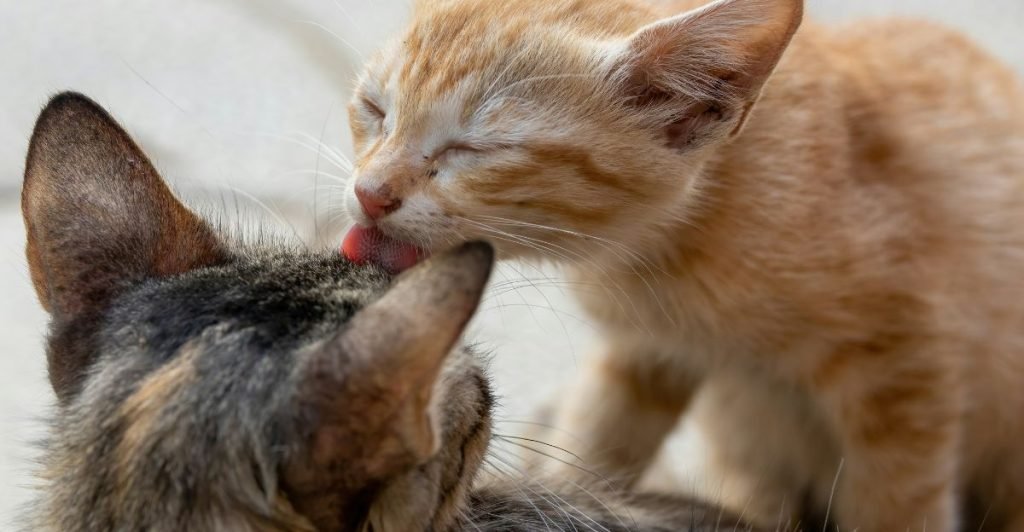
Have you ever watched your cat carefully lick another cat and wondered what it means? When one cat grooms another, it’s more than just cleaning.
This simple act can reveal a lot about their feelings and relationships. If you want to understand your cat better and discover the hidden messages behind this behavior, keep reading. You’ll learn why cats groom each other and what it says about their bond.
This insight will help you connect deeper with your furry friends.

Credit: www.companionanimalpsychology.com
Cat Grooming Behavior
Cat grooming behavior is more than just a routine for cleanliness; it’s a vital part of how cats communicate and bond. When you see one cat grooming another, it’s a sign of trust and social connection. Understanding this behavior helps you appreciate the subtle ways cats interact and care for each other.
How Cats Groom Themselves
Cats use their tongues to clean their fur, removing dirt and loose hair. Their tongues have tiny, hook-like structures that help catch debris and spread natural oils, keeping their coat healthy and shiny.
Grooming also helps cats cool down and relax. You might notice your cat licking its paws and then rubbing its face—that’s a common self-cleaning routine.
Types Of Grooming Actions
- Self-grooming:Cats lick their fur to maintain hygiene and comfort.
- Allogrooming:This is when one cat grooms another, usually around the head and neck, areas they can’t easily reach themselves.
- Mutual grooming:Two cats grooming each other, strengthening their social bond.
- Over-grooming:Excessive licking that might indicate stress or health issues.
Have you noticed how your cats choose specific spots to groom each other? That choice often points to close relationships and trust within the group. Watching these small grooming actions can reveal a lot about your cats’ social dynamics.
Reasons Behind Grooming Another Cat
Understanding why one cat grooms another can reveal a lot about their relationship and emotional state. This behavior goes beyond simple cleanliness—it speaks to their social lives, feelings of security, and even their place in the group. Let’s look closer at the main reasons cats engage in this intimate act.
Social Bonding
Grooming between cats often serves as a way to strengthen friendships. When your cats lick each other, they are building trust and showing affection.
Have you noticed your cats grooming after playtime? This helps maintain peace and keeps their bond strong. It’s their way of saying, “I’m part of your team.”
Hierarchy And Dominance
Sometimes grooming reveals the social order within a group of cats. The dominant cat may groom a subordinate one to assert control without aggression.
This doesn’t mean the relationship is negative; it’s more about clear communication. Watching who initiates grooming can help you understand your cats’ dynamics.
Comfort And Stress Relief
Grooming also acts as a calming mechanism. When cats feel anxious, they might groom each other to reduce stress and feel safe.
If you see your cats grooming each other in a new or noisy environment, it’s their way of finding comfort together. Can you spot these moments in your home? They are signs your cats rely on each other for emotional support.
Grooming And Cat Relationships
Grooming between cats is more than just keeping clean—it’s a powerful way they communicate and build bonds. When your cat grooms another, it reflects complex social behaviors and emotional connections. Understanding these interactions can deepen your appreciation of your feline friends.
Strengthening Friendships
When cats groom each other, they reinforce their friendships. This shared activity helps reduce tension and creates a calming environment. If you’ve noticed your cats grooming together after playtime, it often means they are reaffirming their bond.
Think about your own friendships—sharing small, caring actions builds trust. Similarly, grooming is a way cats show they care and want to stay close. Next time you see this, recognize it as a sign of a strong and healthy friendship.
Family Ties Among Cats
Grooming is especially common among cats that are related or have grown up together. Mother cats groom their kittens to keep them clean and safe. Older siblings might groom each other to maintain family harmony.
Even adult cats from the same household often groom to keep family ties intact. This behavior helps maintain peace and cooperation within the group. If your cats groom each other, they are likely affirming their family connection.
Signs Of Mutual Trust
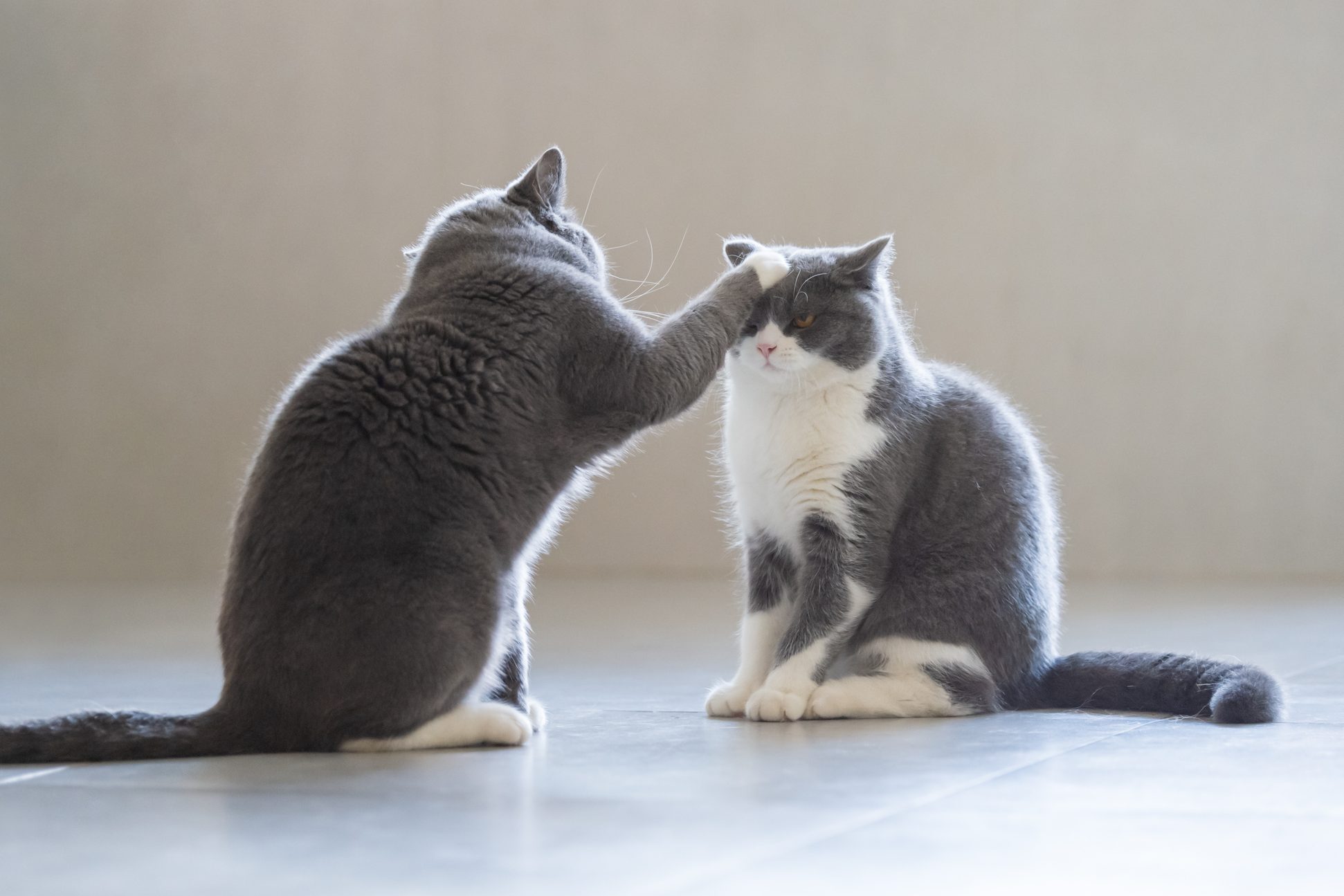
Allowing another cat to groom you is a big sign of trust. Cats are vulnerable when they let others clean areas they can’t easily reach themselves, like the head and neck. This means they feel safe and secure with one another.
Have you ever watched one cat gently licking another’s ears or face? That’s a clear message of trust and acceptance. If your cats show this behavior, it’s a positive indicator of their emotional bond and comfort around each other.
Credit: www.rd.com
Behavioral Signals In Grooming
Grooming between cats is more than just cleaning. It is a strong form of social communication. Cats use grooming to show trust, build bonds, and express care. Watching their behavior during grooming reveals important signals about their relationship.
Body Language To Watch
Observe how cats position their bodies during grooming. A relaxed posture shows comfort and trust. Tail movements can signal emotions. A gently flicking tail means contentment. Ears facing forward indicate curiosity or calmness. Slow blinking between cats is a sign of affection. If a cat holds still and leans into the grooming, it welcomes the attention. Tense muscles or pulling away suggest discomfort or stress.
Vocalizations During Grooming
Cats use sounds to communicate while grooming. Soft purring often signals happiness and relaxation. Gentle meows or chirps may invite continued grooming. Hissing or growling means the cat feels threatened or annoyed. Quiet, rhythmic sounds usually mean both cats enjoy the interaction. Listen closely to these vocal clues to understand their feelings better.
Grooming Differences In Multi-cat Homes
In homes with multiple cats, grooming habits can vary widely and reveal a lot about their relationships. Some cats may groom each other frequently, while others might rarely engage in this behavior. Understanding these differences helps you recognize social bonds and potential tensions within your feline family.
How Grooming Affects Group Dynamics
Grooming is more than just cleaning; it’s a way cats communicate trust and friendship. When one cat grooms another, it often shows acceptance and helps strengthen their bond. However, not all cats are equally social, and some may prefer to keep their distance.
In a multi-cat home, dominant cats often groom subordinates to reinforce hierarchy. Meanwhile, closely bonded cats will groom each other mutually, creating a peaceful atmosphere. Watching these interactions can give you clues about who gets along and who might be feeling left out.
Managing Grooming Conflicts
Sometimes, grooming can lead to conflicts, especially if one cat is overly persistent or another is sensitive. If a cat feels annoyed by grooming, it might react by swatting or hiding, which can create tension.
To help manage these issues, observe which cats groom each other and note any signs of stress. You can reduce conflicts by providing multiple resting spots and separate resources like food bowls and litter boxes. This allows cats to retreat when they need space, lowering the chances of grooming-related disputes.
Have you noticed that your cats groom some housemates but avoid others? Paying attention to these patterns can help you create a calmer, more balanced environment for all your cats.
When Grooming Becomes Excessive
Grooming between cats is usually a sign of friendship and trust. But what happens when this behavior goes beyond normal care? Excessive grooming can signal that something is wrong, either physically or emotionally, with one or both cats involved. It’s important to recognize when grooming shifts from a bonding activity to a potential problem.
Possible Health Issues
Sometimes, a cat grooms another excessively because the groomed cat has a health problem. Skin conditions like fleas, allergies, or infections can attract more attention. Your cat might be trying to help soothe an irritated area, but overgrooming can cause bald spots or sores.
Watch for signs like redness, swelling, or open wounds where grooming happens most. If you notice these, a vet visit is necessary. Ignoring these symptoms can lead to more serious infections or discomfort for your cat.
Stress And Anxiety Indicators
Excessive grooming can also be a sign of stress or anxiety in cats. Cats often use grooming to calm themselves, so if one cat licks another too much, it might be a way to relieve nervous energy. Changes in the household, new pets, or even loud noises can trigger this behavior.
Ask yourself: has anything changed in your cat’s environment recently? Try to identify any sources of stress and consider ways to reduce them. Providing safe spaces, consistent routines, and plenty of attention can help ease your cat’s anxiety and reduce excessive grooming.
Encouraging Positive Grooming Behavior
Encouraging positive grooming behavior among cats is a key to fostering strong bonds and reducing stress in your home. Cats groom each other to show trust and affection, so supporting this behavior can improve their overall well-being. But how can you help your cats feel comfortable enough to groom one another naturally?
Creating A Stress-free Environment
Your cats need to feel safe and relaxed to engage in grooming each other. Stress can block this behavior, so look around your home for potential stressors. Loud noises, sudden changes, or overcrowded spaces might make your cats anxious.
Try to keep daily routines consistent. Cats love predictability, so feeding and playtime should happen at regular times. Make sure each cat has its own quiet spot to retreat to if needed.
Have you noticed your cats avoiding each other during tense moments? This might be a sign to create more personal space or add calming aids like pheromone diffusers. Small changes can make a big difference in their comfort level.
Tips For Multi-cat Households
Sharing a home with multiple cats means you need to balance their individual needs carefully. Give each cat separate food and water bowls to prevent competition. Also, provide multiple litter boxes—one per cat plus an extra—to avoid conflicts.
Increase vertical space with cat trees or shelves. Cats often feel safer when they can observe from above or have their own territory. This also encourages natural behavior and reduces tension.
- Watch how your cats interact during grooming. If one cat seems overwhelmed, gently intervene and give them time apart.
- Encourage group play sessions with toys to build positive associations between cats.
- Reward grooming behavior with gentle praise or treats, reinforcing the bond.
Have you tried introducing new cats gradually? Slow introductions allow them to get used to each other’s scent and presence without pressure. Taking the time to nurture positive grooming can transform your multi-cat household into a peaceful, affectionate family.
Credit: catcuddlezone.com
Frequently Asked Questions
Why Do Cats Groom Other Cats?
Cats groom others to strengthen social bonds and show affection. This behavior builds trust and reduces tension within their group. It also helps with hygiene, removing dirt and parasites from hard-to-reach areas. Grooming is a sign of friendship and comfort among cats.
What Does Grooming Indicate About Cat Relationships?
Grooming signals strong social bonds and mutual trust between cats. It shows friendship and acceptance within their group. Cats that groom each other often share a close relationship and feel safe together. This behavior helps maintain harmony and reduces conflicts.
Can Grooming Reduce Stress In Cats?
Yes, grooming helps reduce stress and anxiety in cats. It releases calming pheromones that soothe both the groomer and recipient. Grooming creates a sense of safety and relaxation. This behavior promotes emotional well-being and strengthens their social connection.
Is Grooming A Sign Of Dominance Or Submission?
Grooming usually shows affection, not dominance or submission. However, dominant cats may groom subordinates as a social gesture. It mainly promotes peace and cooperation within the group. The context and body language help interpret the grooming’s meaning.
Conclusion
Cats grooming each other shows trust and friendship. It helps them feel safe and calm. This behavior also keeps their fur clean and healthy. Watching cats groom can teach us about their bonds. It’s a sign they enjoy each other’s company.
Next time you see this, know they share a special connection. Cat grooming is more than just cleaning. It’s love in a quiet, gentle way. Understanding this helps us care for cats better. They communicate through actions, not just sounds.
A simple lick means a lot.
