


Adopting a cat is more than just bringing a furry friend into your home; it’s about opening your heart to a new family member. Are you ready to hear the gentle purrs and feel the soft head nudges that only a cat can offer?
Before you dive into this exciting new chapter, there are a few things you need to know. This isn’t just about buying a litter box or picking the cutest kitten. It’s about understanding what it truly means to provide a happy, healthy home for your future feline companion.
Curious about what it takes? Read on to discover everything you need to adopt a cat and ensure a purr-fect life together.
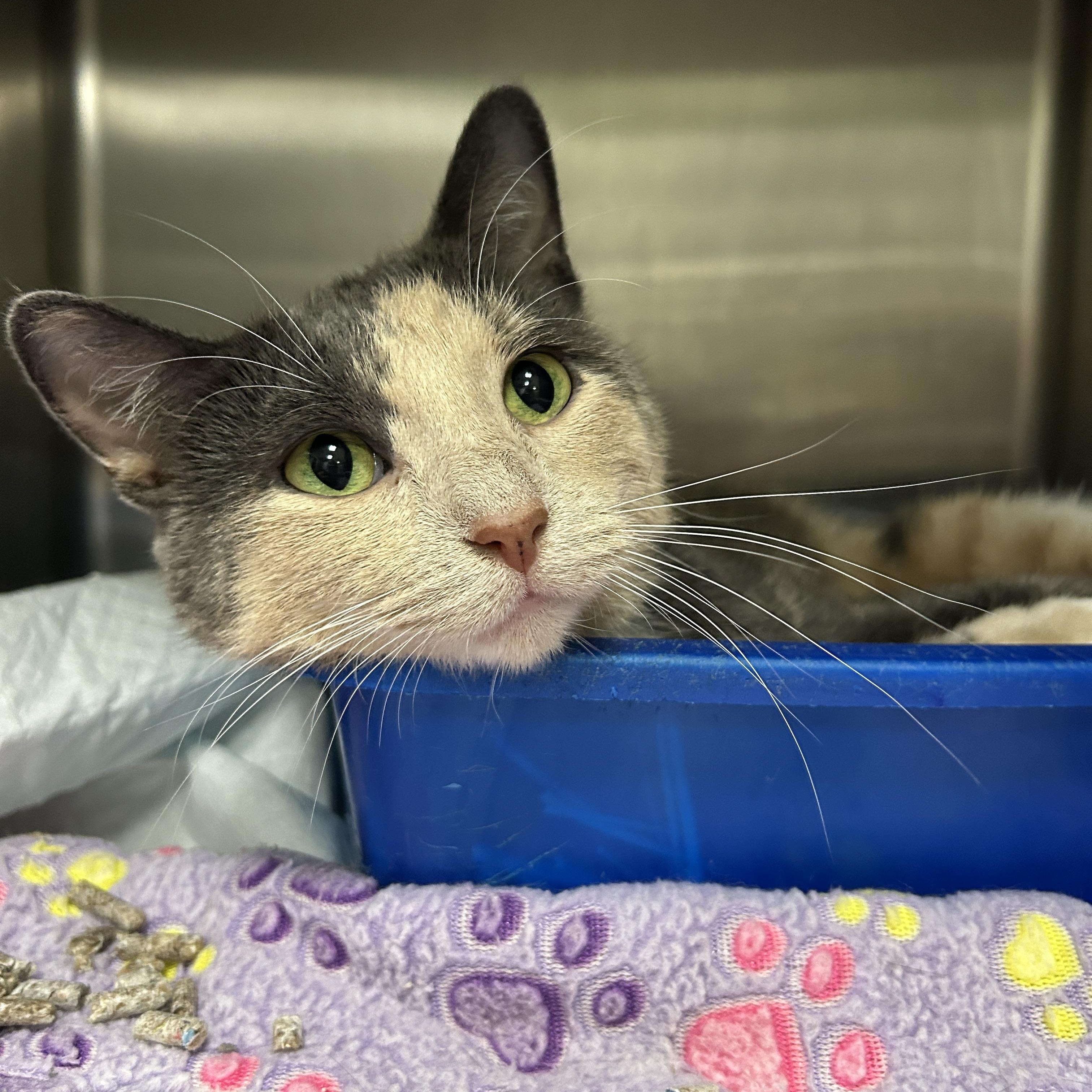
Credit: www.petfinder.com
Preparing Your Home
Getting your home ready for a new cat is an exciting part of the adoption journey. It sets the tone for your cat’s comfort and safety from day one. A well-prepared space helps your cat adjust smoothly and shows them they are truly welcome.
Creating A Safe Space
Start by choosing a quiet, cozy corner where your cat can retreat. This space should feel secure and be away from loud noises or heavy foot traffic.
Adding a soft bed, a few toys, and a scratching post makes it inviting. Have you thought about how your cat might hide when feeling overwhelmed? Giving them a hideaway can reduce stress and help build trust.
Gathering Essential Supplies
Before your cat arrives, make sure you have the basics ready. These include:
- Litter box and litter
- Food and water bowls
- Cat food suitable for their age and health
- Scratching posts or pads
- Toys for mental and physical stimulation
- Grooming tools like a brush or nail clippers
Having these items prepared shows your cat that you’re ready to take care of them. Missing even one can cause unnecessary stress for both of you.
Cat-proofing Tips
Think about your cat’s natural curiosity and agility when preparing your home. Small details can make a big difference in safety.
Secure loose wires and cords to prevent chewing hazards. Remove toxic plants like lilies or pothos from your cat’s reach. Check that windows and balconies are securely screened to avoid accidental falls.
Have you looked at your home from your cat’s eye level? It’s a good way to spot potential dangers or escape routes you might miss otherwise.
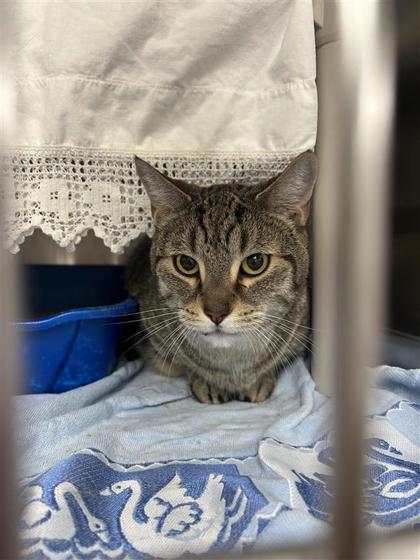
Credit: www.spca.com
Choosing The Right Cat
Choosing the right cat is an important part of adopting. Every cat has unique traits and needs. Picking a cat that fits well with your life leads to a happy home. Consider several factors before making your choice.
Considering Age And Temperament
Kittens are playful and need lots of attention. Older cats are calmer and may require less care. Think about your time and energy for a new pet. Temperament matters too. Some cats love to cuddle, while others prefer independence. Spend time with different cats to see their behavior. This helps find a cat that matches your personality and home.
Matching Lifestyle And Cat Needs
Your daily routine affects the kind of cat you should adopt. Active people may enjoy energetic cats. Quiet homes may suit shy or older cats better. Consider space too. Large homes allow more freedom for cats to roam. Small apartments need cats comfortable with limited space. Also, check if anyone in your home has allergies. Some cat breeds cause fewer allergic reactions.
Where To Adopt From
Choose a place that cares about animal welfare. Animal shelters and rescue groups often have many cats needing homes. Adoption centers provide health checks and vaccinations. Some breeders offer specific breeds with known traits. Visit several places to meet cats and ask questions. Adoption staff can guide you to cats that fit your needs. This ensures a safe and healthy adoption process.
Meeting Adoption Requirements
Meeting adoption requirements is an important part of bringing a cat into your home. Shelters and rescue groups want to ensure cats go to safe, loving families. They set clear steps to protect the animals’ well-being. Understanding these steps helps you prepare for a smooth adoption journey.
Application Process
The adoption process usually begins with an application form. This form asks about your living situation and experience with pets. Questions may include:
- Do you have other pets?
- Do you rent or own your home?
- Who will care for the cat daily?
Providing honest answers helps the shelter find the best match for you and the cat.
Home Visits And Interviews
Many organizations conduct home visits before approving an adoption. This check ensures the environment is safe for a cat. Interview sessions allow staff to learn about your lifestyle and expectations. They may ask about:
- Your daily routine
- How you plan to care for the cat
- Any allergies or concerns
These steps confirm you are ready for the responsibility of pet care.
Adoption Fees And Paperwork
Adoption usually requires a fee that supports shelter operations and animal care. Fees cover vaccinations, spaying or neutering, and microchipping. You will also sign paperwork agreeing to care for the cat properly. This contract protects both you and the animal.
Make sure to keep all documents safe after adoption for future reference.
Bringing Your Cat Home
Bringing a new cat into your home is an exciting moment, but it also requires careful planning to ensure your feline friend feels safe and comfortable. The way you transport your cat, introduce them to your family, and help them settle in during those first days can shape their entire experience in their new environment. Paying attention to these details helps build trust and reduces stress for both you and your pet.
Transporting Safely
Use a sturdy, well-ventilated carrier designed specifically for cats. Avoid using bags or open boxes, as these can cause anxiety or injury.
Line the carrier with a soft blanket or towel that carries a familiar scent, like something from your home or the shelter. This small comfort can soothe your cat during the ride.
Keep the carrier secure in your vehicle, away from direct sunlight or drafts. Drive calmly to prevent sudden movements that might scare your cat.
Introducing To Family Members
Allow your cat to approach family members at their own pace. Encourage gentle and quiet interactions, avoiding overwhelming your new pet with loud voices or sudden movements.
Explain to children the importance of respecting the cat’s space and signals. A cat that feels safe is more likely to bond quickly with your family.
Consider introducing one person at a time rather than a group. This helps your cat focus and reduces stress during socialization.
First Days At Home
Set up a quiet, cozy space where your cat can retreat and explore safely. Include essentials like food, water, litter box, and a comfortable bed.
Limit access to the entire house initially. Gradually allow your cat to explore other rooms as they become more confident.
Spend time near your cat without forcing interaction. Reading aloud or simply sitting quietly nearby can help them get used to your presence.
Have you noticed how small changes in your approach can make your cat’s transition smoother? Observing their behavior closely during these first days can guide you to adjust your care effectively.
Caring For Your New Cat
Caring for your new cat means meeting their needs with patience and love. Cats depend on their owners for food, health care, and comfort. Creating a safe home helps your cat feel relaxed and happy. Understanding how to feed, care for, and bond with your cat is key to a strong relationship.
Feeding And Nutrition
Provide balanced food made for cats. Choose wet or dry food with essential nutrients. Fresh water must always be available. Avoid giving your cat human food. Feed small portions several times a day. Watch for signs of allergies or upset stomach.
Health And Veterinary Care
Schedule a vet visit soon after adoption. Vaccinations protect your cat from diseases. Regular check-ups catch health problems early. Use flea and tick prevention year-round. Spay or neuter your cat to avoid unwanted litters. Keep a clean litter box to prevent infections.
Building Trust And Bonding
Give your cat time to adjust to the new home. Speak softly and move slowly around them. Play with toys to create positive interactions. Offer treats to reward good behavior. Let your cat come to you on their own terms. Patience builds a strong, loving bond.
Common Challenges And Solutions
Adopting a cat brings joy but also challenges. Understanding common issues helps create a happy home. Each cat has a unique personality and needs time to adjust. Patience and proper care solve many problems quickly.
Dealing With Behavioral Issues
New cats may scratch furniture or hide often. These actions show stress or fear. Offer toys and scratching posts to redirect unwanted behavior. Speak softly and avoid loud noises to build trust. Reward good behavior with treats and praise. Consistency helps cats learn house rules faster.
Adjusting To New Environment
Moving to a new home can scare cats. They might hide or refuse food at first. Create a quiet space with familiar bedding and toys. Let the cat explore slowly and on its own time. Keep the routine steady with regular feeding and play. Patience makes cats feel safe and comfortable.
When To Seek Professional Help
Some problems need expert advice. If your cat shows aggression or stops eating, contact a vet. Behavioral specialists can help with anxiety or litter box issues. Early help prevents long-term problems. Always prioritize your cat’s health and happiness.

Credit: pawmettolifeline.org
Frequently Asked Questions
What Documents Are Needed To Adopt A Cat?
You typically need a valid ID, proof of residence, and sometimes a completed application form. Some shelters may require references or a home visit. These help ensure the cat’s safety and proper care.
How Much Does It Cost To Adopt A Cat?
Adoption fees usually range from $50 to $150. Fees cover vaccinations, spaying/neutering, and microchipping. Costs vary by shelter and cat’s age or health.
What Supplies Do I Need Before Adopting A Cat?
Essential supplies include a litter box, food and water bowls, cat food, scratching posts, toys, and a comfortable bed. Preparing these ensures a smooth transition for your new pet.
Is A Home Visit Required For Cat Adoption?
Some shelters or rescues perform home visits to ensure a safe environment. This step confirms you can provide proper care and a secure space for the cat.
Conclusion
Adopting a cat takes care, time, and some basic things. You need patience and love to help your new friend feel safe. Prepare your home with food, a bed, and toys. Don’t forget to learn about vet visits and daily care.
Each cat is different, so be ready to adjust. Giving a cat a home brings joy and new responsibility. Ready to start this rewarding journey? A happy cat makes a happy home.
