


Thinking about bringing a cat into your life? Before you say yes to those adorable whiskers and purrs, there are important things you need to know.
Adopting a cat is more than just taking a furry friend home—it’s a big responsibility that changes your daily routine and your heart. Do you have the right space, time, and mindset? What supplies will you need? And how can you make sure your new cat feels safe and loved from day one?
Keep reading, and you’ll discover everything you need to confidently welcome your new feline family member.

Credit: all4pawssc.org
Preparing Your Home
Getting your home ready for a new cat is more than just tidying up. It means creating a welcoming and safe environment where your feline friend can feel comfortable from day one. Thoughtful preparation can ease the transition for both you and your cat, preventing stress and unwanted behaviors.
Creating A Safe Space
Before bringing your cat home, pick a quiet, low-traffic area where they can settle in without feeling overwhelmed. This space should have a cozy bed, easy access to food and water, and a litter box nearby. Make sure to remove any hazards like exposed wires, toxic plants, or small objects that can be swallowed.
Have you considered how your cat might hide or explore? Cats often seek out hidden spots at first. Providing covered beds or boxes can help them feel secure and reduce anxiety. It’s a simple step that makes a big difference in their comfort.
Essential Supplies
Stock up on key items before your cat arrives. You’ll need:
- Food and water bowls
- Quality cat food suited to their age and health
- A litter box with appropriate litter
- A scratching post or pad to protect your furniture
- Toys to keep them entertained and active
- A comfortable bed or blanket
Think about your daily routine and how these supplies fit into it. For example, placing the litter box in a quiet but accessible spot encourages good habits. Have you set up everything so your cat can start exploring safely from day one?
Credit: aarcs.ca
Choosing The Right Cat
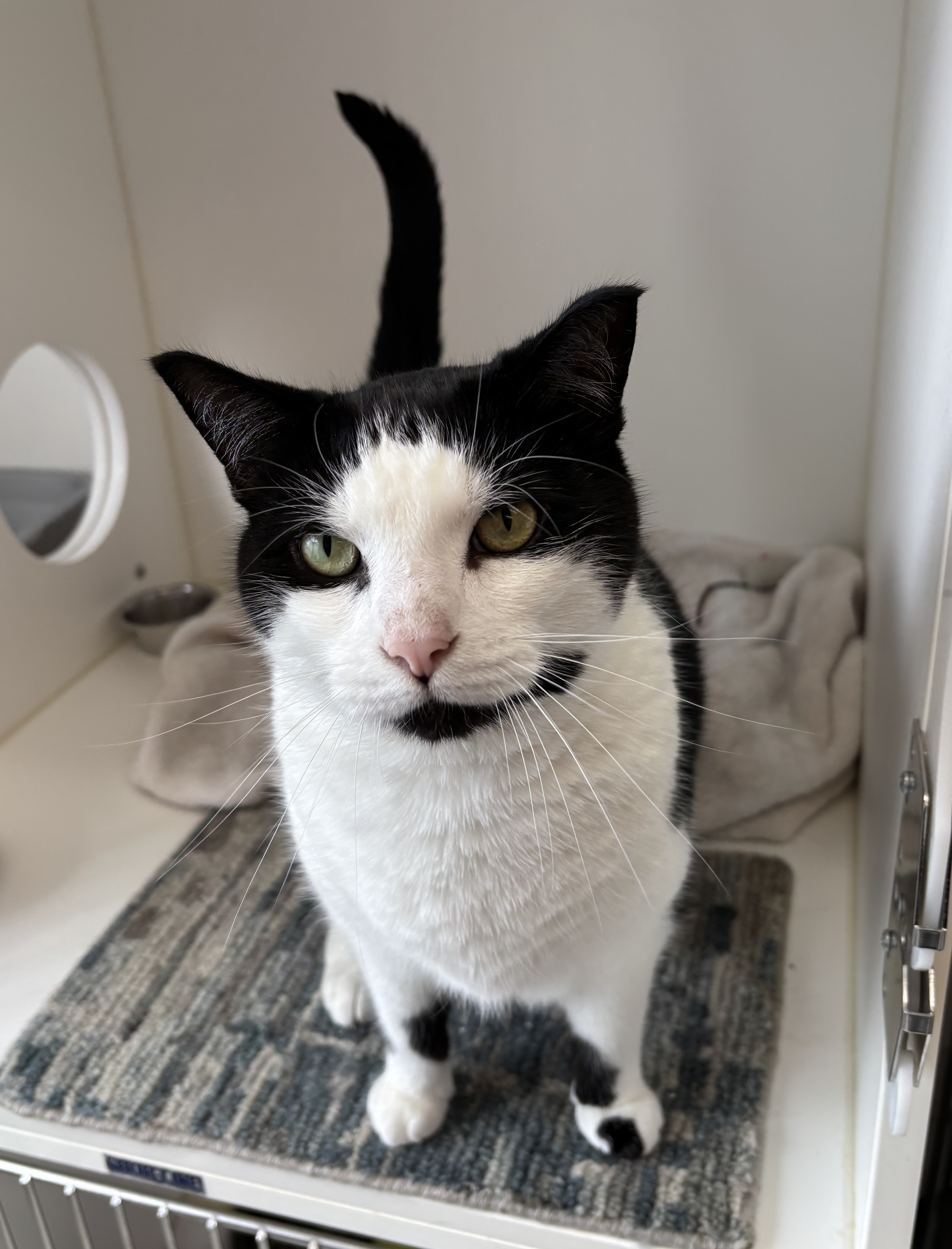
Choosing the right cat is an important step in adopting a pet. Each cat has a unique personality and needs. Picking a cat that fits your lifestyle helps build a strong bond. It also ensures a happy home for both you and the cat.
Considering Age And Temperament
Age affects a cat’s behavior and care needs. Kittens are playful but need more attention. Adult cats are calmer and often already trained. Senior cats are gentle but may need special care.
Temperament varies from shy to outgoing. Some cats love being held and cuddled. Others prefer space and quiet. Observe how a cat reacts to people and noises. Choose a cat whose temperament matches your daily routine.
Breed Characteristics
Different cat breeds have distinct traits. Some breeds are very active and need lots of playtime. Others enjoy lounging and quiet time. Coat length and grooming needs also vary by breed.
Consider breed traits like:
- Energy levels
- Social behavior
- Health concerns
- Grooming requirements
Research breeds to find one that fits your home and care ability.
Initial Vet Visit
Bringing a new cat home is exciting, but the initial vet visit is crucial for your pet’s health and your peace of mind. This appointment helps you understand your cat’s current health status and sets the foundation for a happy, healthy life together. It’s your first chance to ask questions and get professional advice tailored to your cat’s needs.
Health Check And Vaccinations
Your vet will start with a thorough health check. They will look for signs of illness, parasites, or injuries that might not be obvious at home.
Vaccinations are essential to protect your cat from common diseases like feline leukemia, rabies, and distemper. Your vet will create a vaccination schedule based on your cat’s age and lifestyle.
Have you thought about how missing these vaccinations could affect your cat’s future, especially if they go outdoors or interact with other animals?
Discussing Spaying Or Neutering
Spaying or neutering isn’t just about preventing unwanted kittens. It can reduce risks of certain cancers and behavioral problems.
During the visit, ask your vet about the best timing for the procedure. Some cats are spayed or neutered as early as eight weeks old, while others may need to wait.
Think about how this decision fits into your schedule and budget. Planning ahead makes recovery smoother for your cat and less stressful for you.
Nutrition And Feeding
Feeding your new cat the right way sets the foundation for a healthy and happy life together. Good nutrition supports their energy, fur quality, and overall well-being. Understanding what your cat needs and how to deliver it makes a big difference.
Selecting Quality Cat Food
Not all cat food is created equal. Look for products that list real meat as the first ingredient and avoid fillers like corn or soy. Cats are obligate carnivores, so their diet should be rich in protein.
Consider your cat’s age and health when choosing food. Kittens need more calories and nutrients for growth, while seniors benefit from formulas tailored to joint health and digestion. Wet food can help with hydration, especially if your cat doesn’t drink much water.
Have you checked the label to see if the food meets AAFCO standards? This ensures it contains all necessary nutrients. Sometimes, switching brands or types can uncover a favorite that your cat enjoys and thrives on.
Establishing A Feeding Routine
Consistency is key to keeping your cat healthy and happy. Set specific feeding times rather than free-feeding to prevent overeating and help monitor their appetite.
Most adult cats do well with two meals per day. Kittens might need more frequent feedings. Stick to the portions recommended on the packaging, but adjust based on your cat’s weight and activity level.
Watch your cat’s behavior during meals. Are they eager or hesitant to eat? Changes can signal health issues or that the food isn’t to their liking. Would you be willing to try different feeding methods, like puzzle feeders, to make mealtime more engaging?
Litter Box Setup
Setting up a litter box is one of the first and most important steps when adopting a cat. It’s where your new feline friend will spend a good amount of time, so making it comfortable and clean is key to their happiness—and your sanity.
Choosing The Right Litter
Your choice of litter can make a big difference in how quickly your cat adapts to their new home. Some cats prefer clumping litter because it’s easy to scoop, while others like non-clumping varieties for their dust-free qualities.
Think about your cat’s sensitivities. If your cat has allergies or respiratory issues, a dust-free or natural litter might work best. Also, consider how strong the odor control is—some litters handle smells better, which can save you from frequent changes.
- Clay-based clumping litter: Great for easy scooping
- Natural or biodegradable litter: Eco-friendly and gentle
- Silica gel crystals: Absorb moisture and control odor well
Maintaining Cleanliness
Cleanliness is non-negotiable with litter boxes. Cats are very particular about hygiene, and a dirty box can lead them to eliminate elsewhere in your home.
Make scooping a daily habit. Remove waste at least once a day to keep the box fresh and inviting. Completely change the litter and wash the box with mild soap weekly to prevent bacteria buildup.
Place the litter box in a quiet, low-traffic area. Do you notice your cat avoiding the box? It might be time to check if the box is clean enough or if the location makes them uncomfortable.
Socialization And Bonding
Adopting a cat means more than bringing a pet home. It involves building a special bond. Socialization helps your cat feel safe and loved. This connection makes your cat happier and more confident. Spending time together creates trust and friendship.
Building Trust
Trust forms the base of your relationship with a cat. Speak softly and move slowly around your cat. Let the cat come to you on its own time. Offer treats and gentle pets to show kindness. Avoid loud noises or sudden movements that scare the cat. Patience is key to earning trust.
Interactive Play
Playtime is a fun way to bond with your new cat. Use toys like feathers, balls, or laser pointers. Play helps the cat stay active and reduces stress. It also strengthens your connection through shared fun. Try short, frequent play sessions to keep the cat interested. Always end play with calm petting to relax your cat.
Training And Behavior
Training and behavior are key to a happy home with your new cat. Cats learn from their environment and your actions. Patience and consistency help shape good behavior. Understanding common challenges makes the process smoother. Positive habits ensure a strong bond and less stress for both of you.
Addressing Common Issues
Many cats show unwanted behaviors at first. Scratching furniture, biting, or hiding are normal signs of stress. Calmly redirect your cat to better actions. Use scratching posts to protect your furniture. Avoid punishment; it can increase fear and aggression. Give your cat quiet spaces to feel safe. Watch for signs of illness that may cause odd behavior.
Encouraging Good Habits
Reward good behavior with treats and praise. Set a regular feeding and play schedule. Use toys to keep your cat active and happy. Train your cat to use the litter box right away. Keep the litter box clean and in a quiet spot. Gentle handling helps your cat get used to touch. Consistent routines help your cat feel secure and confident.
Health And Wellness
Taking care of a cat’s health and wellness is key to ensuring a happy and long life together. You’ll want to be prepared to handle both regular care and unexpected health needs. Understanding these basics helps you spot any issues early and keeps your new furry friend comfortable.
Regular Vet Check-ups
Scheduling regular vet visits is essential. These check-ups catch health problems before they become serious. You’ll want to keep vaccinations up-to-date and discuss flea, tick, and worm prevention with your vet.
Think about how often you can realistically visit the vet—usually once or twice a year is a good starting point. If your cat is older or has health issues, more frequent visits might be necessary. Have you considered how you’ll manage vet expenses? Setting aside a small monthly budget can reduce surprises.
Grooming Needs
Grooming goes beyond just keeping your cat looking neat. Regular brushing helps reduce hairballs and keeps their coat healthy. Cats with long hair might need daily brushing, while short-haired cats usually do well with weekly sessions.
Don’t forget about nail trimming and dental care. Many cats dislike having their nails clipped, so start slowly and use treats to make it a positive experience. Dental health is often overlooked but can prevent pain and costly treatments later. Could you see yourself making grooming a bonding routine?
Creating A Routine
Creating a routine is essential when adopting a cat. Cats thrive on predictability, and a well-established routine helps them feel safe and comfortable in their new home. Setting up consistent daily habits supports your cat’s health and behavior, making the transition smoother for both of you.
Consistency In Daily Activities
Feeding your cat at the same times each day builds trust and reduces anxiety. It’s not just about food; regular playtime and grooming sessions also help set expectations.
Try to stick to these times even on weekends or busy days. Consistent activities help your cat know what to expect, cutting down on stress and unwanted behaviors like scratching or excessive meowing.
Have you noticed how your cat reacts when their feeding schedule is off? That reaction says a lot about how important consistency is to them.
Balancing Independence And Attention
Cats enjoy their independence but still need your attention and affection to feel bonded. You can create a healthy balance by observing your cat’s behavior and responding accordingly.
Offer affection during quiet moments and respect when your cat chooses to be alone. Too much forced interaction can cause stress, while too little can lead to loneliness.
Think about how you feel when your personal space is either ignored or invaded—your cat experiences something similar. Finding that middle ground ensures a happy, trusting relationship.
Credit: www.spca.com
Frequently Asked Questions
What Documents Are Required To Adopt A Cat?
You typically need a valid ID, proof of address, and sometimes a pet adoption application. Some shelters may request references or a home visit.
How Much Does It Cost To Adopt A Cat?
Adoption fees usually range from $50 to $150. Fees cover vaccinations, spaying/neutering, and sometimes microchipping.
What Supplies Do I Need Before Adopting A Cat?
Basic supplies include a litter box, food and water bowls, cat food, a bed, and toys. A scratching post is also recommended.
Can I Adopt A Cat If I Rent My Home?
Many landlords allow pets but may require approval or a pet deposit. Always check your lease agreement before adopting.
Conclusion
Adopting a cat brings joy and new responsibility. Prepare your home with essentials like food, litter, and a cozy bed. Understand the cat’s needs for love, care, and patience. Visit shelters to find the right match for your lifestyle. Remember, adopting saves lives and creates a special bond.
Take your time, and enjoy every moment with your new friend. A happy cat makes a happy home.
