


Have you ever wondered what wild cats eat when they’re out in nature? Understanding their diet can give you a closer look at how these amazing creatures survive and thrive.
Whether you’re curious about the fierce hunting habits or the types of food that keep wild cats strong, this article will give you clear and fascinating answers. Keep reading to discover the secrets behind their meals and see the wild cat world from a whole new perspective.
Your curiosity is about to be satisfied!
Diet Of Wild Cats
Wild cats are fascinating creatures with diverse diets. Their food choices depend on their habitat, size, and hunting skills. Understanding what wild cats eat helps us appreciate their role in the ecosystem.
Common Prey Items
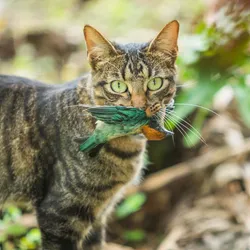
Wild cats eat a variety of prey. Small mammals like mice and rabbits are favorites. Birds, reptiles, and fish also feature in their diet. Larger wild cats hunt bigger animals. They target deer, antelope, or wild boar. Each wild cat species has its unique preferences.
Hunting Techniques
Wild cats are expert hunters. They rely on stealth and speed. Some stalk their prey silently. Others use ambush tactics, waiting patiently. They often hunt alone, ensuring a higher success rate. Their sharp claws and teeth make them effective predators.
Seasonal Variations
Seasons influence a wild cat’s diet. In winter, they may eat more rodents. In summer, they might focus on birds or insects. Availability of prey changes with seasons. Wild cats adapt to these changes, ensuring they find enough food.
Credit: www.iflscience.com
Differences Among Species
Wild cats come in many shapes and sizes, and their diets reflect these differences. Understanding what they eat means looking closely at each species’ unique needs and habits. Their feeding habits vary not only by size but also by where they live and how they hunt.
Big Cats Vs Small Wild Cats
Big cats like lions, tigers, and leopards mainly hunt large prey. They often take down animals such as deer, wild boars, or even buffalo. Their strength and hunting strategies allow them to tackle bigger, tougher meals.
Small wild cats, including species like the serval or the margay, prefer smaller prey. They hunt rodents, birds, insects, and sometimes fish. Their agility helps them catch quick and elusive food sources you might not expect.
Dietary Preferences By Habitat
Your location shapes what you eat, and wild cats are no different. Desert-dwelling cats, such as the sand cat, rely heavily on small mammals and reptiles. Forest cats, like the clouded leopard, have access to a wider variety of prey, including monkeys and birds.
This variety means wild cats adapt their diets based on what’s available around them. Have you noticed how your local wildlife changes with the seasons or landscape? Wild cats do the same, adjusting their meals to survive.
Specialized Eaters
Some wild cats show surprising dietary specialization. The fishing cat, for example, has developed skills to catch fish and amphibians, unlike most other wild cats. Their webbed paws make them excellent swimmers, changing how they find food.
Another example is the margay, which can mimic the calls of small monkeys to lure prey closer. These special hunting tactics show how wild cats aren’t just eating machines; they’re clever survivors.
What unique hunting or eating habits have you observed in wildlife near you? Wild cats teach us that survival often depends on adapting and being smart about where and how you find your next meal.
Nutritional Needs
Understanding the nutritional needs of wild cats reveals a lot about their survival skills and hunting habits. Their diet is not random; it’s precisely balanced to fuel their active lifestyle. Let’s break down what wild cats require to stay strong and healthy in the wild.
Protein And Energy Sources
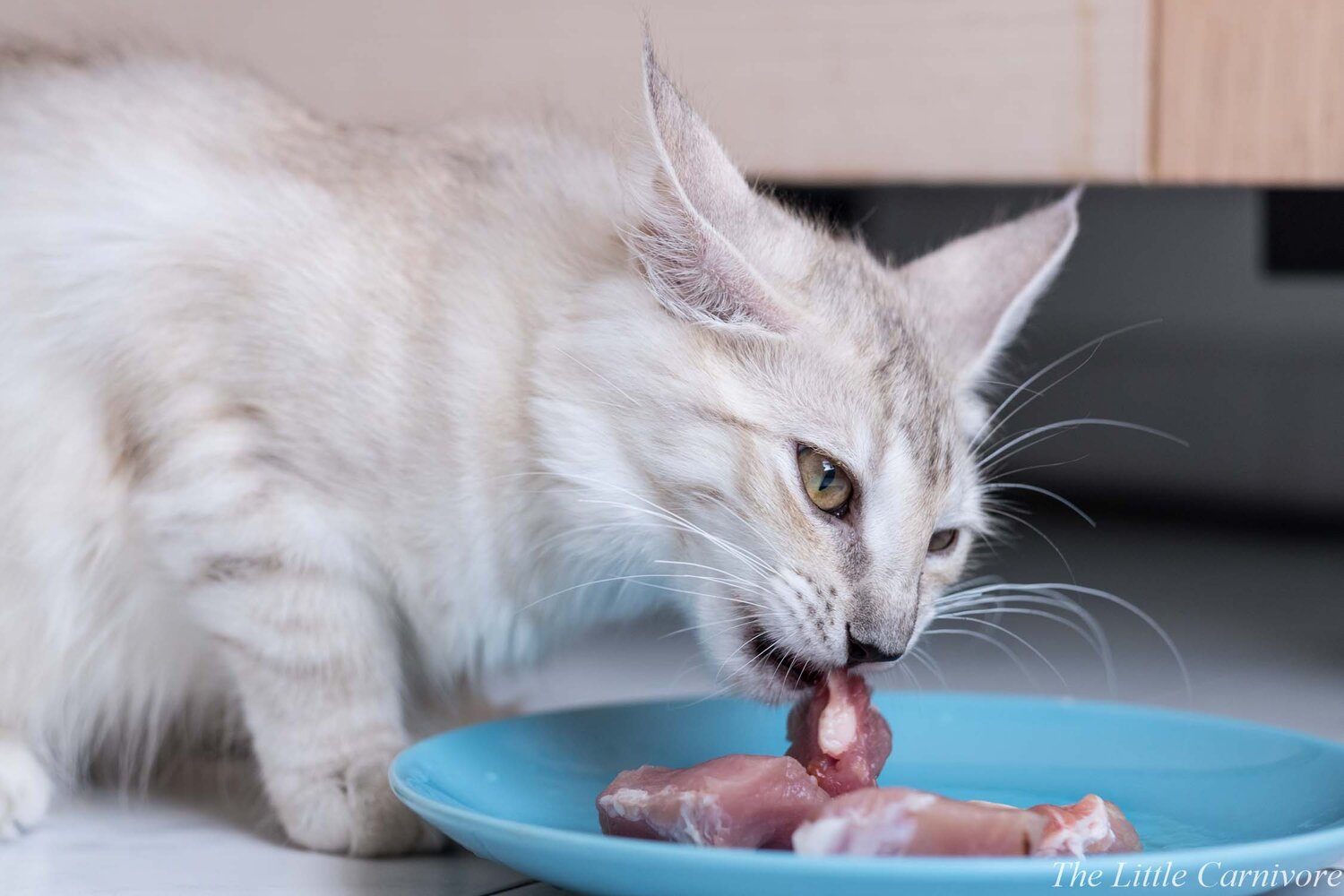
Wild cats rely heavily on animal protein as their main source of energy. Their prey, such as rodents, birds, and small mammals, provides muscle-building proteins essential for strength and agility. Have you ever noticed how cats seem to prefer fresh meat over anything else? That’s because proteins and fats from prey give them the energy to chase, climb, and pounce.
Besides protein, fats from the prey supply a dense energy source. This combination supports their endurance during long hunts and daily activities. If you’ve ever watched a wild cat, you’ll see their movements are powered by this nutrient-rich diet.
Hydration From Food
Wild cats rarely drink water directly. Instead, they get most of their hydration from the moisture in their prey. Small animals like rabbits and birds contain high water content, which keeps cats hydrated.
This natural water intake helps wild cats survive in harsh environments where water is scarce. Have you considered how your own pet’s hydration compares when they eat dry kibble versus fresh food? It’s a striking difference driven by nature’s design.
Vitamins And Minerals
Wild cats obtain essential vitamins and minerals through the organs and bones of their prey. Liver, for example, is rich in vitamin A and iron, supporting eyesight and blood health. Chewing on bones provides calcium and phosphorus, strengthening their teeth and bones.
This natural diet ensures they get a full range of nutrients without supplements. Think about the last time you noticed your cat chewing on a bone or a whole prey; it’s more than a behavior—it’s a vital source of nutrition.
Surprising Dietary Habits
Wild cats are known as fierce hunters, but their diets sometimes surprise us. They do not eat meat alone. Their eating habits vary depending on their environment and food availability. These surprising habits help wild cats survive in tough conditions.
Plants And Fruits In Diet
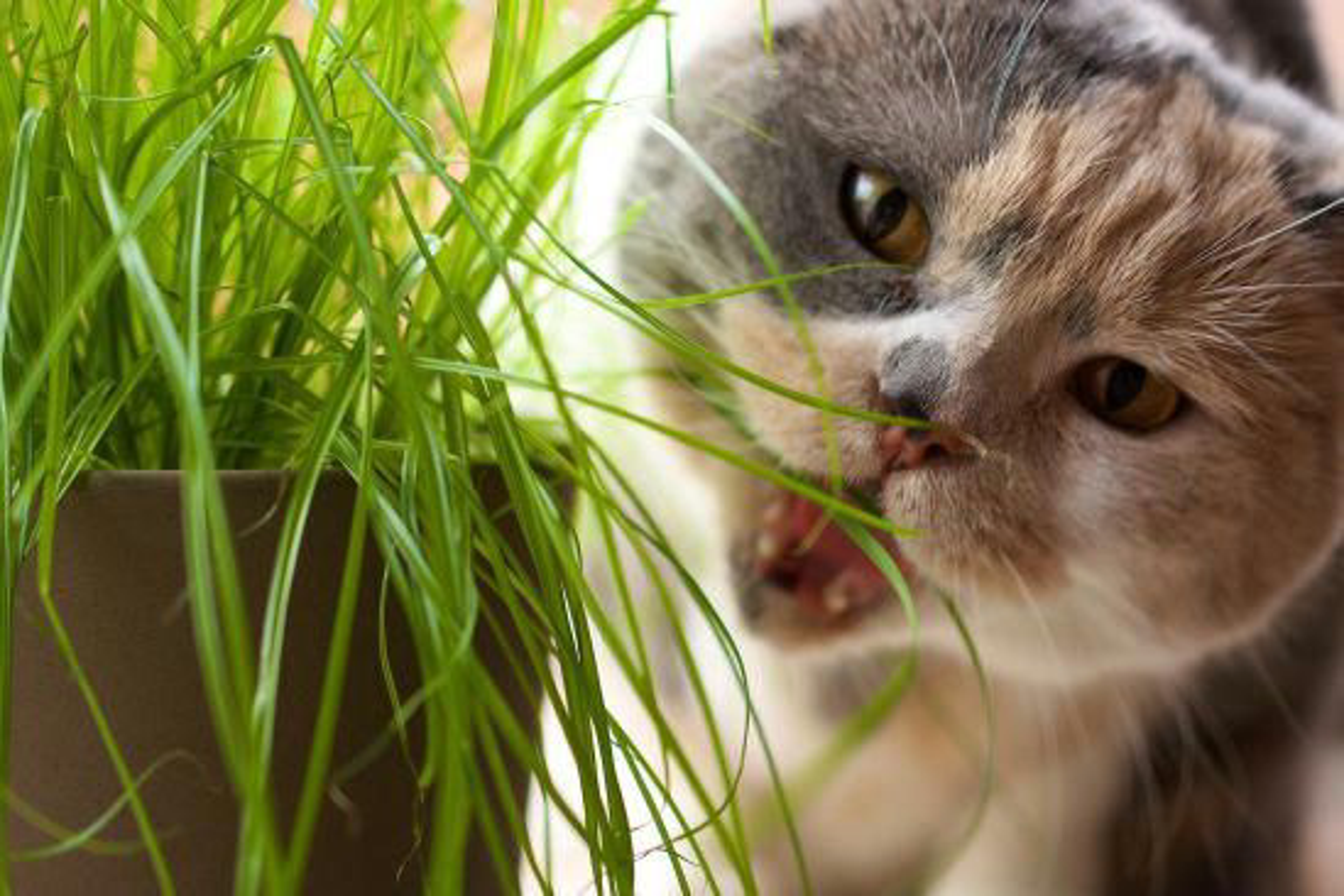
Some wild cats eat plants and fruits to aid digestion. They may chew grass or eat berries. This behavior can help clear their stomach or provide extra nutrients. It is not common but does occur in many wild cat species.
Scavenging Behavior
Wild cats sometimes scavenge for food. They may eat leftovers from other predators. This habit helps when hunting is hard or prey is scarce. Scavenging shows their adaptability and resourcefulness in the wild.
Occasional Insect Consumption
Insects are an unexpected part of some wild cats’ diets. They catch and eat insects like grasshoppers or beetles. This provides a quick energy source. Insect eating is more common in smaller wild cats or young ones.
Impact Of Environment
The environment shapes what wild cats eat in many surprising ways. Changes around them force these animals to adjust their hunting habits and diets. Understanding this impact helps you see the delicate balance between wild cats and their habitats.
Human Influence On Food Availability
Humans have a huge effect on wild cats’ food sources. Deforestation and farming reduce the number of prey animals available. Sometimes, human waste or livestock becomes an easy meal for wild cats.
Have you ever noticed how wild cats near farms often hunt different animals than those deep in the forest? This shift in diet shows how humans unintentionally change the food web. Protecting natural habitats ensures wild cats find enough natural prey.
Adaptation To Urban Areas
Some wild cats have learned to live in cities and towns. Here, they hunt rodents, birds, and even scavenge garbage. This urban lifestyle changes their diet drastically from their forest-dwelling relatives.
Your neighborhood might be a hunting ground for these adaptable hunters. But does this new diet affect their health or behavior? Watching how they adjust can teach us about survival in changing environments.
Climate Effects On Diet
Weather and climate shifts also impact what wild cats eat. During harsh winters, prey becomes scarce, pushing cats to hunt different animals or travel farther. Warmer climates can increase prey diversity, offering new food options.
Think about how a drought might reduce water sources for prey species. This scarcity forces wild cats to become more flexible. What changes in diet would you expect if your favorite hunting ground suddenly changed?
Credit: www.green-petfood.com
Conservation And Diet
Wild cats face many challenges that affect their diet and survival. Conservation efforts focus on protecting their natural food sources. Understanding their diet helps improve these efforts. Careful management supports wild cats in the wild and in rehabilitation centers.
Food Scarcity Challenges
Wild cats often struggle to find enough food. Loss of habitat reduces prey availability. Human activities like farming and urban growth shrink hunting areas. Scarce food can cause hunger and lower reproduction rates. Some species travel long distances to hunt. Food scarcity remains a major threat to their survival.
Rehabilitation Feeding Practices
Rescue centers feed wild cats diets similar to their natural meals. They use whole prey items such as rabbits, birds, and rodents. Feeding mimics hunting to keep cats healthy and active. Nutrition must meet energy and vitamin needs. Gradual diet changes prepare cats for release back to nature. Proper feeding improves recovery and survival chances.
Role Of Diet In Survival
The right diet keeps wild cats strong and alert. Protein-rich prey supports muscle and energy needs. Balanced nutrition boosts immune systems to fight disease. Diet quality affects breeding success and kitten growth. Wild cats adapt to available prey but thrive on variety. Protecting natural prey is key to wild cat conservation.
Credit: thelittlecarnivore.com
Frequently Asked Questions
What Are The Primary Foods Wild Cats Eat?
Wild cats mainly eat small mammals like rodents, rabbits, and birds. They also hunt reptiles and insects. Their diet varies by species and habitat, but meat is always the key component.
Do Wild Cats Eat Plants Or Fruits?
Wild cats are primarily carnivores and rarely eat plants or fruits. Occasionally, they may consume grass to aid digestion, but their diet is mostly meat-based.
How Do Wild Cats Hunt Their Prey?
Wild cats use stealth, speed, and sharp senses to catch prey. They stalk quietly, then pounce quickly to capture animals. Their hunting technique depends on their size and environment.
Can Wild Cats Eat Fish Or Amphibians?
Yes, some wild cats, like fishing cats, include fish and amphibians in their diet. These cats are skilled swimmers and catch aquatic prey to supplement their meals.
Conclusion
Wild cats eat mainly meat from animals they catch. Their diet changes with where they live and what is around. They hunt small mammals, birds, and sometimes insects. Some wild cats also eat plants or fruits sometimes. Knowing what wild cats eat helps us understand their role in nature.
They keep animal numbers balanced and healthy. Protecting their food sources helps keep wild cats safe. Watching their eating habits teaches us about survival in the wild. Wild cats depend on fresh, natural food to thrive.
