


Have you ever wondered what stray cats eat to survive on the streets? If you care about these mysterious animals and want to understand their needs, this article is for you.
Knowing what stray cats eat can help you support them better or simply satisfy your curiosity. Keep reading, and you’ll discover surprising facts about their diet and how you can make a difference in their lives.
Stray Cats’ Natural Diet
Stray cats are skilled survivors. They adapt to various environments to find food. Unlike domestic cats, they rely on nature for sustenance. Their diet consists of what they can hunt or scavenge. Understanding their natural diet helps us appreciate their resilience. Let’s explore what stray cats typically eat.
Hunting Small Prey
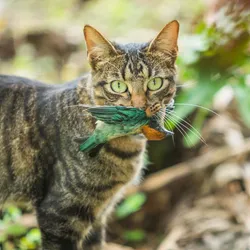
Stray cats are natural hunters. They often catch small animals for food. Mice, rats, and birds are common targets. They use stealth and agility to catch their prey. Hunting is a crucial part of their diet.
Scavenging Behavior
Stray cats also scavenge for food. They explore trash bins and dumps for leftovers. This behavior supplements their diet when prey is scarce. Scavenging helps them find food in urban areas.
Seasonal Food Sources
Stray cats’ food sources change with the seasons. In warmer months, insects become a common food item. During colder months, they rely more on scavenging. Seasonal changes influence the availability of prey and food. This adaptability ensures their survival throughout the year.
Credit: www.iflscience.com
Common Foods Stray Cats Eat
Stray cats face daily challenges finding food. Their diet varies depending on availability and their hunting skills. Understanding what stray cats commonly eat helps you see how they survive and what they might need if you decide to help them.
Rodents And Birds
Rodents like mice and rats make up a large part of a stray cat’s diet. These small animals are easy to catch and provide essential protein. Birds also become prey, especially small songbirds and pigeons.
Have you noticed how quickly cats stalk and pounce? Their hunting instincts are sharp, and catching rodents or birds gives them vital nutrition.
Insects And Worms
Insects such as beetles, grasshoppers, and crickets are common snacks for stray cats. Worms also appear in their diet, especially after rain when worms surface. Though smaller in size, these creatures help fill gaps when bigger prey is scarce.
Next time you see a stray cat, watch closely—sometimes their meal is much smaller than you expect. Isn’t it amazing how adaptable they are?
Leftover Human Food
Stray cats often scavenge for leftover human food. You might find them near trash bins or outdoor eating areas searching for scraps. Bread, rice, cooked meat, and even fast food can become part of their diet.
Have you ever tossed out food without thinking it could help a hungry stray? Offering safe leftovers can make a big difference, but always be cautious about what you share.
Unusual Foods That Sustain Strays
Stray cats often surprise us with their ability to survive on foods you wouldn’t expect. Their diet isn’t limited to just hunting small animals or scavenging traditional cat food. They adapt by finding nourishment in unusual places, which keeps them alive in tough urban and rural environments.
Fruits And Vegetables
Though cats are obligate carnivores, some strays nibble on fruits and vegetables. Small bites of melon, berries, or even pumpkin can provide hydration and vitamins. Have you ever seen a cat munch on a slice of watermelon? It’s more common than you think, especially in hot weather.
Vegetables like carrots or peas might not be a main meal, but they offer fiber that aids digestion. Strays might also eat fruits fallen from trees, taking advantage of what nature provides. These odd snacks help them supplement their diet when meat is scarce.
Garbage And Food Scraps
Garbage bins are a common buffet for stray cats. They rummage through discarded food scraps from human meals, which often include meat bits, bread, and dairy products. While this isn’t the healthiest option, it’s a practical survival tactic.
Have you noticed how some strays hang around restaurants or markets? They know these places are treasure troves of leftovers. This scavenging behavior shows their resourcefulness but also highlights the importance of responsible waste disposal to control stray populations.
Plants And Grasses
Eating grass might seem strange for a cat, but strays often do it to help their digestion or clear hairballs. Some plants also provide essential nutrients or act as natural remedies. If you’ve seen a stray nibble on a patch of grass, it’s probably helping their stomach.
Not all plants are safe, so strays must be careful. Their instinct guides them to pick plants that won’t harm them, which is quite impressive. Have you ever wondered if your own cat’s occasional grass snacking is a leftover behavior from their stray ancestors?

Credit: www.reddit.com
How Stray Cats Adapt To Food Scarcity
Stray cats face constant food shortages in their daily lives. They must find ways to survive with limited resources. Their ability to adapt helps them manage hunger and energy. These adaptations involve smart behaviors and social habits.
Energy Conservation Tactics
Stray cats reduce their activity to save energy. They rest more during the day and move mostly at night. This helps lower their calorie needs. Staying still also protects them from dangers and keeps them safe.
They use small, quick bursts of energy when hunting. This method avoids wasting calories on long chases. Conserving energy is key to lasting through tough times without food.
Opportunistic Feeding
Stray cats eat whatever food they find. They hunt small animals like mice, birds, and insects. They also scavenge leftovers near humans. Garbage bins and food scraps often provide easy meals.
These cats do not rely on one food source. They change their diet based on what is available. This flexible eating habit helps them survive in many environments.
Social Sharing Among Strays
Stray cats sometimes share food with others in their group. This behavior builds trust and helps the group survive. Sharing can happen after a successful hunt or when food is scarce.
Living in groups also offers protection. Cats warn each other about dangers and find food together. Social bonds improve their chances of finding enough to eat.
Health Risks From Stray Diets
Stray cats often survive on unpredictable diets. This can lead to serious health problems. Their food sources lack balance and safety. Many stray cats suffer from poor nutrition and exposure to harmful substances. Understanding these risks helps protect their wellbeing.
Nutritional Deficiencies
Stray cats rarely get complete nutrition. They miss essential vitamins and minerals. Lack of protein weakens muscles and immune systems. Deficiency in taurine can cause heart and eye problems. Weak bones and poor coat quality are common signs. These deficiencies reduce their chances of survival.
Toxic Foods To Avoid
Stray cats may eat dangerous items by mistake. Some human foods are toxic to cats. These include:
- Onions and garlic
- Chocolate and caffeine
- Grapes and raisins
- Alcohol and raw dough
Eating these can cause vomiting, diarrhea, or worse. Toxic foods harm their organs and nervous system. Avoid feeding stray cats anything harmful.
Parasites And Contaminants
Stray cats often consume contaminated food. They risk infections from parasites like worms and fleas. Parasites cause weight loss and anemia. Bacteria and toxins in spoiled food lead to illness. Dirty environments expose cats to harmful chemicals. These threats weaken stray cats over time.
Feeding Stray Cats Safely
Feeding stray cats safely helps protect their health and well-being. Providing the right food supports their energy and keeps them strong. Careful feeding also builds trust between humans and cats. It is important to choose foods that meet their needs without causing harm.
Recommended Foods
- Wet cat food with high protein content
- Dry cat kibble designed for adult cats
- Cooked chicken or turkey without seasoning
- Canned tuna or salmon in water (occasionally)
- Fresh water always available
These foods offer essential nutrients cats need. Wet food helps keep cats hydrated. Protein-rich meals support muscle and energy levels.
Avoiding Harmful Items
- Milk and dairy products
- Raw meat or fish
- Onions, garlic, and chives
- Chocolate and sweets
- Cooked bones
- Human junk food and salty snacks
These items can cause sickness or digestive problems. Some may be toxic or lead to choking. Always remove uneaten food to prevent pests.
Creating A Feeding Routine
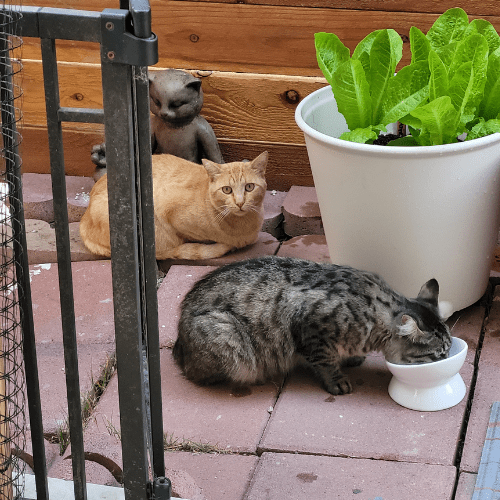
Feed stray cats at the same time daily. Choose a quiet, safe spot to place food. Use shallow dishes for easy access. Remove leftovers after 30 minutes to keep the area clean. Consistent feeding builds trust and helps monitor cat health.
Credit: trapandreturn.com
Frequently Asked Questions
What Do Stray Cats Primarily Eat In Urban Areas?
Stray cats mainly eat small rodents, birds, and insects found around cities. They also scavenge human food waste for nourishment. Their diet varies based on availability and season, but protein-rich prey is essential for their survival and health in urban environments.
Can Stray Cats Eat Human Food Safely?
Stray cats can eat some human foods like cooked meat or fish. However, avoid giving them onions, garlic, chocolate, or dairy products. These can harm their health. Feeding them balanced cat food is better for their nutrition and well-being.
How Do Stray Cats Find Food Without Hunting?
Stray cats often scavenge garbage bins and leftovers near restaurants or homes. They rely on human food scraps when hunting is difficult. This behavior helps them survive in areas with limited natural prey availability.
Are Stray Cats At Risk From Eating Harmful Food?
Yes, stray cats risk poisoning from spoiled or toxic foods. Consuming chemicals, spoiled meat, or plants can cause illness. Careful feeding by humans can reduce these risks and improve their health and safety.
Conclusion
Stray cats eat a mix of small animals, insects, and leftover food. They find what they can to survive each day. Their diet depends on where they live and what is available. People who care for strays often provide safe, healthy food.
Feeding stray cats helps keep them strong and healthy. Understanding their eating habits helps us support these animals better. Stray cats show great survival skills in tough environments. They remind us to be kind and thoughtful toward animals in need.
