


Have you ever looked into your cat’s eyes and wondered what’s really going on in their mind? You might be surprised to learn that cats think about humans in ways you never expected.
Understanding how your furry friend sees you can change the way you interact with them—and deepen the bond you share. Keep reading, because what you’re about to discover will make you see your cat in a whole new light.
Cat Perception Of Humans
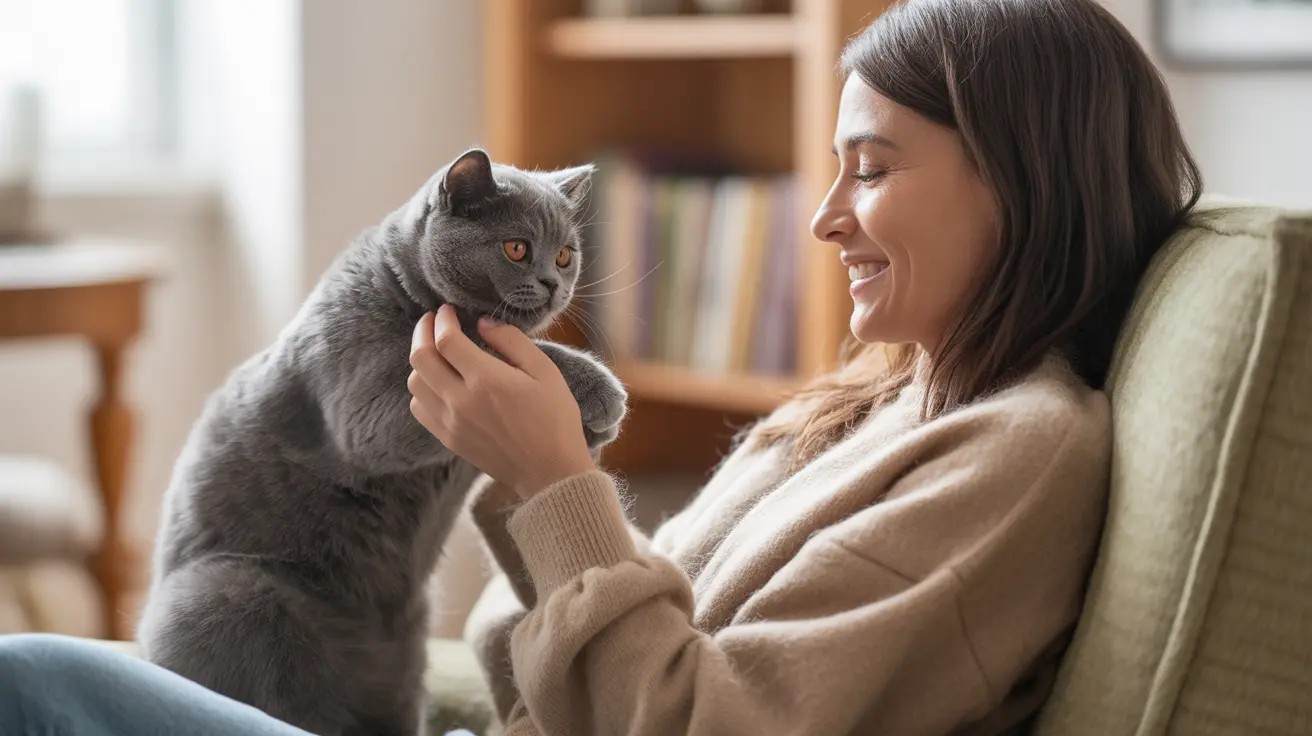
Cats have a unique way of viewing humans. They don’t see us as parents or owners. Instead, they perceive us as larger, non-hostile fellow cats. This perception affects their interactions and behaviors towards us. Understanding how cats see us can help strengthen the bond with our feline friends.
How Cats See Their Owners
Cats often see their owners as part of their social group. They may greet you with a headbutt or rub. This is their way of showing affection and acceptance. Cats may also bring you “gifts” like small prey. This shows they see you as part of their family.
Cats’ Social Intelligence
Cats possess a high level of social intelligence. They can read human emotions and body language. A cat may comfort you when you’re upset or stressed. They remember your routines and adapt to your schedule. This intelligence helps them form strong bonds with their human companions.
Differences Between Cats And Dogs
Cats and dogs have different perceptions of humans. Dogs often see humans as leaders or pack members. They follow commands and seek approval. Cats, on the other hand, are more independent. They interact with humans on their own terms. This difference shapes how they bond with people.
Credit: www.petscare.com
Communication Between Cats And Humans
Communication between cats and humans goes beyond simple meows and purrs. It’s a subtle exchange where body language, sounds, and behavior all play a role. Understanding these signals can transform how you relate to your feline friend.
Body Language Signals
Cats use their bodies to tell you how they feel. A slow blink often means trust and affection—try blinking back and see how your cat responds.
Watch their tail: a high tail signals confidence and happiness, while a flicking tail can indicate irritation. Ears pinned back usually mean your cat is upset or scared.
Next time your cat rubs against you, remember they’re marking you as part of their territory and showing love.
Vocalizations And Their Meanings
Meows aren’t just random sounds; cats use them to get your attention. A short, soft meow might mean “hello” or “I want affection.”
Louder, more insistent meows can signal hunger or discomfort. Purring usually shows contentment but can also mean your cat is in pain, so consider the context.
Try listening closely next time your cat vocalizes. What do you think they’re trying to tell you?
Interpreting Cat Behavior
Behavior often reflects what your cat thinks about you and their environment. If your cat follows you around or lies on your lap, it shows trust and comfort.
On the other hand, hiding or avoiding eye contact might mean your cat feels stressed or unsure. Try creating a calm space and observe changes over time.
Have you noticed how your cat behaves differently when you’re happy or upset? Their reactions can give you clues about the emotional bond you share.
Emotional Bonds With Humans
Cats form complex emotional bonds with their human companions. These connections go beyond simple affection and show a deep level of attachment and trust. Understanding how cats emotionally relate to you can improve your relationship and make your feline friend feel more secure and loved.
Attachment Styles In Cats
Cats display different attachment styles toward their owners, similar to humans. Some cats are secure and confident, seeking comfort from you when stressed. Others might be more anxious or avoidant, hesitating to show vulnerability around people.
Have you noticed your cat following you around or curling up on your lap? These behaviors indicate a secure attachment. On the other hand, if your cat tends to hide or seems indifferent, it could be a sign of an anxious or avoidant style. Recognizing your cat’s attachment style helps you respond to their needs better.
Trust And Affection Indicators
Trust in cats shows through subtle yet clear signs. Slow blinking at you is one of the most heartwarming ways cats express affection and trust. When your cat exposes their belly, it means they feel safe enough to show vulnerability.
- Head butting or nuzzling
- Following you around the house
- Purring when you pet them
- Bringing you “gifts” like toys or even small prey
These behaviors are your cat’s way of saying they feel emotionally connected to you. Are you paying attention to these small but powerful signals?
Impact Of Human Interaction
Your daily interactions shape your cat’s emotional well-being. Positive experiences, like gentle petting and calm voices, build trust and deepen your bond. Rough handling or inconsistent attention, however, can make cats wary or stressed.
Think about how your cat reacts after you come home. Do they greet you eagerly or avoid you? This reaction reflects how your interaction style influences their feelings. Making time to engage with your cat regularly boosts their emotional health and strengthens your relationship.
Cats’ Needs And Expectations
Cats have simple but important needs from humans. They expect care, respect, and understanding. Knowing what cats want helps build a strong bond. Cats show affection differently than dogs. They need patience and quiet attention.
Meeting a cat’s needs makes them feel safe and happy. Each cat has its own personality and preferences. Watching their behavior helps owners learn what they expect. This section explains what cats seek, common myths, and how to meet their needs well.
What Cats Seek From Humans
- Consistent feeding and fresh water
- A clean, comfortable place to rest
- Gentle petting and respectful handling
- Playtime that mimics hunting
- A quiet, calm environment
- Regular health care and attention
- Respect for their space and mood
Common Misconceptions
- Cats are independent and don’t need attention
- Cats only show love when they want food
- Purring always means a cat is happy
- Cats dislike being touched or held
- Cats don’t form strong bonds with humans
How To Meet Your Cat’s Needs
- Feed high-quality food at regular times
- Offer a clean litter box and cozy bed
- Use toys to encourage active play
- Speak softly and move calmly around cats
- Give affection only when the cat seeks it
- Visit the vet for check-ups and vaccines
- Respect their alone time and signals
Scientific Insights On Cat Cognition
Understanding what goes on inside a cat’s mind can change how you relate to your furry friend. Scientific studies have started to uncover how cats think and how they interpret the world around them, especially when it comes to humans. These insights offer surprising details about their intelligence and emotional capacity.
Studies On Cat Intelligence
Research shows that cats are more than just curious creatures; they possess notable problem-solving skills. Scientists have tested cats using puzzle feeders and memory tasks to measure their cognitive abilities.
One study found cats remember the location of hidden food for up to 16 hours. This suggests they have strong short- and long-term memory, similar to dogs.
Have you ever noticed your cat figuring out how to open a door or reach a high shelf? That’s their intelligence at work, driven by trial and error and sharp observation.
How Cats Process Human Behavior
Cats don’t just see you as a source of food; they observe your actions and moods closely. Studies reveal they can distinguish between different human voices and even recognize their owner’s face.
They respond to your gestures and tone, adjusting their behavior accordingly. If you seem upset, your cat might approach more gently or sometimes keep a distance.
This ability to read human cues shows cats are tuned into your emotions, which could explain their comforting presence in times of stress. How aware do you think your cat is of your daily routine and emotions?
Surprising Research Findings
Some research has challenged the idea that cats are solitary and indifferent pets. Experiments show they can form secure attachments to their owners, similar to dogs and even human infants.
In one study, cats showed signs of distress when separated from their owners, proving they value this bond deeply. Another surprising fact is cats’ ability to learn through observation, mimicking actions they see humans perform.
These findings suggest your cat’s thoughts about you are more complex and affectionate than you might expect. What new behaviors could you try to strengthen this unique bond?
Credit: medium.com

Credit: www.discovermagazine.com
Frequently Asked Questions
What Do Cats Think About Human Behavior?
Cats observe human actions closely and often interpret them as safe or threatening. They appreciate gentle, calm interactions and respond well to consistent behavior, which builds trust and affection over time.
How Do Cats Perceive Their Human Owners?
Cats see their owners as providers and companions. They often view humans as part of their social group, relying on them for food, comfort, and security, which strengthens their emotional bond.
Can Cats Understand Human Emotions?
Cats can sense human emotions through tone of voice and body language. They often react to their owner’s mood, showing empathy by offering comfort or keeping distance when needed.
Why Do Cats Sometimes Ignore Humans?
Cats may ignore humans when they feel stressed, tired, or overstimulated. They value independence and need personal space to feel secure and relaxed in their environment.
Conclusion
Cats see humans in unique and interesting ways. They may think of us as friends, providers, or even family. Their behavior shows trust and affection. Understanding their thoughts helps us build stronger bonds. Paying attention to their signals improves our relationship.
Cats communicate differently, but love is clear. Treating them with kindness brings joy to both sides. Remember, every cat is different and special. Enjoy your time with your feline friend.
