

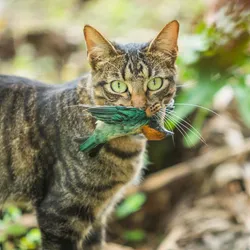
Have you ever wondered what your cat would eat if it lived in the wild? Understanding what wild cats eat can give you a clearer picture of your pet’s natural needs and instincts.
You might be surprised by how different their diet is from the typical store-bought cat food. If you want to know what fuels a cat’s strength and agility in nature, keep reading. This insight could change the way you think about your cat’s meals and health.
Feline Hunting Instincts
Cats are natural hunters. Their hunting instincts are strong and guide their behavior in the wild. These instincts help cats find food and survive. Even domestic cats carry these traits, inherited from their wild ancestors.
Feline hunting involves more than just chasing prey. It includes stalking, pouncing, and using sharp senses to detect movement. This behavior is essential for catching small animals like birds, rodents, and insects.
Stealth And Stalking
Cats move quietly to avoid alerting their prey. They use soft paw pads to step silently. Their bodies stay low to the ground while they slowly approach their target.
Keen Senses For Hunting
- Sharp eyesight helps detect movement, even in low light.
- Whiskers sense nearby objects and vibrations.
- Excellent hearing picks up small sounds from prey.
- Strong sense of smell locates hidden animals.
Precise Pouncing And Capture
Once close enough, cats leap quickly to catch prey. Their sharp claws grab and hold the target. The bite is usually aimed at the neck to immobilize prey fast.
Small Mammals As Prey
Cats in the wild rely heavily on small mammals for their diet. These animals provide essential nutrients and energy for survival. Hunting small mammals allows cats to use their natural stalking and pouncing skills. These prey animals are often abundant and easier to catch compared to larger prey.
Mice And Voles
Mice and voles are common prey for wild cats. These small rodents live in fields, forests, and grasslands. Cats use their keen sense of hearing and sight to detect them. They silently stalk before making a quick pounce. Mice and voles offer a good source of protein and fat. Their size makes them perfect for a quick meal or feeding kittens.
Rabbits And Hares
Rabbits and hares are larger prey but still common for wild cats. These animals live in open areas and hide in burrows. Cats approach carefully to avoid being seen. They rely on speed and surprise to catch them. Rabbits and hares provide more meat and energy. Catching one can feed a cat for a longer time. This prey requires more effort but offers a bigger reward.
Birds In The Diet
Birds make up an important part of a wild cat’s diet. Cats rely on birds not only for their rich protein but also for essential nutrients. Understanding which birds they hunt helps you see the natural hunting skills your cat inherits.
Ground-nesting Birds
Ground-nesting birds are easier targets for wild cats because they spend most of their time on or near the ground. Birds like quails, pheasants, and some types of ducks often fall prey to cats. These birds are less likely to take flight quickly, giving cats the chance to catch them.
If you watch your cat in a garden or forest, you might notice it patiently stalking low to the ground. This behavior is a direct instinct to catch ground-nesting birds. Have you ever seen your cat freeze completely before pouncing? That’s a technique honed for these birds.
Small Songbirds
Small songbirds such as sparrows, finches, and robins also appear in a wild cat’s diet. Their quick movements and flight skills make hunting them more challenging. Still, cats use stealth and timing to seize moments when these birds rest or feed.
When your cat suddenly darts after a fluttering bird, it’s applying a skill developed over thousands of years. Watching this can make you appreciate how precise and focused cats are as hunters. Do you think your cat could catch a nimble songbird if given the chance?
Credit: www.livescience.com
Reptiles And Amphibians
Cats in the wild eat a wide variety of prey. Reptiles and amphibians make up an important part of their diet. These creatures provide essential nutrients and are often easy to catch. Wild cats use their sharp senses to find these animals hiding under rocks or leaves. Eating reptiles and amphibians helps cats survive in different environments.
Lizards And Snakes
Wild cats hunt many types of lizards and snakes. Lizards are small, fast, and often found in warm places. Cats catch them by stalking quietly and pouncing quickly. Some snakes are also part of their diet. Cats avoid very large or venomous snakes. Smaller snakes provide a good meal and are rich in protein. Cats use their agility to avoid bites while hunting these reptiles.
Frogs And Toads
Frogs and toads are common amphibians eaten by wild cats. These animals live near water sources like ponds and streams. Cats wait patiently near these spots to catch them. Frogs and toads are slow and easy to catch, making them a good choice. They offer moisture and nutrients that help cats stay hydrated. Hunting frogs and toads also keeps the cat’s diet varied and balanced.
Insects And Other Invertebrates
Cats in the wild are skilled hunters that adapt their diet based on what’s available. Insects and other small invertebrates often make up a significant part of their meals. These tiny creatures provide essential nutrients and keep wild cats agile and energized.
Beetles And Grasshoppers
Beetles and grasshoppers are common prey for wild cats. These insects are easy to catch and pack a good amount of protein. Wild cats use their sharp claws to snatch them quickly, often in tall grass or under leaves.
Have you noticed how your cat suddenly goes after small moving objects? That instinct comes from their natural hunting drive to catch insects like these. Including similar prey in their diet helps wild cats stay active and healthy.
Spiders And Worms
Spiders and worms are another part of the wild cat’s diet. Though less flashy, they offer valuable nutrients like minerals and amino acids. Worms, in particular, are rich in moisture, which helps keep cats hydrated.
Next time you see your cat pawing at the ground or sniffing near soil, it’s likely tapping into this instinct. These little invertebrates might seem insignificant, but they play a big role in the wild cat’s survival toolkit.
Fish As A Food Source
Fish play an important role in the diet of many wild cats, especially those living near water bodies. They are a rich source of protein and essential nutrients that help cats stay healthy and energetic. Observing how cats hunt and consume fish in the wild can give you valuable insights into their natural food preferences.
How Wild Cats Catch Fish
Wild cats use sharp senses to detect fish movement in shallow waters. They often wait patiently by the water’s edge or slowly paw at the surface to lure fish closer. Quick reflexes allow them to snatch fish before they can swim away.
Nutritional Benefits Of Fish For Cats
Fish provides high-quality protein, omega-3 fatty acids, and important vitamins like vitamin D. These nutrients support healthy skin, shiny coats, and brain function in cats. Including fish in their diet can improve overall vitality.
Which Fish Are Commonly Eaten
- Small freshwater fish like minnows and trout
- Saltwater species such as sardines and anchovies
- Occasionally larger fish if cats can catch them
Availability depends on the cat’s habitat and proximity to water sources.
Risks Of Eating Fish In The Wild
Raw fish can sometimes carry parasites or bacteria harmful to cats. Cats instinctively avoid spoiled or unsafe fish, but it’s not foolproof. If you keep a cat that enjoys fish, watch for signs of digestive upset.
What You Can Learn From Wild Cats’ Fish Diet
Watching wild cats eat fish shows how adaptable they are as hunters. They choose what’s available and make the most of it. If you feed your cat fish, balance it with other proteins to mimic a varied natural diet.
Scavenging Behaviors
Cats in the wild do more than just hunt. They also scavenge for food. This behavior helps them survive when hunting is tough. Scavenging means eating food that is not freshly caught. It includes finding dead animals or leftovers from other predators. Understanding these behaviors gives insight into how cats adapt to their environment.
Carrion Consumption
Cats sometimes eat carrion, which is dead animal meat. This happens when fresh prey is scarce. Carrion provides a quick meal without much effort. Wild cats use their sharp senses to detect carrion from a distance. They avoid meat that is too old or spoiled to prevent sickness. Eating carrion helps cats save energy and stay alive.
Leftover Scraps
Wild cats often feed on leftover scraps from bigger predators. These scraps include parts of animals left behind after a kill. Cats use stealth to approach and eat these leftovers safely. Sharing food like this reduces the risk of hunting failure. Leftover scraps can include bones, organs, and smaller pieces of meat. This scavenging behavior shows how cats adapt to tough food conditions.
Credit: www.green-petfood.com
Nutritional Needs Of Wild Cats
Understanding the nutritional needs of wild cats reveals how finely tuned their diets are to support survival and strength in nature. Their food choices aren’t random; each meal is packed with what their bodies demand. This knowledge can even help you appreciate the natural instincts behind your own cat’s eating habits.
Protein Requirements
Wild cats rely heavily on protein to fuel their energy and maintain muscle mass. Their diets mainly include small mammals, birds, and insects, all rich in high-quality animal protein. Unlike some animals, wild cats cannot efficiently use plant-based proteins, making animal protein essential for their health.
Think about how your cat reacts to different foods. Does it show a clear preference for meat-based treats? That’s because protein is critical for their muscle repair, immune system, and overall vitality. Without enough protein, wild cats would struggle to hunt or even move effectively.
Essential Vitamins And Minerals
Wild cats get their vitamins and minerals directly from their prey, which provides a balanced mix needed for their bodily functions. Nutrients like taurine, vitamin A, and calcium are particularly important. Taurine, for instance, supports heart and eye health and is found only in animal tissues.
Minerals such as calcium and phosphorus come from consuming bones and organs, not just muscle meat. This natural intake supports strong teeth and bones, preventing deficiencies that could hinder survival. Have you ever noticed your cat chewing on bones or certain textures? That instinct connects back to these essential nutrients.

Credit: www.outdoorbengal.com
Frequently Asked Questions
What Do Wild Cats Primarily Eat?
Wild cats mainly eat small mammals like mice, birds, and insects. Their diet varies by habitat and species, focusing on protein-rich prey for energy and survival.
Do Wild Cats Eat Plants Or Vegetables?
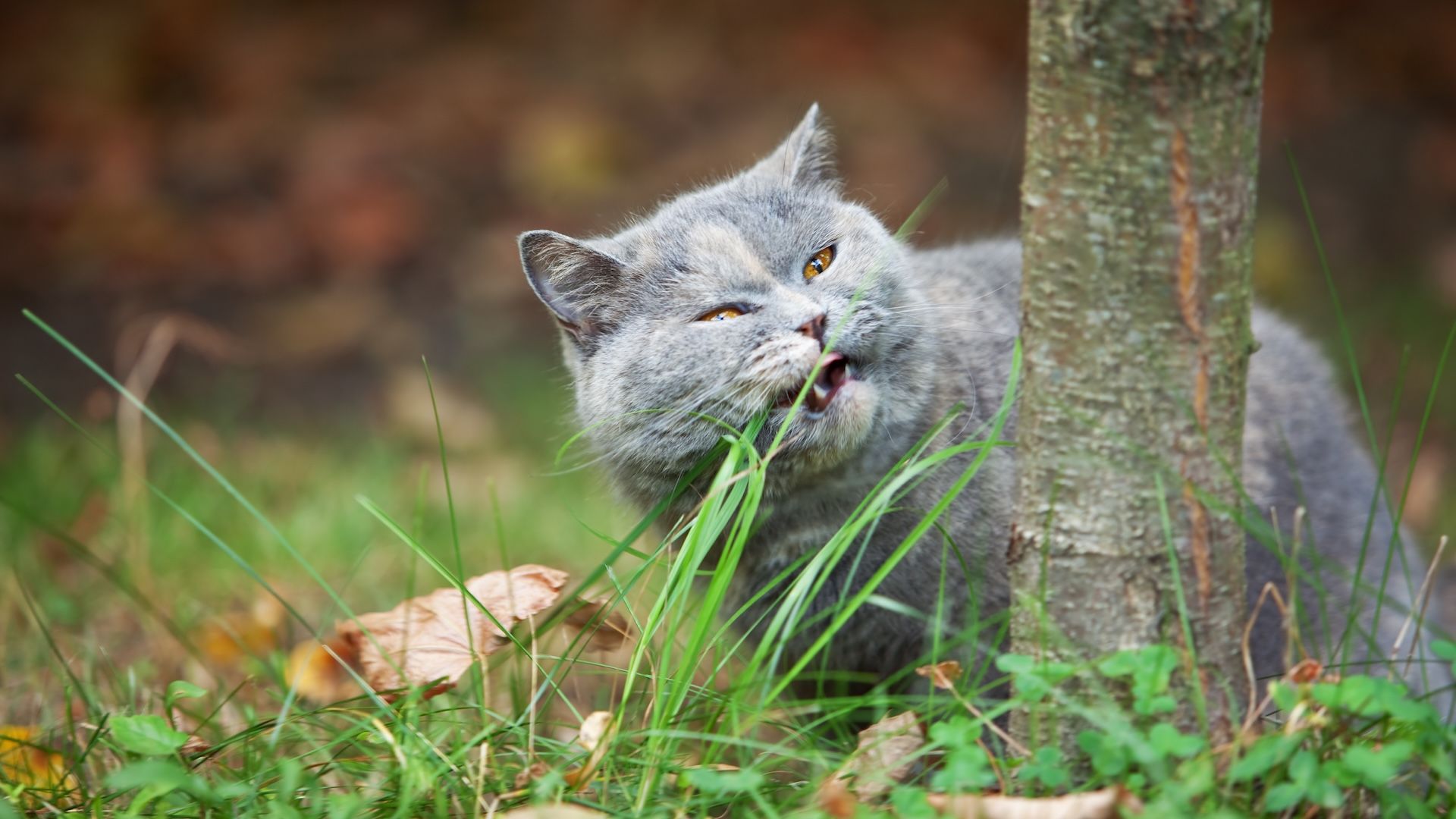
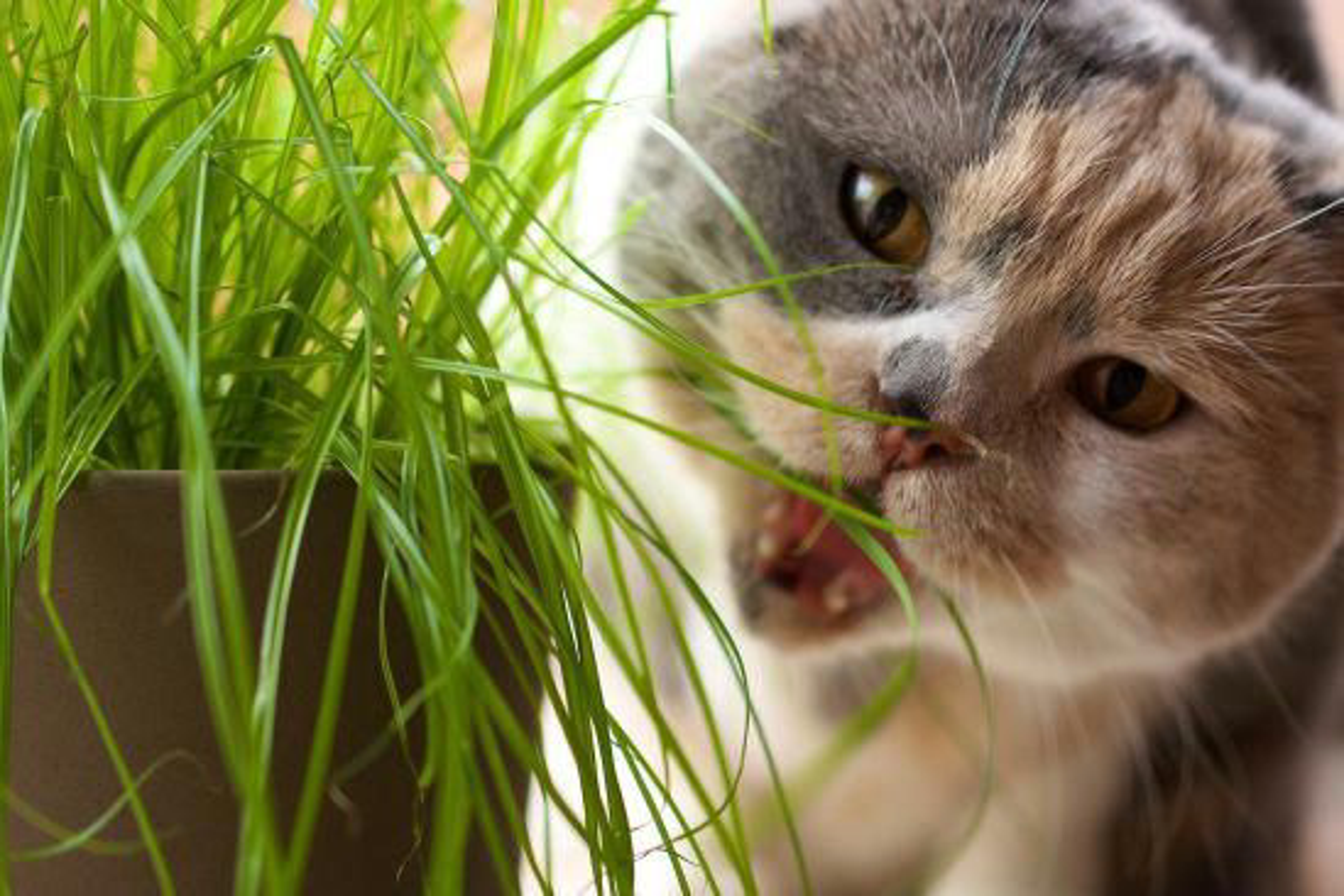
Wild cats rarely eat plants or vegetables. Their diet is mostly carnivorous, relying on meat to meet nutritional needs, though they might occasionally consume grass for digestion.
How Do Wild Cats Hunt Their Food?
Wild cats use stealth, patience, and sharp senses to hunt. They stalk prey quietly, then pounce quickly to catch it, ensuring they get enough food for energy.
Are Wild Cats Scavengers Or Hunters?
Wild cats are primarily hunters but may scavenge when necessary. They prefer fresh kills but will eat carrion if food is scarce in their environment.
Conclusion
Wild cats eat mostly small animals like mice, birds, and insects. They need fresh meat to stay strong and healthy. Hunting helps them get the right vitamins and nutrients. Their diet changes with seasons and what is available nearby. Understanding their natural food helps us care for pet cats better.
Wild cats show us how nature provides what animals need. Watching them teaches us about balance in the wild. Simple, fresh food keeps cats happy and alive. Nature’s plan is clear and effective.
