


Have you ever wondered what your cat is trying to tell you with those different meows? Each meow carries a special message, and understanding them can bring you closer to your furry friend.
Whether your cat sounds happy, hungry, or even upset, knowing what those meows mean can help you respond in the best way. Keep reading to discover the secrets behind your cat’s meows and unlock a whole new level of connection with your pet.
Types Of Cat Meows
Cat meows have different sounds to show what they want or feel. Some meows mean hunger, while others show happiness or discomfort. Understanding these sounds helps build a better bond with your pet.
Cats communicate using a variety of meows. Each meow type carries a different meaning. Understanding these sounds can help you understand your cat’s needs better. Let’s explore the different types of cat meows.Short Meows
Short meows are brief and sharp. Cats often use them to get attention. They might be saying hello or requesting something. These meows are typically friendly and inviting.Long Meows
Long meows are drawn out and more expressive. Cats use them when they demand something specific. It could mean they are hungry or want to go outside. These meows signal a more urgent need.Trills And Chirps
Trills and chirps are unique sounds. Cats use them to greet or communicate with humans and other cats. They are usually happy and friendly sounds. Mother cats often use them to call their kittens.Yowls And Howls
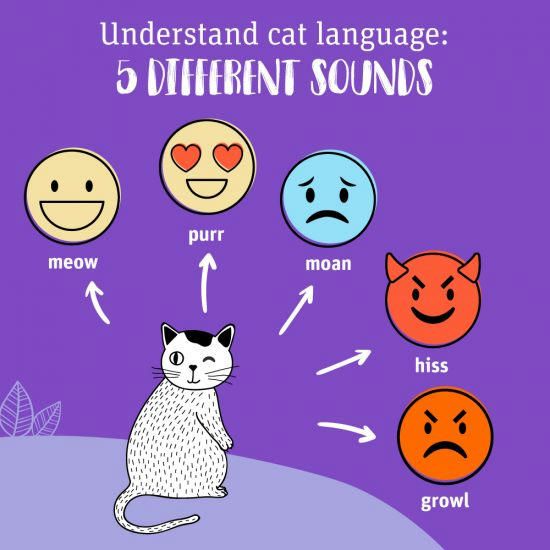
Yowls and howls are loud and drawn out. Cats may use them when distressed or uncomfortable. They could be in pain or feeling territorial. These sounds often need immediate attention.
Credit: weareallaboutcats.com
Common Meow Meanings
Understanding what your cat’s meows mean can deepen your bond and improve communication. Cats use different types of meows to express specific needs and emotions. Recognizing these common meow meanings helps you respond better to your furry friend’s messages.
Greeting And Attention
Many cats use short, soft meows to say hello or get your attention. You might notice your cat meowing when you walk in the door or when they want to start interaction. These meows are usually gentle and friendly, like a verbal “hi” from your pet.
Have you ever noticed your cat meow just as you sit down? That’s their way of inviting you to engage, whether it’s petting or playtime. Paying attention to these greetings can make your cat feel seen and loved.
Hunger Signals
When your cat’s meows become louder and more persistent, they’re likely telling you it’s mealtime. These meows can sound urgent, almost demanding, especially if your cat is used to being fed at a certain time. Some cats even add a rhythmic pattern, almost like a “feed me now” chant.
Try to observe if your cat meows more around feeding times or near the kitchen. Responding promptly helps prevent frustration and strengthens your feeding routine. Have you ever ignored a hungry meow only to find your cat waiting patiently by their bowl?
Stress And Discomfort
Meows can change when your cat feels stressed, scared, or uncomfortable. These sounds might be longer, more plaintive, or even shaky. If your cat suddenly meows in a different tone, check for signs of illness or environmental stressors like loud noises or unfamiliar visitors.
Noticing these subtle changes early lets you address your cat’s discomfort quickly. Have you caught your cat’s unusual meow and found a hidden cause, like a closed door or new furniture?
Play And Excitement
Excited cats often meow with short, sharp sounds that reflect their energy. These meows come with body language like tail flicking and pouncing. Your cat might meow while chasing a toy, signaling joy and eagerness to keep playing.
Encouraging playtime when you hear these meows keeps your cat mentally and physically fit. How does your cat’s playtime meow differ from their usual vocal style?
Context And Tone
Understanding your cat’s meows goes beyond just hearing the sound. The context and tone of each meow reveal much about what your cat wants to communicate. Paying close attention to these details can transform the way you respond and deepen your bond.
Volume And Pitch
The loudness and pitch of a meow can tell you a lot about your cat’s mood. A soft, high-pitched meow often signals a friendly greeting or request for attention. On the other hand, a loud, low-pitched meow might indicate frustration or discomfort.
Think about the last time your cat meowed at you—was it a sharp, urgent sound or a gentle call? Matching your response to these cues can help calm your cat or quickly address their needs.
Repetition Patterns
How often your cat meows matters too. A single meow might be a simple hello, but repeated meowing can mean something different. Persistent meowing often shows urgency, like hunger or wanting to go outside.
If your cat suddenly starts meowing more than usual, ask yourself what changed around them. Are they bored, anxious, or maybe not feeling well? Recognizing these patterns helps you respond appropriately.
Body Language Clues
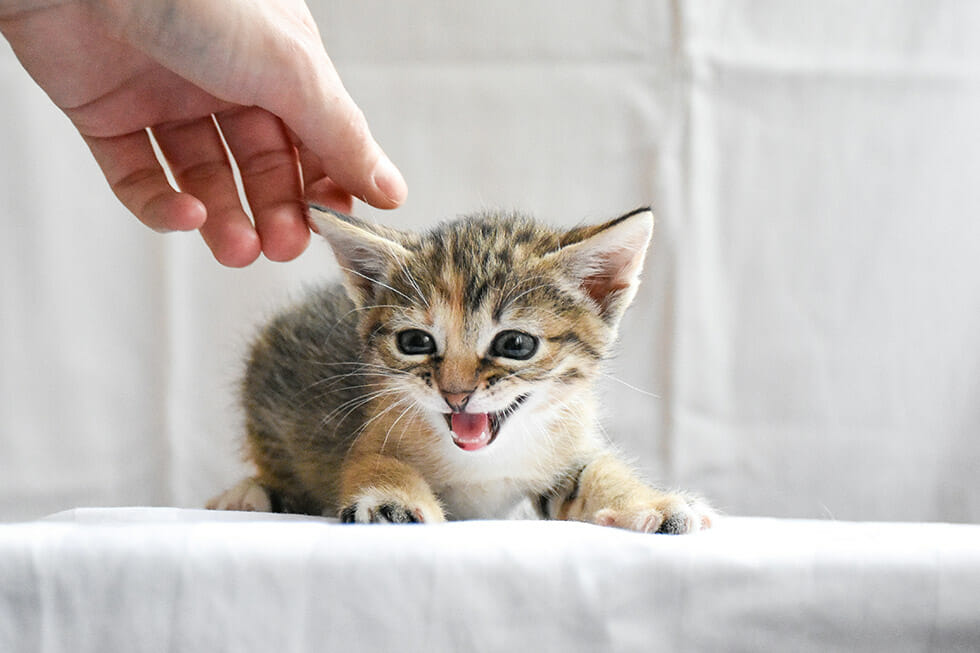
Your cat’s body language works together with their meows to express their feelings. A relaxed posture with a gentle meow usually means contentment, while a tense body or flicking tail combined with loud meows might signal stress.
Next time your cat meows, observe their ears, eyes, and tail closely. These signals will give you extra information about what your cat is really trying to say beyond the sound itself.
Credit: www.petinsuranceaustralia.com.au
Age And Breed Differences
Understanding cat meows means paying attention to their age and breed. These factors shape how your feline friend communicates. Recognizing these differences helps you respond better to their needs and moods.
Kitten Meows
Kittens use meows mainly to get attention from their mother or humans. Their meows are often high-pitched and urgent, signaling hunger or discomfort. You might notice how they meow more frequently when they’re separated from their littermates.
Have you ever noticed how a kitten’s meow can sound almost like a cry? This sharp, persistent sound usually means they want warmth, food, or reassurance. Paying close attention to these early sounds can build a strong connection as they grow.
Adult Cat Variations
Adult cats meow less to communicate with other cats but use it more to talk to humans. Their meows vary in tone, length, and pitch depending on what they want to express. Some cats have a soft, short meow for greetings, while others might have a louder, demanding meow when they want food.
Notice how your adult cat’s meows change when they are happy, annoyed, or seeking attention. This variety helps you understand their mood without guessing. If your cat suddenly meows more or less, it could signal a change in their health or environment.
Breed-specific Sounds
Different cat breeds have unique meowing styles. For example, Siamese cats are famous for their loud, expressive meows that can sound almost like talking. In contrast, breeds like the British Shorthair tend to be quieter and use softer meows.
Do you know your cat’s breed traits? Some breeds use more chirps, trills, or even yowls instead of typical meows. Observing these sounds can teach you how your cat’s heritage influences its way of talking to you.
Training And Responding
Training your cat to communicate effectively through meows can deepen your bond and reduce misunderstandings. Responding appropriately to your cat’s vocal cues helps meet their needs quickly and builds trust. Understanding how to interpret and react to meows is key to a happier home for both you and your feline friend.
Recognizing Your Cat’s Needs
Each meow can signal something different depending on the situation. Pay attention to the tone, length, and frequency of their meows to identify their needs.
- Short, soft meows often mean a simple greeting or attention request.
- Loud, persistent meows might indicate hunger or discomfort.
- Repeated, urgent meows can signal stress or the need for help.
Have you noticed how your cat’s meow changes when they want to go outside versus when they want food? Observing these patterns can help you respond more effectively.
Using Meows To Communicate Back
You can train your cat to understand your responses by using consistent sounds or words. Try responding to your cat’s meow with a calm voice or a specific phrase.
- Use short, clear phrases like “yes,” “no,” or “wait” to create associations.
- Reward your cat with treats or affection when they respond correctly.
- Repeat this regularly to reinforce communication.
Have you tried mimicking your cat’s meows or using a gentle tone to show you’re listening? This encourages them to keep communicating and feel heard.
When To Seek Veterinary Advice
Sometimes meowing changes can point to health issues. Excessive or unusual meowing might mean your cat is in pain or feeling unwell.
Seek veterinary advice if your cat’s vocal behavior shifts suddenly or if they show other signs like lethargy, loss of appetite, or aggression.
Ignoring these changes can delay important treatment. Trust your instincts—if something feels off, getting a professional opinion is the best step.
Credit: www.green-petfood.com
Frequently Asked Questions
What Does A Cat’s Meow Usually Mean?
A cat’s meow is a way to communicate needs or feelings. It often signals hunger, attention, or discomfort. Cats meow to get human responses, as they rarely meow to other cats.
Why Do Cats Meow Differently At Night?
Cats meow at night to seek attention or express loneliness. They might feel hungry or anxious. Nighttime meowing can also indicate health issues or changes in environment.
How Can I Understand My Cat’s Specific Meows?
Observe your cat’s tone, pitch, and body language. Different meows mean different things, like a soft meow for greeting or a loud one for distress. Consistent context helps decode their messages.
Are All Cat Meows The Same Across Breeds?
No, meows vary by breed, individual personality, and environment. Some breeds are more vocal, while others meow less. Each cat develops unique sounds to communicate with their owners.
Conclusion
Cat meows show what your pet feels or needs. Each sound tells a different story. Paying attention helps you care better. You learn when your cat is happy, sad, or hungry. Simple listening makes your bond stronger. Every meow is a chance to understand your cat more.
Keep watching and hearing your cat’s unique voice. It brings joy and trust between you both.
