

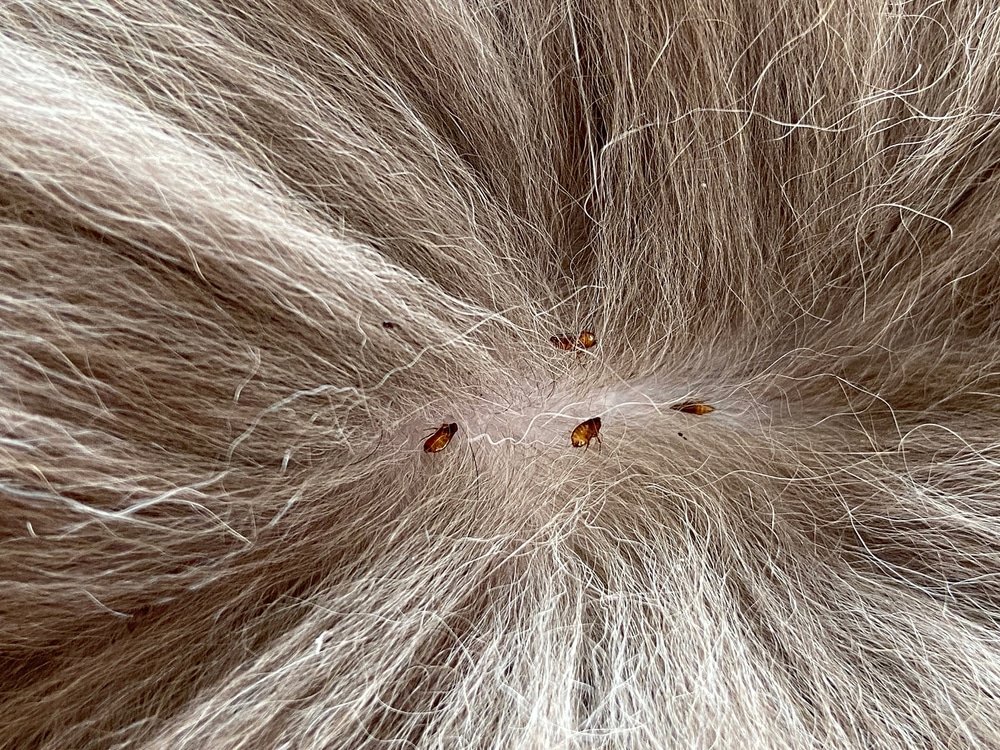
Have you ever noticed tiny, fast-moving bugs on your cat and wondered what they really look like? Identifying cat fleas quickly can save your furry friend from discomfort and prevent a bigger infestation in your home.
These little pests are tricky to spot because they are small and move fast. But once you know what to look for, you can protect your cat and your family more effectively. Keep reading to discover exactly what cat fleas look like and how to spot them before they cause trouble.

Credit: www.furrytail.com
Cat Flea Basics
Understanding the basics of cat fleas can help you identify and manage them effectively. These tiny pests can cause significant discomfort to your furry friends and even transmit diseases. Knowing their physical traits, size, and behavior is crucial for any cat owner.
Physical Characteristics
Cat fleas, scientifically known as Ctenocephalides felis, have distinct physical features. They possess a flat body that allows them to move effortlessly through your cat’s fur. With six long legs, they are designed for jumping, making them elusive to catch.
Size And Color
These pests are often smaller than you might expect. Typically, they measure around 1 to 3 millimeters in length. Their color ranges from reddish-brown to dark brown, blending well with your pet’s fur.
Movement And Behavior
Cat fleas are incredibly agile creatures. They are known for their jumping prowess, capable of leaping over 100 times their body length. This ability helps them quickly move from one host to another, making them hard to control.
Have you ever noticed your cat scratching more than usual? This could be a sign of fleas. Monitoring your pet’s behavior is key to catching flea infestations early.
Common Signs Of Flea Infestation
Fleas cause discomfort for cats and owners alike. Spotting an infestation early helps protect your pet’s health. Cats often show clear signs when fleas are present. Recognizing these signs can prevent serious skin problems and infections.
Visible Fleas On Fur
Fleas are tiny, dark brown insects. They move quickly through your cat’s fur. You might see small, fast-moving dots near the skin. Fleas are about 1-3 mm long, making them hard to spot. Check around the neck, tail base, and belly. These areas are common flea hotspots.
Flea Dirt Identification
Flea dirt looks like small black specks on your cat’s fur. It is actually flea feces made of digested blood. To confirm, place the specks on a wet paper towel. If the spots turn reddish-brown, it is flea dirt. This indicates active fleas feeding on your cat.
Cat Scratching And Biting
Frequent scratching or biting is a strong flea sign. Flea bites cause itching and irritation. Cats may scratch paws, neck, and tail areas. Constant scratching can lead to skin redness or sores. Watch for hair loss from intense grooming or biting.
Where Fleas Hide On Cats
Fleas are tiny, quick, and often hard to spot on your cat. Knowing where they like to hide makes it easier to find and remove them before they cause discomfort or spread disease. Fleas prefer warm, protected spots where your cat’s skin is thin and blood vessels are close to the surface.
Neck And Head Areas
The neck and head are favorite spots for fleas because your cat can’t easily reach these areas to scratch or groom. Fleas gather around the collar, behind the ears, and under the chin.
Have you ever noticed your cat scratching more near its ears or shaking its head? That might be a sign fleas are hiding there. Regularly check these spots for tiny black specks or flea dirt, which looks like small grains of pepper.
Under The Legs
Fleas often hide in the warm folds of skin under your cat’s legs. These areas provide shelter and easy access to blood.
Since your cat stretches and moves a lot, fleas here can stay hidden from view and reach. When you pet your cat, feel under the legs for small bumps or signs of irritation. This simple action helps catch fleas early.
Around The Tail
The base of the tail is another common flea hideout. Fleas are attracted to this spot because the skin is thin and blood flow is strong.
When grooming, your cat’s tail might twitch or it may bite at the base. These behaviors often indicate flea presence. Lift the tail gently and look closely for small, fast-moving insects or flea dirt.

Credit: moxieservices.com
Flea Life Cycle And Its Appearance
The flea life cycle has four stages: egg, larva, pupa, and adult. Each stage looks different and plays a role in flea growth. Understanding their appearance helps spot and control fleas on cats quickly.
Eggs And Larvae
Flea eggs are tiny and white. They are about 0.5 mm in size, often hard to see with the naked eye. Cats shed these eggs in their fur, bedding, or environment.
Eggs hatch into larvae in 2 to 12 days. Larvae look like small, worm-like creatures. They are pale and legless, about 2-5 mm long. They avoid light and feed on organic debris, including adult flea feces.
Pupae Stage
The pupae stage follows the larva. Larvae spin cocoons that protect them while they transform. Cocoons are sticky and often blend with dirt or carpet fibers. Pupae can stay in this stage from a few days to several months, waiting for the right moment to emerge as adults.
Adult Flea Features
- Size: 1.5 to 3.3 mm long
- Color: Reddish-brown
- Body: Flattened sideways for easy movement through fur
- Legs: Long and strong for jumping
- Head: Equipped with mouthparts for biting and sucking blood
Adult fleas are fast and agile. They feed on the blood of cats and other animals. Their small size and color make them hard to spot at first.
Comparing Fleas To Other Parasites
Cat fleas are tiny parasites that cause discomfort to pets. Many parasites share similar traits but differ in appearance and behavior. Comparing fleas to other parasites helps identify them correctly. This knowledge aids in proper treatment and prevention.
Fleas Vs. Ticks
Fleas are small, about 1-3 mm long, with a flat body. They are dark brown and can jump long distances. Fleas move quickly through fur and feed on blood.
Ticks are larger, about 3-5 mm or more, with a round, oval shape. They have eight legs, unlike fleas, which have six. Ticks attach firmly to the skin and stay in one place while feeding.
- Fleas jump; ticks crawl slowly.
- Fleas have a flat body; ticks are rounder.
- Ticks can swell when full of blood; fleas do not.
Fleas Vs. Lice
Lice are small insects, usually 2-4 mm long, with a more elongated body. They move slowly and cling tightly to hair shafts. Lice do not jump or fly.
Fleas are more agile and can jump from one host to another. Lice stay mostly on one host and spread through direct contact.
- Fleas jump; lice crawl only.
- Lice cling to hair; fleas move freely.
- Fleas feed on blood; lice feed on skin debris and blood.
Preventing And Managing Flea Infestations
Flea infestations can quickly turn into a nightmare for both you and your cat. Preventing and managing these tiny pests requires consistent effort and attention. You need to combine regular care, effective treatments, and a clean environment to keep fleas at bay.
Regular Grooming Tips
Grooming your cat often helps spot fleas before they multiply. Use a fine-toothed flea comb on your cat’s fur, especially around the neck and tail areas. Comb through the fur over a white sheet or paper to easily see any fleas or flea dirt.
Don’t just stop at combing—bath time with flea shampoos can be helpful, but make sure the product is safe for cats. Regular grooming also strengthens your bond with your pet, making it easier to check for pests frequently. Have you noticed how quickly fleas can hide in thick fur? That’s why daily checks are valuable.
Effective Flea Treatments
There are many treatments designed to kill fleas at different life stages. Spot-on treatments and oral medications are popular choices because they work from the inside out. Always consult your vet before starting any treatment to find the safest option for your cat.
Remember, some over-the-counter products can be harmful, especially if your cat has health issues or is very young. Using flea collars can add extra protection, but they should not replace other treatments. Treating all pets in the household together is crucial—if one cat is treated but others are not, the fleas will just come back.
Home Cleaning Strategies
Fleas can live in your home environment, so cleaning is just as important as treating your cat. Vacuum floors, carpets, and furniture regularly to remove flea eggs and larvae. Dispose of the vacuum bag or empty the canister outside immediately to prevent re-infestation.
Wash your cat’s bedding and any blankets in hot water every week. Consider using household sprays or foggers specifically designed to kill fleas in your living space. Do you keep up with cleaning routines that target flea hotspots in your home?

Credit: www.batzner.com
Frequently Asked Questions
What Size Are Cat Fleas Typically?
Cat fleas are tiny, about 1 to 3 millimeters long. They are hard to see without close inspection, resembling small dark brown or reddish insects.
How Can I Identify Cat Fleas On My Pet?
Look for small, fast-moving dark insects on your cat’s fur. Flea dirt, which looks like tiny black specks, is also a sign.
Do Cat Fleas Jump Or Crawl On Cats?
Cat fleas primarily jump to move between hosts. They are excellent jumpers and can leap several inches to reach your cat.
What Color Are Cat Fleas Usually?
Cat fleas are typically dark brown or reddish-brown. Their color helps them blend into your pet’s fur, making them harder to spot.
Conclusion
Cat fleas are tiny, dark brown, and very fast. They hide in your cat’s fur and bite often. You might see small black specks, which are flea dirt. Fleas cause itching and discomfort for your pet. Spotting these signs early helps keep your cat healthy.
Regular checks and cleaning can stop fleas from spreading. Knowing what cat fleas look like makes a big difference. Protect your cat with simple care and attention. Stay alert, and your pet will stay happy and flea-free.
