


Are you trying to decide whether to insure your dog or your cat but unsure which will cost you more? Understanding the real expenses behind pet insurance can save you from surprises later.
You might think one is always cheaper than the other, but the truth could change how you protect your furry friend. You’ll discover the key factors that affect insurance costs for dogs and cats, helping you make the best choice for your budget and your pet’s health.
Keep reading to find out which pet insurance might impact your wallet more—and why.

Credit: bowwowinsurance.com.au
Pet Insurance Basics
Understanding pet insurance basics is crucial before deciding whether it costs more to insure dogs or cats. Insurance helps protect your pet’s health and your wallet from unexpected veterinary bills. Knowing how it works and what it covers will guide you in making the best choice for your furry friend.
How Pet Insurance Works
Pet insurance is similar to health insurance for people. You pay a monthly or yearly premium, and in return, the insurer covers part of your pet’s medical costs. Usually, you pay the vet first and then submit a claim to get reimbursed.
Coverage often depends on the policy you choose. Some plans cover accidents only, while others include illnesses and routine care. It’s important to read the fine print to understand what’s included and what’s not.
Common Coverage Options
Most pet insurance plans offer these common coverage types:
- Accident-only coverage:Covers injuries from accidents like broken bones or poisoning.
- Illness coverage:Includes treatments for diseases such as cancer or infections.
- Wellness care:Covers routine check-ups, vaccinations, and dental cleanings.
- Hereditary and congenital conditions:Some plans cover inherited health issues, which are common in certain dog breeds.
Have you considered what types of care your pet may need most? Choosing the right coverage can save you money and stress when unexpected health problems arise.
Credit: www.preventivevet.com
Factors Affecting Dog Insurance Costs
Understanding what affects dog insurance costs helps pet owners make smart choices. Many factors play a role in setting the price of insurance for dogs. These factors reflect the risks and potential expenses insurers expect from different dogs.
Insurance companies assess each dog’s unique profile. This profile guides the monthly or yearly premiums pet owners pay. The following sections break down key elements that impact dog insurance costs.
Breed And Size Impact
Breed is one of the biggest factors in dog insurance costs. Some breeds are prone to specific health problems. For example, large breeds like German Shepherds may face joint issues. Smaller breeds like Dachshunds have risks like back problems. Breeds with known health risks often have higher premiums. Size also matters. Bigger dogs usually cost more to insure because treatments can be pricier.
Age And Health Considerations
Age affects insurance costs directly. Puppies often have lower premiums than older dogs. Older dogs may need more care, raising costs. Pre-existing health conditions can increase insurance rates. Dogs with good health records generally pay less. Regular vet visits and vaccinations help keep premiums down.
Lifestyle And Activity Level
A dog’s lifestyle influences insurance prices. Active dogs that run, hike, or play sports may face higher risks. Dogs living in busy urban areas might have more accidents. Indoor dogs with calm lives often cost less to insure. Owners should share lifestyle details to get accurate quotes.
Factors Influencing Cat Insurance Prices
Understanding what drives the cost of cat insurance can help you make smarter choices for your furry friend. Several key factors influence the price, from your cat’s breed to their lifestyle. Knowing these details can help you find the best coverage without overspending.
Breed Differences
Not all cats are created equal when it comes to insurance costs. Some breeds are prone to specific health issues, which can increase premiums. For example, Persian cats often face respiratory problems, while Siamese cats may have a higher risk of dental disease.
Insurance companies adjust prices based on these risks. If you own a breed with known health concerns, expect to pay more. Have you checked if your cat’s breed impacts their insurance rate?
Age And Medical History
The age of your cat plays a big role in insurance pricing. Younger cats usually cost less to insure because they tend to have fewer health problems. As your cat gets older, premiums often rise due to increased risks of illnesses and injuries.
Medical history also matters. Cats with past health issues may face higher premiums or exclusions. Keeping your cat healthy through regular vet visits can help keep insurance costs down.
Indoor Vs Outdoor Cats
Your cat’s lifestyle affects insurance costs more than you might think. Outdoor cats face more risks such as accidents, fights, and exposure to diseases. Insurers may charge higher rates for cats that spend a lot of time outside.
Indoor cats are generally safer and less likely to need expensive treatments. If your cat is mostly indoors, you might save money on insurance. Do you know how your cat’s habits influence their coverage cost?
Comparing Dog And Cat Insurance Costs
Understanding the cost differences between insuring dogs and cats can help you make smarter choices for your pet’s health coverage. Insurance premiums vary widely based on species, breed, and other factors. Let’s break down how these costs stack up and what influences them.
Average Premiums For Dogs
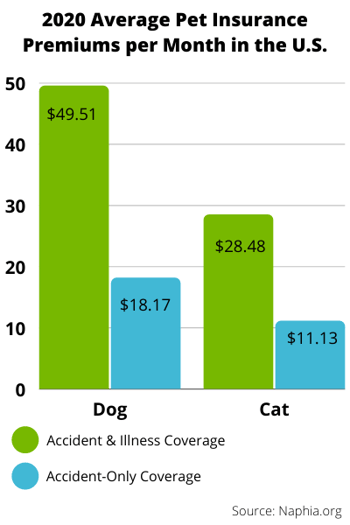
Dog insurance premiums tend to be higher than those for cats. This is because dogs generally face a wider range of health issues and injuries. Active breeds or larger dogs often come with steeper premiums due to their increased risk of accidents or chronic conditions.
For example, insuring a Labrador Retriever might cost between $40 to $70 per month, while smaller breeds like Chihuahuas often fall on the lower end of that range. Are you aware of your dog’s breed-specific health risks? That knowledge can help you anticipate insurance costs more accurately.
Average Premiums For Cats
Cat insurance usually comes with lower premiums compared to dogs. Cats tend to have fewer accidents and chronic diseases, which keeps costs down. On average, cat insurance premiums range from $15 to $40 per month.
However, certain breeds like Siamese or Bengal cats might have slightly higher rates due to genetic health concerns. If you have a mixed-breed cat, you might enjoy the benefit of lower premiums. Does your cat’s lifestyle—indoor vs. outdoor—affect their insurance needs? It certainly can.
Claims Frequency And Severity
Dogs generally have more frequent and severe insurance claims than cats. They are more prone to injuries like fractures, infections, and chronic conditions such as hip dysplasia. This higher claim rate pushes insurance companies to set higher premiums for dogs.
Cats, on the other hand, usually have fewer claims and less severe health issues. Their claims often involve routine illnesses or minor injuries. Knowing how often you might claim and the possible severity can help you decide if higher premiums are worth it for your pet’s peace of mind.
Additional Costs And Discounts
Understanding the additional costs and available discounts can help you save on your pet insurance while making sure your furry friend gets the best care. These factors often tip the scales when deciding if insuring a dog or a cat is more budget-friendly. Let’s break down what you should watch for beyond the basic premium.
Deductibles And Copayments
Deductibles are what you pay out of pocket before insurance kicks in. Choosing a higher deductible usually lowers your monthly premium, but means more upfront costs if your pet needs treatment.
Copayments are the portion of the vet bill you cover after the deductible. Some plans ask for a fixed amount, while others take a percentage.
Think about your pet’s health history. A dog with frequent vet visits might cost more in copays than a generally healthy cat. Which payment style fits your budget better?
Multi-pet Discounts
If you have more than one pet, insurers often reward you with multi-pet discounts. These can reduce your overall premium by 10% to 25%, depending on the company.
This discount is a great way to lower costs if you own both a dog and a cat. Some providers even offer better rates for insuring multiple dogs or multiple cats.
Are you missing out on savings by insuring pets separately? Combining policies could be a smart move for your wallet.
Preventive Care Add-ons
Preventive care add-ons cover routine services like vaccinations, flea control, and annual check-ups. Though these add-ons increase your premium, they can save you money by avoiding costly illnesses later.
Dogs often require more frequent preventive treatments than cats, which can affect the total insurance cost.
Consider whether your pet’s lifestyle needs these extras. Would paying a bit more monthly reduce unexpected vet bills and give you peace of mind?
Tips To Lower Pet Insurance Expenses
Lowering pet insurance costs helps keep your budget balanced. Simple steps can reduce monthly premiums and out-of-pocket expenses. Smart choices about plans and pet care make a big difference. Comparing offers ensures the best value for your money.
Choosing The Right Plan
Select a plan that fits your pet’s needs. Avoid paying for coverage you don’t need. Look for plans with reasonable deductibles and co-pays. Consider plans that cover routine care only if your budget allows. Check if the plan covers hereditary or chronic conditions.
Maintaining Pet Health
Healthy pets cost less to insure. Regular vet visits catch problems early. Feed your pet a balanced diet. Exercise keeps pets fit and lowers health risks. Keep vaccinations and preventive treatments up to date. Good health means fewer claims and lower premiums.
Shopping Around For Quotes
Compare prices from multiple insurance companies. Use online tools to get quick quotes. Check customer reviews for service quality. Ask about discounts for multiple pets or annual payments. Don’t settle for the first offer; explore your options.

Credit: www.youtube.com
Frequently Asked Questions
Which Pet Is Cheaper To Insure, Dogs Or Cats?
Cats generally cost less to insure than dogs. Their smaller size and fewer health issues reduce insurance premiums. Dogs may have higher rates due to breed-specific risks and larger medical expenses.
What Factors Affect Dog Insurance Costs?
Dog insurance costs vary by breed, age, size, and health. Larger or purebred dogs often have higher premiums. Pre-existing conditions and location also impact insurance prices.
Do Cats Require Less Veterinary Care Than Dogs?
Cats usually need fewer veterinary visits than dogs. They are less prone to injuries and some hereditary diseases, making their insurance more affordable.
How Does Pet Age Influence Insurance Premiums?
Older pets, both dogs and cats, often have higher insurance premiums. Age increases health risks, leading to more frequent claims and higher costs.
Conclusion
Choosing to insure a dog or a cat depends on many factors. Dogs often cost more due to breed and size risks. Cats usually have lower insurance rates but may still have health expenses. Knowing these differences helps you plan better for your pet’s care.
Insurance protects your pet and your wallet from surprise costs. Think about your pet’s needs and your budget carefully. This way, you can give your pet the best care without stress.
