

Are you tired of sneezing every time a cat crosses your path? If you’re a cat lover with allergies, you’re not alone.
Finding a furry friend that doesn’t trigger your allergies might seem impossible. But don’t worry, because there are cat breeds known for being hypoallergenic. Imagine having a pet you adore without the constant battle with tissues and allergy meds. Intrigued?
You’ll discover which cat breeds might just be the perfect match for you and your allergies. Let’s dive in and find the feline friend you’ve been dreaming of, one that lets you breathe easy and cuddle without a worry.
Causes Of Cat Allergies
Cat allergies affect many people worldwide. These allergies result from specific proteins cats produce. Understanding what causes these allergies helps manage symptoms better. Identifying the allergens is the first step toward relief.
Common Allergens In Cats
Cats produce several allergens that trigger allergic reactions. The main allergen is a protein called Fel d 1. It is found in cat saliva, skin, and urine. When cats groom, this protein spreads on their fur. Dander, tiny skin flakes, also carry these allergens. Cat hair itself is not an allergen but can collect dander and saliva. These allergens easily become airborne and stick to furniture and clothes.
How Allergens Affect People
Allergens enter the body through the nose, eyes, or lungs. The immune system mistakes these proteins for harmful invaders. It reacts by releasing chemicals like histamine. This causes common allergy symptoms:
- Sneezing
- Runny or stuffy nose
- Itchy, watery eyes
- Coughing or wheezing
- Skin rashes
Symptoms vary depending on the person’s sensitivity and exposure level. Some people may have mild reactions. Others may experience severe asthma attacks. Avoiding allergens or choosing hypoallergenic cat breeds can reduce symptoms.
Traits Of Hypoallergenic Cats
Hypoallergenic cats have special traits that reduce allergic reactions. These traits help people with sensitivities enjoy a cat’s company. Understanding these features can guide you to the right breed.
Low Shedding And Dander
Hypoallergenic cats often shed less hair. Less hair means fewer allergens spread around the home. Their skin produces less dander, the main cause of allergies. Dander is tiny skin flakes that stick to fur and surfaces. Cats with low dander levels trigger fewer allergic responses. Regular grooming also helps control shedding and dander build-up.
Unique Coat Types
Some hypoallergenic cats have special coats that trap allergens. These coats are often curly, short, or sparse. Curly fur holds dander close to the skin, reducing airborne allergens. Short or thin coats release fewer allergens into the environment. Some breeds have no undercoat, which lowers shedding. These unique coats make a big difference for allergy sufferers.
Top Hypoallergenic Cat Breeds
Hypoallergenic cats cause fewer allergic reactions than other cats. These breeds produce less of the allergen protein Fel d 1. This protein is mainly in cat saliva, skin, and fur. Choosing a hypoallergenic breed can help people with allergies enjoy a pet without constant sneezing or itching.
Here are some of the top hypoallergenic cat breeds that many allergy sufferers prefer. Each breed has unique traits and looks, but all share lower allergen levels.
Siberian
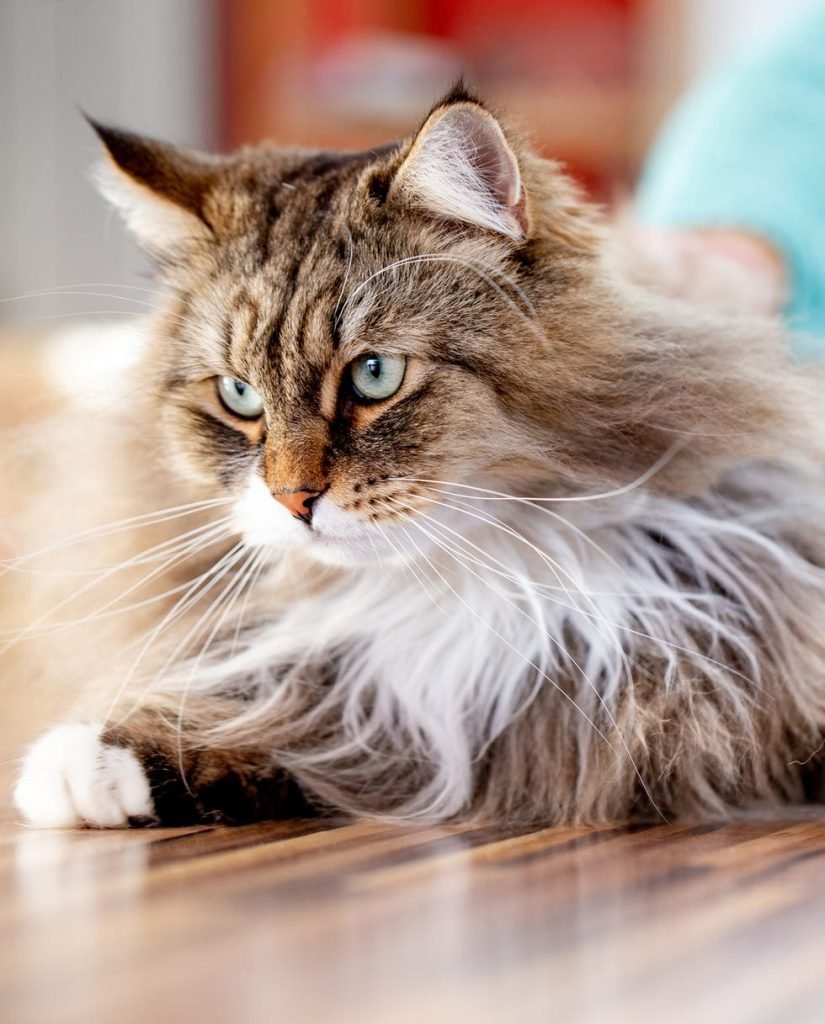
The Siberian cat has a thick, long coat but is still hypoallergenic. It produces less Fel d 1 protein than most cats. Siberians are playful and friendly, making great family pets. Their soft fur needs regular brushing to stay healthy.
Balinese
The Balinese is a long-haired cat with a silky coat. It is known as the “long-haired Siamese.” This breed produces fewer allergens and is gentle and smart. Balinese cats enjoy being active and social with their owners.
Russian Blue
Russian Blue cats have short, dense, silver-blue fur. Their coat traps allergens, reducing airborne particles. They are quiet, shy, and loyal pets. Russian Blues are easy to care for and clean.
Sphynx
The Sphynx cat has no fur, which lowers allergen spread. Their skin oils need regular baths to keep clean. Sphynx cats are curious, affectionate, and enjoy attention. Their unique look makes them stand out.
Devon Rex
Devon Rex cats have short, curly fur that sheds less. They produce lower allergen levels than many cats. Devon Rex cats are playful, energetic, and love human company. Their soft coats feel like velvet to touch.

Credit: www.thepioneerwoman.com
Caring For Allergy-friendly Cats
Caring for allergy-friendly cats means more than just choosing the right breed. It involves daily habits that help reduce allergens and keep your home comfortable. Small changes in grooming and cleaning routines can make a big difference for your health and your cat’s well-being.
Grooming Tips
Regular grooming helps control the spread of allergens. Brush your cat a few times a week to remove loose fur and dander. Use a damp cloth or pet-friendly wipes to gently clean their fur, which traps allergens.
Bathing your cat occasionally can reduce allergens, but not all cats tolerate baths well. If yours does, use a mild shampoo designed for cats. If not, try grooming gloves that collect hair and dander effectively.
Pay close attention to your cat’s face, especially around the eyes and mouth, where allergens often gather. Cleaning these areas regularly can reduce irritation for both you and your cat.
Home Cleaning Strategies
Allergens can settle in fabrics and on surfaces. Vacuum your floors and furniture frequently using a vacuum with a HEPA filter. This helps trap tiny particles that regular vacuums might miss.
Consider replacing heavy curtains with blinds or washable curtains to minimize allergen buildup. Wash your cat’s bedding and your own linens often to keep dander levels down.
- Use air purifiers with HEPA filters in common areas
- Wipe hard surfaces daily with a damp cloth
- Keep your cat out of bedrooms and off upholstered furniture if possible
Have you noticed how small changes in cleaning routines can lower allergy symptoms? Tracking what works best for you and your cat can improve your daily comfort over time.
Choosing The Right Cat For Allergies
Choosing the right cat for allergies means understanding how different breeds affect your health. Some cats produce fewer allergens, which might help reduce allergic reactions. Selecting a hypoallergenic breed is a smart step to enjoy feline companionship without constant sneezing or itching.
Testing Allergy Reactions
Spend time near the cat before adopting. Visit friends or shelters that have the breed you want. Notice if your eyes water or skin itches. Small exposure helps identify your tolerance level.
Try holding or petting the cat gently. See how your body reacts over a few minutes. Allergy symptoms may take time to appear, so be patient.
Adoption Considerations
Choose breeds known for lower allergen levels, such as Siberian or Balinese cats. Remember, no cat is 100% hypoallergenic.
Check the cat’s age and coat type. Younger cats often cause fewer allergies. Short-haired cats may shed less dander.
Prepare your home for a new pet. Regular cleaning and air filtering reduce allergens. Consider your lifestyle and how much care the cat needs.

Credit: shamelesspets.com

Credit: www.thepioneerwoman.com
Frequently Asked Questions
What Does Hypoallergenic Cat Breed Mean?
A hypoallergenic cat breed produces fewer allergens than typical cats. These cats are better for allergy sufferers. They reduce allergic reactions but may not eliminate them completely.
Which Cat Breeds Are Considered Hypoallergenic?
Common hypoallergenic cat breeds include the Siberian, Balinese, Sphynx, Russian Blue, and Devon Rex. These breeds produce fewer allergenic proteins, making them more suitable for sensitive individuals.
Can Hypoallergenic Cats Prevent All Allergies?
No, hypoallergenic cats lower allergen levels but don’t prevent all allergies. People with severe allergies may still react. Allergy management and regular cleaning help reduce symptoms further.
Are Hypoallergenic Cats Low Maintenance?
Hypoallergenic cats require regular grooming to reduce allergens. Some breeds like the Sphynx need skin care. Maintenance varies, but these cats need care similar to other breeds.
Conclusion
Choosing a hypoallergenic cat breed helps reduce allergy problems. Breeds like the Siberian, Balinese, and Sphynx often cause fewer reactions. Each cat has a unique personality and care needs. Spend time with a cat before adopting to test allergies. Remember, no cat is 100% allergy-free.
Good cleaning habits also lower allergen levels at home. Enjoy the companionship of cats without constant sneezing or itching. Finding the right breed brings comfort for both you and your pet. Happy cat hunting!
