

If you care about your cat’s health, you know how important their diet is. But did you know that the right wet cat food can play a big role in keeping your cat’s urinary system healthy?
Urinary problems can be painful and dangerous for cats, and you want to prevent that at all costs. You’ll discover how wet cat food helps protect your furry friend’s urinary health, what ingredients to look for, and how to choose the best options.
Keep reading to make sure your cat stays happy, comfortable, and healthy every day.

Credit: www.amazon.com
Benefits Of Wet Cat Food
Wet cat food offers several advantages that can directly support your cat’s urinary health. Its unique properties help manage hydration levels, provide essential nutrients in concentrated amounts, and appeal to even the pickiest eaters. Understanding these benefits can help you make better choices for your feline friend’s diet and well-being.
Hydration And Urinary Health
Wet cat food contains up to 80% moisture, which naturally increases your cat’s water intake without extra effort from you. Proper hydration helps dilute urine, reducing the risk of crystal formation and urinary tract infections. Have you noticed your cat drinking less water? Switching to wet food might be the simple change needed to keep their urinary system functioning smoothly.
Nutrient Density
Wet cat food packs essential nutrients in a smaller volume, making it easier for your cat to absorb what they need. This is especially important for cats with urinary issues, as certain nutrients like magnesium and phosphorus must be carefully balanced. Feeding nutrient-dense wet food ensures your cat gets the right mix to support urinary health without overeating.
Palatability For Cats
Cats often prefer the taste and texture of wet food, which can be crucial if they’re dealing with health challenges that affect appetite. If your cat refuses dry food or seems uninterested in eating, offering wet food can encourage better eating habits. Keeping your cat interested in their food ensures they receive consistent nutrition, which plays a key role in preventing urinary problems.

Credit: www.amazon.com
Common Urinary Issues In Cats
Urinary problems are common in cats and can cause discomfort. Recognizing symptoms early helps keep cats healthy. These issues often affect the bladder, kidneys, and urinary tract. Understanding the main urinary problems is key to prevention and care.
Urinary Tract Infections
Urinary tract infections (UTIs) occur when bacteria enter the urinary system. Cats with UTIs may urinate more often or strain to urinate. Blood in the urine and strong odor are signs to watch for. UTIs can cause pain and lead to serious problems if untreated.
Feline Lower Urinary Tract Disease
Feline Lower Urinary Tract Disease (FLUTD) includes many bladder and urethra issues. Symptoms include frequent urination, licking of the genital area, and blood in urine. Stress and diet often trigger FLUTD. This condition needs quick attention to avoid blockages.
Kidney Health Concerns
Kidneys filter waste from the blood and maintain fluid balance. Kidney disease is common in older cats and develops slowly. Signs include increased thirst, urination, and weight loss. Early detection and proper diet support kidney function and improve quality of life.
How Wet Food Supports Urinary Wellness
Wet cat food plays a crucial role in maintaining your cat’s urinary health. Unlike dry food, it naturally boosts hydration and supports a balanced urinary environment. Understanding how wet food benefits your feline friend can help you make smarter choices for their wellbeing.
Increased Water Intake
Cats often don’t drink enough water on their own. Wet food contains up to 80% moisture, which significantly raises your cat’s daily water intake without extra effort. This natural hydration helps dilute urine, reducing the risk of crystals and stones forming in the bladder.
I noticed my cat’s urinary issues improved when I switched to wet food. Her trips to the litter box became more frequent and comfortable, showing how hydration makes a real difference.
Balanced Mineral Content
Minerals like magnesium, calcium, and phosphorus affect urinary health. Wet cat food is carefully formulated to keep these minerals in check, preventing excesses that can lead to urinary problems. Choosing the right wet food can help maintain a healthy balance that supports your cat’s bladder function.
Have you checked the mineral content on your cat’s food label? It’s a simple step that can protect their urinary tract from unnecessary stress.
Promoting Healthy Urine Ph
Urine pH plays a key role in preventing urinary crystals. Wet food often helps maintain a slightly acidic urine pH, which discourages crystal formation. This balance is essential for cats prone to urinary tract issues.
Switching to wet food can be a proactive way to manage urine pH naturally. Would you consider this approach to support your cat’s long-term urinary health?
Choosing The Right Wet Cat Food
Choosing the right wet cat food plays a key role in maintaining urinary health. Cats with urinary issues need special care in their diet. Wet food can help by providing hydration and balanced nutrients. Selecting the right product means understanding what ingredients support urinary health and what to avoid.
Ingredients To Look For
Good wet cat food for urinary health should have:
- High moisture content to help flush the urinary tract
- Balanced levels of magnesium, phosphorus, and calcium to prevent crystals
- High-quality animal protein for easy digestion
- Added vitamins and minerals to support overall health
- Low carbohydrate content to reduce strain on kidneys
Avoiding Harmful Additives
Some additives can worsen urinary problems. Avoid foods with:
- Artificial colors and flavors that irritate the urinary tract
- Excessive salt, which can lead to dehydration
- Fillers like corn, wheat, or soy that offer little nutrition
- Preservatives that may cause allergic reactions
Consulting Your Veterinarian
Your vet knows your cat’s health history best. Consult them before changing diets. They can recommend foods suited to your cat’s urinary condition. Follow their advice for testing and diet adjustments. Regular check-ups help catch issues early and keep your cat healthy.
Feeding Tips For Optimal Urinary Health
Feeding your cat the right way supports strong urinary health. Proper feeding habits reduce risks of urinary problems and keep your cat comfortable. Small changes in how and what you feed can make a big difference.
Meal Frequency And Portions
Serve wet cat food in multiple small meals daily. Smaller portions encourage frequent urination, which helps flush the urinary tract. Avoid overfeeding to prevent obesity, which can worsen urinary issues. Regular meal times create a healthy routine for your cat.
Combining Wet And Dry Food
Mixing wet and dry food balances moisture and texture. Wet food adds hydration directly to your cat’s diet. Dry food keeps teeth clean and provides crunch. Use high-quality products with low magnesium and phosphorus to protect urinary health.
Monitoring Your Cat’s Hydration
Watch your cat’s water intake carefully. Cats often drink less than needed. Wet food boosts fluid intake, but fresh water must always be available. Check water bowls daily and refill with clean water. Consider a cat water fountain to encourage drinking.
Additional Lifestyle Changes
Improving your cat’s urinary health involves more than just choosing the right wet food. Small lifestyle changes can make a big difference in keeping your furry friend comfortable and healthy. These adjustments help support their bladder and reduce the risk of urinary problems.
Encouraging Play And Exercise
Active cats tend to have better overall health, including urinary function. Encourage your cat to play daily by using toys like feather wands or laser pointers. Even short bursts of activity can help stimulate their metabolism and promote healthy urine flow.
Have you noticed how your cat behaves after a good play session? Many cats drink more water afterward, which helps flush their urinary tract naturally. Try setting aside dedicated playtime and watch how their habits improve.
Regular Vet Checkups
Frequent vet visits are essential to catch urinary issues early. Your vet can perform simple urine tests to spot crystals or infections before they cause serious discomfort. These checkups also allow you to discuss diet and lifestyle tweaks tailored to your cat’s needs.
Don’t wait for symptoms like frequent urination or blood in the urine. Regular screenings can prevent painful conditions and save you costly treatments later. How often have you scheduled a vet visit this year?
Stress Reduction Techniques
Stress can trigger urinary problems in cats, so creating a calm environment is crucial. Provide quiet spaces where your cat can relax away from noise and other pets. Consider using pheromone diffusers or calming sprays to reduce anxiety.
Have you tried simple changes like adding a cozy bed near a window or playing soothing music? These small steps can lower stress hormones, which in turn supports bladder health. Your cat’s peace of mind is just as important as their diet.
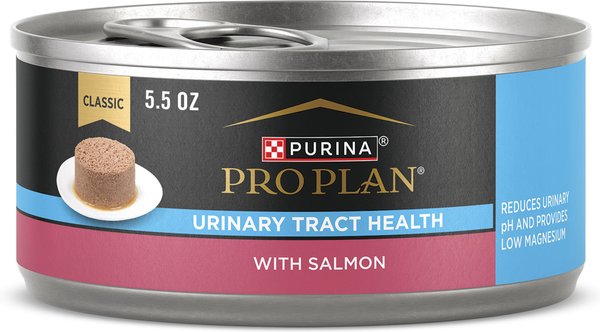
Credit: www.chewy.com
Frequently Asked Questions
How Does Wet Cat Food Support Urinary Health?
Wet cat food contains higher moisture, which helps dilute urine. This reduces the risk of urinary crystals and stones. It promotes better hydration, supporting a healthy urinary tract and preventing common urinary issues in cats.
Can Wet Cat Food Prevent Urinary Tract Infections?
Yes, wet cat food helps prevent urinary tract infections by increasing water intake. Proper hydration flushes out bacteria and reduces infection risk. It also helps maintain a balanced urinary pH, which discourages bacterial growth.
What Ingredients In Wet Cat Food Improve Urinary Health?
Wet cat foods with controlled magnesium, phosphorus, and calcium levels support urinary health. Ingredients like cranberries and antioxidants may also help reduce inflammation. Balanced nutrition helps maintain proper urine acidity and prevents crystal formation.
Is Wet Cat Food Better Than Dry For Urinary Issues?
Wet cat food is generally better for urinary health due to higher moisture content. Dry food contains less water, increasing dehydration risk and urinary problems. Cats eating wet food usually have healthier urine dilution and fewer urinary complications.
Conclusion
Choosing wet cat food that supports urinary health helps keep cats happy. Wet food adds moisture, which aids in preventing urinary problems. Cats often drink less water, so wet food is a good option. It also offers balanced nutrition tailored for urinary care.
Feeding the right food can reduce the risk of infections and stones. Pay attention to your cat’s needs and consult your vet regularly. Healthy cats live longer and feel better every day. Simple changes in diet make a big difference in urinary health.
Keep your cat’s well-being as a top priority always.
