

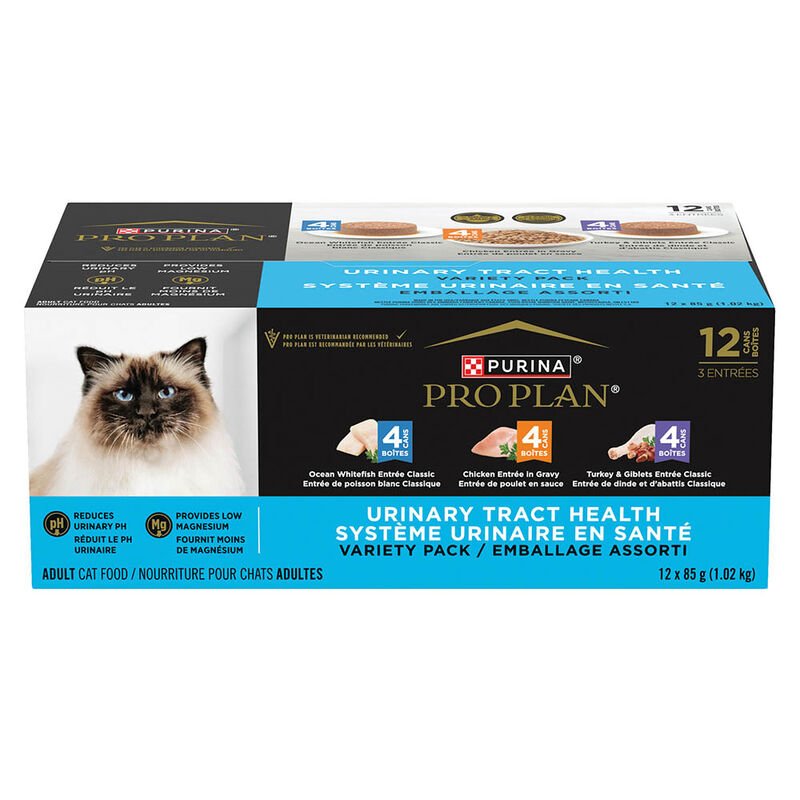
If you care deeply about your cat’s health, you know how important their urinary system is. Urinary problems can cause discomfort and serious health issues for your feline friend.
Choosing the right food can make a big difference, and wet cat food is often a top choice for supporting urinary health. You’ll discover why wet cat food can help keep your cat’s urinary tract healthy, what ingredients to look for, and how to make the best decisions for your pet’s well-being.
Keep reading to learn how you can protect your cat’s health with the right diet.
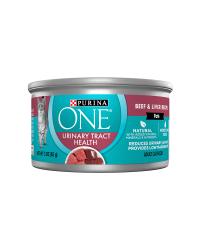
Credit: www.purina.com
Role Of Urinary Health In Cats
Maintaining your cat’s urinary health is crucial for their overall well-being. The urinary system helps remove waste and excess fluids from the body, keeping your feline friend comfortable and healthy. Ignoring urinary health issues can lead to serious complications, so understanding its role is essential for every cat owner.
Common Urinary Issues
Cats often face several urinary problems that can affect their quality of life. Some common issues include:
- Urinary Tract Infections (UTIs):Bacterial infections that cause pain and frequent urination.
- Feline Lower Urinary Tract Disease (FLUTD):A group of conditions causing inflammation, blockages, or discomfort in the urinary tract.
- Bladder Stones:Crystals or stones that form in the bladder, causing irritation and blockage.
- Urinary Blockages:Often caused by crystals or stones, these blockages can be life-threatening and require immediate attention.
Each of these issues can cause distress to your cat and sometimes require urgent care. Have you noticed your cat struggling to urinate or visiting the litter box more frequently?
Signs Of Urinary Problems
Recognizing the signs of urinary problems early can save your cat from severe discomfort. Watch for these symptoms:
- Frequent trips to the litter box with little urine produced
- Straining or vocalizing while urinating
- Blood in the urine or cloudy appearance
- Excessive licking of the genital area
- Sudden changes in litter box habits or urinating outside the box
- Signs of pain or discomfort, such as hiding or irritability
Paying close attention to these behaviors helps you act quickly. What small changes in your cat’s habits might indicate a bigger problem?
Benefits Of Wet Cat Food
Wet cat food offers many benefits, especially for cats with urinary health needs. It helps support their overall well-being by providing essential moisture and nutrients. Cats often drink less water, so wet food can help keep them hydrated naturally. This type of food is also easier to digest and more appealing to many cats.
Increased Hydration
Wet cat food contains up to 80% water. This extra moisture helps keep cats hydrated. Proper hydration supports healthy urine flow. It reduces the risk of urinary crystals and stones. Cats with urinary problems benefit from this natural water source. It also helps maintain kidney health and prevents dehydration.
Nutrient Absorption
Wet food is softer and easier to digest. This allows cats to absorb nutrients better. High-quality wet food contains essential vitamins and minerals. These nutrients support the urinary tract and bladder health. Better nutrient absorption means stronger immune defense. It helps cats recover from urinary issues faster.
Palatability And Appetite
Wet food tastes better to many cats. Its aroma and texture attract picky eaters. Cats with urinary problems may have a reduced appetite. Wet food encourages them to eat regularly. This ensures they get enough nutrients and fluids. A good appetite helps maintain a healthy weight and energy.
Key Ingredients For Urinary Health
Choosing the right wet cat food for urinary health means paying close attention to the ingredients that support your cat’s bladder and urinary tract. Certain elements in the food can help prevent common problems like urinary crystals and infections. Understanding these key ingredients helps you make smarter choices for your pet’s wellbeing.
Moisture Content
Wet cat food naturally contains high moisture, which is crucial for urinary health. Cats often don’t drink enough water, so extra moisture in their food helps keep their urine diluted. This reduces the risk of crystal formation and urinary blockages.
Look for wet foods with at least 75% moisture. If your cat prefers dry food, supplementing with wet food can improve hydration significantly. Have you noticed your cat drinking less water? Adding wet food might be the simple fix you need.
Controlled Mineral Levels
Minerals like magnesium, phosphorus, and calcium can contribute to urinary crystal formation if present in high amounts. Wet cat foods formulated for urinary health carefully control these minerals to keep them at safe levels.
Check labels for low magnesium content, as this mineral is often linked to struvite crystals. Balanced minerals also support overall kidney function. Your cat’s food should not only satisfy hunger but also actively protect their urinary tract.
Natural Ingredients And Additives
Ingredients like cranberries, omega-3 fatty acids, and antioxidants can promote urinary tract health naturally. Cranberries help prevent bacteria from sticking to the bladder walls, while omega-3s reduce inflammation.
Choose wet foods that avoid artificial preservatives and colors, as these can irritate sensitive urinary systems. Have you seen how a small change in ingredients can improve your cat’s comfort and health? Nature’s additives often hold the key to long-term urinary wellbeing.
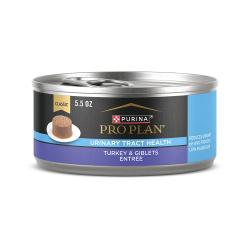
Credit: www.purina.com
Choosing The Right Wet Food
Choosing the right wet cat food is key to supporting urinary health. Cats with urinary issues need special care in their diet. Wet food can help by providing moisture and balanced nutrients. Not all wet foods work the same. Careful selection ensures your cat gets the best support.
Reading Labels
Always check the ingredients list carefully. Look for foods with controlled mineral levels. Minerals like magnesium and phosphorus affect urinary health. Foods low in these minerals help prevent crystals and stones. Moisture content is important too. Higher moisture keeps the urinary tract flushed.
- Check for low magnesium and phosphorus
- Ensure the food has at least 75% moisture
- Avoid artificial preservatives and colors
- Look for added ingredients that support urinary health, like cranberry extract
Consulting Your Veterinarian
Your vet knows your cat’s health history best. They can recommend foods suited for your cat’s specific urinary needs. Some cats may need prescription diets. Others may benefit from special wet foods with added nutrients. Follow your vet’s advice for safe and effective feeding. Regular check-ups help track your cat’s progress.
Tailoring To Your Cat’s Needs
Every cat is different. Age, weight, and health conditions affect food choice. Some cats prefer certain textures or flavors. Experiment with small amounts to find what your cat likes. Monitor how your cat reacts to new food. Watch for changes in urination and energy levels. Adjust the diet based on your observations and vet’s guidance.
Feeding Strategies For Urinary Wellness
Feeding your cat for urinary health requires smart choices and good habits. Proper feeding strategies help keep your cat’s urinary system strong. This section explains key ways to feed your cat for better urinary wellness.
Meal Frequency And Portions
Feed smaller meals several times a day instead of one large meal. This helps keep urine diluted and reduces the risk of crystals forming. Divide the daily food amount into 3 to 4 portions. Avoid overfeeding to prevent obesity, which can affect urinary health. Consistent meal times support good digestion and hydration.
Combining Wet And Dry Food
Wet food contains more moisture, which helps flush the urinary tract. Mixing wet and dry food can balance hydration and dental health. Offer wet food at least once a day. Dry food can be given in moderation to keep teeth clean. Choose high-quality foods designed for urinary health when possible.
Encouraging Water Intake
Water is essential for flushing toxins and preventing urinary problems. Use multiple water bowls around your home to encourage drinking. Try a cat water fountain to make water more appealing. Add water or broth to wet food to boost moisture intake. Keep fresh water available at all times.
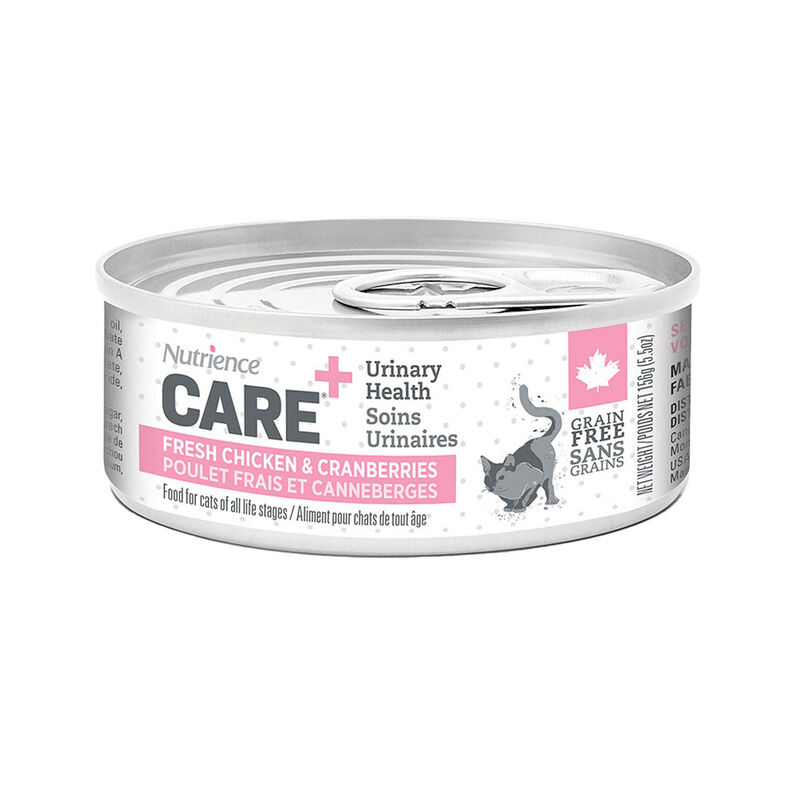
Credit: www.renspets.com
Monitoring And Adjusting Diet
Monitoring and adjusting your cat’s diet is key to supporting urinary health. Changes in diet can impact urine pH and overall bladder condition. Careful observation ensures the diet meets your cat’s needs.
Regular checks help catch issues early and guide diet adjustments. This process keeps your cat comfortable and reduces urinary problems.
Tracking Urinary Health
Keep an eye on your cat’s litter box habits daily. Note the frequency and amount of urination. Observe the color and smell of the urine. These details give clues about urinary health.
- Monitor water intake to ensure proper hydration.
- Track any changes in appetite or weight.
- Record any signs of discomfort during urination.
Signs To Watch For
Look for signs that may indicate urinary trouble. Straining or crying while urinating is a red flag. Blood in the urine signals an urgent problem. Frequent trips to the litter box with little output need attention.
- Excessive licking of the genital area
- Sudden accidents outside the litter box
- Lethargy or loss of appetite
When To Seek Veterinary Advice
Consult your vet if you notice any troubling signs. Immediate help is necessary for bleeding or painful urination. Persistent changes in urination habits also require veterinary care. Early intervention can prevent serious complications.
Regular vet visits help tailor diet plans. They ensure your cat’s urinary health stays on track.
Frequently Asked Questions
What Are The Benefits Of Wet Cat Food For Urinary Health?
Wet cat food increases water intake, helping dilute urine and reduce urinary tract issues. It supports bladder health and prevents crystal formation, promoting overall urinary wellness in cats.
How Does Wet Cat Food Prevent Urinary Tract Infections?
Wet cat food keeps cats hydrated, which flushes out bacteria from the urinary tract. This reduces infection risk and promotes a healthier urinary system.
Can Wet Cat Food Help Cats With Urinary Crystals?
Yes, wet cat food helps dissolve urinary crystals by increasing moisture intake. It lowers urine concentration, reducing crystal formation and supporting bladder health.
Is Wet Cat Food Better Than Dry For Cat Urinary Health?
Wet food contains more moisture than dry, aiding hydration and urinary health. It is often recommended by vets to prevent urinary problems in cats.
Conclusion
Choosing wet cat food helps support your cat’s urinary health. It provides extra moisture, which keeps the urinary tract clear. Cats often do not drink enough water, so wet food fills that gap. This can reduce the risk of urinary problems and discomfort.
Always check labels for ingredients that promote urinary health. Regular vet visits also help catch issues early. Feeding your cat wet food is a simple way to care for their well-being. Healthy cats mean happy homes. Small changes make a big difference.
