


If you care about your cat’s health, you probably know how important their teeth are. But did you know that not all pet dental products are created equal?
The Veterinary Oral Health Council (VOHC) is here to help you make the best choices for your feline friend’s oral care. You’ll discover what the VOHC seal means, why it matters, and how it can make a real difference in keeping your cat’s mouth healthy and pain-free.
Keep reading to learn how to protect your cat’s smile with trusted, proven products.
Role Of The Veterinary Oral Health Council
The Veterinary Oral Health Council (VOHC) plays a crucial role in protecting your cat’s dental health by setting trustworthy standards for dental products. Understanding what VOHC does can help you make smarter choices when picking treats, chews, or toothpaste designed to keep your cat’s mouth healthy.
Mission And Goals
The VOHC aims to improve oral health in pets by promoting products that effectively reduce plaque and tartar. Their goal is simple: give pet owners like you confidence in the dental products you use on your cat. They want to ensure these products actually work, so your feline friend stays comfortable and free from painful dental issues.
Standards For Dental Products
Not every dental product on the market lives up to its claims. VOHC sets strict standards that products must meet to earn their seal of approval. This means the product has been tested and proven to reduce plaque and tartar in controlled studies. When you see the VOHC seal, you know the product has passed specific criteria related to safety and effectiveness.
Approval Process
To get VOHC approval, manufacturers must submit detailed evidence from scientific studies. These studies include clinical trials where the product’s impact on pets’ oral health is measured. VOHC experts review the data carefully before granting approval. This process ensures that only products with real benefits for your cat’s teeth carry the VOHC seal.
Next time you shop for your cat’s dental care, ask yourself: Does this product have the VOHC seal? Choosing products backed by VOHC can make a big difference in preventing dental disease. Isn’t your cat’s smile worth that extra bit of assurance?
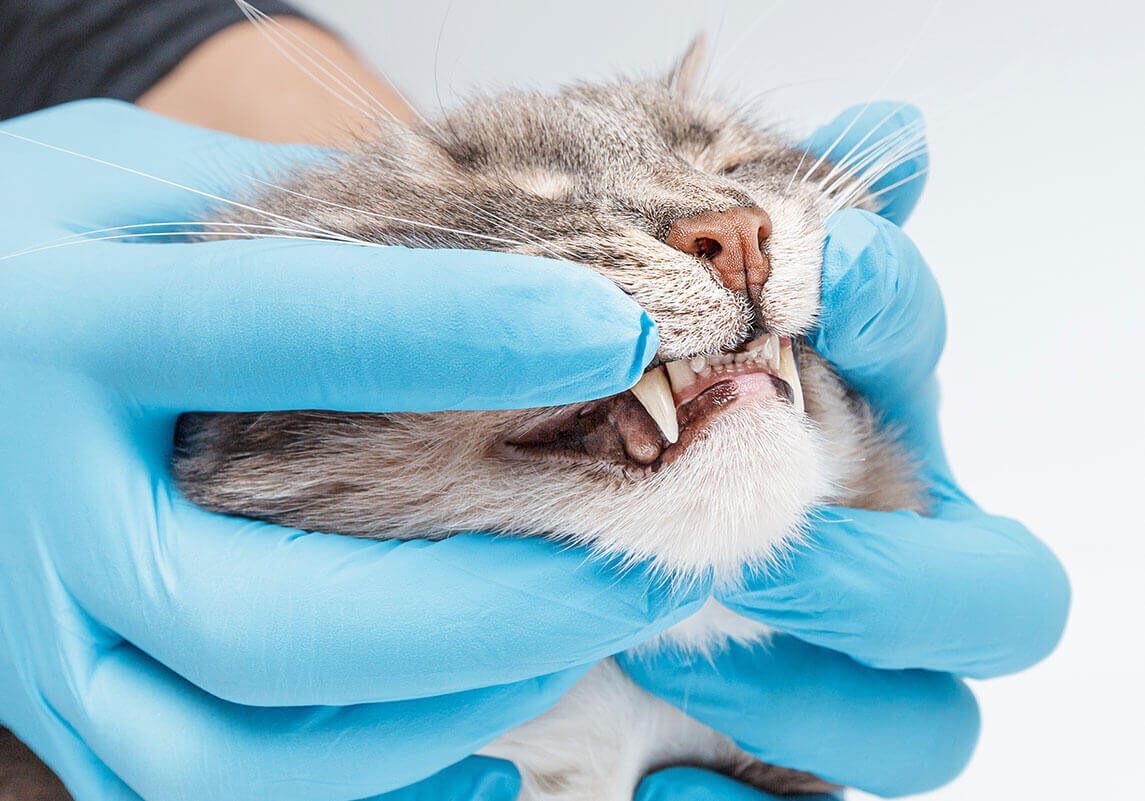
Credit: cornerstonevetclinic.com
Common Dental Issues In Cats
Dental health is a crucial part of your cat’s overall well-being. Many cat owners overlook this until their furry friend shows signs of discomfort. Understanding common dental issues can help you spot problems early and keep your cat’s mouth healthy.
Periodontal Disease
Periodontal disease is one of the most frequent dental problems in cats. It starts with plaque buildup on the teeth, which hardens into tartar if not removed.
This disease affects the gums and the structures supporting the teeth, causing pain and even tooth loss. You might notice bad breath or your cat pawing at its mouth. Regular dental check-ups and cleanings can prevent this condition from worsening.
Tooth Resorption
Tooth resorption is a painful condition where the tooth structure breaks down and is absorbed by the body. Many cats develop this condition, and it often goes unnoticed until the tooth becomes sensitive or damaged.
Your cat might stop eating or show discomfort while chewing. A vet can diagnose tooth resorption during an oral exam and recommend extractions if necessary. Early detection can save your cat from unnecessary pain.
Gingivitis
Gingivitis is inflammation of the gums caused by bacterial infection. It often appears as red, swollen gums that may bleed when touched.
If left untreated, gingivitis can progress to more serious dental diseases. You can help prevent gingivitis by brushing your cat’s teeth regularly and providing dental treats or toys designed to reduce plaque.
Signs Of Dental Problems In Cats
Dental problems in cats can cause pain and affect their overall health. Early signs often go unnoticed. Watching for changes helps catch issues fast. Cats hide discomfort well. Knowing the signs can protect your cat’s smile and health.
Bad Breath
Bad breath is a common sign of dental problems in cats. It means bacteria build up in the mouth. Healthy cats usually have mild, fresh breath. Strong, foul odors suggest infection or decay. Check your cat’s breath regularly to spot changes.
Drooling And Pawing At Mouth
Excessive drooling may indicate mouth pain or irritation. Cats may paw at their mouth to ease discomfort. This behavior shows they feel something wrong. Look for swelling or redness around the gums too. These signs need a vet’s attention quickly.
Difficulty Eating
Cats with dental issues may eat less or drop food. They might chew on one side or avoid hard food. This behavior shows pain while chewing. Weight loss and reluctance to eat are warning signals. Monitor eating habits closely for sudden changes.

Credit: www.tribecavetdentistry.com
Benefits Of Vohc-approved Products
Choosing products approved by the Veterinary Oral Health Council (VOHC) can make a real difference in your cat’s dental care routine. These products are tested and proven to help reduce plaque and tartar build-up, which keeps your furry friend’s mouth healthier. Let’s look at why VOHC-approved items stand out and how they benefit your cat’s oral health.
Effective Plaque Control
VOHC-approved products are specifically designed to control plaque, the sticky film that forms on your cat’s teeth. This plaque can harden into tartar if not managed, leading to gum disease and tooth loss.
Using these products regularly helps keep plaque levels low, meaning fewer dental problems for your cat. Have you noticed how a simple chew or dental treat can make a big difference in your cat’s breath and comfort?
Safe Ingredients
Safety matters when it comes to your cat’s health. VOHC-approved products contain ingredients that are gentle yet effective, ensuring they won’t harm your cat’s digestive system or cause allergies.
This means you don’t have to worry about harsh chemicals or additives when choosing these dental care products. Would you feel more comfortable knowing every item you use on your cat is tested for safety?
Veterinarian Recommended
Veterinarians trust VOHC-approved products because of the strict testing and standards involved. When your vet recommends a dental chew or toothpaste with the VOHC seal, you know it’s backed by scientific evidence.
Using these recommended products can improve your cat’s dental health and reduce vet visits for oral issues. Isn’t it reassuring to follow advice that’s been vetted by professionals who care about your cat’s wellbeing?
Daily Dental Care For Cats
Keeping your cat’s teeth clean every day is one of the best ways to prevent dental problems. Regular care helps avoid plaque buildup and keeps their breath fresh. You might wonder how to start or what products work best—let’s break it down into simple steps you can follow easily.
Brushing Techniques
Start by choosing a quiet spot where your cat feels safe. Gently lift their lip and use a soft-bristled toothbrush designed for cats. Brush in small circles, focusing on the gum line where plaque tends to build up.
Keep sessions short and positive. If your cat resists, try brushing just a few teeth at a time and gradually increase. Have you noticed your cat’s favorite position for brushing? Use that to your advantage.
Choosing The Right Toothpaste
Never use human toothpaste on your cat—it contains ingredients that can be harmful if swallowed. Instead, pick a toothpaste specifically made for cats, often flavored with poultry or seafood to make it more appealing.
Test a small amount first to see if your cat likes the taste. Some cats prefer gels or powders over traditional toothpaste. What flavor do you think your cat would enjoy most?
Diet And Dental Health
Your cat’s diet plays a big role in their oral health. Dry kibble can help reduce plaque by gently scraping teeth during chewing. However, it’s not a substitute for brushing.
Special dental diets and treats approved by the Veterinary Oral Health Council (VOHC) can also support clean teeth. Look for products with the VOHC seal—they’ve been tested and proven effective. Have you checked if your cat’s food supports their dental health?
Professional Dental Treatments
Professional dental treatments keep your cat’s mouth healthy and pain-free. These treatments help prevent serious problems. They also improve your cat’s overall well-being. Regular visits to the vet ensure early detection of oral issues. The Veterinary Oral Health Council (VOHC) supports these treatments to maintain dental health in cats.
Routine Cleanings
Routine cleanings remove plaque and tartar buildup. Vets use special tools to clean above and below the gum line. This stops bacteria from causing infections or gum disease. Cleanings also help prevent bad breath and tooth decay. Most cats need cleanings once or twice a year. The procedure usually involves gentle scaling and polishing of teeth.
Dental Extractions
Extraction removes damaged or infected teeth. Some teeth may be too weak or painful to save. Removing these teeth stops infection from spreading. Vets carefully evaluate which teeth need extraction. The process helps your cat eat comfortably again. After extraction, vets provide care instructions to speed healing.
Anesthesia Considerations
Professional dental treatments often require anesthesia. Anesthesia keeps cats calm and still during procedures. Vets monitor vital signs to ensure safety throughout treatment. They adjust anesthesia based on your cat’s health and age. Proper anesthesia makes dental work pain-free and less stressful. Your vet discusses risks and benefits before treatment.
Tips For Maintaining Feline Oral Health
Maintaining your cat’s oral health is crucial for their overall well-being. Poor dental care can lead to pain, infections, and other health problems. Simple daily habits and regular care can keep your feline friend’s teeth strong and gums healthy.
Regular Vet Checkups
Schedule dental exams during your cat’s routine vet visits. Vets check for signs of gum disease, tooth decay, and oral infections. Early detection helps prevent serious issues. Professional cleanings may be recommended to remove plaque and tartar buildup. These visits ensure your cat’s mouth stays healthy and pain-free.
Use Of Dental Treats
Dental treats help reduce plaque on teeth. They have special textures that clean teeth while your cat chews. Choose treats approved by the Veterinary Oral Health Council (VOHC). These treats offer safe, effective dental care. Always follow feeding instructions to avoid overfeeding and maintain a balanced diet.
Environmental Enrichment
Provide toys that promote chewing and oral activity. Chewing helps remove plaque naturally and keeps teeth strong. Offer a variety of safe, cat-friendly toys daily. Rotate toys to keep your cat interested and active. Enrichment supports both dental health and mental stimulation.

Credit: pet-supermarket.co.uk
Frequently Asked Questions
What Is The Veterinary Oral Health Council For Cats?
The Veterinary Oral Health Council (VOHC) certifies pet dental products. It ensures products meet strict standards to reduce plaque and tartar on cats’ teeth effectively.
Why Choose Vohc-approved Dental Products For Cats?
VOHC-approved products have proven effectiveness in controlling oral health issues. They help maintain cats’ dental hygiene, reduce bad breath, and prevent dental diseases.
How Does Vohc Benefit My Cat’s Oral Health?
VOHC promotes safer, effective dental care products. Using these products improves cats’ teeth cleanliness, reduces dental problems, and supports overall health and well-being.
Can Vohc Certification Prevent Cat Dental Diseases?
Yes, VOHC-certified products help reduce plaque and tartar buildup. This lowers the risk of gingivitis, periodontal disease, and other oral health problems in cats.
Conclusion
Cats need good oral health for a happy, healthy life. The Veterinary Oral Health Council helps find safe, effective dental products. Choose products with the VOHC seal for best care. Regular brushing and check-ups keep your cat’s teeth strong. Healthy teeth mean better eating and less pain.
Take small steps today for your cat’s smile. Simple care makes a big difference in the long run. Keep your cat’s mouth clean and fresh every day. Good oral health supports your cat’s overall well-being.
