

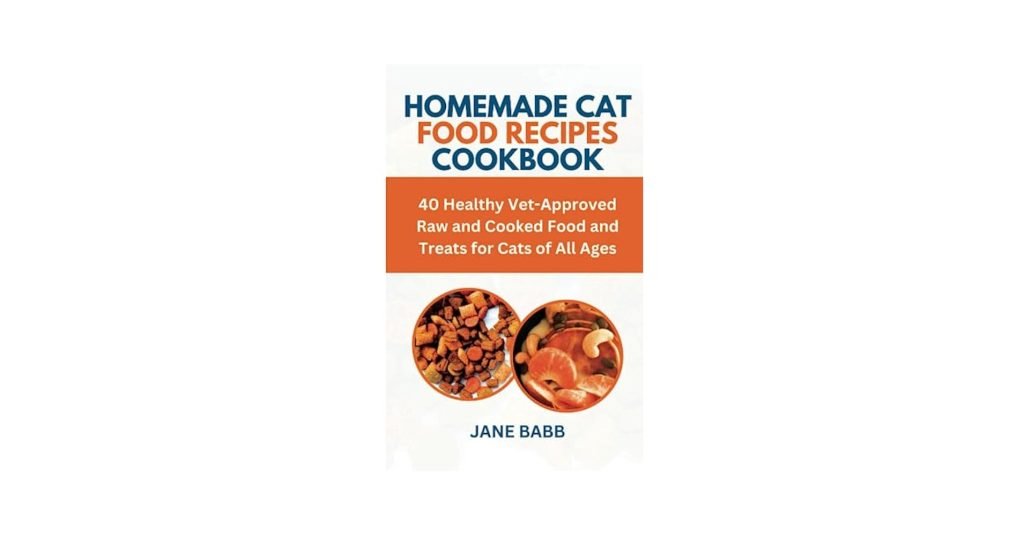
Are you worried about what goes into your cat’s bowl every day? You want the best for your furry friend, but store-bought food can be confusing and full of ingredients you don’t recognize.
What if you could make your own cat food at home—recipes that are safe, healthy, and approved by vets? Imagine knowing exactly what your cat is eating and seeing them thrive with every meal. Keep reading, because we’re about to share simple, vet-approved homemade cat food recipes that will make you feel confident and your cat feel loved.
Benefits Of Homemade Cat Food
Choosing homemade cat food can transform your pet’s health and happiness. You gain full control over what goes into their meals, ensuring they get exactly what they need. This approach can avoid unnecessary fillers and harmful ingredients often found in commercial cat food.
Nutritional Control
When you prepare your cat’s food at home, you decide the quality and quantity of each ingredient. This means you can balance proteins, fats, and vitamins to meet your cat’s unique needs. Have you noticed how some cats thrive on a diet rich in meat while others need a bit more fiber? Homemade meals let you tailor the nutrition precisely.
Avoiding Harmful Additives
Many commercial cat foods contain preservatives, artificial colors, and flavor enhancers that may harm your cat over time. By making food at home, you eliminate these chemicals completely. Your cat eats fresh, wholesome ingredients without hidden additives that could trigger allergies or digestive issues.
Catering To Specific Dietary Needs
Your cat might have allergies, sensitivities, or health conditions that require special diets. Homemade recipes let you exclude problematic ingredients like grains or dairy easily. You can also add supplements or special nutrients recommended by your vet, making each meal a perfect fit for your cat’s health challenges.
Essential Nutrients For Cats
Your cat’s health depends heavily on the nutrients you provide through their food. Cats have unique dietary needs that differ from many other pets. Understanding these essential nutrients can help you create homemade meals that truly support your cat’s wellbeing.
Proteins And Amino Acids
Cats are obligate carnivores, meaning protein is their top priority. They need high-quality animal proteins because these contain essential amino acids like taurine, which cats cannot produce on their own.
Without enough taurine, cats can develop serious health problems such as heart disease or vision loss. Chicken, turkey, and fish are excellent protein sources you can add to homemade recipes.
Ask yourself: Are you including enough variety to meet your cat’s amino acid needs daily?
Fats And Fatty Acids
Fats provide energy and help absorb fat-soluble vitamins. Essential fatty acids like omega-3 and omega-6 support skin health, coat shine, and brain function.
Including sources like fish oil or flaxseed oil in your recipes can make a noticeable difference in your cat’s appearance and mood. Just be cautious about the right balance to avoid digestive issues.
Have you noticed changes in your cat’s coat or energy levels when adjusting fat content?
Vitamins And Minerals
Vitamins and minerals keep your cat’s immune system strong and bones healthy. Key nutrients include vitamin A, calcium, phosphorus, and potassium.
Adding organ meats like liver ensures vitamins are present naturally, while ground eggshells can safely boost calcium levels. Be mindful that too much or too little of these can cause imbalances.
Are you tracking the vitamin and mineral content in your homemade meals to avoid deficiencies or toxicities?
Safe Ingredients For Cats
Choosing safe ingredients is vital for homemade cat food recipes. Cats need nutrients that support their health and energy. Using the right ingredients helps avoid health risks and food allergies. Fresh, natural foods often work best for a cat’s diet.
Meat And Fish Options
Meat and fish provide essential protein for cats. Good choices include:
- Chicken (cooked, skin removed)
- Turkey (lean cuts, cooked)
- Beef (lean, cooked)
- Salmon (cooked, boneless)
- Tuna (in moderation, cooked)
Always cook meat and fish thoroughly. Avoid raw meat to prevent bacteria and parasites.
Vegetables And Fruits To Include
Some vegetables and fruits add fiber and vitamins. Cats do not need many plants, but small amounts help digestion.
- Carrots (cooked and chopped)
- Pumpkin (plain, cooked)
- Peas (cooked)
- Blueberries (fresh, small amounts)
- Apple (peeled, no seeds)
Serve veggies and fruits in small quantities. Avoid giving too much as cats are mainly carnivores.
Ingredients To Avoid
Some foods are toxic and must never be fed to cats:
- Onions and garlic (cause anemia)
- Chocolate (toxic to cats)
- Grapes and raisins (can cause kidney failure)
- Alcohol and caffeine (dangerous toxins)
- Raw eggs and raw fish (risk of bacteria)
Always check ingredients before feeding your cat homemade food. Safety first to keep your cat healthy.
Credit: medium.com
Basic Cooking Tips
Preparing homemade cat food is rewarding and healthy. Simple cooking habits keep meals safe and tasty for your feline friend. These basic tips ensure every dish is nutritious and clean.
Proper Food Preparation
Use fresh, high-quality ingredients only. Wash your hands before handling any food. Cut meat and vegetables into small, even pieces. Cook meat thoroughly to kill harmful bacteria. Avoid using salt, onions, garlic, or spices. Measure ingredients to keep balanced nutrition.
Avoiding Contamination
- Clean all utensils and surfaces before cooking.
- Use separate cutting boards for meat and vegetables.
- Never reuse marinades or raw juices in cooked food.
- Keep raw food away from cooked or ready-to-eat items.
- Wash hands frequently during preparation.
Storage And Shelf Life
Store homemade cat food in airtight containers. Refrigerate meals and use within 3 days. Freeze portions for longer storage, up to 2 weeks. Thaw food in the fridge, not at room temperature. Always check food for spoilage before serving.
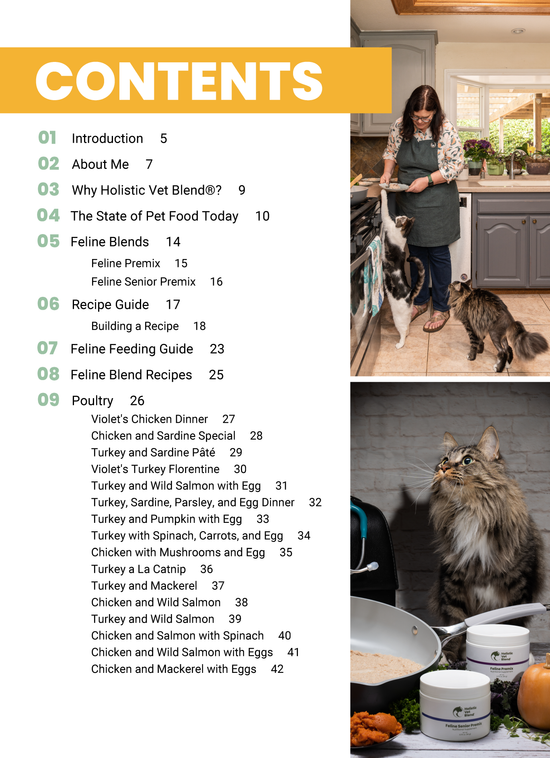
Vet Approved Cat Food Recipes
Vet approved cat food recipes offer safe and healthy options for your feline friend. These recipes use natural ingredients that support your cat’s health and energy. Each dish balances protein, vitamins, and minerals essential for cats.
Preparing homemade food allows control over what your cat eats. It ensures fresh, high-quality meals free from artificial additives. These recipes have been reviewed by veterinarians to meet nutritional needs.
Chicken And Rice Delight
- Cook boneless chicken breast until fully done.
- Boil white rice until soft and fluffy.
- Mix chicken and rice in a 2:1 ratio.
- Add a small amount of cooked carrots for fiber.
- Let cool before serving to your cat.
Salmon And Pumpkin Mix
- Grill or bake fresh salmon without seasoning.
- Steam pumpkin until tender and mash it.
- Combine salmon and pumpkin in equal parts.
- Include a pinch of taurine supplement for heart health.
- Serve at room temperature for best taste.
Turkey And Sweet Potato Bowl
- Cook ground turkey until no longer pink.
- Boil or steam sweet potatoes and mash well.
- Mix turkey with sweet potato in a 3:2 ratio.
- Stir in a teaspoon of olive oil for healthy fats.
- Ensure the meal is cool before feeding your cat.
Beef And Spinach Medley
- Brown lean ground beef thoroughly without seasoning.
- Lightly steam spinach and chop finely.
- Combine beef and spinach with a small amount of cooked quinoa.
- Add a few drops of fish oil for omega-3 benefits.
- Serve once the mixture has cooled down.
Credit: holisticvetblend.com
Transitioning To Homemade Food
Switching your cat to homemade food can feel like a big step, but it’s worth the effort to provide fresh, wholesome meals. Cats have sensitive digestive systems, so making the change carefully helps avoid upset stomachs and food refusal. Your goal is to make the transition smooth and stress-free for both you and your furry friend.
Gradual Change Process
Start by mixing a small amount of homemade food with your cat’s current diet. A good rule is to begin with 25% homemade food and 75% regular food. Over the next 7 to 10 days, slowly increase the homemade portion while decreasing the old food.
This slow change helps your cat’s digestive system adjust without shock. If your cat refuses the food, try mixing in a bit of warm water or broth to make it more appealing. Patience during this phase is key; rushing can lead to refusal or digestive upset.
Monitoring Cat’s Reaction
Keep a close eye on your cat’s behavior and digestion as you switch foods. Watch for signs like vomiting, diarrhea, or constipation, which could indicate intolerance or allergies. Also, observe changes in energy levels and coat condition to ensure your cat is thriving.
Jotting down daily notes can help you spot patterns or problems early. Ask yourself: Is my cat eating eagerly? Are they playful or lethargic? These clues help you decide if the homemade recipe suits your cat’s needs.
Adjusting Portions And Ingredients
Every cat’s nutritional needs are unique. If your cat seems hungry or gains weight, adjust portion sizes accordingly. You might need to tweak the balance of protein, fats, and carbs based on their activity level and age.
Don’t hesitate to swap ingredients if your cat dislikes or reacts poorly to something. For example, if chicken causes sensitivity, try turkey or fish instead. Consulting your vet during this process ensures your homemade meals stay balanced and safe.
Common Mistakes To Avoid
Making homemade cat food can be rewarding, but it’s easy to slip up if you’re not careful. Avoiding common mistakes ensures your cat stays healthy and happy. Let’s look at some pitfalls that many pet owners face and how you can steer clear of them.
Overfeeding Or Underfeeding
It’s tempting to give your cat extra servings, especially when they seem hungry or beg for more. But overfeeding can lead to obesity, which causes health issues like diabetes and joint problems. On the other hand, underfeeding might leave your cat nutrient-deficient and weak.
Pay attention to your cat’s ideal weight and activity level. Use a kitchen scale to measure portions accurately. Have you checked your cat’s body condition score recently to see if their weight is just right?
Using Toxic Ingredients
Some human foods are harmful or even deadly to cats. Ingredients like onions, garlic, grapes, chocolate, and certain artificial sweeteners must never be added to their meals. Even small amounts can cause serious health problems.
Double-check every ingredient before mixing it into your recipe. It’s easy to overlook seasoning or additives that might be toxic. Do you know which everyday foods should never cross your cat’s plate?
Ignoring Vet Guidance
Your veterinarian is the best resource when creating homemade recipes. Ignoring their advice can result in unbalanced meals lacking essential vitamins and minerals. Cats have very specific dietary needs that differ from dogs or humans.
Discuss your recipes and feeding plans with your vet regularly. They can recommend supplements or adjustments based on your cat’s health status. Have you consulted your vet about your homemade cat food plan yet?
When To Consult Your Vet
Preparing homemade cat food can be rewarding and healthy. Still, some situations require a vet’s advice. Knowing when to talk to a vet helps keep your cat safe. It ensures the food you make meets your cat’s needs perfectly.
Health Concerns
Consult a vet if your cat shows signs of illness. Symptoms like vomiting, diarrhea, or weight loss need attention. Chronic problems may require diet adjustments. A vet can check for allergies or digestive issues. Homemade food should not worsen health problems.
Special Dietary Needs
Cats with special needs need tailored nutrition. Examples include kittens, seniors, or pregnant cats. Cats with kidney, liver, or heart disease also need special diets. A vet can recommend safe ingredients and portion sizes. This helps prevent malnutrition or complications.
Supplement Recommendations
Homemade food may lack essential nutrients. Vets suggest supplements to balance homemade meals. Common supplements include taurine, vitamins, and minerals. Follow vet advice on type and amount. Proper supplementation keeps cats healthy and active.

Credit: www.amazon.com
Frequently Asked Questions
What Ingredients Are Safe For Homemade Cat Food?
Safe ingredients include cooked chicken, turkey, fish, and eggs. Avoid onions, garlic, grapes, and chocolate. Consult your vet for balanced nutrition.
How Do I Ensure Homemade Cat Food Is Balanced?
Include protein, fat, and essential vitamins. Use vet-approved recipes or supplements to meet nutritional needs. Regular vet checkups help monitor your cat’s health.
Can Homemade Cat Food Improve My Cat’s Health?
Yes, it can improve digestion, coat condition, and energy. Fresh ingredients reduce fillers and allergens. Always follow vet advice to avoid deficiencies.
How Often Should I Feed My Cat Homemade Food?
Feed 2-3 small meals daily. Adjust portions based on your cat’s age, weight, and activity. Consistency helps maintain healthy digestion and weight.
Conclusion
Feeding your cat homemade meals can be healthy and safe. These vet-approved recipes offer balanced nutrition your cat needs. Always use fresh ingredients and clean bowls. Watch your cat’s reaction to new foods closely. Consult your vet regularly to adjust the diet.
Homemade food lets you control what your cat eats. It can help avoid fillers and unwanted additives. Your cat deserves good care and tasty meals. Start simple, and enjoy the process of cooking for your pet.
