

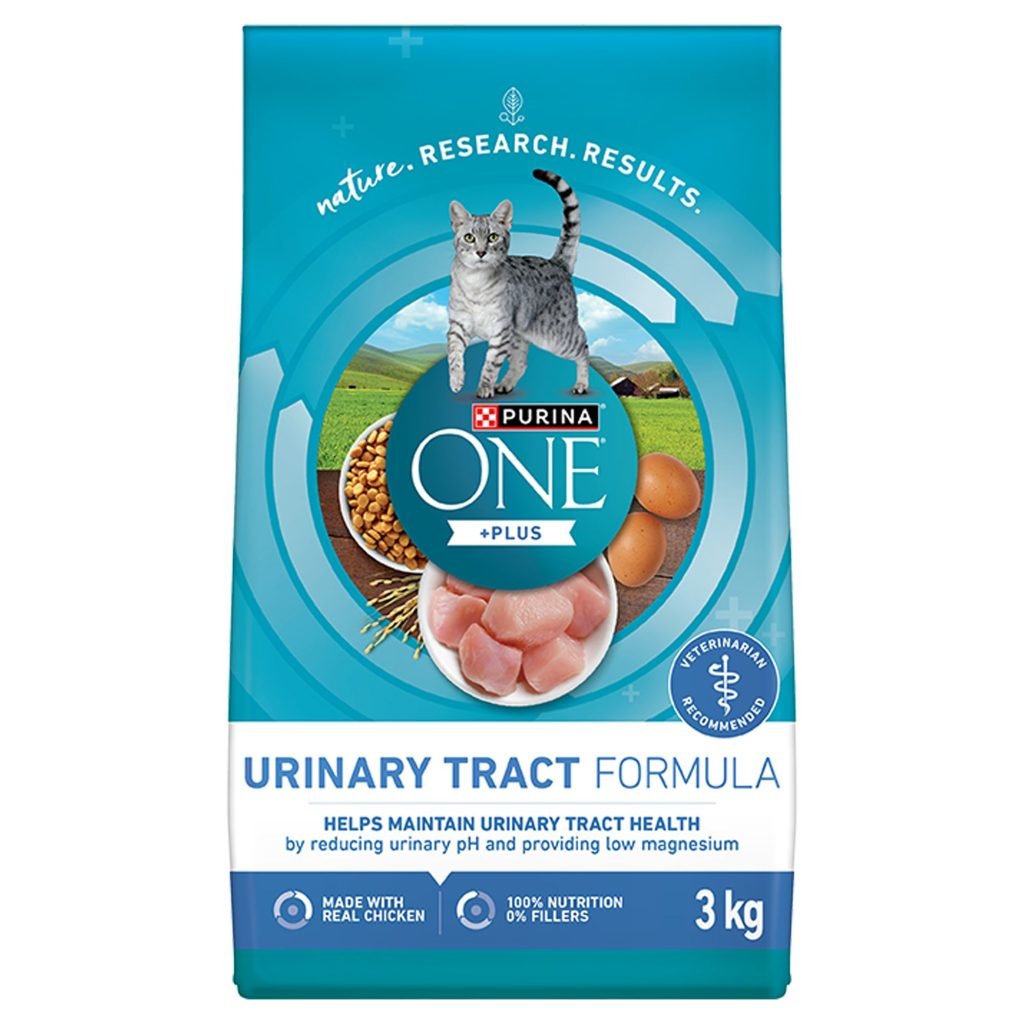
If your cat has ever struggled with a urinary tract infection, you know how painful and worrying it can be—for both of you. What if the food you give your cat could help prevent these infections or ease their symptoms?
Choosing the right urinary tract infection cat food can make a huge difference in your pet’s health and comfort. You’ll discover what to look for in cat food that supports urinary health and how it can protect your furry friend from future problems.
Keep reading to find simple, effective ways to keep your cat happy and healthy.
Credit: www.purina.com
Causes Of Urinary Tract Infections In Cats
Understanding the causes of urinary tract infections (UTIs) in cats is crucial for keeping your feline friend healthy. UTIs can be painful and may lead to more serious health problems if not addressed promptly. By knowing what triggers these infections, you can take steps to prevent them and spot early signs before they escalate.
Common Bacterial Agents
Most urinary tract infections in cats are caused by bacteria entering the urinary system. Escherichia coli (E. coli)is the most frequent culprit, often originating from the cat’s own intestinal tract. Other bacteria like Staphylococcusand Proteuscan also cause infections, although less commonly.
These bacteria cling to the bladder lining, causing irritation and inflammation. If you’ve ever noticed your cat struggling to urinate or frequently visiting the litter box, bacteria could be the cause. Proper hygiene and clean water can reduce this risk significantly.
Risk Factors And Triggers
Several factors increase the chances of your cat developing a urinary tract infection. Cats that don’t drink enough water or have a diet low in moisture are more prone to UTIs. Overweight cats or those with diabetes face a higher risk, as their immune systems may be compromised.
Stress is another surprising trigger. Changes in environment, new pets, or even a move can weaken your cat’s defenses. Have you noticed your cat acting differently after a stressful event? This might be a red flag for potential urinary issues.
Symptoms To Watch For
Recognizing the symptoms of a urinary tract infection early can make a big difference. Watch for signs like frequent urination, straining or crying while urinating, and blood in the urine. Your cat might also lick their genital area more than usual or display signs of discomfort.
Sometimes, the symptoms can be subtle, such as urinating outside the litter box. Don’t ignore these changes—prompt veterinary care can prevent complications. What changes in your cat’s behavior have you noticed that might indicate a UTI?
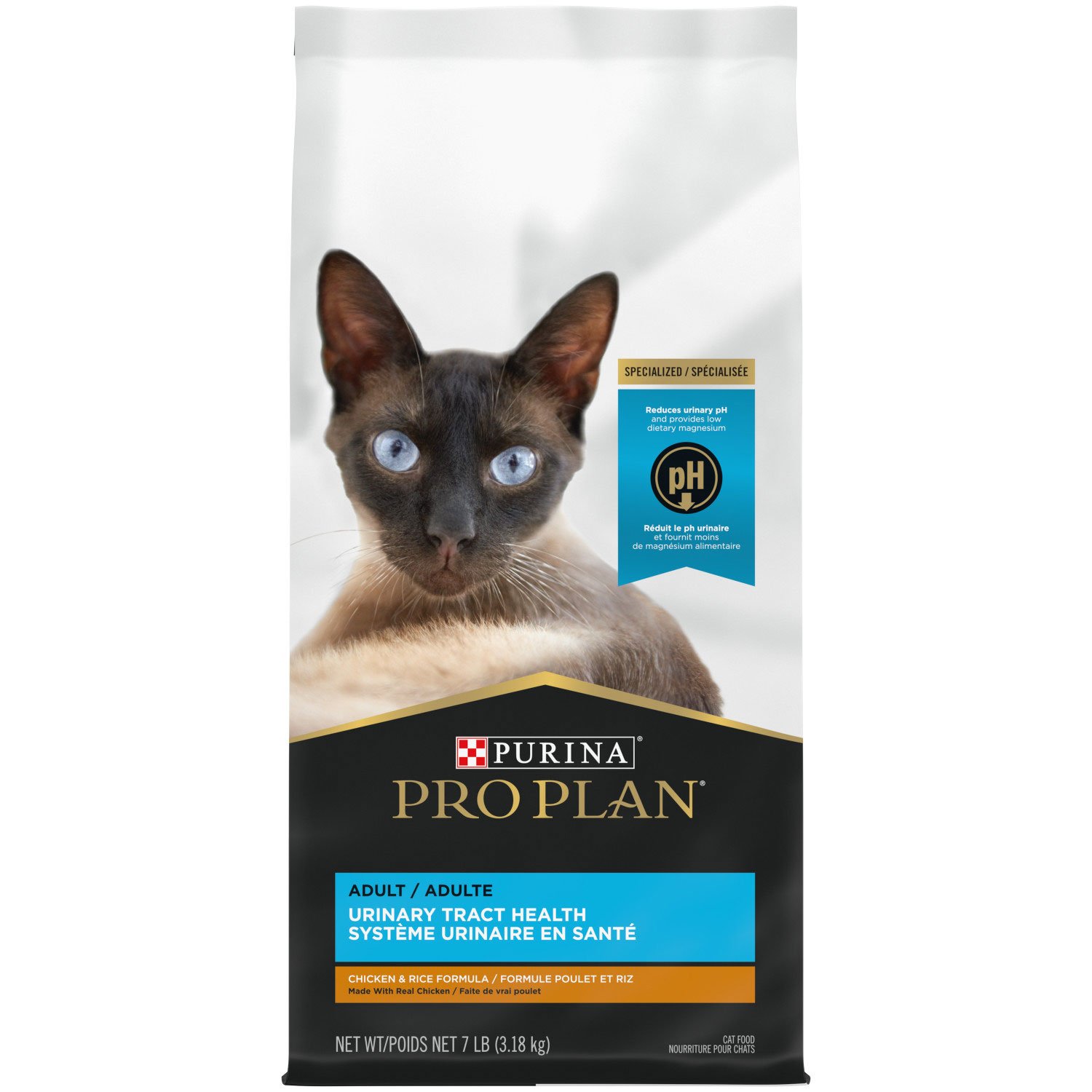
Credit: www.mondou.com
Role Of Diet In Uti Prevention
Your cat’s diet plays a crucial role in preventing urinary tract infections (UTIs). What your cat eats directly affects the health of their urinary system. By making smart food choices, you can help reduce the risk of UTIs and keep your feline friend comfortable and healthy.
Hydration And Moisture Content
Keeping your cat well-hydrated is one of the simplest ways to support urinary health. Cats often don’t drink enough water on their own, so feeding wet food with high moisture content can make a big difference. Wet food helps flush out the urinary tract, reducing the chance of bacteria buildup that leads to infection.
If your cat prefers dry food, consider adding water or broth to increase moisture intake. Have you noticed your cat drinking less water? That could be a sign to switch up their feeding routine for better hydration.
Ph Balance And Urine Acidity
The acidity level of your cat’s urine affects the formation of crystals and bacteria growth. Diet can help maintain an optimal pH level, usually slightly acidic, to prevent urinary stones and infections. Special urinary care cat foods are designed to balance pH and discourage harmful crystals from forming.
Ask your vet about foods that help keep your cat’s urine pH in the right range. Have you ever checked your cat’s urine pH? It’s a simple test that can reveal a lot about their urinary health.
Essential Nutrients For Urinary Health
Certain nutrients support the urinary tract and help fight infection. For example, taurine is vital for overall cat health, including urinary function. Cranberry extracts are sometimes added to cat food to reduce bacteria’s ability to stick to the bladder walls.
Look for cat foods enriched with omega-3 fatty acids, vitamins E and C, and antioxidants. These ingredients strengthen your cat’s immune system, making it easier to prevent and recover from UTIs.
Choosing The Right Cat Food
Choosing the right cat food is crucial if your feline friend suffers from urinary tract infections (UTIs). The right diet can support bladder health, reduce discomfort, and help prevent future infections. But how do you pick the best option among so many choices?
Wet Vs Dry Food Benefits
Wet food has a higher moisture content, which helps keep your cat hydrated. Proper hydration is essential for flushing out toxins and bacteria from the urinary tract.
Dry food is convenient and often more affordable, but it contains less moisture. If you feed dry food, consider adding water or broth to increase your cat’s fluid intake.
Many cat owners find that mixing wet and dry food balances hydration with convenience. Have you noticed if your cat drinks less when eating dry food alone?
Ingredients To Avoid
Some ingredients can irritate your cat’s urinary system or worsen symptoms. Avoid foods with excessive magnesium, which can contribute to bladder stones.
Artificial additives, like colors and preservatives, may trigger inflammation or allergic reactions. Check labels carefully to ensure your cat’s diet is as natural as possible.
High carbohydrate content can also be problematic for cats with UTIs. Cats are obligate carnivores and thrive on protein-rich diets, so watch out for grain-heavy formulas.
Special Formulations For Utis
Several brands offer cat food specifically designed to support urinary tract health. These foods often contain controlled mineral levels to prevent crystal formation.
Look for options enriched with antioxidants and anti-inflammatory ingredients, which can soothe the bladder lining. Some also promote an ideal urine pH to discourage bacterial growth.
Have you tried specialized urinary health cat food? Monitoring your cat’s response can guide you toward the best dietary choice for ongoing care.
Homemade Diets And Supplements
Homemade diets and supplements can help support cats with urinary tract infections. Preparing food at home allows control over ingredients that promote urinary health. Supplements may provide extra nutrients and help maintain a balanced urinary environment. Careful selection of foods and supplements is key to avoid worsening symptoms.
Safe Homemade Food Options
Choose fresh, high-quality ingredients that support urinary health. Include lean proteins like boiled chicken or turkey without skin. Cooked eggs also provide good protein without adding harmful minerals.
- Plain boiled chicken or turkey
- Cooked eggs (scrambled or boiled)
- Steamed white rice in small amounts
- Cooked pumpkin for fiber
- Fresh water offered frequently
Avoid foods high in magnesium and phosphorus. Do not use onions, garlic, or spices. Keep the diet simple and easy to digest.
Supplements That Support Urinary Health
Some supplements can help maintain a healthy urinary tract. Cranberry extract supports bladder health by preventing bacteria from sticking. Omega-3 fatty acids reduce inflammation and improve overall health.
- Cranberry extract (vet-approved dose)
- Omega-3 fatty acids from fish oil
- Probiotics for gut and urinary balance
- Vitamin C to acidify urine (only under vet guidance)
Always follow dosage instructions carefully. Avoid supplements that may irritate the bladder.
Consulting A Veterinarian
Always check with a veterinarian before changing your cat’s diet. A vet can recommend the best homemade recipes and supplements. They ensure the diet meets all nutritional needs.
Urinary tract infections need proper diagnosis and treatment. Homemade diets and supplements support but do not replace medical care. Regular vet visits are essential for your cat’s health.
Feeding Tips For Cats With Utis
Feeding cats with urinary tract infections requires care and attention. Proper feeding helps support their recovery and prevents future problems. Adjusting meal routines and diet can make a big difference in their health.
Meal Frequency And Portions
Feed smaller meals more often throughout the day. This helps keep the bladder less stressed. Avoid overfeeding to prevent weight gain. Balanced portions support healthy digestion and reduce strain on the urinary tract.
Encouraging Water Intake
Hydration is key for cats with UTIs. Wet food is a great way to increase water intake. Provide fresh water in multiple places around the house. Try adding water or broth to dry food to boost fluids. Cats tend to drink more when water is clean and accessible.
Monitoring And Adjusting Diet
Watch how your cat reacts to the diet. Look for signs of improvement or any discomfort. Consult your vet to adjust food types or ingredients as needed. Avoid foods with high magnesium or artificial additives. A diet tailored for urinary health reduces the chance of infection recurrence.
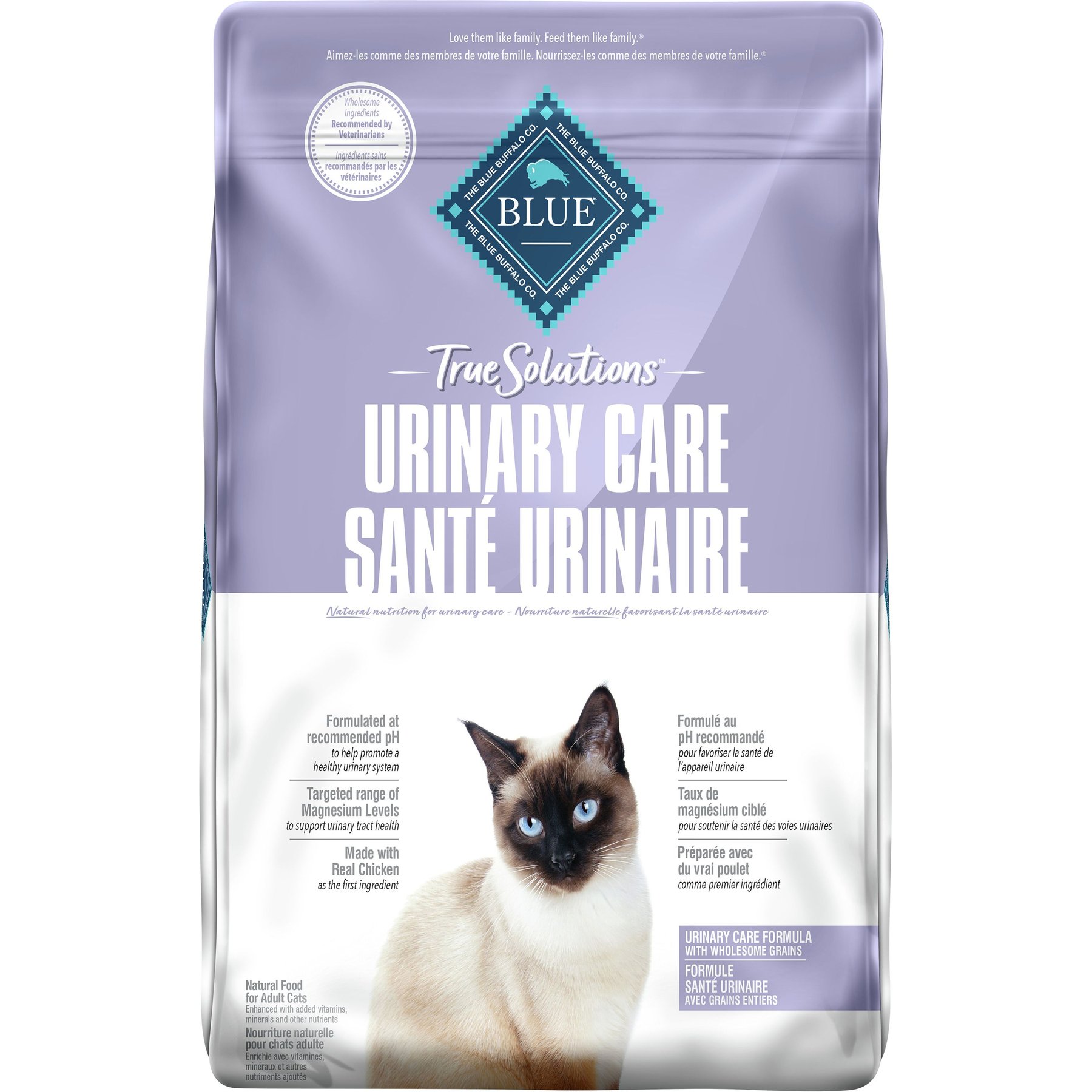
Credit: www.chewy.com
Frequently Asked Questions
What Is Urinary Tract Infection Cat Food?
Urinary tract infection cat food is specially formulated to support urinary health. It helps prevent crystal formation and reduces infection risks in cats.
How Does Cat Food Help With Urinary Tract Infections?
This food controls urine pH and moisture levels. It reduces crystal buildup and supports bladder health, lowering infection chances.
Can Urinary Tract Infection Cat Food Prevent Recurrence?
Yes, it helps maintain a healthy urinary tract environment. Regular feeding reduces the risk of recurring infections and promotes long-term bladder health.
What Ingredients Are Important In Urinary Tract Infection Cat Food?
Key ingredients include controlled minerals, high moisture content, and antioxidants. These support urinary health and reduce infection and crystal formation risks.
Conclusion
Choosing the right cat food helps manage urinary tract infections well. It supports your cat’s health and comfort daily. Feeding specially made food reduces infection risks and pain. Keep fresh water available to encourage good hydration. Watch your cat’s behavior and health closely.
Early care can stop serious problems from growing. Healthy food and care work together for your cat’s wellbeing. Simple steps can make a big difference in recovery. Your cat deserves the best chance to stay happy and healthy.
