

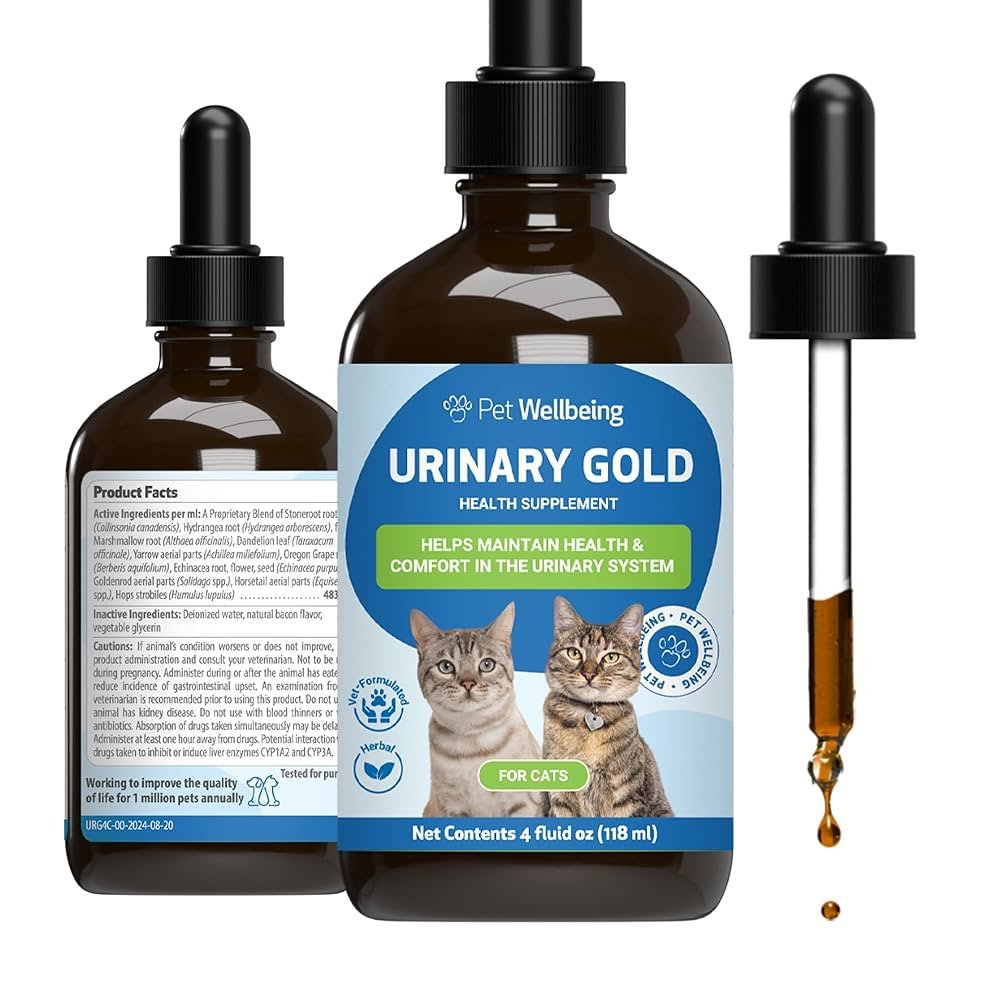
Your cat’s health is more than just fur and purrs—it starts from the inside, especially with their urinary tract. If you’ve ever noticed your cat struggling to pee or acting uncomfortable, you know how serious urinary tract issues can be.
But what if you could spot the warning signs early and keep your furry friend feeling their best? You’ll discover simple, effective ways to protect your cat’s urinary tract health. Keep reading to learn how small changes can make a big difference in your cat’s comfort and happiness.
Signs Of Urinary Problems
Recognizing the signs of urinary problems in cats is crucial for their health. These issues can cause pain and discomfort. Early detection helps prevent serious complications. Cats often hide their pain, making symptoms easy to miss. Watch closely for changes in their bathroom habits and behavior.
Common Symptoms
- Frequent attempts to urinate
- Straining or crying while urinating
- Blood in the urine
- Urinating outside the litter box
- Strong or unusual urine smell
- Small amounts of urine passed each time
- Licking the genital area more than usual
Behavioral Changes
Cats with urinary problems often act differently. They may become restless or hide more. Some cats show signs of pain or discomfort. They might meow loudly or seem irritable. Loss of appetite and lethargy can appear too. Pay attention to any sudden mood changes.
When To See A Vet
Seek veterinary care immediately if your cat shows any urinary symptoms. Delay can lead to severe health risks. Difficulty urinating or no urination at all is an emergency. Blood in urine always requires professional evaluation. Early treatment improves recovery chances and comfort.
Diet And Hydration
Diet and hydration play a crucial role in keeping your cat’s urinary tract healthy. The right foods can help prevent urinary crystals and infections, while proper water intake keeps everything flowing smoothly. Understanding how to balance these elements can make a big difference in your cat’s well-being.
Best Foods For Urinary Health
Look for foods that promote a balanced urine pH and are low in magnesium, phosphorus, and calcium. Many specialized cat foods are formulated to support urinary health by reducing the risk of crystal formation.
Adding natural options like cooked pumpkin or cranberries can help, too. These ingredients support bladder health and reduce inflammation without harsh chemicals.
Have you checked your cat’s food label lately? Ingredients matter more than you might think when it comes to urinary health.
Importance Of Water Intake
Water keeps your cat’s urinary system flushing out toxins and bacteria. Cats often don’t drink enough on their own, so encouraging water intake is vital.
Try placing multiple water bowls around the house or adding water fountains to entice them. Some cats prefer water running, which can increase their drinking frequency.
Think about how often your cat drinks daily—could you increase their water intake without stress? Small changes can prevent big problems.
Wet Vs Dry Food
Wet food contains higher moisture levels, which naturally helps increase your cat’s hydration. If your cat doesn’t drink much water, wet food can make a noticeable difference in urinary tract health.
Dry food is convenient but often lacks moisture, so it requires you to be more vigilant about water intake. Consider mixing wet and dry food to balance convenience and hydration.
What combination works best for your cat’s lifestyle and health needs? Finding the right mix can improve both hydration and diet quality.
Litter Box Tips
Keeping your cat’s litter box in good condition supports urinary tract health. Cats are very picky about their bathroom habits. A clean, comfortable litter box helps them feel safe and reduces stress. Stress can cause urinary problems. Follow these tips to make the litter box inviting and healthy.
Choosing The Right Litter
Select litter that is gentle on your cat’s paws. Unscented, clumping litter works best for most cats. Avoid strong fragrances and dusty litters. Some cats prefer natural materials like corn or paper. Watch your cat’s reaction to different types. Choose the one your cat uses consistently.
Maintaining Cleanliness
Clean the litter box daily. Remove clumps and waste often to prevent odors. Wash the box with mild soap once a week. Avoid harsh chemicals that can irritate your cat. Keep the area around the box tidy and dry. A clean box encourages regular use and reduces infection risk.
Number Of Litter Boxes
Provide enough litter boxes for your cats. The rule is one box per cat plus one extra. Multiple boxes reduce competition and stress. Place boxes in quiet, accessible locations. Avoid placing them near food or water bowls. This setup helps prevent urinary tract issues and keeps cats happy.

Credit: www.walmart.ca
Preventing Urinary Issues
Preventing urinary issues in cats is essential for their overall well-being and comfort. These problems can cause pain and distress, but many can be avoided with simple habits and attentive care. Are you confident that your cat’s daily routine supports a healthy urinary tract?
Regular Vet Checkups
Regular vet visits help catch urinary problems early, often before you notice symptoms. Your vet can perform urine tests and physical exams that reveal hidden issues.
Don’t wait for signs like frequent urination or blood in urine to schedule a checkup. Early detection saves your cat from discomfort and costly treatments.
Stress Reduction Techniques
Stress can trigger urinary problems, especially in indoor cats. Create a calm environment by providing hiding spots and quiet areas where your cat feels safe.
Try using pheromone diffusers or playing calming music to reduce anxiety. Have you noticed your cat’s behavior change when you introduce relaxing elements?
Exercise And Weight Management
Keeping your cat active supports healthy urinary function and prevents obesity, which is a risk factor for urinary issues. Engage your cat with toys and regular play sessions.
Monitor their weight closely and adjust food portions if needed. A lean cat is less likely to develop urinary problems and enjoys a higher quality of life.
Common Urinary Conditions
Urinary health is a crucial aspect of your cat’s well-being. Understanding common urinary conditions can help you spot problems early and act quickly. These issues often cause discomfort and can escalate if ignored, so knowing what to watch for is key.
Urinary Tract Infections
Urinary Tract Infections (UTIs) occur when bacteria enter the urinary system. Cats with UTIs may urinate more frequently or have accidents outside the litter box. You might notice blood in the urine or your cat straining to urinate, which are clear signs that something is wrong.
UTIs are more common in older cats or those with weakened immune systems. If your cat shows any signs, take them to the vet promptly. Early treatment with antibiotics usually leads to a quick recovery.
Feline Lower Urinary Tract Disease
Feline Lower Urinary Tract Disease (FLUTD) is a group of conditions affecting the bladder and urethra. Symptoms include frequent attempts to urinate, painful urination, and sometimes, blood in the urine. If your cat suddenly stops urinating, this could be an emergency requiring immediate vet care.
Stress is a big factor in FLUTD. Changes in routine or environment can trigger it. Providing a calm space and plenty of fresh water can help reduce the risk.
Bladder Stones
Bladder stones form when minerals in the urine crystallize and clump together. These stones can block the urinary tract, causing pain and difficulty urinating. Cats with bladder stones often lick their genital area excessively and may show signs of distress.
Diet plays a major role in preventing bladder stones. Feeding your cat a balanced diet designed to maintain urinary health can reduce the chance of stones forming. Have you considered how your cat’s diet might impact their urinary system?

Credit: www.walmart.ca
Treatment Options
Keeping a cat’s urinary tract healthy often requires several treatment approaches. Choosing the right treatment depends on the cause and severity of the problem. Timely care helps prevent complications and supports quick recovery.
Medications
Medications help reduce pain and fight infections in the urinary tract. Antibiotics treat bacterial infections effectively. Pain relievers ease discomfort during urination. Anti-inflammatory drugs reduce swelling and irritation. Your vet decides the right medicine and dosage for your cat’s needs.
Dietary Changes
Proper diet supports urinary tract health and prevents future issues. Special cat foods lower the risk of crystal and stone formation. These diets balance minerals and promote urine acidity. Increased water intake is crucial. Wet food options help keep cats hydrated and flush their systems.
Surgical Interventions
Surgery may be necessary for severe urinary blockages or stones. Procedures remove obstructions and restore normal urine flow. Some cats need surgery to repair damaged urinary tissues. Early surgery can save your cat’s life in emergencies. Post-surgery care includes close monitoring and follow-up visits.

Credit: www.walmart.ca
Frequently Asked Questions
What Are Common Signs Of Urinary Tract Issues In Cats?
Common signs include frequent urination, straining, blood in urine, and excessive licking. Cats may also hide or show discomfort. Early detection helps prevent serious problems.
How Can Diet Improve My Cat’s Urinary Tract Health?
Feeding a balanced diet with proper moisture helps maintain urinary pH and reduces crystal formation. Wet food is often recommended to increase hydration and support urinary health.
What Causes Urinary Tract Infections In Cats?
Infections are usually caused by bacteria entering the urinary tract. Stress, dehydration, and underlying health issues can increase infection risk. Prompt veterinary care is essential for treatment.
Can Stress Affect My Cat’s Urinary Health?
Yes, stress can trigger urinary issues like FLUTD (Feline Lower Urinary Tract Disease). Reducing stress through environmental enrichment and routine can help maintain urinary health.
Conclusion
Taking care of your cat’s urinary health is very important. Small changes in diet and water can make a big difference. Watch for signs like frequent urination or discomfort. Regular vet visits help catch problems early. Keep your cat happy and healthy with proper care.
Clean litter boxes encourage good habits. Healthy cats mean fewer worries for you. Stay attentive and give your cat the best care possible. Simple steps protect your furry friend’s urinary tract. A little effort goes a long way in keeping them well.
