

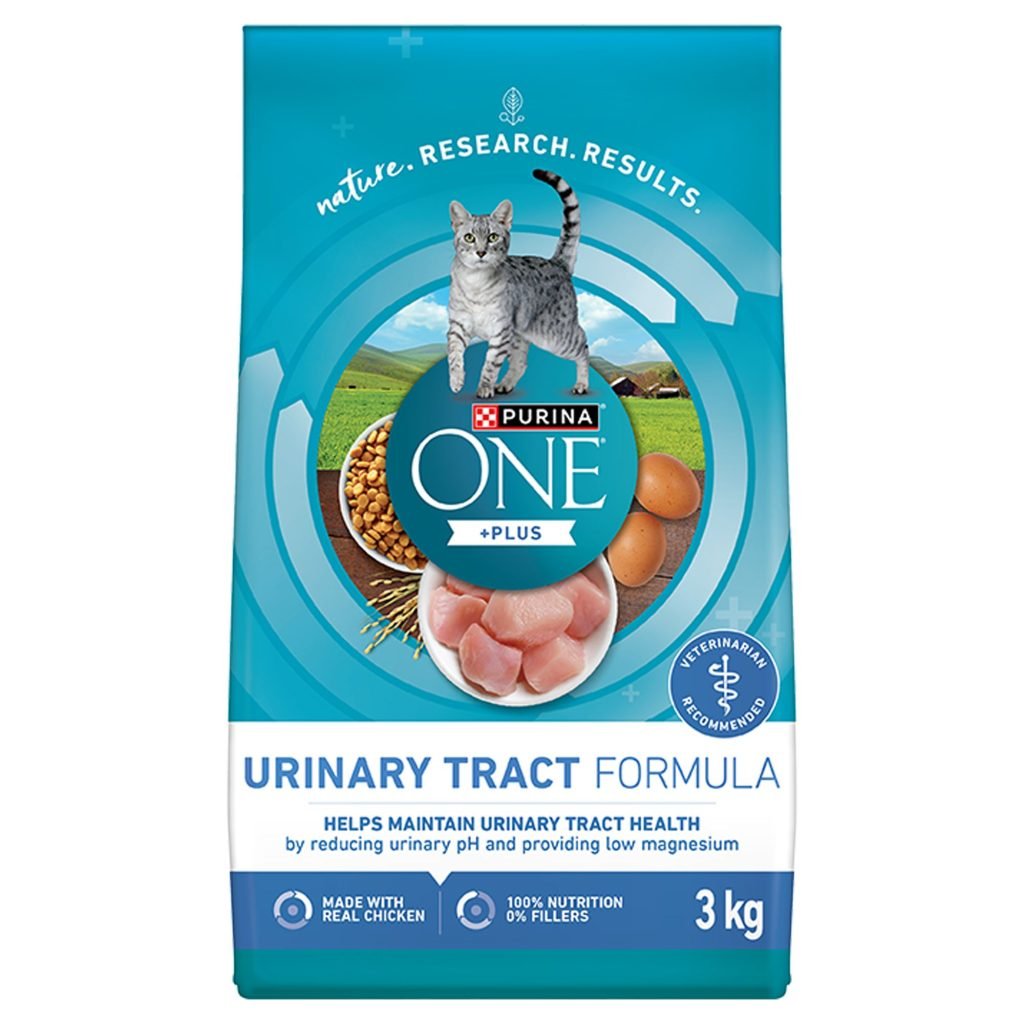
If you care about your cat’s health, you know how important their urinary tract is. Problems like infections or crystals can cause pain and discomfort for your furry friend.
But did you know that the right food can make a huge difference? Choosing the best urinary tract food for cats isn’t just about feeding them—it’s about protecting their well-being every day. You’ll discover which foods support a healthy urinary system and how to keep your cat feeling happy and strong.
Keep reading to find out what your cat really needs to stay comfortable and healthy.
Causes Of Urinary Issues
Urinary issues in cats can be frustrating and worrying for any pet owner. Understanding what causes these problems is the first step toward protecting your cat’s health. Causes can range from infections to dietary imbalances, and knowing these can help you spot warning signs early.
Common Urinary Disorders
Your cat may suffer from several urinary disorders, each with its own symptoms and risks. Here are some of the most frequent ones:
- Urinary Tract Infection (UTI):Bacteria invade the urinary system, causing painful urination and frequent attempts to urinate.
- Feline Lower Urinary Tract Disease (FLUTD):A group of conditions that cause inflammation and blockage in the bladder and urethra.
- Urolithiasis (Bladder Stones):Minerals form crystals or stones, which can block urine flow and cause intense discomfort.
- Feline Idiopathic Cystitis (FIC):Inflammation of the bladder with no clear cause, often linked to stress and diet.
Have you noticed your cat straining or crying while using the litter box? These might be signs that one of these conditions is developing.
Risk Factors In Cats
Some cats are more prone to urinary issues than others. Identifying these risk factors can help you take preventive measures.
- Diet:Low moisture and high magnesium or phosphorus in food can contribute to crystal formation.
- Dehydration:Cats who don’t drink enough water have concentrated urine, increasing the risk of stones and infections.
- Obesity:Overweight cats often have reduced activity and altered metabolism, leading to urinary problems.
- Stress:Changes in environment or routine can trigger FIC, causing bladder inflammation.
- Age and Gender:Middle-aged male cats are particularly susceptible to urinary blockages.
Think about your cat’s lifestyle and diet—could any of these factors be putting them at risk?
Credit: www.renspets.com
Nutritional Needs For Urinary Health
Supporting your cat’s urinary health through diet requires understanding what their body truly needs. Tailoring food to meet these specific nutritional demands can prevent discomfort and serious health issues. Let’s look closely at the key factors that make a difference in urinary care.
Essential Nutrients
Your cat’s urinary system relies heavily on certain nutrients to function properly. Protein is crucial but should come from high-quality sources to avoid excess minerals that strain the kidneys. Magnesium, phosphorus, and calcium levels need careful balance—too much or too little can encourage urinary crystals or stones.
Vitamin B6 and omega-3 fatty acids help reduce inflammation and support overall urinary tract health. Some cat foods are specially formulated with these nutrients to maintain a healthy urinary pH and prevent infections. Have you checked the ingredient list on your cat’s food lately to ensure it meets these needs?
Hydration Importance
Water intake is one of the most vital aspects of urinary health. Cats naturally have a low thirst drive, which means they often don’t drink enough on their own. Feeding wet food or adding water to dry kibble can significantly increase their hydration.
Encouraging your cat to drink more can lower the risk of urinary blockages and infections. Consider using water fountains or placing multiple water bowls around your home. How do you currently ensure your cat stays well hydrated?
Best Foods For Urinary Tract Health
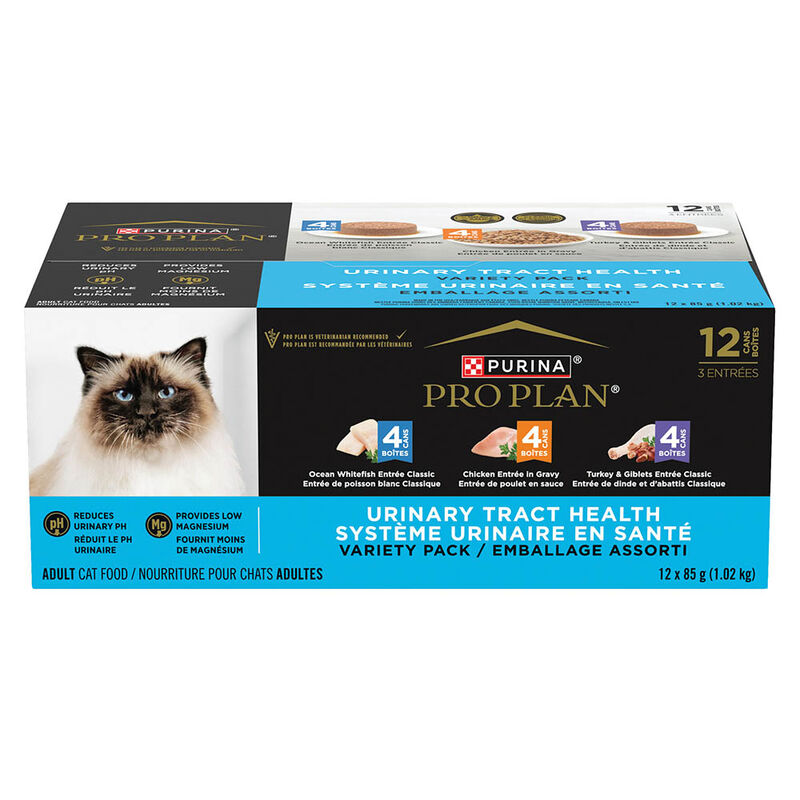
Choosing the best foods for your cat’s urinary tract health helps prevent common issues. Diet plays a key role in keeping the urinary system working well. Proper nutrition supports bladder strength and reduces risks of infections or crystals.
Careful food selection can make a big difference. Understanding what types of food and ingredients benefit the urinary tract is important. Also, avoiding harmful foods protects your cat’s health.
Wet Vs Dry Food
Wet food contains more water than dry food. This extra moisture helps flush the urinary system. Cats on wet food often have better hydration, lowering urinary problems.
Dry food is convenient and affordable. Some dry foods are specially made for urinary health. Still, dry food alone may not provide enough water. Adding wet food can improve hydration.
Ingredients To Look For
- High moisture content:Keeps urine diluted and reduces crystal risk.
- Low magnesium and phosphorus:Prevents formation of urinary crystals.
- High-quality protein:Supports overall health without stressing kidneys.
- Added antioxidants:Helps reduce inflammation in the urinary tract.
- Balanced minerals:Maintains proper urine pH to avoid crystals.
Foods To Avoid
- High magnesium:Can cause urinary crystals or stones.
- Excess salt:Leads to dehydration and urinary stress.
- Artificial additives:May irritate the urinary tract.
- Grains and fillers:Offer little nutrition and can cause allergies.
- Too much dry food:Increases risk of low water intake.
Homemade Diets And Recipes
Feeding your cat a homemade diet tailored to support urinary tract health can make a noticeable difference in their well-being. It gives you control over the ingredients and lets you avoid harmful additives found in many commercial foods. But how do you ensure these meals are both safe and effective?
Safe Homemade Options
Choosing the right ingredients is key. High moisture content helps flush your cat’s urinary system, so include foods like boiled chicken, turkey, or fish mixed with water or low-sodium broth.
Adding cooked pumpkin or steamed green beans provides fiber without excess minerals that could harm the urinary tract. Avoid high magnesium or calcium-rich foods, as they can contribute to crystal formation.
- Cook lean meats thoroughly to kill bacteria.
- Keep portions balanced with protein, moisture, and fiber.
- Skip any seasonings, garlic, onions, or salt.
Have you noticed your cat drinking less water? Homemade meals with high moisture can encourage hydration naturally, which is crucial for urinary health.
Supplements For Urinary Health
Adding supplements can boost your cat’s urinary defenses. Cranberry extract is popular for preventing bacteria from sticking to the bladder walls.
Omega-3 fatty acids from fish oil reduce inflammation in the urinary tract and improve overall health. Just make sure the supplements are made for cats and given in the right doses.
| Supplement | Benefit | Usage Tip |
|---|---|---|
| Cranberry Extract | Helps prevent urinary infections | Use as directed; avoid human formulas |
| Fish Oil (Omega-3) | Reduces inflammation and supports bladder health | Start with small amounts to check tolerance |
| D-Mannose | Blocks harmful bacteria in the urinary tract | Consult vet for proper dosage |
Have you ever tried supplements with your cat’s meals? Many owners find combining homemade diets with targeted supplements offers the best results for urinary health.
Feeding Strategies For Cats
Feeding your cat the right way plays a crucial role in managing urinary tract health. Adjusting how and when you feed can make a big difference in preventing issues like urinary crystals or infections. It’s not just about what you feed, but also how you deliver those meals to support your cat’s well-being.
Meal Frequency
Offering smaller, more frequent meals can help regulate your cat’s urine pH and reduce the risk of urinary problems. Instead of one or two large meals, try splitting their daily food allowance into three or four portions.
This approach keeps the bladder from becoming too concentrated with waste, which lowers the chance of crystal formation. I once switched to multiple small meals for my cat, and it noticeably improved her comfort and reduced her visits to the vet.
Encouraging Water Intake
Hydration is key for urinary tract health. Cats naturally drink little water, so finding ways to boost their intake is essential.
- Try adding a splash of low-sodium broth to their food to make it more enticing.
- Place multiple water bowls around your home to encourage frequent sipping.
- Consider a cat water fountain—the flowing water often attracts cats better than still bowls.
Have you noticed your cat drinking less water? Small changes like these can keep their urinary tract flushed and healthy, reducing the risk of blockages and infections. Encouraging hydration isn’t just about offering water; it’s about making water a part of their daily routine.

Credit: www.walmart.ca
Monitoring And Adjusting Diet
Monitoring and adjusting your cat’s urinary tract diet is key to their health. Changes in diet can affect how well your cat recovers or stays healthy. Watch your cat closely for signs that the diet is working. Make changes slowly and carefully to avoid upset. This process needs patience and attention to detail.
Signs Of Improvement
- Less frequent urination outside the litter box
- Normal urine color and smell
- Increased energy and activity levels
- Reduced licking of the urinary area
- Improved appetite and weight stability
Keep a daily log of these signs. This helps track progress and shows if the diet suits your cat. Positive signs usually appear within a few weeks.
When To Consult A Vet
- Persistent straining or pain during urination
- Blood in urine or very strong smell
- Loss of appetite or sudden weight loss
- Frequent vomiting or diarrhea
- Signs of lethargy or weakness
Contact your vet immediately if you notice these symptoms. Your cat may need a diet change or medical treatment. Early intervention can prevent serious complications.
Credit: www.loblaws.ca
Frequently Asked Questions
What Is Urinary Tract Food For Cats?
Urinary tract food for cats is specially formulated diet. It supports urinary health, reduces crystal formation, and prevents infections. These foods balance minerals like magnesium and phosphorus to maintain optimal urine pH. They help manage or prevent urinary tract diseases effectively.
How Does Urinary Tract Food Benefit Cats?
This food controls urine pH and reduces crystal buildup. It supports bladder health and decreases urinary tract infection risk. The diet helps cats with urinary issues maintain comfort and avoid painful symptoms. It also promotes overall kidney and urinary system function.
Can Urinary Tract Food Prevent Cat Bladder Stones?
Yes, urinary tract food helps prevent bladder stones by managing mineral levels. It reduces crystal formation, which can lead to stones. This diet keeps urine diluted and balanced, lowering the chance of stone development. Regular feeding supports long-term urinary tract health.
When Should I Feed My Cat Urinary Tract Food?
Feed urinary tract food if your cat has urinary issues or risks. Your vet may recommend it for prevention or treatment of urinary diseases. Always consult a veterinarian before changing your cat’s diet for urinary health reasons.
Conclusion
Choosing the right urinary tract food helps keep cats healthy. This food supports their bladder and prevents infections. Cats often avoid drinking water, so diet matters a lot. Feeding proper food reduces risks of stones and pain. Always check ingredients to ensure they suit your cat’s needs.
Talk to your vet to find the best option. A healthy diet means a happier, more active cat. Small changes in food can make a big difference. Keep your cat’s urinary tract strong with good nutrition.
