

Are you curious about the fascinating world of cats? Whether you’re a seasoned cat lover or just starting to consider adding a feline friend to your family, understanding typical cat breeds can be a game-changer.
You might be wondering which breed fits your lifestyle, or perhaps you’re interested in learning more about their unique characteristics and quirks. This guide is here to help you navigate through the captivating universe of cat breeds, offering insights into their personalities, behaviors, and histories.
By the time you finish reading, you’ll not only know more about these charming creatures but also feel more confident in choosing the perfect cat companion for you. Stay with us as we uncover the delightful details that make each breed special and discover which one might just be your next furry family member.
Top Cat Breeds Worldwide
Cat lovers around the world admire certain breeds for their unique looks and charming personalities. These popular breeds often stand out in homes and cat shows. They each bring special traits that make them favorites among pet owners. Understanding these breeds helps in choosing the perfect cat companion.
Siamese Cats
Siamese cats are known for their striking blue eyes and sleek bodies. They have short coats with color points on their ears, face, paws, and tail. These cats are very vocal and love to interact with people. Their playful and social nature makes them great pets for active families.
Maine Coon Cats
Maine Coons are one of the largest domestic cat breeds. They have long, thick fur and bushy tails. Known for their gentle and friendly temperament, they get along well with children and other pets. These cats enjoy playing and are often called “gentle giants.”
Persian Cats
Persian cats have long, flowing coats and flat faces. They are calm and prefer quiet environments. Their luxurious fur requires regular grooming to prevent matting. Persians make excellent lap cats and enjoy relaxing with their owners.
Ragdoll Cats
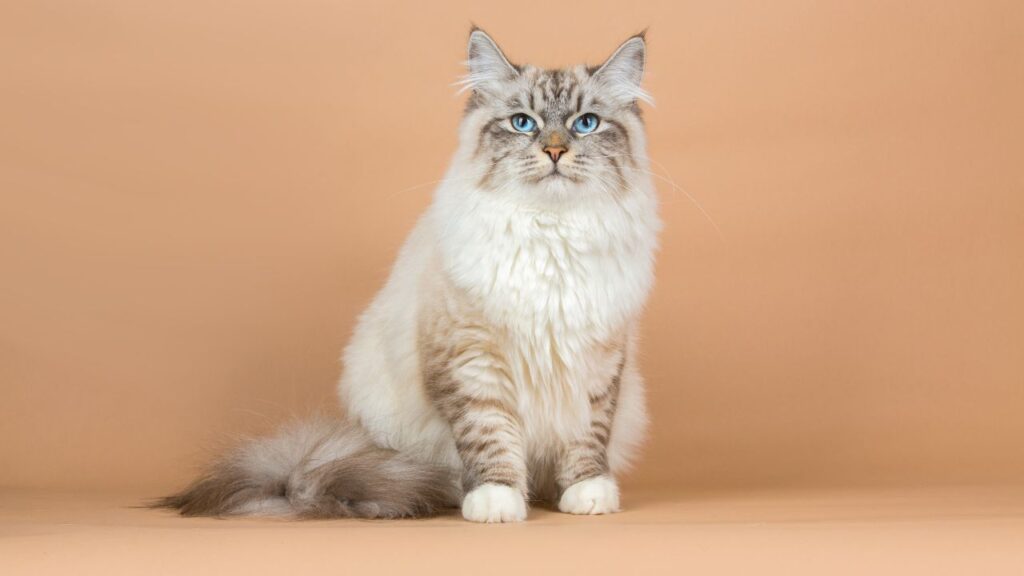
Ragdolls are large, soft cats with striking blue eyes. They get their name from their tendency to go limp when picked up. These cats are very affectionate and love to follow their owners around. Their calm and friendly nature suits many households.
Bengal Cats
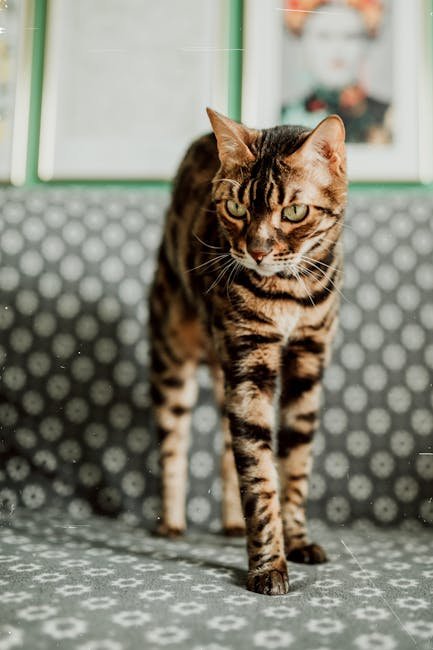
Bengal cats look wild with their spotted or marbled coats. They are energetic and intelligent, needing lots of playtime. Bengals enjoy climbing and exploring, making them perfect for active cat owners. Their exotic appearance turns heads everywhere.
Credit: worldanimalfoundation.org
Characteristics Of Popular Breeds
Popular cat breeds show a wide range of traits. Their looks, behavior, and care needs vary a lot. Knowing these traits helps choose the right cat for your home. Each breed has unique features that make it special.
Physical Traits
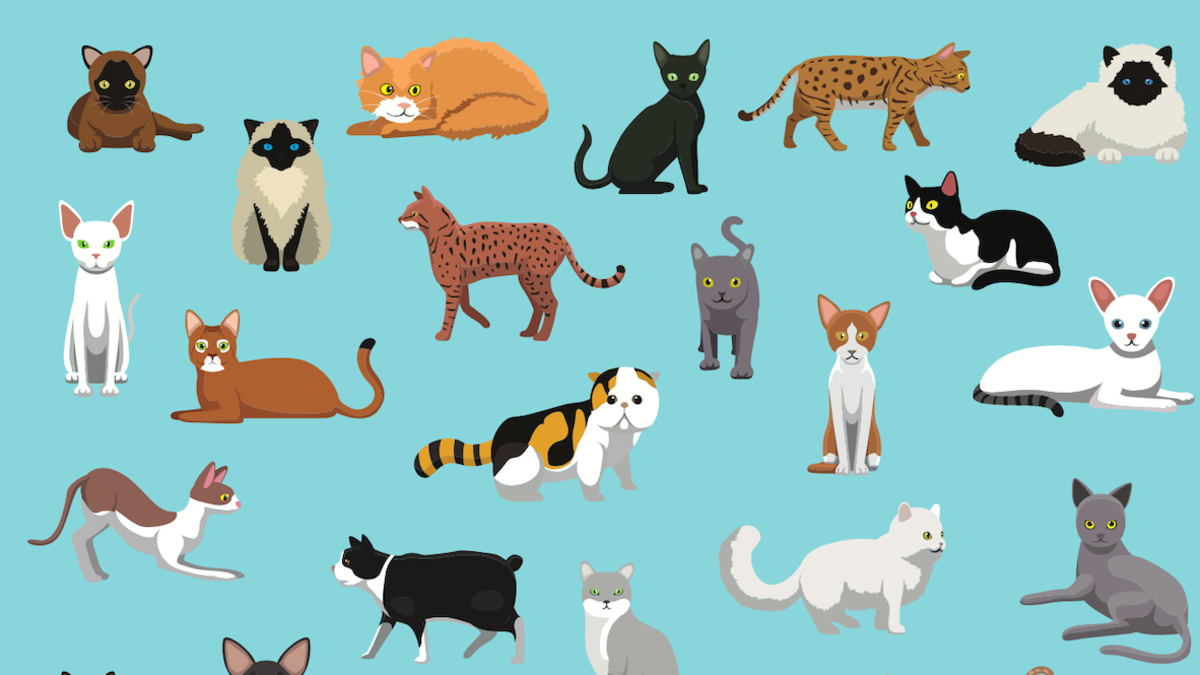
Cat breeds differ in size, fur type, and color patterns. Some have short fur, like the Siamese. Others, like the Maine Coon, have long, thick fur. Eye colors can be blue, green, or gold. Body shapes range from slender to stocky. Ears can be pointed or rounded.
Personality And Temperament
Temperaments vary widely among breeds. Siamese cats are vocal and social. Persian cats tend to be calm and gentle. Bengal cats are active and playful. Ragdolls enjoy being held and are very affectionate. Some breeds prefer quiet, others seek attention.
Grooming Needs
Grooming depends on the breed’s coat type. Short-haired cats need less brushing. Long-haired breeds require daily grooming to avoid mats. Some cats shed heavily, needing more care. Nail trimming and dental care are important for all cats. Regular grooming keeps cats healthy and comfortable.
Choosing The Right Cat Breed
Choosing the right cat breed goes beyond just picking a pretty face. Your daily life, home setup, and even health concerns play a big role in which breed fits best with you. Understanding these factors helps you find a companion that truly matches your lifestyle and environment.
Lifestyle Compatibility
Think about how much time you spend at home and what activities you enjoy. Active breeds like the Abyssinian or Bengal thrive with plenty of playtime and stimulation. On the other hand, if you prefer quiet evenings and less energetic pets, breeds like the British Shorthair or Ragdoll could be a better fit.
Ask yourself: Do you want a cat that loves to cuddle or one that enjoys independent exploration? Your work schedule, social habits, and even family members’ preferences matter here. Matching your lifestyle with your cat’s personality can prevent frustration and build a stronger bond.
Allergy Considerations
Allergies often influence the choice of cat breed more than people realize. Some breeds, such as the Siberian or Balinese, produce fewer allergens and may be easier to live with if you’re sensitive. However, no cat is completely hypoallergenic, so spending time with the breed before adoption helps.
Consider how allergy issues have affected your past experiences with pets. Do you or someone in your household have mild or severe reactions? Choosing a breed with lower allergen levels can make your home more comfortable and keep sneezes at bay.
Space And Environment
Your living space has a big impact on which cat breed will be happiest. Larger, energetic cats like the Maine Coon need room to roam and climb, while smaller breeds like the Scottish Fold adapt well to apartments. Outdoor access also changes what breed suits you best.
Think about your home layout and whether you have safe outdoor spaces. Do you have kids or other pets that the cat needs to get along with? These factors help decide if a social, outgoing breed or a more reserved one fits your environment better.
Rare And Emerging Cat Breeds
Rare and emerging cat breeds offer unique looks and personalities. These cats often come from special breeding programs. They bring fresh excitement to cat lovers everywhere. Many have distinct features not seen in common breeds. Their rarity makes them fascinating to learn about. Some are still gaining popularity among pet owners. Others have unusual traits that make them stand out.
Toyger Cats
Toyger cats look like tiny tigers. Their striped coats mimic wild tiger patterns. They have a muscular build and round ears. Toygers are playful and friendly pets. They enjoy interaction and stay active all day. Their unique look makes them very special. Breeders focus on keeping their tiger-like appearance.
Savannah Cats
Savannah cats have wild African roots. They are a cross between domestic cats and servals. Their tall bodies and large ears are striking. Savannahs are known for their loyalty to owners. They love to explore and jump high. These cats need lots of space to roam. They are not shy and often very curious.
Peterbald Cats
Peterbald cats are sleek and elegant. They have short or no fur at all. Their slim bodies and long legs stand out. Peterbalds are gentle and affectionate companions. They enjoy being close to people. This breed is known for its intelligence. Peterbald cats adapt well to indoor life.
Health Issues In Popular Breeds
Every cat breed has unique traits, but some also face specific health challenges that can affect their quality of life. Understanding these issues helps you spot warning signs early and provide the best care possible. Let’s look at some common health problems in popular cat breeds and how you can help your feline friend stay healthy.
Common Genetic Conditions
Many popular breeds carry genetic conditions passed down through generations. For example, Persian cats often suffer from polycystic kidney disease (PKD), which causes cysts to develop in the kidneys and can lead to kidney failure.
Siamese cats may experience respiratory problems due to their slender heads, while Maine Coons are prone to hypertrophic cardiomyopathy (HCM), a heart disease that thickens the heart muscles.
Recognizing these breed-specific risks helps you monitor your cat for early symptoms. Have you noticed any unusual behaviors or symptoms in your cat that might signal a genetic problem?
Preventative Care Tips
- Regular Vet Checkups:Schedule routine visits to catch health issues early. Some conditions develop silently and only show symptoms in advanced stages.
- Proper Nutrition:Feed a balanced diet tailored to your cat’s breed and age. Nutrition supports overall health and can reduce the risk of certain diseases.
- Genetic Testing:Consider genetic tests for breeds prone to inherited diseases. Early detection can guide treatment and improve outcomes.
- Maintain a Stress-Free Environment:Stress affects immunity. Providing a calm space can boost your cat’s resistance to illness.
Preventative care is often more effective and less costly than treating advanced disease. What steps are you currently taking to keep your cat healthy, and could you add any new habits to that routine?
Credit: paradepets.com

Credit: www.realtor.com
Frequently Asked Questions
What Are The Most Popular Typical Cat Breeds?
Popular typical cat breeds include Siamese, Persian, Maine Coon, Ragdoll, and British Shorthair. These breeds are known for their distinctive looks and friendly temperaments. Each breed has unique traits that appeal to different cat lovers. Understanding these breeds helps in choosing the right pet.
How Do Typical Cat Breeds Differ In Personality?
Typical cat breeds vary in personality from playful and active to calm and affectionate. For example, Siamese cats are vocal and social, while Persians are gentle and quiet. Knowing breed personality helps owners match cats to their lifestyle and preferences for a better pet experience.
What Grooming Needs Do Typical Cat Breeds Require?
Grooming needs vary by breed; long-haired cats like Persians need daily brushing. Short-haired breeds require less frequent grooming but still benefit from regular care. Proper grooming prevents matting, reduces shedding, and keeps cats healthy and comfortable.
Are Typical Cat Breeds Good For Families With Children?
Many typical cat breeds, such as Ragdolls and Maine Coons, are excellent with children. They tend to be gentle, patient, and tolerant, making them great family pets. Choosing a breed with a friendly nature ensures a harmonious home environment.
Conclusion
Cats come in many shapes, sizes, and personalities. Each breed offers something special and unique. Choosing the right cat depends on your lifestyle and preferences. Cats bring joy, comfort, and companionship to any home. Understanding common breeds helps you make a better choice.
Enjoy learning about these wonderful animals. Your perfect feline friend is waiting for you.
