

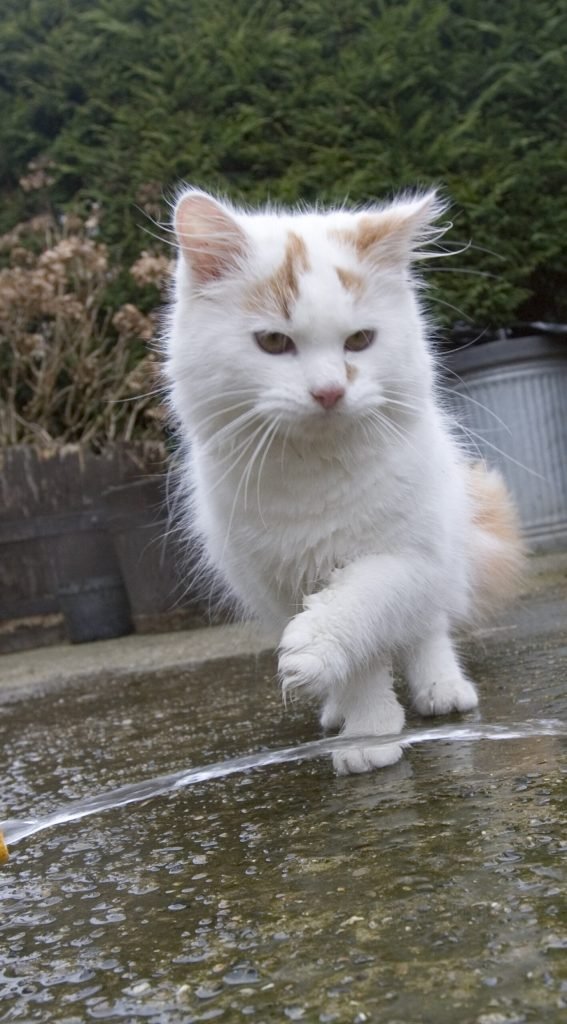
If you have a Turkish Van cat or are thinking about bringing one into your home, understanding their health is essential. You want your furry friend to stay happy and strong for years to come.
But like all breeds, Turkish Vans can face specific health challenges that you should be aware of. Knowing these problems early can help you spot warning signs and take action before small issues become big worries. Keep reading to discover the most common Turkish Van cat health problems and how you can protect your beloved pet.
Your cat’s well-being depends on it.
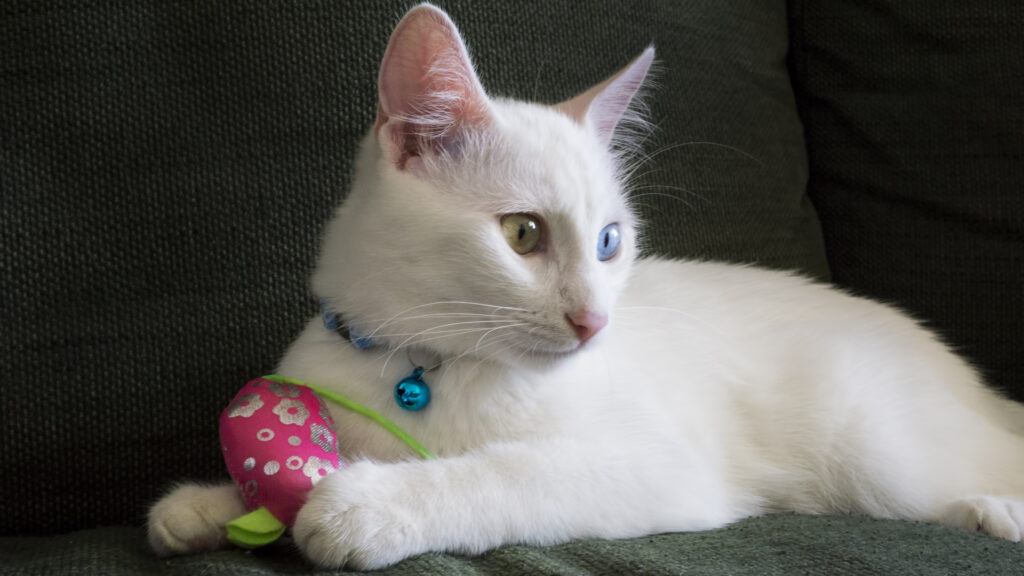
Credit: hfu.hollywoodfeed.com
Common Health Issues
Understanding the common health issues that Turkish Van cats may face helps you keep your pet healthy and happy. Awareness of potential problems lets you spot symptoms early and seek proper care. Let’s look at some key health concerns that often affect this unique breed.
Hypertrophic Cardiomyopathy
Hypertrophic Cardiomyopathy (HCM) is a heart condition where the walls of the heart thicken, making it harder for the heart to pump blood. This issue can develop silently, so regular vet check-ups are crucial for your Turkish Van.
Watch for signs like difficulty breathing, lethargy, or sudden weakness. If you notice any of these, consult your vet immediately. Early diagnosis can improve your cat’s quality of life significantly.
Kidney Disease Risks
Kidney problems are not uncommon in Turkish Vans, especially as they age. Signs include increased thirst, frequent urination, and weight loss.
Offering fresh water at all times and feeding a balanced diet can help support kidney health. Have your vet test kidney function regularly to catch issues before they become severe.
Allergies And Skin Conditions
Turkish Vans can be prone to allergies that cause itchy skin, redness, or hair loss. These may come from food, environmental factors, or fleas.
Keep an eye on your cat’s grooming habits and skin condition. If you notice persistent scratching or bald patches, a vet visit is necessary to identify the cause and recommend treatment.
Dental Health Concerns
Dental problems like tartar buildup and gum disease can affect your Turkish Van’s overall health. Poor dental hygiene may lead to pain and difficulty eating.
Regular tooth brushing and dental check-ups are essential. You might be surprised how much better your cat feels after professional dental cleaning.
Preventive Care Strategies
Preventive care is vital for the health of your Turkish Van cat. It helps avoid common illnesses and keeps your cat active. Early detection of health issues leads to better treatment outcomes. A regular care routine builds a strong foundation for your cat’s well-being.
Regular Vet Checkups
Schedule vet visits at least twice a year. Vets check for signs of disease and monitor your cat’s weight and teeth. Early exams catch problems before they worsen. Keep a health record for each visit to track changes over time. Blood tests and physical exams are essential parts of these checkups.
Vaccination Schedules
Follow a vaccination plan advised by your vet. Vaccines protect against deadly diseases like feline distemper and rabies. Kittens need multiple shots during their first months. Adult cats require booster vaccines to maintain immunity. Timely vaccination reduces the risk of infection and spreads to other pets.
Parasite Control
Parasites harm your cat’s health and comfort. Use vet-recommended treatments for fleas, ticks, and worms. Regular parasite checks prevent infestations and serious illness. Maintain a clean living space to reduce parasite risks. Parasite control protects both indoor and outdoor cats effectively.
Nutrition And Diet
Proper nutrition plays a key role in keeping your Turkish Van cat healthy. A well-balanced diet supports their energy, coat, and immune system. Feeding your cat the right foods can prevent many common health problems.
Understanding what to feed and what to avoid helps maintain their vitality. Nutritional care is especially important for active breeds like Turkish Vans.
Balanced Feeding Tips
- Provide high-quality protein from meat or fish sources.
- Include essential fatty acids for a shiny, healthy coat.
- Offer measured portions to avoid overfeeding and obesity.
- Ensure fresh water is available at all times.
- Choose cat food with added vitamins and minerals.
Foods To Avoid
- Do not feed onions, garlic, or chives as they are toxic.
- Avoid chocolate and caffeine, which can cause serious harm.
- Stay away from raw dough or uncooked eggs.
- Limit dairy products; many cats are lactose intolerant.
- Skip salty or sugary human snacks to protect kidneys.
Supplements For Vitality
- Omega-3 supplements support skin and coat health.
- Probiotics aid digestion and boost the immune system.
- Taurine is essential for heart and eye function.
- Consult your vet before adding any supplements.
- Use supplements only if your cat’s diet lacks certain nutrients.
Exercise And Mental Stimulation
Exercise and mental stimulation are crucial for keeping your Turkish Van cat healthy and happy. These cats are known for their energetic and curious nature, so regular activity helps prevent boredom and related health problems. Ensuring your cat gets enough physical and mental engagement can improve their overall well-being and strengthen your bond.
Daily Activity Needs
Turkish Van cats thrive on movement and exploration. They need at least 30 to 60 minutes of active play every day to burn off energy.
Without enough exercise, they may develop weight issues or stress-related behaviors. Try to break their activity into several short sessions throughout the day to keep them interested and motivated.
Ask yourself: Are you providing enough chances for your cat to climb, jump, and run? Your cat’s health depends on it.
Interactive Play Ideas
Keep your Turkish Van engaged with interactive toys that challenge their mind and body. Feather wands, laser pointers, and puzzle feeders are excellent choices.
Rotate toys regularly to maintain your cat’s curiosity. You can also create simple games like hiding treats around the house to stimulate their hunting instincts.
- Use a fishing pole toy to mimic prey movement.
- Set up obstacle courses with boxes and tunnels.
- Introduce new textures like crinkly paper or soft balls.
Have you tried combining playtime with training? Teaching tricks or commands adds mental stimulation and deepens your connection.
Grooming Essentials
Grooming your Turkish Van cat is more than just a routine; it’s a vital part of keeping them healthy and happy. Their unique coat and active nature mean you need to pay special attention to certain areas. Let’s look at key grooming essentials to help you maintain your cat’s well-being and comfort.
Coat Care Techniques
The Turkish Van’s semi-long coat can be surprisingly easy to manage if you use the right techniques. Regular brushing, about two to three times a week, helps prevent mats and reduces shedding. Use a slicker brush or a comb with wide teeth to gently detangle without hurting your cat’s skin.
Pay close attention during seasonal changes—your cat’s shedding increases in spring and fall. This is a great time to increase grooming sessions. Have you noticed your cat’s fur getting thicker or thinner as the seasons change?
Nail Trimming Tips
Trimming nails regularly keeps your cat comfortable and prevents accidental scratches. Use a sharp, cat-specific nail clipper and trim only the sharp tip, avoiding the pinkish quick inside. If your cat resists, try trimming after a nap when they’re calmer.
To make the process smoother, gently press the paw to extend the nails and work in a well-lit area. You can also reward your cat with treats to create a positive association. How often do you check your cat’s nails for overgrowth?
Ear And Eye Cleaning
Turkish Vans are prone to ear wax buildup and occasional eye discharge, which requires regular checks. Use a soft, damp cloth or a vet-approved ear cleaner to gently wipe the outer ear. Never insert anything deep into the ear canal to avoid injury.
For eye care, gently wipe away any discharge with a clean, damp cotton ball. If you notice redness or persistent tearing, it’s best to consult your vet. Keeping these areas clean can prevent infections and discomfort—how often do you inspect your cat’s ears and eyes?
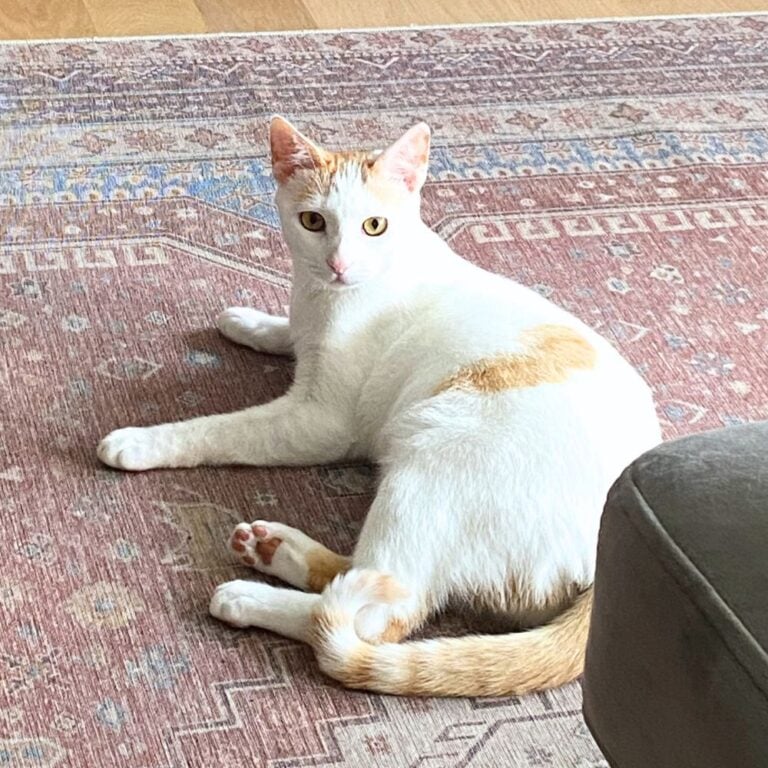
Credit: hfu.hollywoodfeed.com
Recognizing Warning Signs
Recognizing warning signs in Turkish Van cats helps catch health problems early. Observing your cat’s normal behavior and appearance is key. Changes often indicate discomfort or illness. Acting fast can improve your cat’s well-being and recovery.
Behavioral Changes
Watch for shifts in activity levels or mood. A usually playful cat becoming quiet may signal pain or sickness. Loss of appetite or hiding more than usual also matters. Sudden aggression or irritability can hint at distress. These signs should never be ignored.
Physical Symptoms
- Notice weight loss or gain without reason.
- Look for coughing, sneezing, or labored breathing.
- Check for unusual lumps or bumps on the body.
- Observe changes in coat condition or grooming habits.
- Monitor eyes and nose for discharge or redness.
When To Seek Help
Seek veterinary care if warning signs last more than a day. Sudden weakness, vomiting, or difficulty walking requires immediate attention. Persistent symptoms like diarrhea or trouble breathing need prompt evaluation. Early diagnosis can prevent serious health issues.
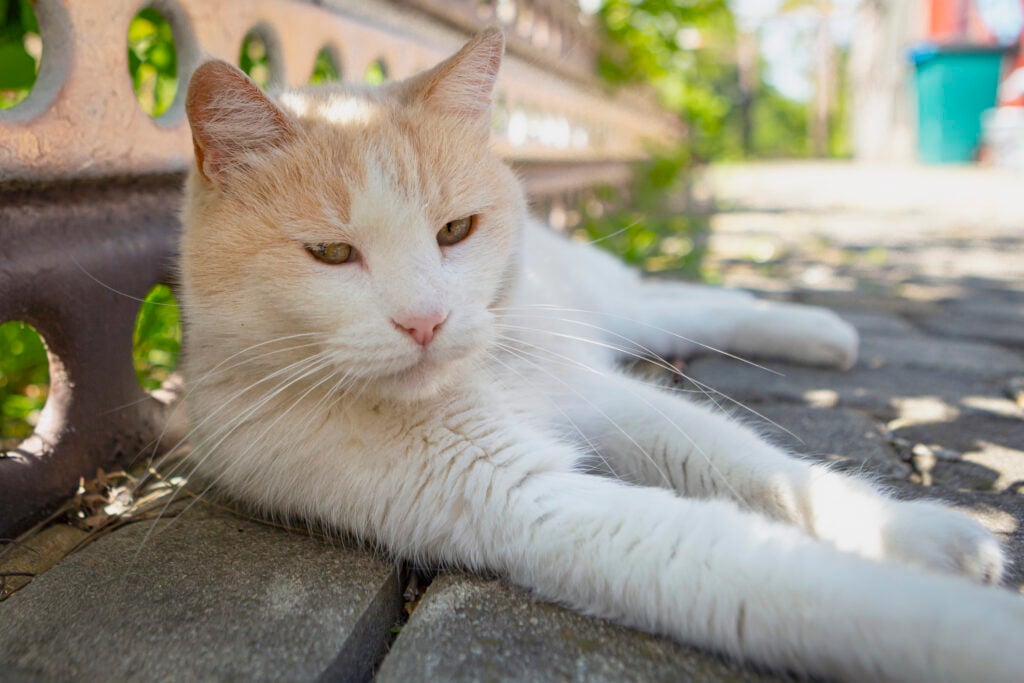
Credit: hfu.hollywoodfeed.com
Frequently Asked Questions
What Are Common Health Problems In Turkish Van Cats?
Turkish Van cats often face hypertrophic cardiomyopathy, obesity, and dental issues. Early vet checkups can prevent serious complications. Regular grooming also helps maintain their overall health and well-being.
Do Turkish Van Cats Have Genetic Health Issues?
Yes, hypertrophic cardiomyopathy is a genetic heart condition found in Turkish Vans. Responsible breeding reduces the risk. Genetic testing is recommended to identify potential health risks early.
How Can I Prevent Health Problems In Turkish Van Cats?
Provide a balanced diet, regular exercise, and routine vet visits. Early detection of health issues improves treatment success. Keep their environment clean and stress-free to support their immune system.
Are Turkish Van Cats Prone To Obesity?
Yes, Turkish Vans can gain weight if overfed or inactive. Monitor their diet and encourage playtime daily. Maintaining a healthy weight reduces risks of diabetes and joint problems.
Conclusion
Turkish Van cats can face some health issues. Regular vet visits help catch problems early. A good diet keeps them strong and active. Watch for signs like changes in eating or behavior. Clean water and exercise support their well-being. Knowing common health concerns helps you care better.
Give your cat love and attention every day. Healthy pets live happier, longer lives. Keep learning about their needs to stay prepared. Your care makes all the difference.
