

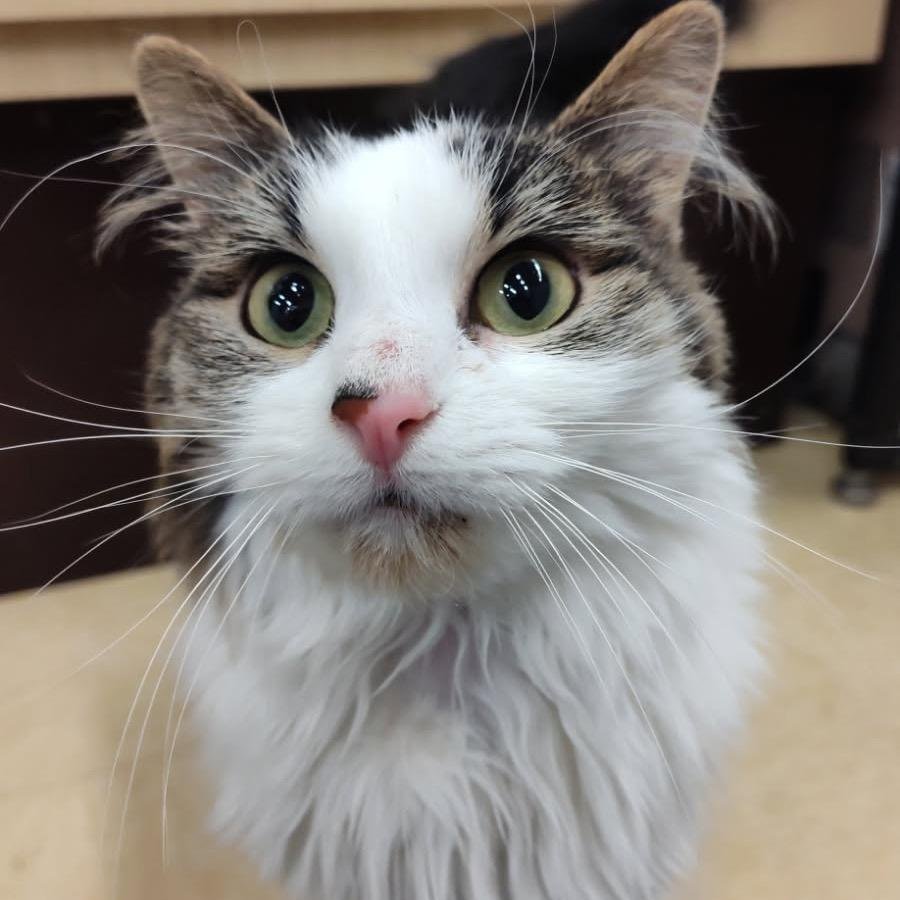
Are you ready to welcome a beautiful, playful companion into your life? Turkish Angora cats for adoption might be exactly what you’re looking for.
These elegant cats are not only stunning with their silky coats and striking eyes, but they also bring warmth and joy to any home. If you want a pet that’s smart, affectionate, and full of personality, keep reading. You’ll discover why Turkish Angoras make such wonderful friends and how you can bring one home to share your life with.

Credit: petcareshed.com.au
Turkish Angora Traits
The Turkish Angora is a captivating breed that combines elegance with a lively spirit. Knowing their traits helps you decide if this cat fits your home and lifestyle. Let’s look closely at what makes Turkish Angoras special.
Physical Appearance
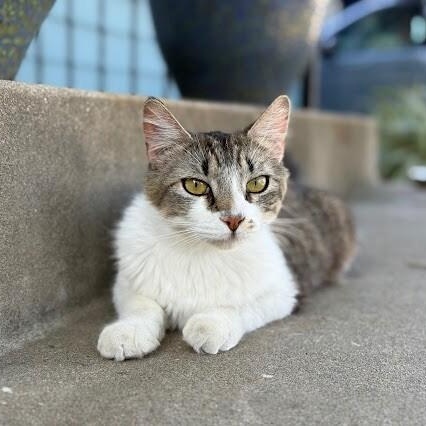
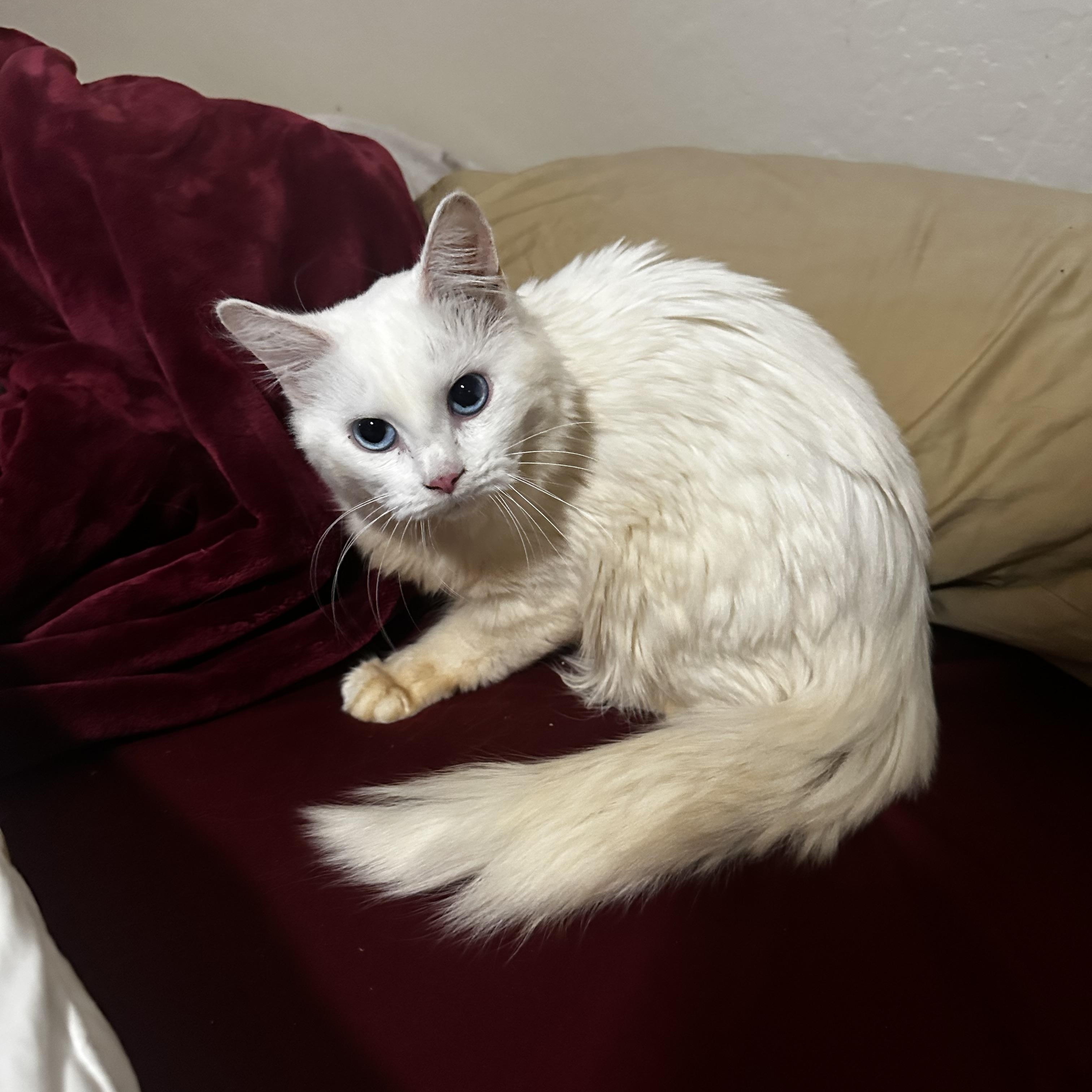
Turkish Angoras have a graceful, slender build with fine bones. Their silky, medium-long coat often shines pure white but can come in various colors and patterns.
Their almond-shaped eyes may be blue, green, amber, or even odd-eyed (each eye a different color). Their large, tufted ears and plumed tail add to their striking look.
Personality And Temperament
These cats are lively and affectionate, often forming strong bonds with their owners. They enjoy interactive play and can be quite vocal, sharing their opinions with you.
Turkish Angoras are intelligent and curious, sometimes testing your patience with their mischievous streak. If you want a playful companion who’s also loving, this breed fits well.
Health And Lifespan
Turkish Angoras generally enjoy good health and can live 12 to 16 years or more. Regular vet check-ups and a balanced diet keep them at their best.
Be aware of genetic conditions like hypertrophic cardiomyopathy (HCM) and deafness, especially in white-coated cats with blue eyes. Early screening can help you manage these risks effectively.
Credit: www.petfinder.com
Adoption Benefits
Adopting a Turkish Angora cat opens the door to a rewarding relationship filled with love and companionship. Beyond gaining a beautiful pet, you contribute to a greater cause by giving a cat a second chance. The benefits of adoption extend not only to the animal but also enrich your life in meaningful ways.
Why Choose Adoption
Choosing adoption means you’re saving a life that might otherwise be at risk. Many Turkish Angoras in shelters need a caring home due to abandonment or unforeseen circumstances.
You get a pet that is often already socialized and vetted, which can ease the transition into your home. Have you considered how adopting can bring a unique personality that only a rescue cat can offer?
Rescue Organizations And Shelters
Rescue groups and shelters specialize in caring for Turkish Angoras, ensuring they receive medical care and emotional support. These organizations understand the breed’s specific needs and temperament.
By working with them, you can access detailed histories and advice on how to care for your new cat. Think about the peace of mind you gain from adopting through a trusted shelter.
Adoption Process Steps
- Research:Start by finding reputable shelters or rescue groups specializing in Turkish Angoras.
- Visit and Meet:Spend time with the cats to understand their personalities and see which one connects with you.
- Application:Fill out an adoption form that helps the shelter assess your readiness and environment.
- Home Check:Some organizations require a home visit to ensure a safe space for the cat.
- Adoption Fee:This usually covers vaccinations, spaying/neutering, and microchipping.
- Bringing Your Cat Home:Prepare a quiet area with essentials to help your new pet adjust comfortably.
What part of the adoption process feels most challenging to you? Understanding each step can help you prepare and make the experience smoother.
Caring For Your Turkish Angora
Caring for your Turkish Angora means understanding its unique needs and personality. These elegant cats are known for their playful spirit and affectionate nature, which makes them wonderful companions. To keep your Angora happy and healthy, focus on proper diet, grooming, and exercise.
Diet And Nutrition
Your Turkish Angora thrives on a balanced diet rich in protein. Choose high-quality cat food that lists meat as the first ingredient. Avoid fillers like corn or soy, which offer little nutritional value.
Fresh water should always be available. Some owners notice their Angora prefers running water, so consider a pet water fountain.
Watch for weight changes. Turkish Angoras are active cats and can gain weight if overfed. Adjust portions based on activity levels and age.
Grooming Needs
Despite their silky, medium-length coat, Turkish Angoras require regular grooming. Brushing two to three times a week helps prevent mats and reduces shedding.
Pay attention to seasonal changes. During shedding seasons, increase grooming frequency to keep your home fur-free.
Check ears and eyes weekly. These cats can develop mild infections if debris accumulates, so cleaning with a damp cloth can prevent issues.
Exercise And Playtime
Turkish Angoras are energetic and love to climb and jump. Provide cat trees or shelves to satisfy their need to explore vertical spaces.
Interactive toys like feather wands or laser pointers keep them engaged and mentally stimulated. Have you noticed how your Angora reacts to new toys? Their curiosity is a sign of good mental health.
Schedule daily play sessions. Just 15 minutes of focused play can help prevent boredom and destructive behavior.
Credit: www.petfinder.com
Creating A Safe Home
Creating a safe home for your Turkish Angora cat is essential to ensure they feel secure, comfortable, and happy. These cats are curious and intelligent, so your environment needs to be both stimulating and safe. Taking the time to prepare your space thoughtfully will help you build a strong bond with your new feline friend.
Preparing Your Space
Start by choosing a quiet, cozy spot where your Turkish Angora can retreat whenever they want. Cats love vertical spaces, so adding cat trees or shelves at different heights gives them a safe vantage point and exercise opportunities.
Remove any toxic plants, chemicals, or small objects that your cat could swallow. Keep electrical cords hidden or covered because Turkish Angoras are playful and might chew on them.
Introducing To Other Pets
Introduce your Turkish Angora to other pets gradually. Use scent swapping by exchanging bedding or toys so they get used to each other’s smell before meeting face-to-face.
When they finally meet, supervise closely and keep initial interactions short and positive. Watch for signs of stress from either pet, like hissing or hiding, and give them space if needed.
Common Behavioral Tips
Turkish Angoras are social and enjoy attention, but they also appreciate alone time. Offering interactive toys can keep them entertained and reduce boredom.
These cats are known for their intelligence and agility, so providing puzzle feeders or training sessions can satisfy their mental needs. Are you ready to engage your cat’s clever mind daily?
Finding Your Cat
Finding the perfect Turkish Angora cat to adopt can be a rewarding journey. These cats are known for their elegance, playful nature, and affectionate behavior. Taking time to find the right cat ensures a happy and lasting companionship. Understanding where to search and what to ask will make the process smooth and enjoyable.
Where To Look For Adoption
Start by exploring local animal shelters and rescue groups. Many shelters have cats waiting for a loving home. Some specialize in specific breeds, including Turkish Angoras. Online adoption platforms also list cats available near you. Visit breed-specific rescues for a better chance of finding a Turkish Angora. Attend adoption events to meet cats face to face.
Questions To Ask Shelters
- How long has the cat been at the shelter?
- What is the cat’s health and vaccination history?
- Has the cat been spayed or neutered?
- What is the cat’s temperament and behavior like?
- Does the cat get along with other pets and children?
- Are there any special care needs or dietary restrictions?
These questions help understand the cat’s background and current needs.
Evaluating Cat Compatibility
Observe how the cat interacts with you during the visit. Notice if the cat is shy, playful, or relaxed. Think about your home environment and family members. Consider the cat’s energy level and how it fits your lifestyle. Ask the shelter if the cat has lived with other pets or children. A good match leads to a smoother transition and happier life together.
Frequently Asked Questions
What Are The Key Traits Of Turkish Angora Cats?
Turkish Angora cats are elegant, intelligent, and playful. They have silky, medium-long fur and striking eyes. These cats are social and bond well with families. Their agility and curiosity make them entertaining companions.
Where Can I Adopt A Turkish Angora Cat?
You can adopt Turkish Angoras from breed-specific rescues, animal shelters, or reputable breeders. Online adoption platforms often list available cats. Always verify the source to ensure healthy, well-socialized cats for adoption.
How Do I Care For A Turkish Angora Cat?
Turkish Angoras need regular grooming to maintain their silky coat. Provide interactive playtime to satisfy their active nature. A balanced diet and routine vet visits ensure their health and happiness.
Are Turkish Angora Cats Good With Children And Pets?
Yes, Turkish Angoras are friendly and adapt well to children and other pets. They enjoy social interaction and gentle play. Early socialization helps them build positive relationships within the family.
Conclusion
Adopting a Turkish Angora cat brings joy to any home. Their playful nature and elegance make them wonderful companions. These cats bond deeply with their families. They love attention and affection. Easy grooming and minimal shedding add to their charm.
Consider adopting one today. You’ll gain a loyal, loving friend. Shelters and rescue centers often have Turkish Angoras waiting. Give them a chance for a happy life. They’ll thank you with endless love and purrs. Adopting a cat saves lives.
Make a positive impact. Choose a Turkish Angora. Enjoy the joy and love they bring.
