

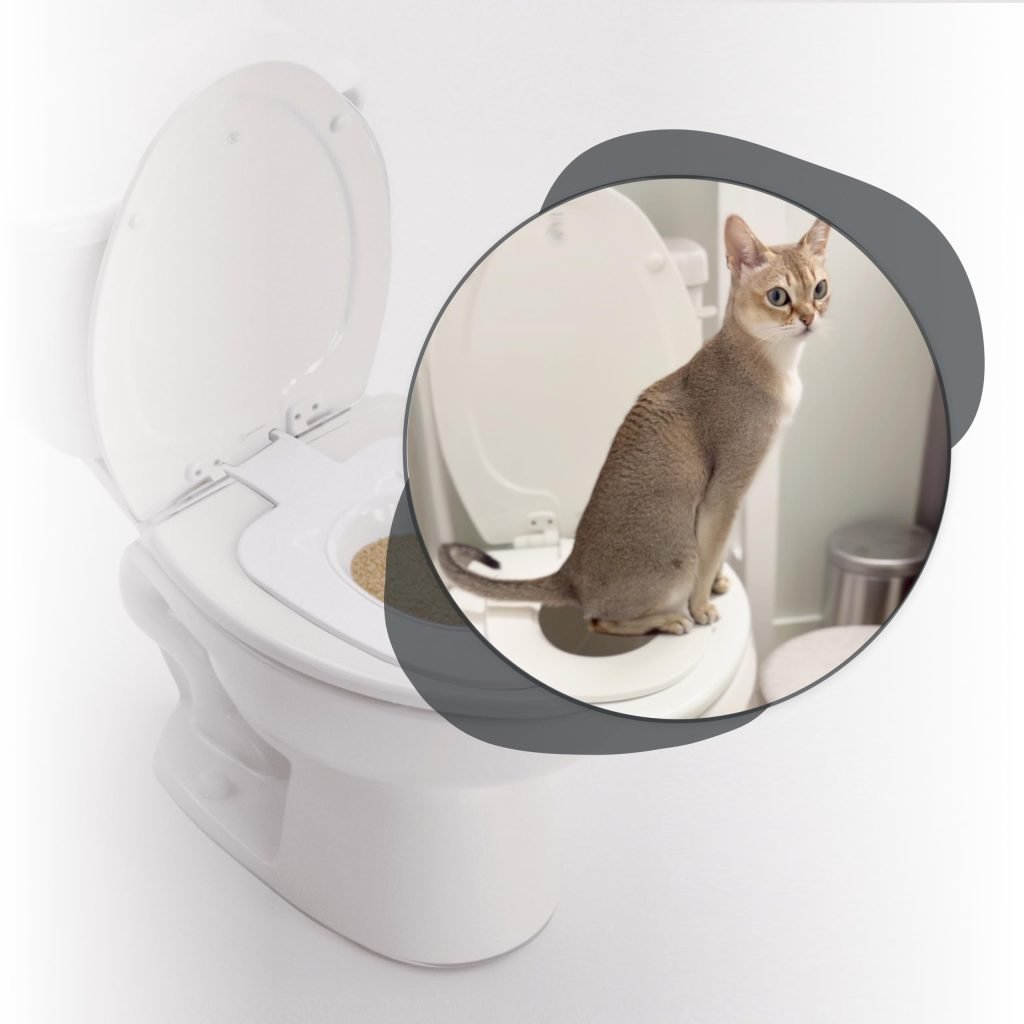
If you’ve ever wished your cat could ditch the litter box for good, you’re not alone. Training cats to use the toilet bowl might sound tricky, but it can save you time, money, and mess.
Imagine never scooping litter again or worrying about unpleasant odors in your home. You’ll discover simple steps to help your feline friend make this smart switch. Ready to transform your cat’s bathroom habits and enjoy a cleaner, fresher space? Let’s dive in!
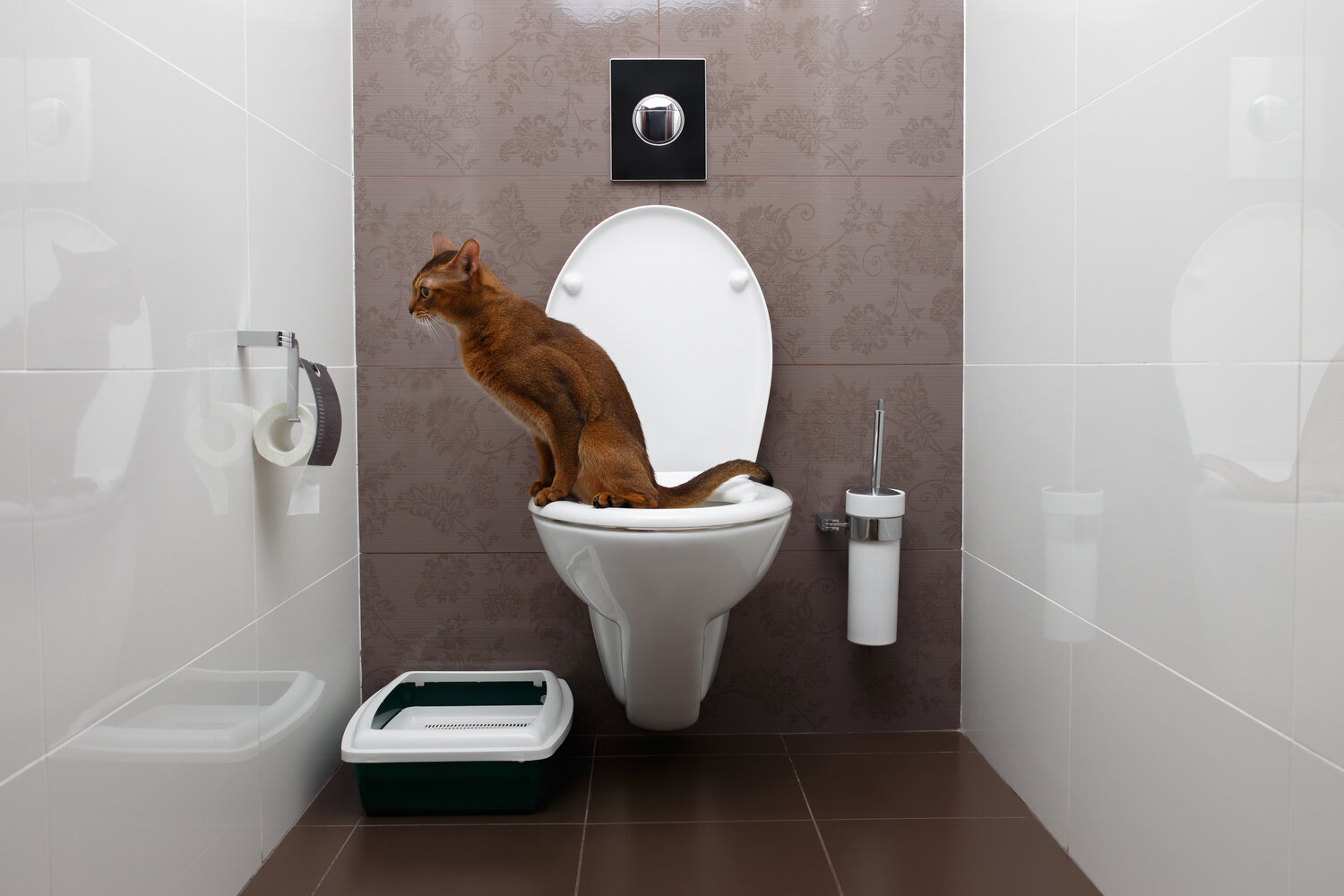
Credit: www.spacecatacademy.com
Benefits Of Toilet Training Cats
Training your cat to use the toilet offers several surprising benefits that go beyond just convenience. It can save you money, reduce unpleasant odors, and even help the environment. Understanding these advantages might inspire you to give toilet training a try with your feline friend.
Cost Savings On Litter
One of the most obvious benefits is the money you save on cat litter. Litter can be expensive, especially if you have multiple cats. Over time, skipping the litter box altogether can add up to significant savings.
Imagine not having to buy bags of litter every few weeks. You’ll also save on the plastic bags used for disposal. This means less hassle and fewer purchases, freeing up your budget for other pet care essentials.
Reducing Odors And Mess
Toilet training your cat can drastically cut down on the smell of cat waste in your home. Litter boxes often trap odors that can linger despite regular cleaning. Using the toilet eliminates the source of that smell entirely.
Plus, you won’t have to deal with scattered litter everywhere. No more finding granules on the floor or stuck to your cat’s paws. A cleaner home environment means less time spent cleaning and more time enjoying your pet’s company.
Environmental Impact
Have you considered how much waste cat litter produces? Most litter ends up in landfills, contributing to environmental pollution. By training your cat to use the toilet, you reduce the amount of litter waste significantly.
This small change can lower your household’s ecological footprint. Less litter means fewer resources used in production and disposal. It’s a simple way your pet can help the planet while staying hygienic.
Preparing Your Cat For Training
Preparing your cat for toilet training is a key step. It sets the stage for success and keeps your cat comfortable. Taking time to prepare helps your cat learn faster and reduces stress. You need to understand your cat’s behavior, gather the right tools, and make the space inviting. This preparation builds trust and makes training smoother.
Assessing Your Cat’s Readiness
Check if your cat is old enough, usually over six months. Watch your cat’s behavior. Are they curious and calm? Toilet training needs patience and focus from your cat. Avoid training if your cat is shy or stressed. Healthy cats learn faster. Make sure your cat has no health issues. A vet checkup helps before starting training.
Gathering Necessary Supplies
Collect all items before training begins. You will need:
- A special cat toilet training seat
- Flushable litter
- A step stool for easy toilet access
- Cleaning supplies for accidents
- Treats to reward your cat
Having supplies ready keeps training consistent and stress-free.
Creating A Comfortable Environment
Place the toilet training seat in a quiet bathroom. Keep the toilet lid open during training. Make sure the bathroom is warm and well-lit. Avoid loud noises and sudden movements. Let your cat explore the area freely. Comfort helps your cat feel safe and ready to learn.
Step-by-step Training Process
Training your cat to use the toilet can seem tricky, but breaking it down into clear steps makes the process smoother. Each phase builds on the previous one, guiding your cat gently towards ditching the litter box. You’ll need patience and close attention to your cat’s behavior to know when to move forward.
Introducing The Litter Box Near The Toilet
Start by moving your cat’s litter box closer to the bathroom. This helps your cat get comfortable with the new location without adding pressure. Place the box right next to the toilet and let your cat explore this new spot for several days.
Watch if your cat uses the box as usual. If they seem hesitant, try spending extra time near the box to reassure them. Have you noticed how cats react differently to changes in their environment? This stage is about getting your cat used to the bathroom’s smell and sounds.
Gradually Raising The Litter Box
Once your cat is comfortable with the box near the toilet, start raising it a few inches every couple of days. Use stable objects like books or small boxes to elevate the litter box gradually. This helps your cat get used to jumping up to the toilet’s height.
Keep an eye on your cat’s balance and comfort. If they seem unsure, slow down the pace. This gradual rise builds your cat’s confidence and physical ability to reach the toilet seat later.
Transitioning To A Training Seat
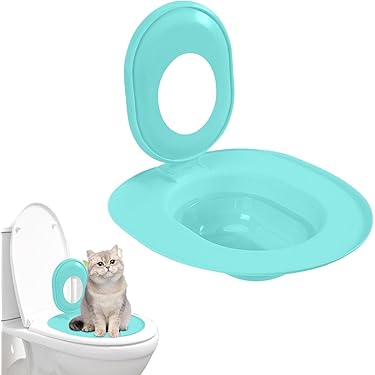
After the litter box is at toilet height, replace it with a special training seat designed for cats. These seats fit over the toilet bowl and hold litter inside. Your cat will use this just like their litter box but at the toilet itself.
Encourage your cat to use the training seat by adding their usual litter and treats nearby. You might need to guide them gently onto the seat at first. How often do you give your cat positive reinforcement during training? It’s key to keep them motivated.
Removing The Training Seat
When your cat consistently uses the training seat, start reducing the litter amount until it’s gone. Then, remove the training seat completely. Your cat should now be comfortable using the toilet bowl alone.
Be patient if accidents happen—they’re part of learning something new. Keep praise and rewards coming to reinforce this big success. Are you ready to celebrate your cat’s new skill?
Credit: www.amazon.com
Common Challenges And Solutions
Training cats to use the toilet can bring many benefits but also comes with challenges. Understanding common issues helps keep the process smooth and stress-free. Patience and clear strategies make a big difference for both you and your cat.
Dealing With Accidents
Accidents are normal during toilet training. Cats may miss the toilet or use the floor. Cleaning accidents quickly prevents bad smells and marks. Avoid punishment; it can scare your cat.
Try these tips to reduce accidents:
- Use flushable litter in the toilet training seat.
- Keep the litter box available nearby initially.
- Watch your cat’s behavior to learn their bathroom routine.
- Gradually move the litter closer to the toilet.
Handling Resistance Or Fear
Cats may resist new habits or fear the toilet noise. They need time to adjust to changes. Forcing them can cause stress or avoidance.
Help your cat feel safe with these ideas:
- Introduce the toilet area slowly and calmly.
- Use treats and praise for positive steps.
- Allow your cat to explore the toilet seat without pressure.
- Cover the toilet lid at first to reduce noise.
Maintaining Consistency
Consistency is key for successful training. Changing routines confuses cats and slows progress. Keep the toilet training setup stable each day.
Follow these consistency tips:
- Train at the same time daily.
- Keep the toilet seat and training tools in place.
- Reward your cat every time it uses the toilet correctly.
- Be patient; some cats learn slower than others.
Tips For Success
Training a cat to use the toilet requires patience and consistency. Success depends on how you support and guide your cat through each stage. Small steps and gentle encouragement make a big difference in their learning process.
Understanding your cat’s unique needs and habits helps tailor the training effectively. Watch their behavior closely and adjust your approach to keep them comfortable and motivated. Positive energy and calmness build trust and make training smoother.
Positive Reinforcement Techniques
Reward your cat with treats or praise immediately after they use the toilet correctly. Use a calm, happy voice to encourage them. Avoid punishment or harsh words, which can cause fear or confusion.
- Use small, tasty treats your cat loves.
- Give gentle petting or soft verbal praise.
- Keep rewards consistent and timely.
Positive reinforcement creates a clear connection between the behavior and reward. This helps your cat learn faster and enjoy the training process.
Monitoring Health And Behavior
Watch your cat’s health closely during training. Changes in bathroom habits can signal health problems. Check for signs like straining, blood, or changes in urine color.
- Note any reluctance to use the toilet.
- Observe changes in appetite or energy.
- Consult a vet if you see unusual symptoms.
Keeping track of your cat’s behavior ensures their well-being and helps you adjust training if needed.
Adapting Training For Different Cats
Each cat learns at its own speed. Some may adapt quickly; others need more time and support. Be patient and flexible with your training methods.
- Adjust the training pace to your cat’s comfort.
- Use different rewards based on what your cat likes.
- Provide extra reassurance to shy or anxious cats.
Adapting to your cat’s personality makes training less stressful and more successful.

Credit: www.amazon.com
Alternatives To Toilet Training
Training cats to use the toilet bowl is not the only option for managing their waste. Many cat owners prefer easier or more natural methods. These alternatives can suit different cats and homes. They also reduce mess and odor without complex training. Explore some practical choices to keep your cat happy and your space clean.
Self-cleaning Litter Boxes
Self-cleaning litter boxes remove waste automatically. They save time and keep the area tidy. Most models have sensors to detect when a cat finishes. The box then rakes or sifts the litter to a separate compartment. This reduces odors and the need for daily scooping. Many cats adjust quickly to these boxes. They provide a clean, comfortable place for cats.
Natural Litter Options
Natural litter options use materials that are eco-friendly and safe. Examples include wood pellets, corn, wheat, or paper. These litters often control odor well without harsh chemicals. They are biodegradable and easier to dispose of. Cats usually accept these litters easily. They offer a healthier choice for sensitive cats or owners.
Other Waste Management Solutions
Other solutions include training cats to use specific spots outdoors. Cat grass or sandbox areas can attract cats naturally. Some owners use washable litter mats or liners for easier cleanup. Portable litter boxes can be placed in convenient locations. Regular cleaning and proper placement help cats accept these options. These methods reduce stress for both cats and owners.
Frequently Asked Questions
How Long Does Toilet Training A Cat Usually Take?
Toilet training a cat typically takes 4 to 8 weeks. Patience and consistency are key. Each cat learns at its own pace, so progress may vary. Gradual steps and positive reinforcement help speed up the training process effectively.
What Supplies Are Needed For Cat Toilet Training?
You need a specialized cat toilet training seat, treats, and patience. A gradual transition from litter box to toilet is essential. Using a training seat helps your cat get comfortable with the toilet surface safely and hygienically.
Can All Cats Learn To Use The Toilet?
Most cats can learn toilet use, but some resist. Factors like age, personality, and health affect success. Kittens adapt quicker, while older cats may prefer litter boxes. Always observe your cat’s comfort and adjust training accordingly.
Is Toilet Training Safe For Cats?
Toilet training is safe when done gradually and carefully. Avoid forcing your cat, as stress can cause behavioral issues. Ensure the toilet seat is stable and clean. Monitor your cat’s health and litter habits throughout training.
Conclusion
Training cats to use the toilet takes time and patience. Every cat learns at its own speed. Small steps make the process easier for both of you. Keep the experience positive and avoid punishment. Celebrate little successes to encourage your cat.
This method saves litter and keeps the home cleaner. Many cat owners find it worth the effort. Remember, consistency and kindness help your cat succeed. Give your pet the chance to learn this new skill. It may surprise you how quickly cats adapt.
