

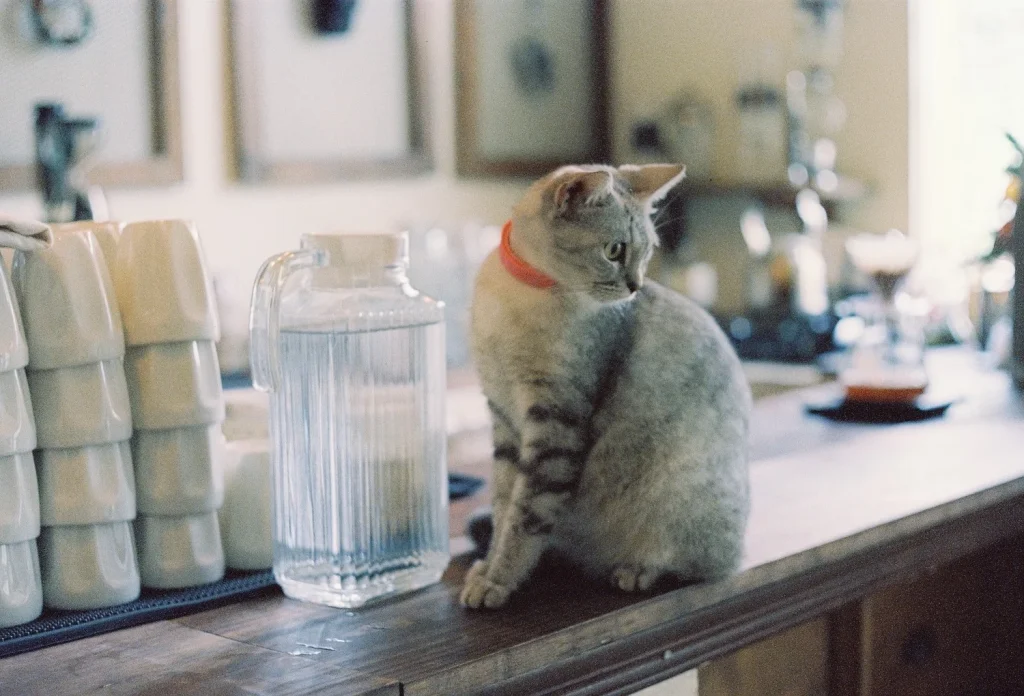
Are you tired of finding your cat perched on your kitchen counters, knocking over items, or leaving paw prints where they shouldn’t? You’re not alone.
Cats love exploring high places, but those counters can quickly become a source of frustration. The good news is you can train your cat to stay off counters without stress or harsh discipline. You’ll discover simple, effective tips that respect your cat’s nature and help keep your home clean and safe.
Ready to reclaim your counters and strengthen your bond with your furry friend? Let’s get started.

Credit: www.reddit.com
Why Cats Jump On Counters
Have you ever wondered why your cat seems drawn to your kitchen counters despite your best efforts? Understanding the reasons behind this behavior is key to training them effectively. Cats jump on counters for a mix of natural urges and practical reasons, and knowing these can help you create better strategies to keep them off.
Natural Instincts
Cats are natural climbers and hunters. Their ancestors used elevated spots to watch for prey and stay safe from predators. This instinct pushes your cat to seek high places like counters to feel secure and survey their surroundings.
Think about your cat’s wild side—it’s not just mischief but a deep-rooted behavior. When your cat jumps on the counter, they are simply following their natural impulse to climb and explore.
Seeking Food And Attention
Food is a huge motivator for cats. If your counters often have crumbs or interesting smells, your cat will see them as a treasure trove. Even the sight of you preparing meals can trigger their curiosity and hunger.
Sometimes, cats jump on counters because they want your attention. If they learn that this behavior gets a reaction from you, whether positive or negative, they may repeat it. Have you noticed your cat staring at you from the counter, waiting for a response?
Exploring Elevated Spaces
Cats love to explore new places, especially high ones. Counters offer a new vantage point and a change of scenery. Your cat might be bored or curious, looking for stimulation and adventure.
Providing alternative elevated spots, like cat trees or shelves, can satisfy this urge. This way, your cat can climb safely without invading your kitchen space. What high spots do you offer your cat at home?
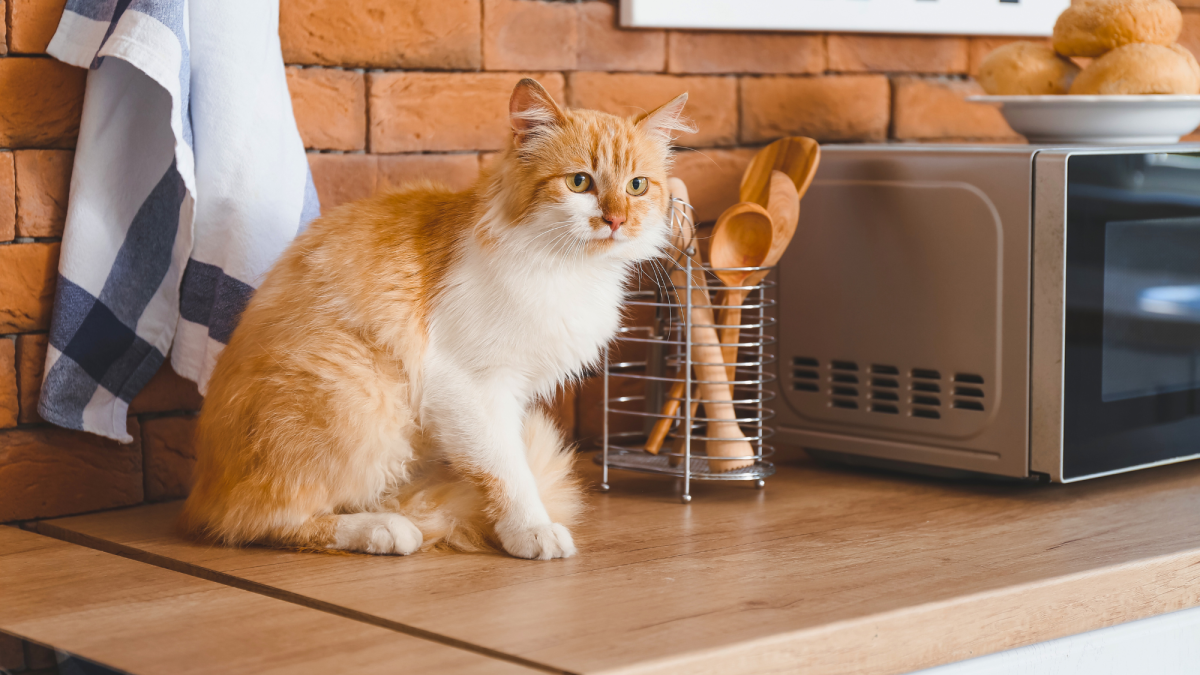
Credit: pethelpful.com
Preparing Your Home Environment
Preparing your home environment is a key step to train cats to stay off counters. Cats explore places that seem interesting or rewarding. Making counters less attractive helps change their habits. Adjusting the environment around counters reduces the chances of your cat jumping up. Simple changes make a big difference in their behavior.
Removing Temptations
Clear food, crumbs, and dishes from counters. Cats are drawn to smells and food left out. Keep counters clean and dry at all times. Store food in sealed containers or cabinets. Remove items that cats like to play with. This stops cats from seeing the counter as a fun place.
Creating Alternative Perches
Give cats other places to climb and watch from. Cats love high spots to feel safe and observe. Place cat trees or shelves near windows. Make these spots cozy with soft bedding or blankets. Encourage cats to use these areas with treats or toys. This distracts cats from counters and keeps them happy.
Using Deterrent Tools
Use safe tools to make counters less appealing. Place double-sided tape or aluminum foil on counters. Cats dislike sticky or noisy surfaces under their paws. Try motion-activated air sprays or mats that emit a gentle buzz. Avoid harsh punishments that cause fear or stress. Deterrents help cats learn boundaries in a kind way.
Positive Reinforcement Strategies
Positive reinforcement strategies are powerful tools to guide your cat away from counters without stress or punishment. These techniques focus on rewarding the behaviors you want to see, making your cat eager to repeat them. The key is to be patient and clear in your communication, helping your cat understand what is expected.
Rewarding Good Behavior
Whenever your cat chooses the floor over the counter, immediately reward them with a treat or affection. This helps your cat associate staying off the counters with positive outcomes. Keep small, tasty treats handy so you can reward instantly—delayed rewards lose their impact.
Try to notice even small improvements, like stepping down from the counter voluntarily. Your cat learns faster when you catch and reward these moments rather than waiting for perfect behavior.
Clicker Training Basics
Clicker training is a simple way to mark good behavior with a unique sound followed by a reward. The click acts like a clear “yes” that your cat understands, bridging the gap between action and reward.
Start by clicking and treating your cat just for paying attention to you. Then, click and reward when they stay on the floor or move away from the counter. This precise communication speeds up learning and makes training sessions more fun for both of you.
Consistency And Timing
Consistency is crucial. Always reward your cat immediately after the desired behavior to strengthen the connection. If you reward too late, your cat might get confused about what action earned the treat.
Make sure everyone in your household follows the same rules and rewards the same behaviors. Mixed messages can slow progress and frustrate your cat.
Ask yourself: Are you ready to be patient and consistent enough to see real change? Your dedication can turn counter-climbing into a habit your cat leaves behind.

Credit: www.walmart.com
Negative Deterrents That Work
Training cats to stay off counters can be challenging. Negative deterrents help teach cats which areas are off-limits. These deterrents discourage unwanted behavior without causing harm. They create a clear message that counters are not for jumping or exploring. Using safe and effective deterrents helps keep your kitchen clean and your cat safe.
Safe Physical Barriers
Physical barriers block your cat’s access to counters. Items like baby gates or cardboard sheets create a simple obstacle. Aluminum foil placed on counters feels strange under paws and discourages jumping. Plastic carpet runners with the spike side up provide a gentle, harmless barrier. These barriers are safe and easy to move or adjust.
Noise And Motion Deterrents
Noise surprises cats and interrupts their behavior. Small devices can emit sounds when cats jump on counters. Clapping hands or shaking a jar with coins works too. Motion-activated alarms detect movement and make a noise. These sounds startle cats without hurting them. Cats learn to avoid counters to escape the unpleasant noise.
Unpleasant Surfaces
Cats dislike certain textures on their paws. Sticky tape on counter edges creates a tacky feeling that cats avoid. Double-sided tape is a popular choice. Plastic mats with raised bumps provide an uncomfortable surface. These surfaces do not harm cats but make counters less inviting. Over time, cats choose to stay on the floor instead.
Building New Habits
Building new habits for your cat takes time and effort. Cats are creatures of habit, and changing their behavior requires consistent action. Training them to stay off counters involves teaching them what to do instead. It also means creating a routine they can follow. Patience is key during this process. Small, steady steps help your cat learn what is allowed and what is not.
Redirecting Attention
When your cat jumps on the counter, gently move them to a better spot. Offer a toy or a cat tree nearby. Give praise or a treat when they use the new spot. This helps them find a fun and safe place to be. Avoid yelling or punishment. Positive redirection works best for cats.
Setting A Routine
Create a daily schedule for feeding and playtime. Cats like to know what to expect. Provide activities at the same time every day. Use play sessions to tire your cat out. A tired cat is less likely to explore counters. Keep the environment interesting with toys and climbing areas.
Patience And Persistence
Changing habits is not quick. Expect some setbacks. Stay calm and consistent. Repeat redirection and routines often. Your cat learns through repetition. Celebrate small successes along the way. Over time, your cat will understand the new rules.
When To Seek Professional Help
Training cats to stay off counters can be challenging. Sometimes, simple home methods do not work. Knowing when to seek professional help saves time and stress. Professionals understand complex cat behaviors and health issues. They can provide tailored advice and support. Here are signs that a professional’s help is needed.
Behavioral Issues
Persistent counter jumping may signal deeper problems. Anxiety, stress, or territorial behavior can cause this. Aggression or destructive habits might also appear. These behaviors need expert evaluation and guidance. Professionals use behavior modification techniques that owners might not know. Early intervention prevents worsening habits and improves your cat’s well-being.
Health Concerns
Health problems sometimes cause unusual behavior. Cats with pain or illness might seek high places. Urinary tract infections or cognitive issues can increase restlessness. A vet check-up rules out medical causes. Professionals work with vets to address health-related behaviors. Treating underlying health issues often stops unwanted counter climbing.
Finding A Cat Trainer
Choose a trainer who specializes in feline behavior. Look for certifications and positive reviews. A good trainer uses gentle, reward-based methods. Avoid trainers who use punishment or fear. Ask about their experience with counter training. A skilled trainer creates a clear, easy plan for you and your cat.
Frequently Asked Questions
How Can I Train My Cat To Avoid Kitchen Counters?
Use deterrents like double-sided tape or aluminum foil on counters. Reward your cat with treats when they stay off. Consistency and patience are key to successful training.
Why Do Cats Jump On Kitchen Counters?
Cats seek high places for safety, curiosity, and food. They enjoy exploring and observing their surroundings from elevated spots.
What Are Safe Alternatives To Kitchen Counters For Cats?
Provide cat trees, shelves, or window perches. These give cats vertical space to climb and explore safely.
How Long Does It Take To Train Cats Off Counters?
Training usually takes a few weeks with consistent effort. Every cat learns at its own pace.
Conclusion
Training cats to stay off counters takes patience and consistency. Use gentle corrections and rewards to guide their behavior. Create a space where cats feel safe and can explore. Avoid harsh punishments that scare or confuse them. Remember, every cat learns at its own pace.
Small steps lead to lasting habits. With care and time, counters can stay cat-free. Your home will feel cleaner and more peaceful. Keep trying, and enjoy the bond you build with your pet. Success comes from kindness and steady effort.
