

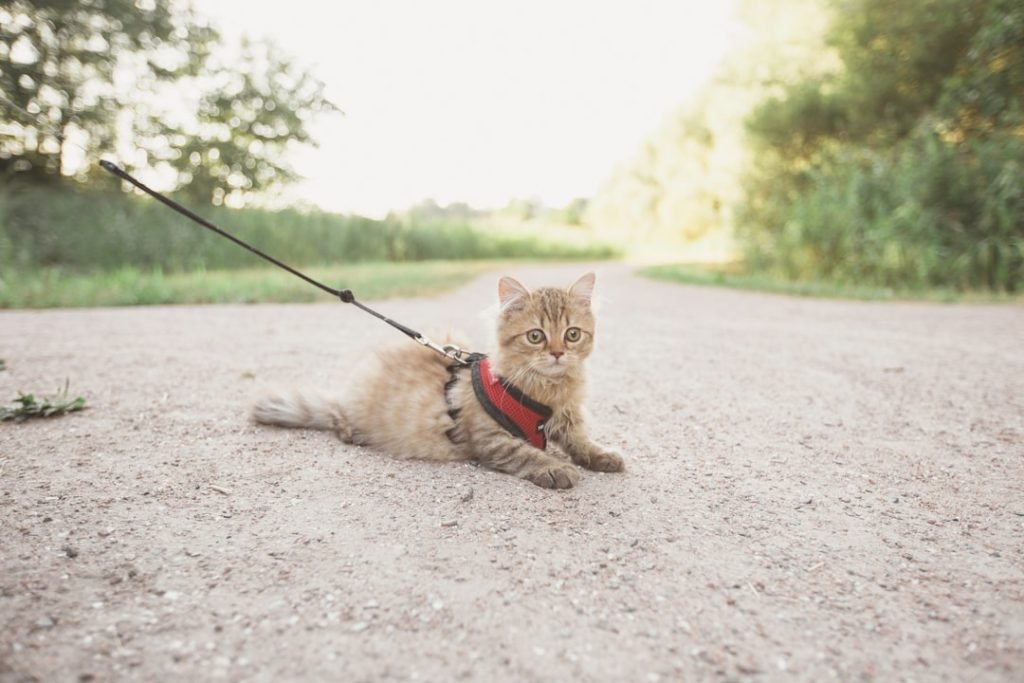
Have you ever wondered if your cat could enjoy the outdoors safely? Training your cat on a leash opens up a whole new world for both of you.
It lets your furry friend explore fresh scents and sights while keeping them protected. But getting started can feel tricky, and you might worry about how your cat will react. Don’t worry—this guide will walk you through simple, effective steps to make leash training a smooth and rewarding experience.
Ready to turn your curious cat into a confident explorer? Keep reading to discover how!

Credit: www.amazon.ca
Benefits Of Leash Training
Leash training a cat offers many benefits for both pets and owners. It allows cats to explore outside safely. It also gives owners better control during outdoor time. Training on a leash helps build trust and strengthens the bond between you and your cat.
Leash training is a simple way to improve a cat’s daily life. It makes walks outside enjoyable and stress-free. The benefits go beyond safety, including mental and physical health gains.
Safety And Control
Leash training keeps cats safe from dangers like traffic and other animals. It stops them from running away or getting lost. Owners can guide cats easily, preventing risky situations. Leash control means cats stay close without feeling trapped.
Mental Stimulation
Exploring new sights and smells on a leash excites a cat’s mind. It helps reduce boredom and stress. Mental stimulation from outdoor walks keeps cats curious and active. Training sessions also build confidence and improve behavior.
Exercise Opportunities
Leash walks encourage cats to move more than indoor play alone. Regular exercise helps maintain a healthy weight and strong muscles. Walking outside offers fresh air and natural sunlight. It supports overall health and increases a cat’s happiness.

Credit: www.timescolonist.com
Choosing The Right Gear
Choosing the right gear is key to training your cat on a leash safely and comfortably. The right equipment helps your cat feel secure and less stressed. It also makes walks more enjoyable for both of you. Picking gear that fits well and suits your cat’s needs improves the training process.
Selecting A Comfortable Harness
A harness must fit snugly but not too tight. It should not rub or pinch your cat’s skin. Soft, breathable materials are best for comfort. Look for adjustable straps to get the perfect fit. Harnesses designed for cats often have a figure-eight or vest style. These reduce the chance of slipping out. Test the harness indoors before going outside.
Leash Types And Lengths
Choose a lightweight leash that does not pull your cat. A 4 to 6-foot leash works well for control and freedom. Avoid heavy chains or thick ropes. Nylon or leather leashes are good options. Some leashes come with a reflective strip for visibility. A retractable leash is not ideal for training beginners. It gives less control and may confuse your cat.
Essential Accessories
- A small bell on the harness helps you hear your cat.
- Collar ID tags are useful in case your cat escapes.
- Poop bags keep walks clean and respectful.
- Training treats encourage good behavior.
- A portable water bottle keeps your cat hydrated.
Preparing Your Cat
Preparing your cat for leash training sets the foundation for success. Cats need time to adjust to new experiences. Patience and gentle guidance help your cat feel safe and calm. Start slow and build trust gradually. Understanding your cat’s feelings improves the training process.
Acclimating To The Harness
Choose a lightweight and comfortable harness for your cat. Let your cat sniff and explore the harness first. Place the harness near their bed or favorite spot. Gradually put the harness on your cat for short periods. Watch for signs of discomfort or stress. Praise your cat and give treats while wearing the harness. Increase the time slowly as your cat gets used to it.
Positive Reinforcement Techniques
Use treats and gentle petting to reward good behavior. Speak softly to encourage your cat during training. Give rewards immediately after your cat stays calm or moves with the harness. Avoid punishment or harsh words. Make training sessions short and fun to keep your cat interested. Repeat positive experiences to build confidence and trust.
Handling Common Fears
Cats may fear the harness or leash at first. Stay calm to help your cat feel safe. Distract your cat with toys or treats during early sessions. Never force your cat to wear the harness. Allow breaks if your cat seems stressed. Use soft words and slow movements to reduce anxiety. Celebrate small steps toward comfort and cooperation.
Step-by-step Training Process
Training your cat to walk on a leash can be a rewarding experience, but it requires patience and a clear plan. Breaking the process into manageable stages helps your feline friend adjust comfortably without feeling overwhelmed. Let’s walk through a practical approach that guides your cat from indoor practice to safe outdoor exploration.
Indoor Practice Sessions
Start by letting your cat wear the harness indoors for short periods. This helps them get used to the feel without any pressure to move around. Watch your cat’s body language closely—if they seem stressed, give them a break and try again later.
Next, attach the leash and gently guide your cat around your home. Use treats or toys to encourage movement and positive associations. Keep sessions brief and fun; the goal is to build comfort, not force compliance.
Introducing Outdoor Environments
Once your cat walks calmly indoors, bring them outside to a quiet, enclosed space like a backyard. The new sounds and smells can be startling, so stay close and offer reassurance. Allow your cat to observe the environment without pressure to explore immediately.
Gradually increase the duration of outdoor sessions as your cat becomes more relaxed. Pay attention to their pace—do they seem curious or cautious? Adjust your approach accordingly, ensuring they feel safe and in control.
Encouraging Exploration Safely
Encourage your cat to explore by following their lead, rather than pulling the leash. Use positive reinforcement like treats when your cat moves confidently. This builds trust and makes outdoor adventures enjoyable for both of you.
Consider potential distractions such as dogs or loud noises. Have a plan to calmly bring your cat back if they get scared. How will you respond if your cat suddenly wants to bolt? Preparing for these moments keeps training on track and stress-free.
Troubleshooting Challenges
Training a cat on a leash can be rewarding but also frustrating at times. You might face obstacles that make progress slow or confusing. Understanding how to troubleshoot these challenges can keep you motivated and your cat comfortable during training sessions.
Dealing With Resistance
Resistance is common when your cat first experiences a leash. They may freeze, try to pull away, or simply refuse to move. Instead of forcing them, try to gently coax your cat with treats and soft praise.
Notice what triggers their resistance. Is it the leash itself, the harness, or the outdoor environment? Removing or changing the trigger slightly can help your cat feel less threatened.
Patience is key. Sometimes, letting your cat explore the leash indoors before stepping outside eases tension. Have you tried offering a favorite toy to shift their focus away from the harness?
Managing Distractions
Cats are naturally curious, which means distractions will pop up often during leash walks. Birds, cars, or even passing dogs can grab their full attention and cause them to freeze or dart suddenly.
Minimize distractions by starting in a quiet, enclosed area. Gradually introduce new sights and sounds as your cat becomes more confident. Use treats to redirect their attention back to you when they get distracted.
Have you noticed which distractions your cat reacts to most? You can plan your training sessions around those moments to reinforce calm behavior.
Adjusting Training Pace
Every cat learns at a different speed. Some take to leash training quickly, while others need more time to feel secure. Watch your cat’s body language closely to know when to speed up or slow down.
If your cat seems stressed or overwhelmed, pause the training and return to easier steps. Consistency matters more than speed, so keep sessions short and enjoyable.
Could breaking training into smaller, more frequent sessions help your cat stay engaged? Experiment and find the rhythm that works best for both of you.

Credit: www.timescolonist.com
Enhancing Outdoor Adventures
Training your cat to walk on a leash opens up new worlds outside your home. It lets your feline friend explore safely and enjoy fresh air. Outdoor adventures can boost your cat’s mood and health. Careful planning makes these outings fun and stress-free.
Choosing Cat-friendly Locations
Select quiet places with low traffic and few dogs. Parks with grassy areas offer soft spots for walking. Avoid busy streets or loud spots that can scare cats. Look for shady areas to protect your cat from heat. Check for places free of harmful plants or chemicals.
Incorporating Play And Exploration
Bring toys to keep your cat interested during walks. Use feather wands or small balls for short play sessions. Let your cat sniff around and explore safely at its own pace. Change routes to keep walks exciting and new. Praise your cat with gentle words or treats.
Monitoring Health And Well-being
Watch your cat closely for signs of stress or tiredness. Check paws for cuts or debris after each walk. Keep an eye on breathing and energy levels during outings. Bring fresh water to keep your cat hydrated. Stop the walk if your cat seems uncomfortable or scared.
Frequently Asked Questions
How Do I Start Training My Cat On A Leash?
Begin by letting your cat wear a harness indoors. Gradually attach the leash and allow short, supervised walks. Be patient and use treats for encouragement.
What Type Of Harness Is Best For Leash Training Cats?
Choose a lightweight, secure harness designed specifically for cats. It should fit snugly but comfortably to prevent slipping or injury.
How Long Does Leash Training Take For Cats?
Training duration varies, often taking several weeks. Consistent, short sessions help your cat adjust and build confidence on the leash.
Can All Cats Be Trained To Walk On A Leash?
Most cats can learn leash walking, but some may resist due to temperament. Patience and gentle encouragement increase success chances.
Conclusion
Training your cat on a leash takes time and patience. Start slow and keep sessions short. Praise your cat with treats and gentle words. Let your cat explore safely outdoors. This helps build trust and confidence. Enjoy the new experience together.
A well-trained cat on a leash stays safe and happy. Keep practicing regularly for best results. Your efforts will bring great rewards.
