

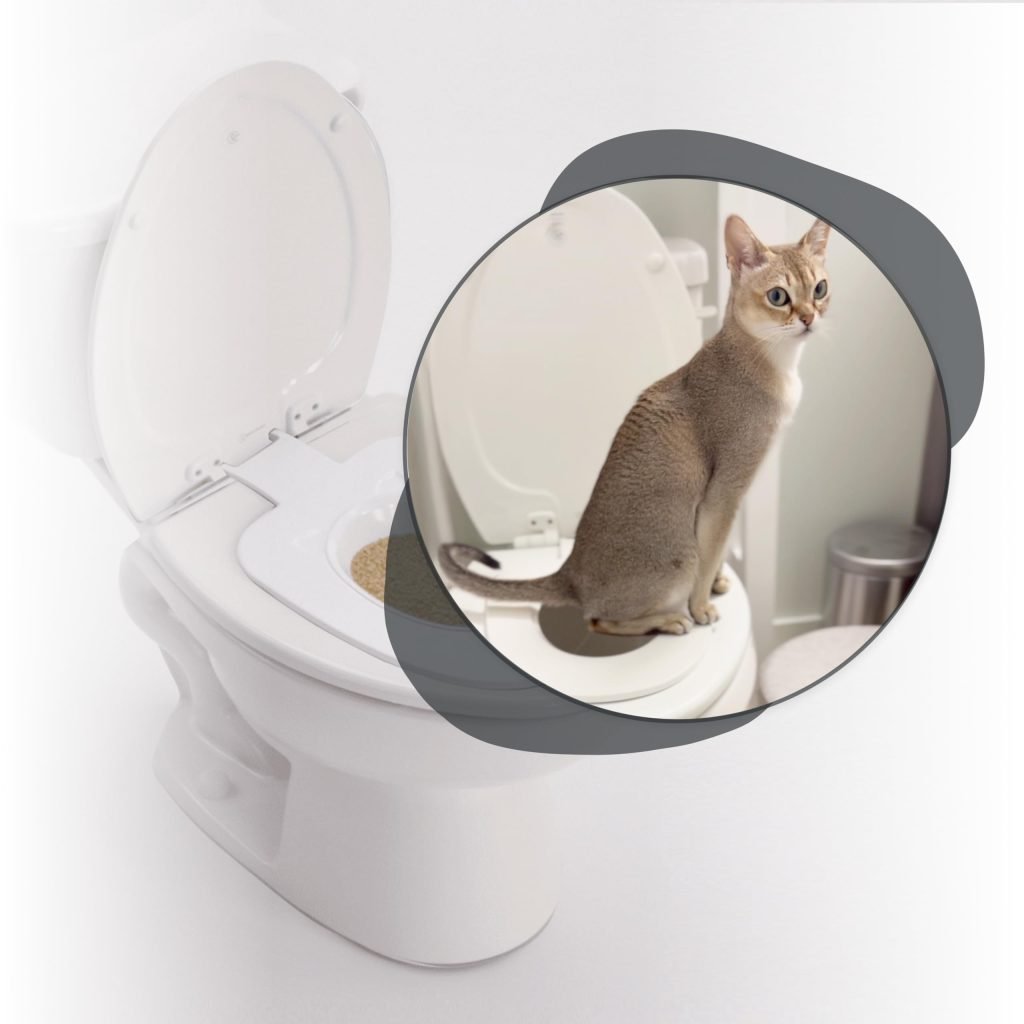
Imagine never having to scoop your cat’s litter box again. Sounds like a dream, right?
Training your cat to use the toilet can make that dream a reality. It’s not only cleaner for your home but also saves you time and money. You might think it’s impossible or too difficult, but with the right steps, you can teach your cat this impressive trick.
Ready to discover how you can transform your cat’s bathroom habits and enjoy a fresher, easier home life? Keep reading, and you’ll find out exactly how to make it happen.

Credit: tasmanianbotanics.com.au
Benefits Of Toilet Training Cats
Training your cat to use the toilet can seem challenging, but the benefits are worth considering. Beyond the convenience, toilet training can positively impact your daily routine and your pet’s well-being. Here are some clear advantages that might make you rethink the traditional litter box.
Hygiene And Cleanliness Improvement
Toilet training significantly reduces the mess associated with litter boxes. You no longer have to deal with scattered litter or the unpleasant odors that often come with it.
Keeping your bathroom clean becomes easier because your cat uses the same system as you. This can lower the risk of bacterial infections for both you and your pet.
Cost Savings Over Time
Have you ever calculated how much money you spend on cat litter every year? Switching to toilet training can save you a considerable amount.
With no need to constantly buy litter, you can cut down on one regular expense. This small change can add up to noticeable savings over months and years.
Convenience And Space Saving
Think about the space your cat’s litter box takes up. Toilet training frees up that spot, giving you more room at home.
It also reduces the hassle of daily scooping and cleaning, which can be time-consuming and unpleasant. Your routine becomes simpler, and your living space feels tidier.
Environmental Benefits
Many cat litters contain clay or silica, which are not environmentally friendly. By training your cat to use the toilet, you cut down on the waste generated by used litter.
This small lifestyle change can reduce your household’s environmental footprint. It’s a simple way to contribute to a greener planet without much effort.
Enhances Cat’s Adaptability And Intelligence
Training your cat to use the toilet taps into their intelligence and adaptability. It challenges them mentally and physically, providing stimulation beyond typical playtime.
Observing your cat learn this new skill can be rewarding and deepen your bond. Have you noticed how quickly some cats pick up new tricks?
Preparing Your Cat For Training
Preparing your cat to use the toilet requires patience and planning. It is important to create a calm and positive environment. This helps your cat feel safe during the new training experience. Start by making small changes to your cat’s routine. This builds comfort and trust. Understanding your cat’s behavior and habits also plays a key role in success.
Choosing The Right Toilet
Select a toilet that is stable and easy to access. The seat should be comfortable for your cat to sit on. Avoid toilets that are too high or slippery. A quiet bathroom without loud noises works best. Make sure the bathroom door stays open during training. This lets your cat explore without fear.
Gathering Necessary Supplies
- Training seat or special cat toilet seat
- Flushable litter or training litter
- Cleaning supplies for accidents
- Treats and toys for rewards
- Step stool if toilet is too high
Having these supplies ready makes training smoother. Prepare the bathroom area with all items before starting.
Assessing Your Cat’s Readiness
Watch your cat’s behavior closely. Is your cat comfortable using the litter box? Does your cat like to jump and balance? Cats that are calm and curious adapt faster. Avoid training if your cat is stressed or sick. A healthy and confident cat has a better chance to succeed.
Starting With The Litter Box
Starting with the litter box is the first move toward training your cat to use the toilet. This step helps your cat get used to a new routine without stress. The goal is to make changes slowly. Cats prefer familiar places. Sudden changes can confuse or scare them. Begin by making small adjustments to the litter box location and setup. This builds comfort and trust in the process.
Gradual Litter Box Movement
Move the litter box little by little toward the bathroom. Shift it a few inches each day or every few days. Keep the box clean and full of fresh litter. Your cat will follow the box naturally if it stays inviting. Avoid rushing the move. Watch your cat’s behavior. If your cat seems stressed, pause the move until it relaxes. This slow change reduces anxiety and helps your cat adapt.
Encouraging Use In New Locations
Once the litter box is near the toilet, encourage your cat to use it there. Sit with your cat near the box and praise it for using it. Place treats or toys close by to make the area appealing. Keep the bathroom quiet and free of distractions. Some cats like a bit of privacy. You can close the bathroom door gently if needed. Keep the litter box clean to maintain your cat’s interest.

Credit: www.walmart.com
Introducing The Toilet Training Seat
Introducing a toilet training seat is a key step in helping your cat transition from the litter box to the toilet. This special seat acts as a bridge, making the toilet more accessible and less intimidating for your feline friend. Choosing and positioning the right seat can make a significant difference in how smoothly your cat adapts to this new routine.
Selecting A Training Seat
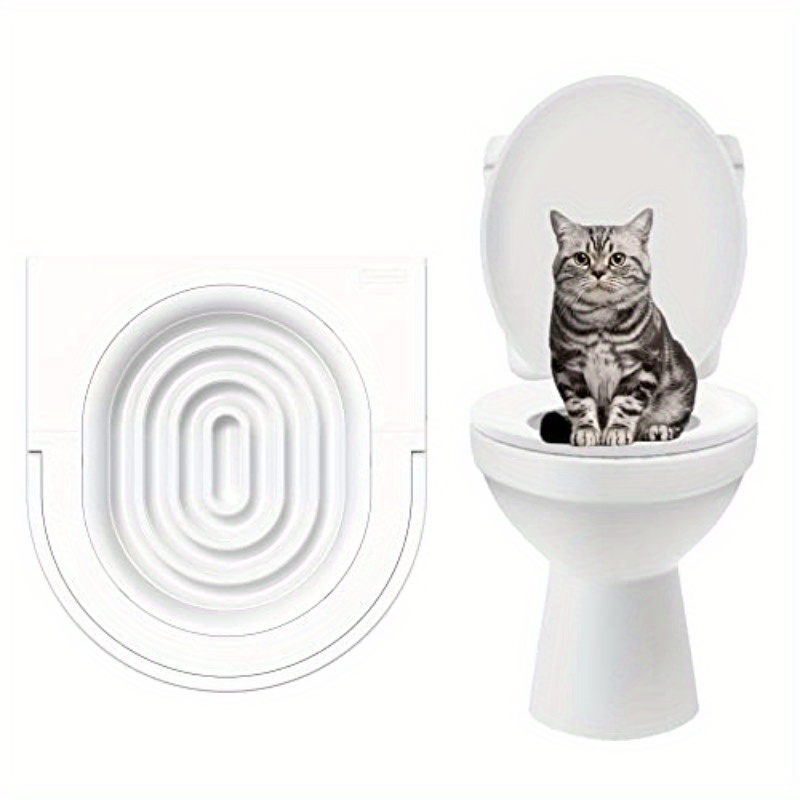
Not all training seats are created equal. Look for a seat designed specifically for cats, with a sturdy base and a comfortable surface. Some come with adjustable rings that let you gradually increase the hole size as your cat gets used to balancing on the toilet.
Consider your cat’s size and personality too. A larger cat might need a seat with extra support, while a shy cat could benefit from a seat that feels more enclosed. Have you noticed how your cat reacts to new objects? Use that insight to pick a seat that feels safe for them.
Placing The Seat On The Toilet
Positioning the training seat correctly is just as important as choosing the right one. Place it firmly on the toilet bowl to prevent slipping, and ensure it’s level so your cat feels stable. If the seat wobbles, your cat might lose confidence and refuse to use it.
Try to keep the toilet lid up and the bathroom door open to encourage your cat to explore. You might want to add treats or toys nearby to create positive associations. How can you make this new spot feel inviting for your cat every time?
Step-by-step Training Process
Training your cat to use the toilet requires patience and a clear plan. The process involves gradual changes that help your cat adjust comfortably. Let’s break down the key stages that make this training effective and manageable for both you and your feline friend.
Filling The Seat With Litter
Start by placing a special training seat on the toilet that holds cat litter. This mimics your cat’s usual litter box environment while introducing them to the toilet area.
Keep the litter deep enough so your cat feels familiar with the texture. This step helps reduce anxiety and encourages your cat to use the toilet spot confidently.
Reducing Litter Gradually
Once your cat is comfortable, slowly reduce the amount of litter in the training seat. This encourages your cat to adjust to less litter without feeling stressed.
Try reducing the litter by a small amount every few days. Watch your cat’s behavior closely—if they seem hesitant, slow down the reduction pace to keep their confidence steady.
Transitioning To The Toilet Water
After the litter is almost gone, the next challenge is getting your cat used to the water in the toilet bowl. This is often the hardest step, so patience is key.
Keep the training seat in place but without litter, allowing your cat to get used to the new surface. If your cat resists, consider adding a small amount of flushable litter on the water’s surface to entice them.
Have you noticed how cats respond differently to new environments? Pay close attention and adjust your timing based on your cat’s comfort level.
Handling Common Challenges
Training your cat to use the toilet can be a rewarding experience, but it doesn’t come without its bumps. You might face moments when your cat hesitates or accidents happen unexpectedly. Understanding how to handle these common challenges can keep the process smooth and less stressful for both of you.
Dealing With Fear Or Resistance
Some cats may feel nervous about leaving their litter box behind. They might be confused by the new setup or afraid of falling into the toilet. Watch your cat’s body language closely—if they seem tense or avoid the toilet area, try making the space more inviting.
- Place treats or toys near the toilet to create positive associations.
- Spend time sitting by the toilet with your cat, offering gentle encouragement.
- Reduce sudden changes; transition slowly from the litter box to the toilet.
Have you noticed your cat’s hesitation? Patience and small steps often help ease their fears.
Managing Accidents
Accidents are part of learning. Your cat might miss the toilet or revert to the litter box occasionally. Instead of scolding, clean the area thoroughly to remove odors that could attract repeat accidents.
- Use enzyme-based cleaners to eliminate lingering smells.
- Keep the litter box accessible during training as a backup option.
- Observe patterns—does your cat prefer a specific time or location?
Tracking these details can help you adjust your training approach. How do you handle slip-ups without frustration?
Maintaining Consistency
Consistency is key in toilet training. If you skip steps or rush the process, your cat may get confused. Stick to a daily routine and monitor your cat’s progress regularly.
- Keep the toilet lid up and seat down during training hours.
- Reinforce positive behavior with treats or praise immediately after success.
- Avoid sudden changes in environment that might disrupt training.
Think about your own daily habits—how can you create a steady schedule that supports your cat’s learning? Consistency builds confidence and speeds up progress.
Tips For Long-term Success
Training your cat to use the toilet can save time and reduce litter mess. Success depends on patience and consistency. Long-term results come from gentle guidance and careful observation.
Keep the experience positive for your cat. Adjust the speed of training to fit your cat’s comfort. Watch your cat’s health closely to avoid problems.
Positive Reinforcement Techniques
Reward your cat with treats or praise after each successful attempt. Use a calm voice and gentle petting to encourage your cat. Avoid punishment; it can cause fear and stress. Consistent rewards help your cat link good behavior with positive outcomes.
Adjusting Training Pace
Let your cat set the pace. Some cats learn fast, others need more time. Watch your cat’s reactions and slow down if they seem anxious. Break the training into small steps for easier learning. Patience helps your cat feel safe and confident.
Monitoring Your Cat’s Health
Keep an eye on your cat’s litter box habits during training. Look for signs like straining or frequent urination. Changes in behavior may indicate health issues. Consult a vet if you notice unusual signs. Healthy cats adapt better to toilet training.
Credit: www.temu.com
Frequently Asked Questions
How Long Does It Take To Train A Cat To Use The Toilet?
Training a cat to use the toilet usually takes 4 to 6 weeks. Patience and consistency are key during this process. Each cat learns at its own pace, so adjust training speed accordingly for best results.
What Supplies Do I Need To Train My Cat For Toilet Use?
You need a specially designed cat toilet training seat, treats, and patience. Gradual training tools help transition your cat from litter box to toilet smoothly. Consistent positive reinforcement encourages successful training.
Can All Cats Learn To Use The Toilet Effectively?
Most cats can learn toilet training with proper guidance and patience. However, some cats may resist due to age, temperament, or health issues. Observe your cat’s behavior and adjust training techniques as needed for success.
Is Toilet Training Safe And Hygienic For Cats?
Yes, toilet training can be safe and hygienic if done correctly. Ensure the toilet seat is stable and clean. Monitor your cat’s health and behavior throughout training to prevent stress or accidents.
Conclusion
Training your cat to use the toilet takes time and patience. Small steps help your cat learn better. Celebrate each success, no matter how small. This method can save litter and keep your home cleaner. Not every cat will like it, so watch your pet’s comfort.
Stay calm and consistent throughout the process. A happy cat means a happy owner. Try this approach and see how it works for you. Toilet training your cat can be a simple, helpful skill. Give it a chance and enjoy the results.
