

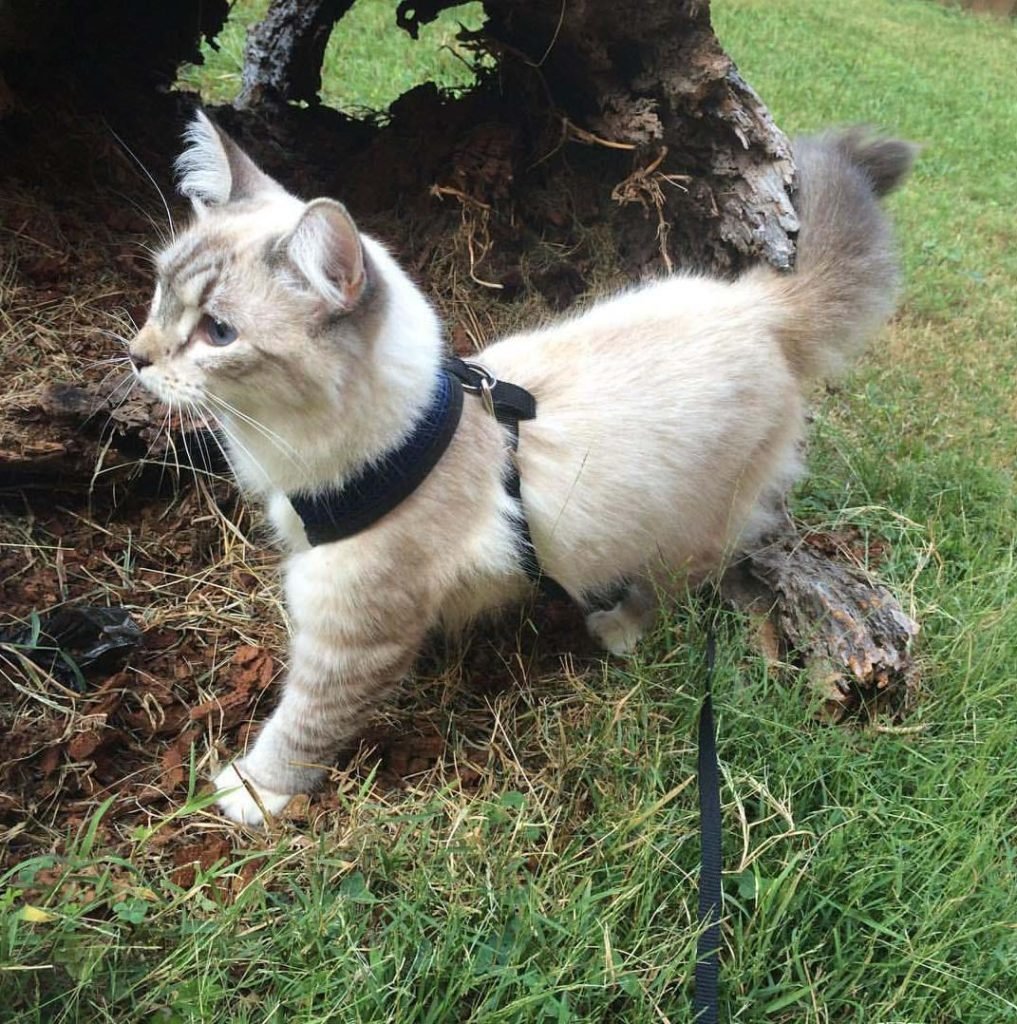
Have you ever imagined taking your cat for a walk outside, exploring the fresh air together? Training your cat to walk on a leash might sound tricky, but it’s easier than you think.
With the right steps, patience, and a bit of practice, you can turn your curious feline into a confident walking buddy. In this guide, you’ll discover simple tips to make leash training fun and stress-free for both you and your cat.
Ready to open up a new world of adventure for your furry friend? Keep reading to learn how!
Choosing The Right Leash And Harness
Choosing the right leash and harness is crucial for teaching your cat to walk safely outside. The right gear keeps your cat secure and comfortable. It also helps your cat feel less scared during walks. Selecting equipment designed for cats makes the experience smooth and fun.
Types Of Leashes For Cats
Leashes for cats come in several types. Each type fits different needs and preferences.
- Standard Leash:Usually 4 to 6 feet long. Gives good control and freedom.
- Retractable Leash:Extends and retracts. Allows your cat to explore more.
- Chain Leash:Durable but heavy. Less common for cats.
- Soft Fabric Leash:Lightweight and gentle on paws.
Choose a leash that matches your cat’s size and strength. Soft and lightweight leashes often work best.
Selecting A Comfortable Harness
A harness must fit well and feel soft. It should not pinch or rub your cat’s skin.
- Step-in Harness:Easy to put on and take off.
- Vest Harness:Covers more body area for extra support.
- H-Harness:Simple design with straps around neck and chest.
Look for adjustable straps to get the perfect fit. Use breathable materials to avoid overheating. Try the harness on your cat before walks to check comfort.
Safety Tips For Leash And Harness
- Check all clips and straps before each walk.
- Never use a collar alone for leash walking.
- Make sure the harness is snug but not too tight.
- Watch your cat closely to avoid tangling or pulling.
- Practice indoors first to build confidence.
- Replace worn or damaged equipment immediately.
Safety keeps your cat happy and stress-free during outings.
Preparing Your Cat For Leash Training
Preparing your cat for leash training is key to a smooth experience. Cats are naturally cautious, so patience helps them feel safe. Start slowly and create positive moments with the harness. These early steps build trust and comfort. The goal is to make your cat see the harness as a normal part of life.
Introducing The Harness Indoors
Let your cat see and sniff the harness first. Place it near their favorite resting spot. Leave it out for a day or two to reduce fear. Hold the harness gently and let your cat explore it. Avoid forcing the harness on too soon. This step helps your cat accept the new object.
Getting Your Cat Used To Wearing It
Try to put the harness on for short times inside. Watch your cat’s reaction carefully. Let them walk around and adjust. Remove the harness if your cat seems stressed. Gradually increase the wearing time over several days. This approach helps your cat feel calm and safe.
Using Treats And Positive Reinforcement
Offer treats when your cat interacts with the harness. Praise and pet your cat gently during the process. Use treats to reward wearing the harness calmly. Positive reinforcement creates good memories linked to the harness. Keep sessions short and fun to keep your cat interested.
Starting Leash Training Indoors
Starting leash training indoors helps your cat adjust to new sensations safely. The quiet environment reduces distractions. It allows your cat to get used to the leash at a calm pace. Patience is key during this phase. Your cat learns to feel comfortable before stepping outside.
Letting Your Cat Explore With The Leash
Attach the leash loosely to your cat’s harness first. Let your cat walk freely around the room. Do not pull or drag the leash. Allow your cat to sniff and touch the leash. This makes the leash less strange and scary.
Place the leash on the floor too. Your cat may walk over it or play with it. This builds curiosity instead of fear. Watch your cat’s reactions closely. Praise calm behavior with soft words or treats.
Encouraging Movement And Play
Use toys to invite your cat to move around. Move the toy slowly at first. Encourage your cat to follow while wearing the leash. Keep sessions short and fun. Stop before your cat gets tired or stressed.
Try gentle tugging on the leash once your cat moves easily. This shows how the leash works. Always reward your cat for walking or playing calmly. Use treats or petting to reinforce positive actions.
Handling Resistance And Anxiety
Some cats resist at first. They may freeze or try to escape. Stay calm and patient. Do not force the leash or harness. Give your cat time to relax.
Create a quiet space for training. Use a soft voice to soothe your cat. Offer treats to reduce stress. If your cat shows signs of anxiety, pause the session. Resume only when your cat feels safe again.
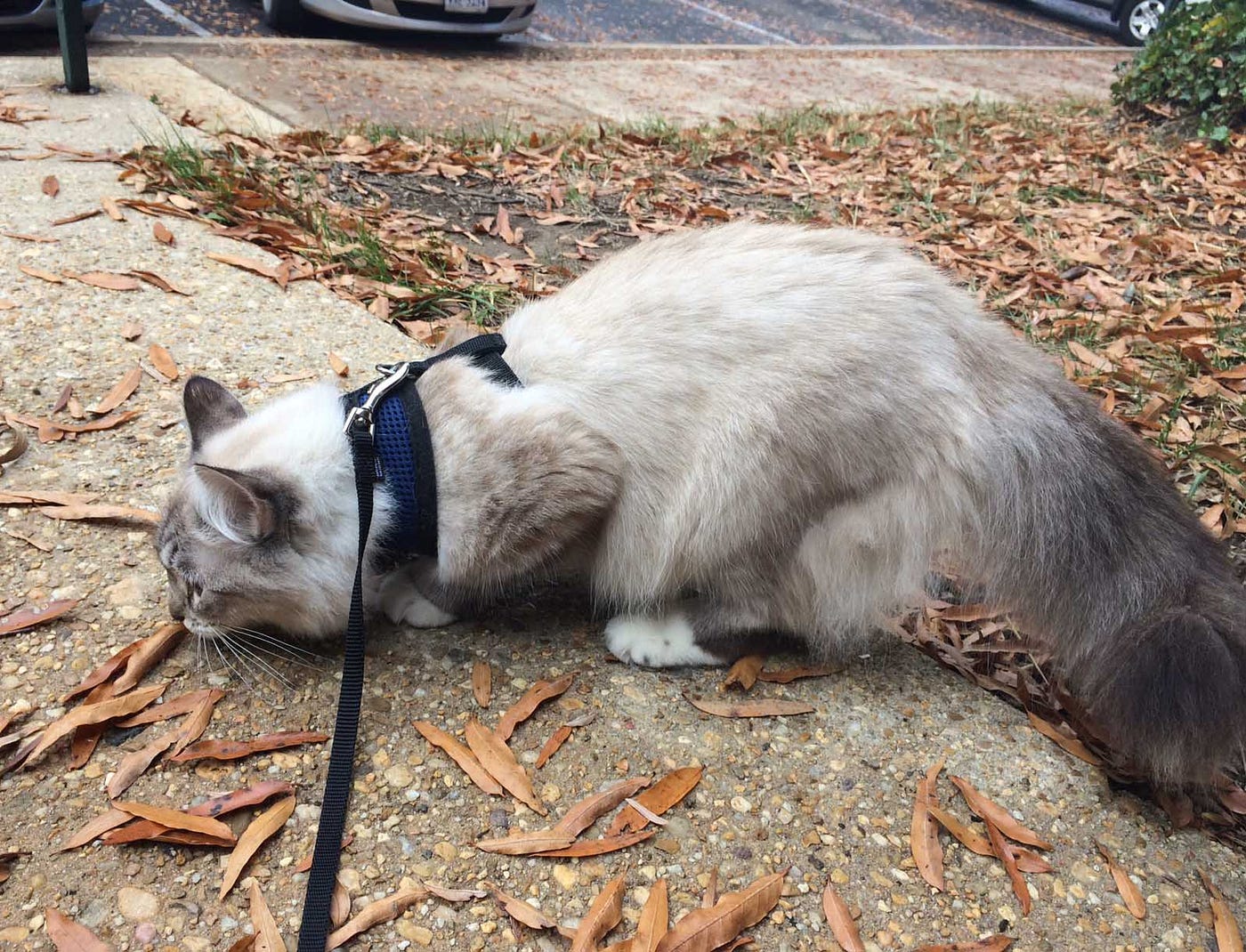
Credit: medium.com
Taking Your Cat Outside
Taking your cat outside on a leash opens new worlds for both of you. It offers mental stimulation and safe exploration. Many cats enjoy fresh air and new sights. Patience and care make this experience positive. Gradually introducing the outdoors helps your cat feel secure and curious.
Choosing The Right Outdoor Environment
Pick a quiet, safe place for your cat’s first outings. Avoid busy streets and loud noises. Parks with low foot traffic work well. Look for areas with soft grass and shade. Keep away from places with many dogs or other animals. A calm space helps your cat relax and explore.
First Outdoor Walks Tips
- Start with short sessions, about 5 to 10 minutes.
- Use a comfortable harness and secure leash.
- Let your cat lead the way at first.
- Bring treats to reward calm behavior.
- Stay close and speak softly to comfort your cat.
- Watch for signs of stress or fear.
Monitoring Your Cat’s Behavior
Observe your cat closely during outdoor time. Look for relaxed body language and curiosity. Tail up and ears forward show interest. If your cat crouches or hides, give space and time. Avoid forcing your cat to move or explore. Always be ready to return inside if needed. Outdoor walks should feel safe and fun.
Troubleshooting Common Issues
Training a cat to walk on a leash is rewarding but can come with challenges. Understanding common issues helps keep the experience positive. Patience and observation are key to overcoming hurdles. Each cat reacts differently to new experiences.
Dealing With Fear And Stress
Fear and stress can stop your cat from enjoying walks. Watch for signs like crouching, wide eyes, or hiding. Create a calm environment before going outside. Use gentle tones and slow movements to reassure your cat. Let your cat explore at its own pace. Avoid forcing movement if your cat feels scared. Short sessions build confidence over time.
Managing Pulling Or Stopping
Pulling or sudden stops are common leash issues. Never yank the leash; it causes discomfort and fear. Instead, use treats to encourage gentle walking. Pause when your cat pulls and reward when they walk calmly. Try changing direction to keep your cat interested. Consistent gentle guidance helps your cat learn leash rules.
When To Take Breaks
Breaks are essential during leash training. Cats can get tired or overwhelmed quickly. Look for signs like lying down or ignoring you. Offer water and let your cat rest in a safe spot. Frequent short breaks make walks enjoyable. Gradually increase walk length as your cat becomes comfortable.

Credit: www.purina.com
Maintaining Consistency And Patience
Training your cat to walk on a leash demands steady effort and a calm mindset. Cats respond best when they experience a clear routine combined with gentle encouragement. Staying consistent and patient can turn a frustrating challenge into a rewarding bonding experience for both of you.
Setting A Training Schedule
Choose specific times each day for leash training sessions. Short, frequent sessions of 5 to 10 minutes help keep your cat interested without overwhelming them.
Try to train at the same time daily. Your cat will start to expect and prepare for these moments, making the process smoother.
Keep track of your cat’s mood and energy levels. If your cat seems restless or uninterested, it’s better to pause and try again later.
Rewarding Progress
Use treats or affection to reward your cat for small achievements, like staying calm with the leash or taking a few steps.
Immediate rewards help your cat connect the action with positive feelings. This motivates them to repeat the behavior.
Remember, progress may be slow. Celebrate tiny wins such as tolerating the harness before expecting full walks.
Adjusting Training Techniques
Notice how your cat reacts to different approaches. Some cats prefer quiet environments, while others may enjoy short outdoor explorations.
If your cat resists, try changing the harness type or using a different treat. Sometimes a small tweak can make a big difference.
Ask yourself: Is your current method working, or does it cause stress? Tailor your training to fit your cat’s unique personality and comfort level.

Credit: threechattycats.com
Frequently Asked Questions
How Do I Start Training My Cat To Walk On A Leash?
Begin by letting your cat wear a harness indoors for short periods. Reward calm behavior and gradually introduce the leash before going outside.
What Type Of Harness Is Best For Leash Training Cats?
Choose a lightweight, secure harness designed specifically for cats. It should fit snugly but comfortably to prevent slipping or choking.
How Long Does It Take To Train A Cat To Leash Walk?
Training time varies, but most cats adapt within 2 to 4 weeks with consistent, gentle practice and positive reinforcement.
Can All Cats Be Trained To Walk On A Leash?
Most cats can learn leash walking, but some may resist. Patience and gradual exposure increase the chances of success.
Conclusion
Training your cat to walk on a leash takes time and patience. Start slow and keep sessions short. Use treats and praise to encourage good behavior. Watch your cat’s reactions and never force them. Walking outside can be fun and safe when done right.
Enjoy the process and build trust with your pet. Keep practicing, and your cat will learn to explore with you. This new skill can bring joy to both of you. Just remember: every cat is different and learns at their own pace.
