

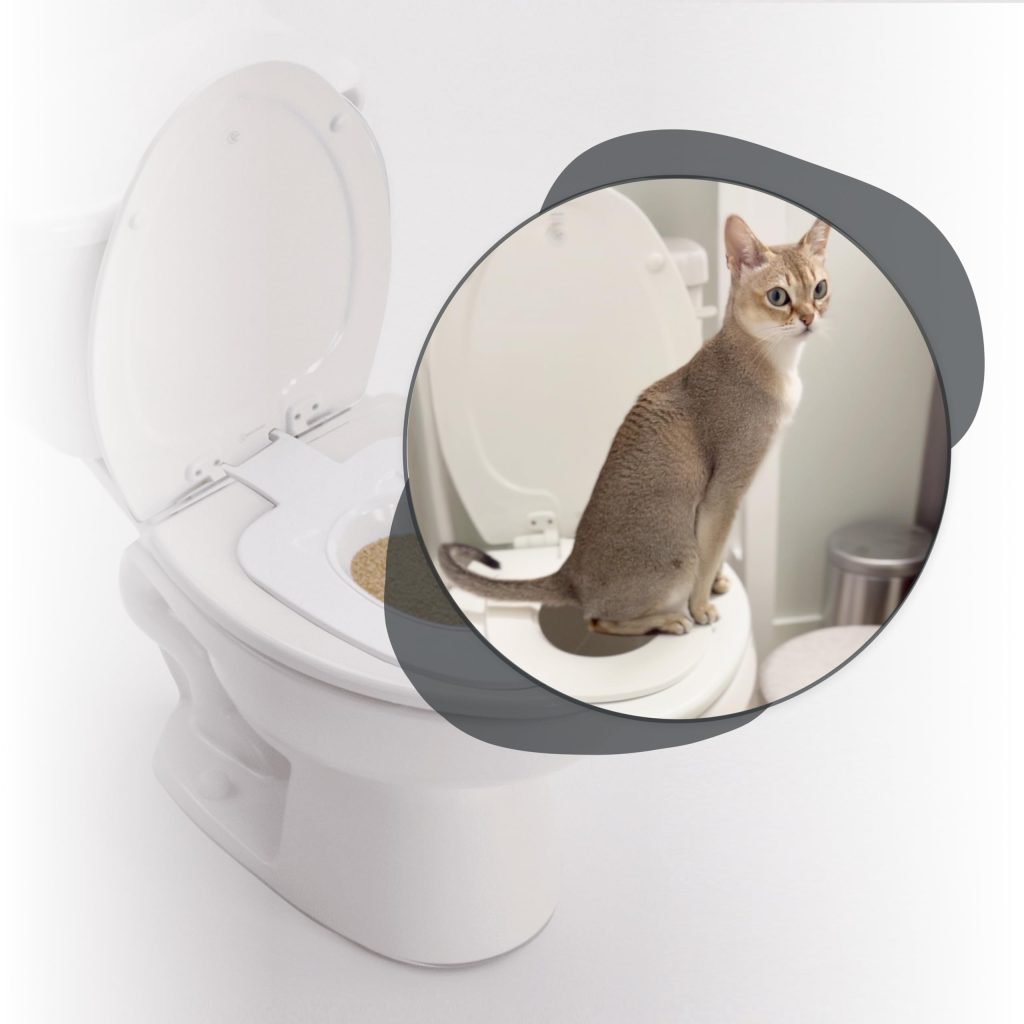
Imagine never having to scoop your cat’s litter box again. Sounds like a dream, right?
Training your cat to use the toilet is possible, and it can make your life cleaner and easier. If you’ve ever wondered how to make this happen, you’re in the right place. This guide will show you simple steps you can follow to teach your cat this amazing trick.
Stick with me, and you’ll soon enjoy a fresher home and a happier cat. Ready to change the way your cat handles bathroom time? Let’s get started!
Benefits Of Toilet Training Cats
Training a cat to use the toilet offers several practical benefits. It changes daily routines and can improve hygiene at home. Toilet training also reduces the need for litter boxes, saving time and money. Cats can learn this skill with patience and consistency.
This training helps keep your home cleaner. No more scattered litter or unpleasant odors. It also lowers the risk of litter-related allergies for family members.
Reduces Cleaning Time And Effort
Toilet training cuts down on daily cleaning chores. No more scooping or changing litter frequently. This frees up time for other activities. It keeps your home smelling fresher.
Saves Money On Cat Supplies
Using the toilet eliminates the need for cat litter and trays. These supplies can be expensive over time. Avoiding these costs adds up quickly. It also reduces waste and packaging in your home.
Improves Hygiene And Health
Using the toilet lowers the chance of bacteria spreading. Litter boxes can attract pests and germs. Toilet-trained cats have less contact with dirty litter. This benefits both pets and humans.
Encourages Mental Stimulation
Learning to use the toilet challenges a cat’s mind. It provides mental activity beyond playtime. This stimulation can reduce boredom and stress. It strengthens your bond with your cat.
Prevents Litter Box Issues
Some cats avoid or refuse litter boxes. Toilet training offers a clean alternative. It can solve problems like litter box refusal or accidents. This leads to a happier pet and owner.
Preparing Your Cat And Bathroom
Preparing your cat and bathroom is the first key to toilet training success. Your cat must feel safe and comfortable. The bathroom should be clean and quiet. A calm environment helps your cat learn faster. Planning both areas carefully makes the process easier for you and your pet.
Choosing The Right Toilet
Select a toilet that fits well in your bathroom. It should be stable and not wobble. A seat with a smooth surface is best. Avoid toilets with sharp edges or slippery seats. The height matters too. Your cat must jump up easily without strain.
Consider the toilet’s size. A larger bowl helps your cat balance better. Also, check if the seat lifts smoothly. This helps when you adjust the training setup.
Setting Up The Bathroom Environment
Keep the bathroom quiet and free from distractions. Close doors to limit other pets or kids entering. Place a soft mat near the toilet for comfort. Ensure good lighting but avoid harsh lights. A natural light source is ideal.
Clean the bathroom regularly. Remove any strong smells that might scare your cat. Store cleaning products out of reach. Add a small step stool if your cat needs help climbing. Make the space inviting and stress-free.
Introducing The Training Seat
Introducing a training seat is a key step in teaching your cat to use the toilet. This special seat fits over the toilet bowl and makes the transition easier for your cat. It provides a familiar spot that feels safe and comfortable. Cats can adjust without fear of falling in or slipping.
The training seat helps your cat learn to balance on the toilet. It also reduces mess and odor during training. With patience and consistency, your cat will soon prefer the toilet over the litter box.
Transitioning From Litter Box To Toilet Seat
Start by placing the training seat next to your cat’s litter box. Let your cat explore and get used to it at their own pace. Gradually move the litter box closer to the bathroom. Once near the toilet, put the training seat on the toilet and place some litter inside it.
This makes the toilet feel like the old litter box. Let your cat use the seat with litter for several days. Watch for signs of comfort and readiness before moving ahead. This gradual move prevents stress and confusion.
Using A Training Kit
Choose a toilet training kit designed for cats. These kits usually have a seat with removable rings. Start with all rings in place, filled with litter. Slowly remove one ring at a time over days or weeks.
Each step means less litter and a bigger hole to the toilet water. This helps your cat get used to balancing on the seat. Praise your cat for using the training seat successfully. Be patient and consistent to build good habits.

Credit: www.ebay.com
Step-by-step Training Process
Training a cat to use the toilet takes patience and a clear plan. The process involves changing habits slowly. Each phase builds on the last to help your cat adjust. Watch your cat’s behavior closely at every stage. Adapt the pace to fit your cat’s comfort and progress.
Gradual Litter Reduction
Start by moving the litter box closer to the toilet. Reduce the amount of litter inside the box little by little. This helps your cat get used to less litter. Use a small container inside the toilet bowl with litter. Slowly make the container smaller over days or weeks. This teaches your cat to balance on the toilet seat.
Encouraging Toilet Use
Place treats or favorite toys near the toilet seat. Praise your cat for stepping onto or near the toilet. Use a training seat made for cats on the toilet bowl. It should have a small hole that grows bigger over time. This guides your cat to sit correctly. Keep the toilet lid up at all times during training.
Monitoring Progress
Watch for signs of stress or reluctance in your cat. Note how often your cat uses the toilet correctly. Keep a journal of successes and setbacks. Adjust the training speed based on your cat’s comfort. Celebrate small achievements with treats and affection. Be patient; some cats take longer to learn than others.
Common Challenges And Fixes
Training your cat to use the toilet can be a rewarding experience, but it doesn’t come without its hurdles. You might find yourself facing unexpected accidents, stubborn resistance, or struggles to keep the routine going. Understanding these common challenges and learning how to fix them will make the process smoother for both you and your feline friend.
Dealing With Accidents
Accidents are almost inevitable during toilet training. Instead of getting frustrated, see them as learning moments for your cat. Clean the area thoroughly to remove any lingering scent, so your cat isn’t tempted to return there.
If accidents happen frequently, check if the toilet setup is comfortable. Sometimes the seat height or the training seat’s stability can cause hesitation. You might need to adjust these elements to help your cat feel secure.
Handling Resistance
Some cats may resist using the toilet due to fear or confusion. Watch your cat’s body language closely—ears back, tail twitching, or avoiding the bathroom could signal stress. Give your cat time to adjust and use positive reinforcement like treats and praise.
Try breaking down the training into smaller steps if resistance is strong. For example, allow your cat to explore the bathroom without pressure first. Have you noticed your cat responding better to gentle encouragement than firm commands?
Maintaining Consistency
Consistency is key to successful toilet training. If you skip days or change routines, your cat may get confused and revert to old habits. Make sure everyone in your household follows the same training schedule to avoid mixed signals.
Set reminders if needed, and keep the bathroom environment calm and inviting. Remember, cats thrive on routine—are you providing your cat with the steady guidance it needs?

Credit: www.amazon.com
Tips For Long-term Success
Achieving long-term success in training your cat to use the toilet takes effort and care. Consistency and gentle guidance help your cat feel confident and secure. Small, positive steps lead to lasting habits that benefit both you and your pet.
Positive Reinforcement
Reward your cat with treats and praise after using the toilet. This encourages good behavior and builds trust. Use a calm voice and gentle petting to show approval. Avoid punishment, as it can create fear and confusion. Positive reinforcement strengthens your cat’s desire to repeat the behavior.
Regular Cleaning
Keep the toilet and surrounding area clean at all times. Cats prefer a tidy space for toileting. Remove any accidents quickly to prevent bad habits. Use mild, pet-safe cleaners to avoid strong smells. A clean environment supports your cat’s comfort and willingness to use the toilet.
Patience And Persistence
Training takes time; stay patient and consistent every day. Expect some setbacks and handle them calmly. Keep encouraging your cat without rushing the process. Persistence helps your cat adjust and feel safe with the new routine. Celebrate small successes to stay motivated and positive.

Credit: www.walmart.com
Frequently Asked Questions
How Long Does It Take To Train A Cat To Use The Toilet?
Training a cat to use the toilet typically takes 4 to 8 weeks. Consistency, patience, and gradual steps are key to success. Each cat learns at its own pace, so some may take longer.
What Supplies Do I Need To Train My Cat To Use The Toilet?
You need a training seat, flushable litter, and treats for rewards. Gradual transition from the litter box to the toilet is essential. A step stool may help your cat reach the toilet comfortably.
Can All Cats Be Trained To Use The Toilet?
Most cats can learn, but some may resist due to personality or age. Younger cats often adapt faster. It’s important to observe your cat’s behavior and adjust training methods accordingly.
How Do I Prevent Accidents During Toilet Training?
Keep the training area clean and quiet to reduce stress. Use positive reinforcement and never punish your cat. Gradually reduce litter and encourage proper toilet use to minimize accidents.
Conclusion
Training your cat to use the toilet takes patience and time. Small steps help your cat learn better. Always praise your cat for good behavior. Keep the toilet area clean and safe. Expect some accidents; it is part of learning.
Your cat will enjoy the new routine soon. This method saves litter and keeps your home tidy. Stay calm and consistent throughout the training process. You and your cat can succeed with gentle practice. Enjoy the journey of teaching your furry friend.
