

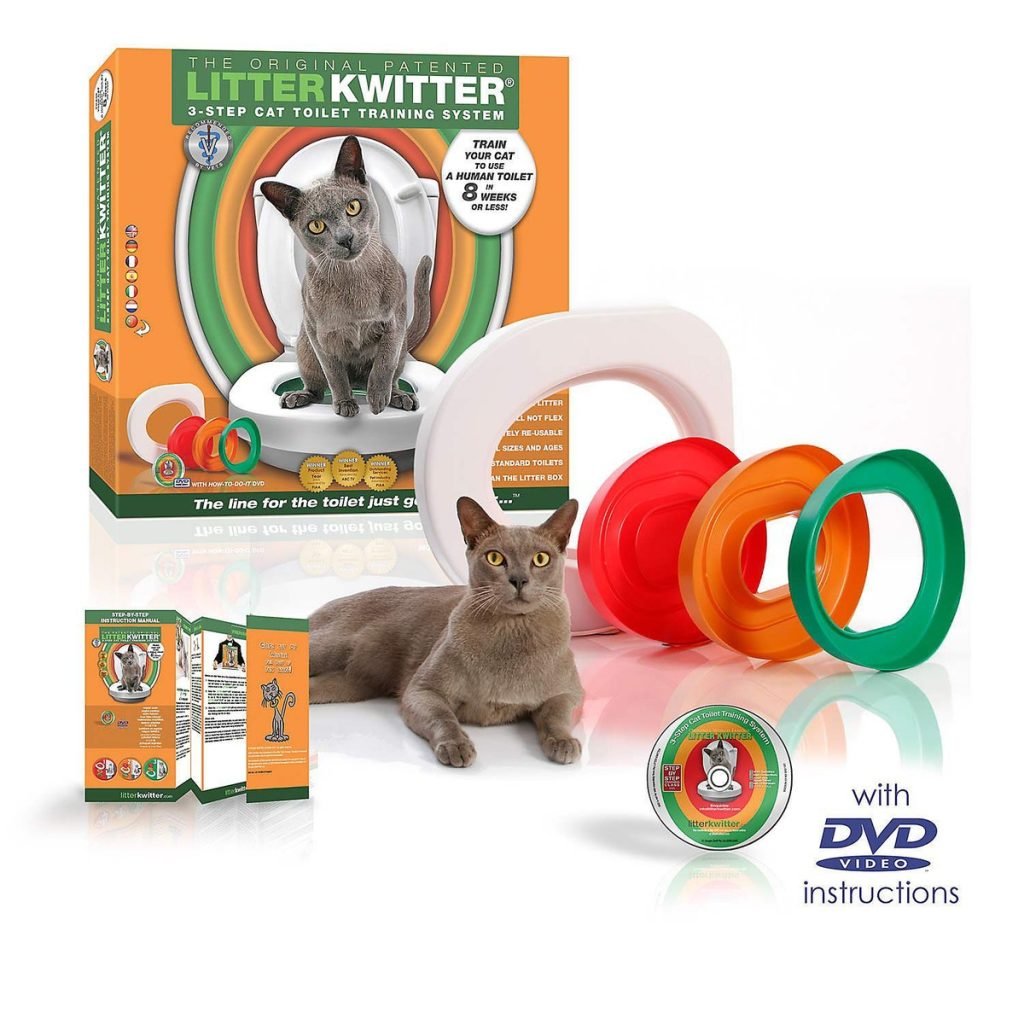
Training your cat to use a litter box might seem tricky, but it’s easier than you think. Imagine never having to worry about messy accidents around your home again.
You want your furry friend to feel comfortable and clean, and you want your space to stay fresh. This guide will show you simple, effective steps to help your cat learn quickly. Keep reading, and you’ll discover tips that make litter box training smooth for both you and your pet.

Credit: www.cruceroclick.com
Choosing The Right Litter Box
Choosing the right litter box is one of the most important steps in training your cat to use it consistently. The right box makes your cat feel comfortable and encourages good bathroom habits. Think about your cat’s size, personality, and your living space when making this choice.
Types Of Litter Boxes
There are several types of litter boxes to consider, each with its pros and cons.
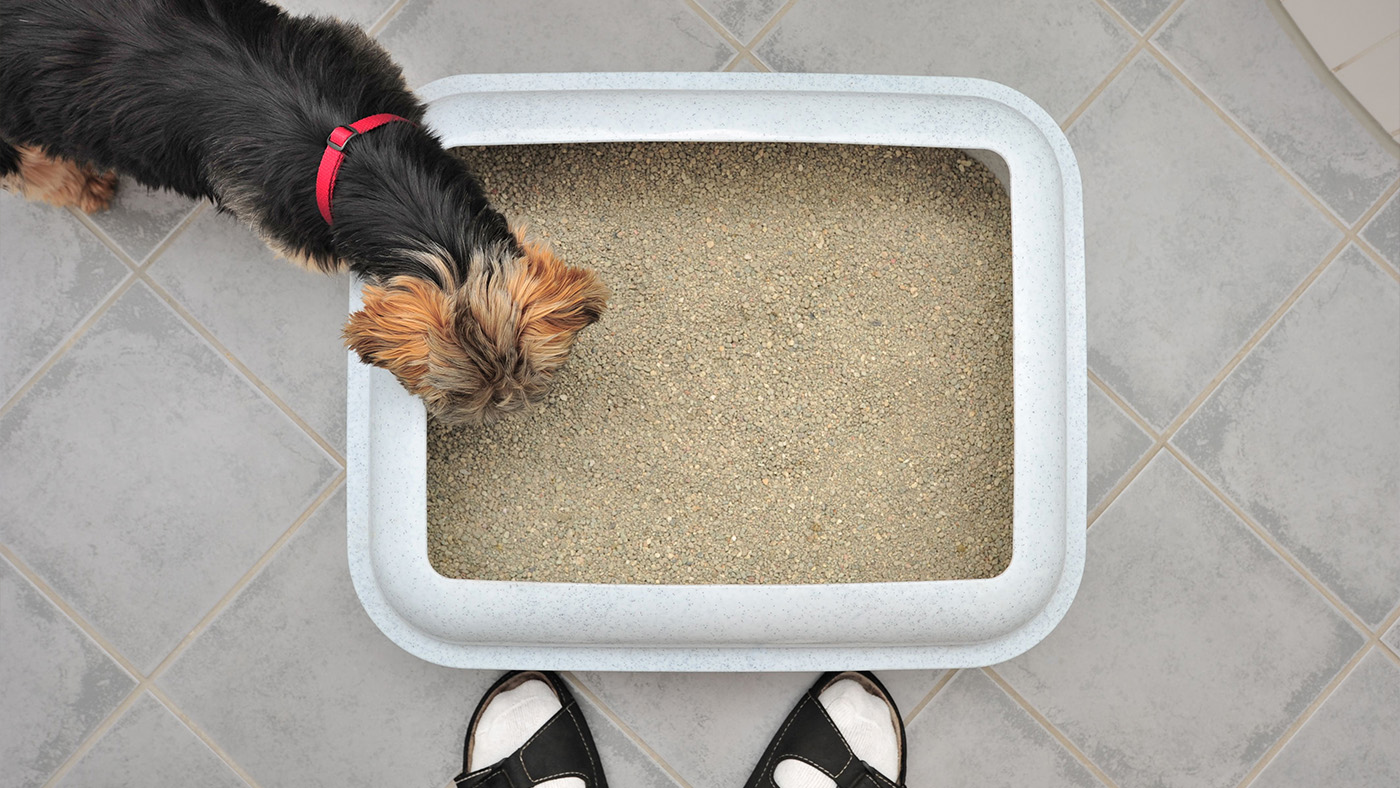
- Open litter boxes:These are basic trays with no cover. Cats often prefer these because they feel less trapped.
- Covered litter boxes:They provide privacy and control odor but may make some cats feel confined.
- Self-cleaning litter boxes:These reduce your cleaning effort but can be noisy and expensive.
- Top-entry litter boxes:These keep litter inside and deter other pets, but not all cats like jumping in from the top.
Which type would your cat feel safest using?
Size And Placement Tips
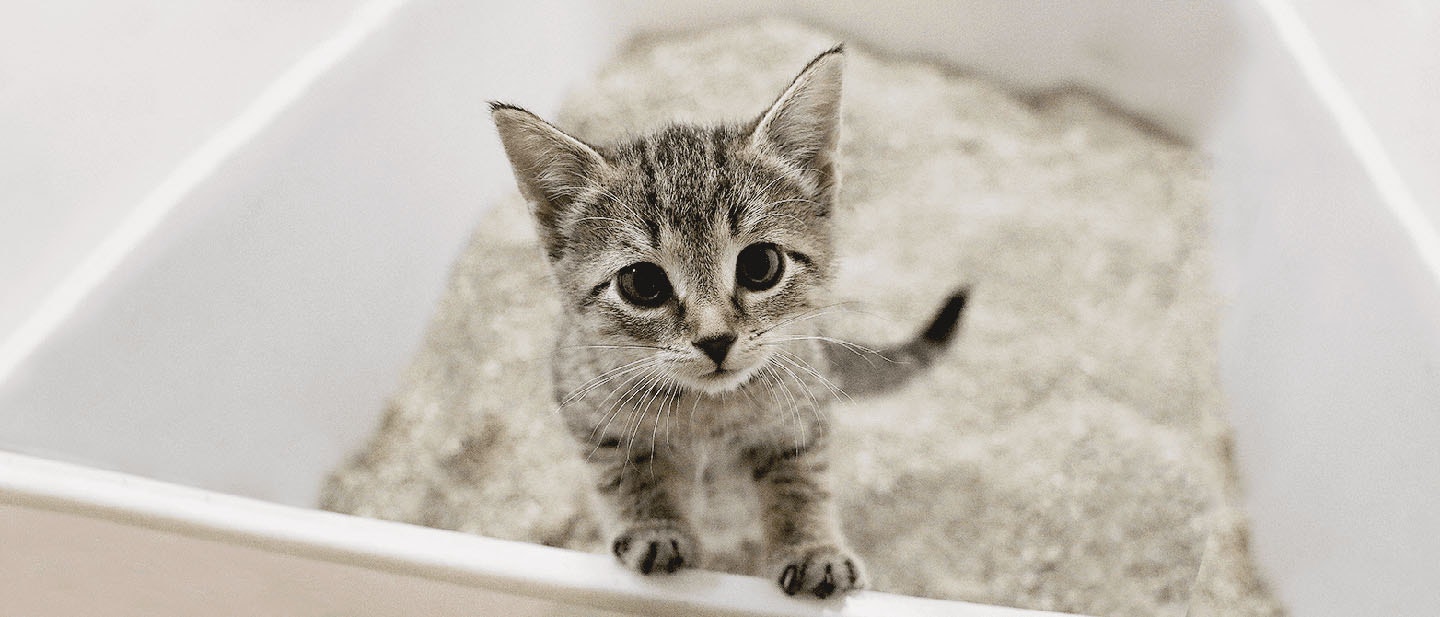
The litter box should be large enough for your cat to turn around comfortably. If your cat is still a kitten, choose a box with low sides for easy access. For larger cats, look for deeper and wider boxes.
Place the litter box in a quiet, low-traffic area where your cat can use it undisturbed. Avoid placing it near their food or water bowls, as cats dislike eliminating near their eating area.
Have you noticed where your cat prefers privacy? That spot might be the perfect place for the litter box.
Litter Material Options
The type of litter you choose can impact your cat’s willingness to use the box.
- Clumping clay litter:Easy to scoop and controls odor well.
- Non-clumping clay litter:Usually cheaper but requires more frequent changing.
- Natural or biodegradable litter:Made from materials like corn, wheat, or pine, these are eco-friendly and gentle on paws.
- Silica gel litter:Controls odor and absorbs moisture but can be dusty.
Try different types to see which your cat prefers. Have you noticed your cat avoiding the box after a litter change? It might be time to switch back.
Credit: www.petsradar.com
Preparing Your Cat
Preparing your cat for litter box training is key to success. It helps your cat feel safe and comfortable. Taking time to prepare makes the process smooth. Understanding your cat’s needs and habits creates a strong start.
Introducing The Litter Box
Place the litter box in a quiet, easy-to-reach spot. Avoid noisy or busy areas to reduce stress. Let your cat explore the box at its own pace. Show your cat the litter box gently, without forcing.
Use a litter type similar to what your cat used before. Keep the box clean by scooping daily. A clean box encourages your cat to use it regularly.
Observing Your Cat’s Behavior
Watch your cat’s bathroom habits closely. Notice where your cat prefers to go. Look for signs like sniffing or scratching the floor. These clues help you understand your cat’s routine.
Be patient. Some cats take time to adjust. Avoid punishment for accidents. Positive observation helps identify what your cat needs.
Creating A Positive Environment
Make the litter box area pleasant and safe. Use soft lighting and keep the space calm. Praise your cat with gentle words or treats after using the box. This builds good habits.
Limit access to other areas until your cat uses the box well. Keep food and water bowls away from the litter box. This respects your cat’s natural preferences.
Step-by-step Training Process
Training a cat to use a litter box involves patience and clear guidance. The process has clear stages. Each stage helps your cat understand where to go. This step-by-step approach builds good habits quickly. Consistency and a calm approach make the training easier. Below are the key steps to follow.
Initial Introduction
Place the litter box in a quiet, easy-to-access spot. Let your cat explore the box without pressure. Show them the texture by gently placing their paws inside. Keep the box clean and filled with safe litter. Avoid sudden changes in location or litter type. This helps your cat feel comfortable and curious.
Encouraging Use
Observe your cat’s natural bathroom habits. Gently place your cat in the box after meals and naps. Praise softly when they use the box correctly. Keep the box clean to encourage repeated use. Use treats or gentle petting as rewards. Avoid scolding, as it may cause fear or confusion.
Handling Accidents
Expect some accidents during training—they are normal. Clean accidents immediately with an enzyme cleaner to remove odors. Do not punish your cat for accidents. Redirect gently by placing your cat in the litter box. Check if the box location or cleanliness needs improvement. Patience and calm reactions help build trust and success.
Maintaining Good Litter Habits
Maintaining good litter habits is essential for a happy cat and a clean home. Consistent care keeps your cat comfortable and prevents accidents. It also reduces odors and mess around the litter box. Good habits make litter training easier and last longer.
Keep the litter box inviting and fresh. This encourages your cat to use it regularly. Pay attention to your cat’s behavior near the box. Early signs of avoidance can help you fix problems fast.
Cleaning And Odor Control
Clean the litter box daily by scooping waste. This keeps the area fresh and appealing. Wash the box with mild soap weekly. Avoid strong cleaners that can scare your cat away.
Use unscented litter to prevent irritation. Change the litter completely every one to two weeks. Use a deodorizer made for litter boxes if needed. Good odor control keeps your home smelling nice.
Regular Litter Box Checks
Check the litter box several times a day. Look for signs of use or avoidance. Notice any changes in your cat’s bathroom habits. Early detection of problems helps avoid bigger issues.
Make sure the box is in a quiet, safe spot. Avoid moving it too often. Cats like consistency and privacy for their bathroom needs.
Dealing With Resistance
Some cats may resist the litter box at first. Observe what might cause stress or fear. Try changing the litter type or box location. Offer praise or treats when your cat uses the box.
Keep the box clean and accessible. Avoid punishment, which can increase fear. Be patient and consistent with your training. Most cats learn with time and care.
Troubleshooting Common Issues
Troubleshooting litter box issues can feel frustrating, especially when your cat seems confused or resistant. But understanding the root causes helps you guide your cat back on track. Let’s break down some common problems and how you can solve them effectively.
Avoiding Litter Box Aversion
Have you noticed your cat avoiding the litter box? This often happens when the box is dirty, smells bad, or is in a noisy spot. Cats are very particular about cleanliness, so scoop the box at least once a day and change the litter regularly.
Try placing the box in a quiet, low-traffic area. If you recently switched litter types, consider returning to the one your cat preferred before. Sometimes, the texture or scent can cause discomfort, leading to avoidance.
Addressing Medical Concerns
Sometimes, litter box issues are not behavioral but medical. If your cat suddenly stops using the box, it might be experiencing pain or discomfort. Urinary tract infections, bladder stones, or digestive problems can cause this change.
Watch for signs like frequent attempts to urinate, blood in the urine, or lethargy. If you spot any of these, your cat needs a veterinary checkup immediately. Early treatment can prevent serious complications.
When To Consult A Vet
If you’ve cleaned the box, changed the litter, and created a calm environment but problems persist, it’s time to get professional help. Persistent avoidance or inappropriate elimination could signal deeper issues.
Don’t wait if your cat shows signs of distress or if the behavior lasts more than a few days. A vet can perform tests to rule out infections, parasites, or other health concerns that might be causing the problem.
Have you ever thought about what your cat’s behavior might be trying to tell you? Sometimes, a litter box problem is your cat’s way of signaling a need for help.
Credit: www.whiskas.com.ph
Frequently Asked Questions
How Do I Start Training My Cat To Use A Litter Box?
Begin by placing the litter box in a quiet, accessible area. Introduce your cat gently and encourage exploration. Use positive reinforcement like treats and praise when the cat uses the box. Maintain cleanliness to promote consistent use and reduce accidents.
What Type Of Litter Is Best For Cat Training?
Use unscented, clumping litter for easy cleaning and comfort. Avoid strong fragrances as cats dislike them. Choose a litter texture your cat prefers by observing their reaction. Consistency in litter type helps prevent confusion and encourages use.
How Often Should I Clean The Litter Box?
Clean the litter box daily by removing waste to maintain hygiene. Replace all litter and wash the box weekly to prevent odors. A clean box encourages your cat to use it regularly and reduces the risk of accidents.
What If My Cat Refuses The Litter Box?
Check for medical issues with a vet if refusal continues. Ensure the box is clean, in a quiet spot, and easily accessible. Experiment with different litter types or box styles. Patience and consistent training are key to success.
Conclusion
Training your cat to use the litter box takes patience and care. Start with a clean box and a quiet spot. Praise your cat when it uses the box correctly. Watch for signs if your cat needs help or changes habits.
Keep the box tidy to encourage good use. Small steps every day build strong habits. Soon, your cat will use the litter box without trouble. Enjoy a cleaner home and a happy pet. It’s worth the effort for both of you.
