

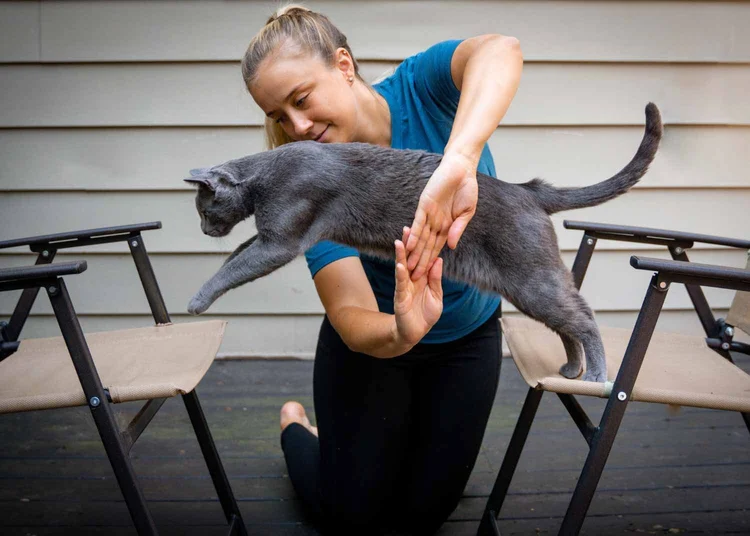
Training a cat might sound impossible, but it’s closer than you think. Imagine having a well-behaved cat that listens, follows simple commands, and even does tricks.
You can create a stronger bond with your furry friend and enjoy a more peaceful home. If you’ve ever wondered how to get started or felt frustrated by your cat’s stubbornness, this guide is made just for you. Keep reading, and you’ll discover easy steps to train your cat, making life better for both of you.
Credit: catexplorer.co
Benefits Of Training Cats
Training your cat offers more than just teaching tricks—it transforms your relationship and improves daily life for both of you. Cats respond well to learning, and guiding their behavior can make living together smoother and more enjoyable. Understanding the benefits of training can motivate you to start simple exercises that yield big rewards.
Enhancing Bond With Your Cat
Training sessions create special moments where you and your cat communicate clearly. When your cat learns to respond to commands, you build trust and mutual respect. I noticed my cat became more affectionate and eager to interact after just a few short training sessions.
Have you ever wondered how better communication could deepen your connection? Training turns time spent with your cat into quality time, strengthening your bond naturally.
Reducing Behavioral Issues
Many common cat problems like scratching furniture or excessive meowing can be managed through training. Teaching your cat acceptable behaviors helps prevent frustration for both of you. Instead of reacting to bad habits, you guide your cat toward positive actions.
Imagine less damage to your home and fewer surprises when guests visit. Training offers a practical way to address these challenges without stress or punishment.
Stimulating Mental Activity
Cats are smart and need mental challenges to stay happy. Training provides mental exercise that keeps your cat sharp and prevents boredom. This mental stimulation often results in a calmer, more content cat.
Have you seen your cat lose interest in toys or naps? Adding training sessions can refresh their curiosity and energy, offering a healthy outlet for their intelligence.
Credit: caticles.com
Essential Training Tools
Training a cat can feel like a puzzle without the right tools. Having essential training tools ready helps you communicate clearly with your feline friend. These tools make the process smoother, more enjoyable, and often quicker.
Choosing The Right Treats
Treats play a huge role in motivating your cat during training. Pick small, soft treats that your cat loves and can eat quickly. This keeps their focus on learning instead of chewing for too long.
Think about what excites your cat. Is it a special kind of fish-flavored bite or a tiny piece of chicken? Experiment with different options to find the one that gets an enthusiastic response.
Keep treats handy but use them wisely. Don’t overfeed; instead, reward only the desired behavior to create a clear connection.
Using Clicker Training
A clicker is a simple device that makes a distinct sound, marking the exact moment your cat performs a desired action. This helps your cat understand what behavior you want. It’s a precise and consistent way to communicate without confusing your pet.
You can buy a clicker or use any small, consistent sound like a tongue click or a tap. The key is to pair the sound immediately with a treat so your cat links the click with positive reward.
Have you noticed how quickly cats pick up on sounds? That’s why clicker training can speed up the learning process, making training sessions more productive.
Creating A Comfortable Environment
Your cat needs a calm and safe space to feel confident during training. Choose a quiet area free from distractions like loud noises or other pets. This helps your cat focus on you and the training.
Comfort also means having familiar items nearby, such as their favorite blanket or toy. These objects reduce stress and encourage your cat to participate willingly.
Have you ever tried training your cat in a busy room? Notice how their attention drifts quickly. A peaceful environment can make all the difference in keeping your cat engaged.
Basic Commands To Teach
Teaching basic commands to a cat builds trust and improves behavior. Simple commands help your cat understand your expectations. Training also creates a stronger bond between you and your pet. Start with easy commands to keep your cat interested and motivated.
Teaching Come When Called
Use your cat’s name and a consistent call word. Call your cat in a happy, clear voice. Reward with treats or praise when your cat comes. Repeat often in short sessions to build habit. Avoid calling without a reward to keep motivation high.
Training To Sit
Hold a treat above your cat’s head. Move the treat slowly back to encourage sitting. Say “sit” clearly as your cat lowers its bottom. Give the treat immediately once your cat sits. Practice several times a day for quick learning.
Encouraging Use Of Scratching Posts
Place scratching posts in areas your cat likes. Use catnip or toys to attract your cat to the post. Praise and reward your cat for using the post. Gently redirect claws from furniture to the post. Consistency helps your cat develop good scratching habits.
Credit: www.whiskas.com.ph
Litter Box Training Tips
Getting your cat comfortable with the litter box is key to a happy home. It might seem simple, but the right approach can save you from messes and frustration. Let’s dig into some practical tips that can make litter box training smoother for both you and your feline friend.
Selecting The Best Litter Box
Choose a litter box that fits your cat’s size and personality. Some cats prefer covered boxes for privacy, while others like open ones for easy access. Pay attention to your cat’s behavior—if they seem hesitant, try a different style.
Consider the box’s height, especially if your cat is young, old, or has mobility issues. A lower entry point can encourage use. Also, having multiple boxes in different spots can help if you have more than one cat or a large home.
Maintaining Cleanliness
Cleanliness is non-negotiable for most cats. Scoop waste at least once a day and wash the box with mild soap weekly. Dirty boxes often cause cats to look for other places to go.
Using unscented litter can make the box more inviting. Strong scents might deter your cat, even if you think they smell fresh. Watch how often you replace the litter fully, and adjust based on your cat’s habits.
Addressing Litter Box Avoidance
If your cat avoids the litter box, ask yourself: Has anything changed recently? New furniture, different litter, or a move can upset your cat’s routine. Try returning to what worked before or slowly introduce changes.
Stress and medical issues can also cause avoidance. A quick vet visit can rule out infections or other problems. Sometimes, placing an extra box in a quiet area encourages your cat to use it again.
Managing Unwanted Behaviors
Managing unwanted behaviors in cats helps create a peaceful home. Cats may scratch furniture, show aggression, or meow too much. These actions can cause stress for both cats and owners. Understanding the reasons behind these behaviors is key. Training and patience bring positive change.
Stopping Scratching On Furniture
Scratching is natural for cats. It sharpens claws and marks territory. Protect furniture by offering alternatives. Use scratching posts or pads in common areas. Encourage use by rubbing catnip on these items. Place posts near favorite scratching spots.
Trim your cat’s claws regularly. Use soft nail caps if needed. If scratching occurs on furniture, gently redirect to posts. Avoid punishment; it may increase stress. Reward good behavior with treats or praise.
Reducing Aggression
Aggression can come from fear, pain, or play. Identify triggers like loud noises or new pets. Keep a calm environment to reduce stress. Give your cat space when it feels threatened.
Use interactive toys to burn off energy safely. Avoid using hands as toys to prevent biting. If aggression continues, consult a vet for health checks. Training with positive reinforcement helps build trust and calmness.
Handling Excessive Meowing
Cats meow to communicate needs or discomfort. Watch for patterns or triggers causing noise. Meet basic needs like food, water, and attention promptly. Avoid responding to meows with too much excitement.
Teach quiet by ignoring meows that seek attention. Reward silence with treats or petting. Ensure your cat has enough playtime and mental stimulation. Sometimes, meowing signals health issues—check with a vet if needed.
Advanced Tricks For Cats
Teaching your cat advanced tricks can deepen your bond and provide mental stimulation. These tricks go beyond the basics and challenge your cat’s intelligence and agility. Let’s look at some fun and rewarding ways to engage your feline friend.
Teaching High-fives And Paw Shakes
Start by encouraging your cat to touch your hand with their paw. Hold a treat just above their nose and slowly raise it so they lift their paw to reach it. Reward immediately when they touch your hand to reinforce the behavior.
Once your cat is comfortable, introduce a verbal cue like “high-five” or “paw.” Consistency is key—repeat the action and praise every successful attempt. This trick not only entertains but also strengthens your communication with your cat.
Training To Fetch
Many cats enjoy chasing toys, so use this natural instinct to teach fetching. Throw a small toy and encourage your cat to bring it back by calling their name or using a specific phrase like “fetch.”
Reward your cat with treats or affection when they return the toy. Keep sessions short and fun to maintain interest. You might be surprised how eager your cat becomes to play fetch!
Using Agility Courses
Setting up a simple agility course can challenge your cat’s body and mind. Use tunnels, small jumps, and climbing platforms to create an exciting path. Guide your cat through the course with treats and encouragement.
This activity improves coordination and keeps your cat active, especially if they’re indoor-only. Do you notice your cat’s energy levels change after a few agility sessions? It’s a great way to channel their natural curiosity.
Patience And Consistency
Training a cat demands patience and consistency. Cats learn in their own time, often slower than dogs. Staying calm and steady builds trust and helps your cat understand what you want. Regular practice creates a clear routine for your pet.
Setting Realistic Expectations
Cats have different personalities and learning speeds. Expecting quick results can cause frustration. Small changes take time. Focus on simple behaviors first. Avoid pushing your cat too hard. Understand that setbacks are normal. Patience helps keep training positive.
Establishing A Training Routine
Consistency is key in cat training. Set specific times for short training sessions daily. Use the same commands and signals each time. Keep sessions brief to hold your cat’s attention. A steady routine helps your cat feel secure. Repeating the process reinforces learning.
Celebrating Small Wins
Every progress counts, no matter how small. Praise your cat with gentle words or treats. Recognize even tiny improvements in behavior. Celebrating encourages your cat to keep trying. It also motivates you to continue training. Patience pays off with gradual success.
Frequently Asked Questions
How Long Does It Take To Train A Cat?
Training a cat usually takes weeks to months. Consistency and patience are key to success. Short, daily sessions yield the best results.
What Is The Easiest Trick To Teach A Cat?
The easiest trick to teach a cat is “sit. ” Use treats and positive reinforcement. Keep training sessions short and fun.
Can All Cats Be Trained To Use A Litter Box?
Yes, most cats can learn litter box use. Provide a clean, accessible box. Reward your cat for using it correctly.
How Do I Stop My Cat From Scratching Furniture?
Provide scratching posts near furniture. Use deterrents like double-sided tape. Reward your cat for using posts instead.
Conclusion
Training a cat takes patience and time. Small steps work best for learning. Use treats and praise to encourage good behavior. Keep sessions short and fun to hold attention. Remember, every cat learns at its own speed. Consistency helps your cat understand what you want.
Enjoy the process and build a strong bond. Training your cat improves life for both of you. Try different methods to find what fits your cat. Stay calm, and celebrate small successes along the way.
