


Have you ever met a tortoiseshell cat and felt an instant connection? These unique cats, with their beautiful mix of colors, have a special charm that’s hard to resist.
But many tortoiseshell cats are waiting for someone like you to give them a safe and loving home. If you care about making a real difference in a cat’s life, this article will show you how tortoiseshell cat rescue works—and how you can be part of something truly rewarding.
Keep reading to discover how you can help save these amazing cats and bring joy to your home.
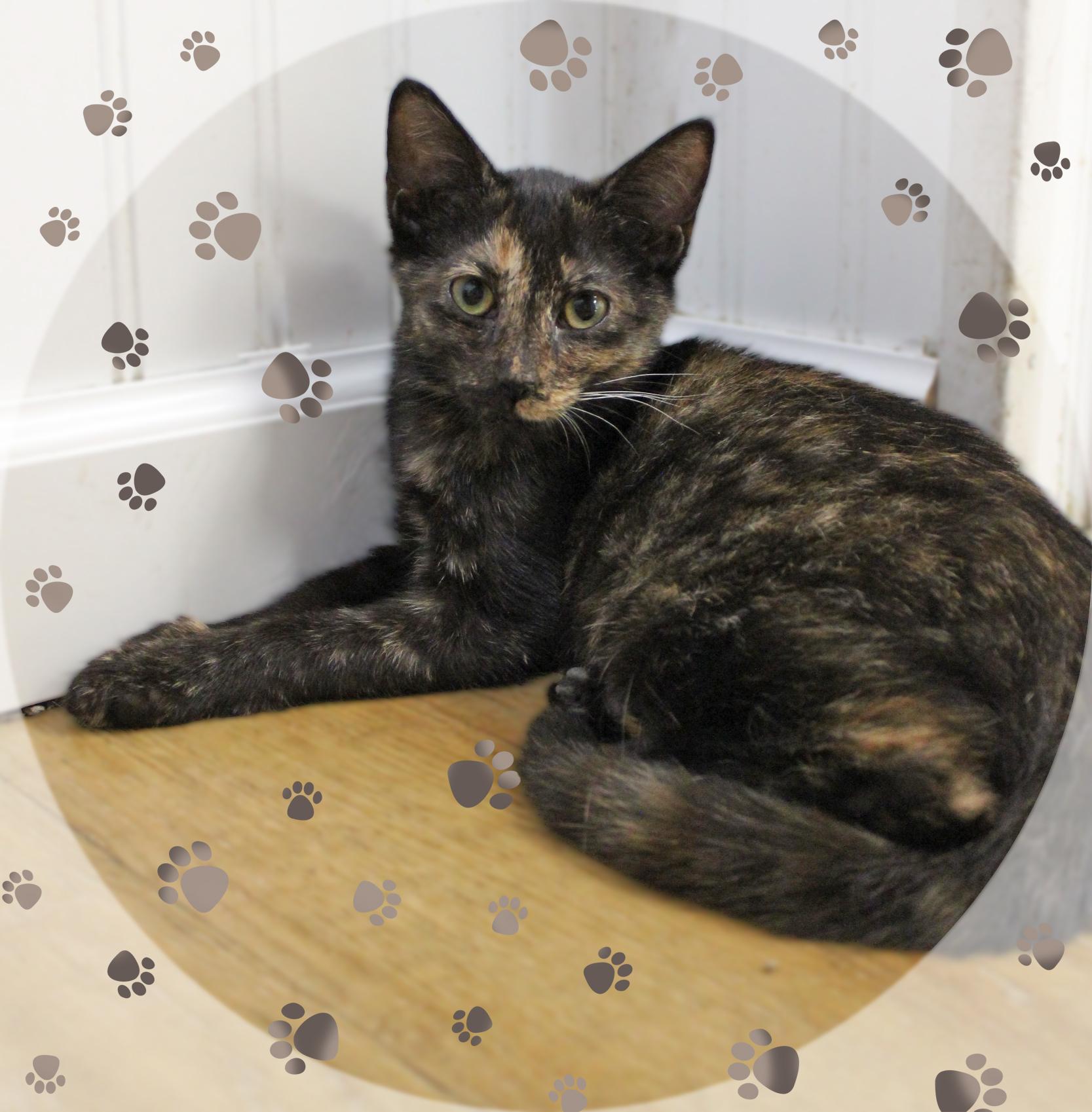
Credit: www.petfinder.com
Tortoiseshell Cat Traits
Tortoiseshell cats are known for more than just their striking appearance. Their traits extend to unique coat patterns, distinct behaviors, and specific health considerations. Understanding these traits can help you provide better care and deepen your connection with these fascinating felines.
Unique Coat Patterns
Tortoiseshell cats have a coat that blends black, orange, and sometimes white in a patchy, mottled pattern. No two tortoiseshell cats look exactly alike, making each one truly unique. This pattern isn’t just random; it’s linked to the cat’s genetics, primarily found in females.
Have you noticed how the colors often swirl or form irregular patches? This natural artistry makes these cats stand out in any room.
Temperament And Behavior
Tortoiseshell cats often exhibit strong-willed and independent personalities. They can be affectionate but might show a bit of sass or moodiness, a trait some owners lovingly call “tortitude.” This mix means your tortoiseshell might demand attention one moment and want space the next.
Think about how your cat interacts with you. Does her unique personality keep you guessing? This behavior is part of what makes owning a tortoiseshell cat so rewarding and sometimes challenging.
Health Considerations
While tortoiseshell cats don’t have specific health issues linked to their coat color, their genetic makeup can influence their health. Most tortoiseshell cats are female due to the genetics behind their coloring, which can affect some reproductive health aspects. Male tortoiseshells are rare and often sterile.
Regular vet checkups are essential to catch any health problems early. Paying attention to your cat’s behavior and physical condition can help you notice any changes that might need professional care.
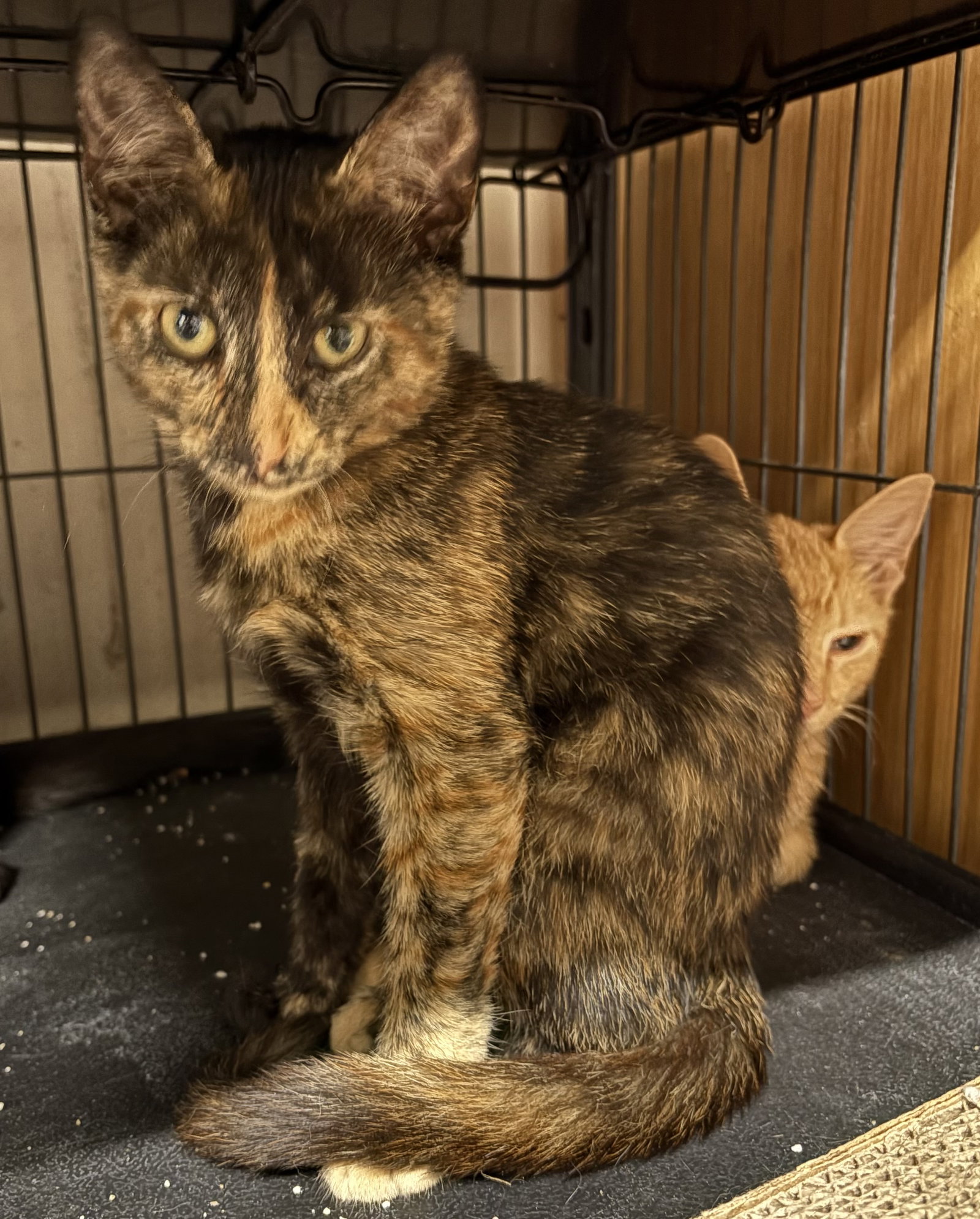
Credit: www.nokillnetwork.org
Rescue Challenges
Rescuing tortoiseshell cats is a rewarding journey, but it comes with its fair share of challenges. Understanding these hurdles can prepare you for the realities of rescue work and help you provide the best care possible. Each cat’s story is unique, and knowing what to expect makes a huge difference.
Common Rescue Scenarios
Tortoiseshell cats often come from difficult situations like abandonment, hoarding, or neglect. Many are found as strays, hungry and frightened, needing immediate attention.
Sometimes, owners surrender them due to behavioral or medical issues they can’t handle. Have you ever thought about how a cat’s past shapes its future behavior and health?
Recognizing these scenarios helps you prioritize urgent needs and plan for long-term care effectively.
Behavioral Issues
Tortoiseshell cats are known for their strong-willed and independent nature, which can sometimes lead to challenges in rescue settings.
You might face aggression, fearfulness, or difficulty in socializing these cats, especially if they’ve experienced trauma. Patience and consistency become your best tools here.
Addressing behavior means not only improving the cat’s life but also making them more adoptable. What strategies have you found effective in easing a scared or aggressive tortoiseshell cat?
Medical Needs
Many tortoiseshell cats arrive at rescues with untreated medical conditions such as infections, parasites, or injuries.
Chronic illnesses like kidney disease or dental problems are common and require ongoing care. Early veterinary check-ups are essential to identify and manage these issues.
Providing proper medical support increases their chances of a healthy, happy life. Are you prepared to invest the time and resources needed for these medical challenges?
Finding Tortoiseshell Cats To Rescue
Finding tortoiseshell cats to rescue requires patience and a bit of strategy. These unique felines often blend into the crowd, making them easy to overlook. Knowing where to look can make all the difference in giving a tortoiseshell cat a second chance at a loving home.
Local Shelters And Rescues
Start your search at local animal shelters and rescue groups. These places often have a variety of cats waiting for adoption, including tortoiseshells. Visiting regularly and building relationships with staff can help you learn when new tortoiseshell cats arrive.
Sometimes, shelters may not display all their animals online. Calling or visiting in person could uncover hidden gems. Have you ever found a special cat simply by asking the right questions?
Community Networks
Tap into your local community networks to find tortoiseshell cats in need. Neighbors, friends, and local pet groups often share information about cats that need homes. Posting on community bulletin boards or attending local pet events can connect you with potential rescues.
Consider joining neighborhood social media groups where people share lost or stray cat sightings. Your quick response could make a huge difference for a tortoiseshell cat wandering alone. How connected are you to your local pet community?
Online Platforms
Online platforms offer a vast resource for finding tortoiseshell cats to rescue. Websites like Petfinder, Adopt-a-Pet, and local Facebook groups list cats available for adoption. You can filter searches by color, age, and location to zero in on tortoiseshell cats.
Set up alerts on these platforms to get notified as soon as a tortoiseshell cat is listed. This proactive approach increases your chances of adoption. Have you tried digital tools to simplify your rescue efforts?
Preparing For Adoption
Preparing for adoption is a crucial phase that sets the foundation for a smooth transition for both you and your new tortoiseshell cat. This time allows you to create a safe and welcoming environment tailored to your cat’s needs. Thoughtful preparation helps reduce stress and builds trust from day one.
Home Safety Tips
Before bringing your tortoiseshell cat home, scan your living space for potential hazards. Small objects like rubber bands or loose threads can be choking risks. Secure electrical cords and remove toxic plants to avoid accidental poisoning.
Think about cozy hiding spots your cat can retreat to when feeling overwhelmed. Cats love vertical spaces, so adding shelves or cat trees can help them feel safe. Do you have any rooms that need to be off-limits initially to provide a calm introduction?
Essential Supplies
Gathering the right supplies ensures your cat feels comfortable and cared for immediately. Basic items include a litter box, food and water dishes, and a scratching post. Choose a high-quality cat food recommended by the rescue or your vet.
Don’t forget grooming tools like a brush, especially since tortoiseshell cats often have dense coats. Toys and interactive playthings will help your new friend burn off energy and bond with you. How will you create a daily routine that includes playtime and quiet moments?
Introducing To Other Pets
Introducing a new tortoiseshell cat to existing pets requires patience and planning. Start by keeping them separated, allowing them to get used to each other’s scent through closed doors. This step helps reduce territorial stress and curiosity-driven aggression.
Gradually increase their interaction time under supervision. Watch for signs of stress, like hissing or hiding, and step back if needed. Have you prepared a safe retreat for your cat during these introductions to help them feel secure?
Care And Rehabilitation
Caring for tortoiseshell cats at rescue centers takes patience and skill. These cats often arrive scared or hurt. Care and rehabilitation help them heal and grow strong. Every step focuses on their health and happiness. Staff work hard to give them a fresh start.
Nutrition And Diet
A balanced diet is key to recovery. Tortoiseshell cats need food rich in protein and vitamins. Fresh water is always available. Special diets may help cats with allergies or digestion issues. Feeding times stay consistent to reduce stress. Healthy food boosts their energy and immune system.
Medical Treatment
Many rescued cats face health challenges. Vet checks identify injuries or illnesses early. Vaccinations protect against common diseases. Parasite control keeps cats free from fleas and worms. Some cats need surgery or long-term medication. Regular health monitoring tracks their progress closely.
Behavioral Training
Trust-building is a big part of rehabilitation. Staff use gentle handling to ease fear. Socialization helps cats feel safe around people and other pets. Training includes litter box use and calm play. Positive reinforcement encourages good behavior. This prepares cats for happy, stable homes.

Credit: www.ocregister.com
Building A Support System
Building a strong support system is essential for any tortoiseshell cat rescue effort. It ensures that these unique cats receive the care and attention they deserve. With the right network, you can handle challenges more effectively and provide better outcomes for the cats.
Veterinarians And Specialists
Having trusted veterinarians on your side makes a huge difference. They help with routine check-ups, vaccinations, and emergency care. Sometimes, tortoiseshell cats face specific health issues that require specialists, like dermatologists or behaviorists.
When I connected with a vet experienced in feline behavior, it changed how we managed a particularly shy tortoiseshell. Their advice on socialization techniques helped her come out of her shell faster. Could your rescue benefit from a specialist’s insight?
Foster Networks
Foster homes give cats a safe, temporary place to heal and socialize. Building a reliable foster network means you can save more cats and prepare them for adoption. Each foster family brings unique skills and environments that suit different cats’ needs.
Don’t underestimate the power of a good foster match. One shy tortoiseshell thrived with a family that had young children, while another needed a quiet home with no other pets. How can you find fosters who fit your cats’ personalities?
Volunteering Opportunities
Volunteers are the backbone of any rescue group. They help with feeding, cleaning, transport, and even social media promotion. Offering varied roles keeps volunteers engaged and lets them use their strengths to support the cats.
One volunteer’s love for photography brought our tortoiseshell cats to life online, boosting adoption rates. What talents could you tap into from your community to strengthen your rescue?
Advocating For Tortoiseshell Cats
Advocating for tortoiseshell cats means giving these unique felines the attention and care they deserve. These cats often face myths and misunderstandings that affect their rescue and adoption rates. Your support can help change perceptions and improve their lives.
Raising Awareness
Spread the word about tortoiseshell cats through social media and local events. Share stories about their personalities and needs to bust common myths, like the idea that they are “difficult” or “bad luck.” You can also create eye-catching posters or flyers to place in community centers, vet clinics, and pet stores.
Have you ever met a tortoiseshell cat with a quirky personality? Sharing your experience can help others see these cats in a new light.
Fundraising Ideas
Fundraising is vital for supporting tortoiseshell cat rescues. You can organize bake sales, online auctions, or themed charity runs to gather donations. Even small efforts like selling handmade cat toys or hosting a virtual event can make a big difference.
- Host a “Tortoiseshell Trivia Night” to raise funds and educate at the same time.
- Partner with local businesses to donate a portion of sales for a day.
- Set up a crowdfunding campaign focused on medical care or shelter upgrades.
What creative fundraiser would you enjoy leading in your community?
Community Education
Education helps people understand the special needs and traits of tortoiseshell cats. Offer workshops or information sessions at schools, libraries, or community centers to teach responsible pet care. Provide clear facts about their health, temperament, and why they should be cherished.
Encouraging community members to ask questions and share their own stories builds a supportive network. How can you help others learn more about these fascinating cats where you live?
Frequently Asked Questions
What Is A Tortoiseshell Cat?
A tortoiseshell cat is known for its distinctive coat. The coat features a blend of black, red, and orange colors. These cats are not a specific breed but a color pattern. Tortoiseshell cats are often female due to genetic factors.
Their unique appearance makes them popular among cat enthusiasts.
Are Tortoiseshell Cats Rare?
Tortoiseshell cats are not rare, but males are. The unique coat pattern is common among female cats. Male tortoiseshell cats are rare due to genetic reasons. Only 1 in 3,000 tortoiseshell cats are male. Their rarity makes male tortoiseshell cats highly sought after by collectors and enthusiasts.
How To Adopt A Tortoiseshell Cat?
To adopt a tortoiseshell cat, visit local animal shelters. Many shelters have tortoiseshell cats available for adoption. You can also check online adoption sites for availability. Ensure to prepare your home for the new pet. Adoption fees usually cover vaccinations and initial health checks.
What Personality Traits Do Tortoiseshell Cats Have?
Tortoiseshell cats are known for their feisty personalities. They often exhibit strong-willed and independent behaviors. Many owners describe them as affectionate yet sassy. Each tortoiseshell cat has a unique personality. Their lively nature makes them entertaining companions for cat lovers.
Conclusion
Tortoiseshell cat rescue saves many special cats every day. These cats need love, care, and safe homes. Adopting one brings joy and companionship. Rescue groups work hard to protect them from harm. You can help by spreading the word or volunteering.
Every small effort makes a big difference. Tortoiseshell cats offer unique beauty and charm. Their rescue ensures they live happy, healthy lives. Consider supporting these cats in need. Together, we can give them a second chance at life.
