

If you have a tortoiseshell cat, you already know how special and vibrant they are. But do you know about the unique health issues that could affect your furry friend?
Understanding these challenges early can make a big difference in keeping your cat happy and healthy. You’ll discover the common health concerns tortoiseshell cats face and what you can do to protect your beloved pet. Keep reading to learn how to spot problems before they start and ensure your cat enjoys a long, comfortable life.

Credit: www.petscare.com
Unique Traits Of Tortoiseshell Cats
Tortoiseshell cats stand out not just for their striking appearance but also for traits that make them truly unique. Understanding these traits can help you care better for your feline friend and appreciate what makes them special. Let’s look closely at what defines tortoiseshell cats beyond their beautiful coats.
Color Patterns And Genetics
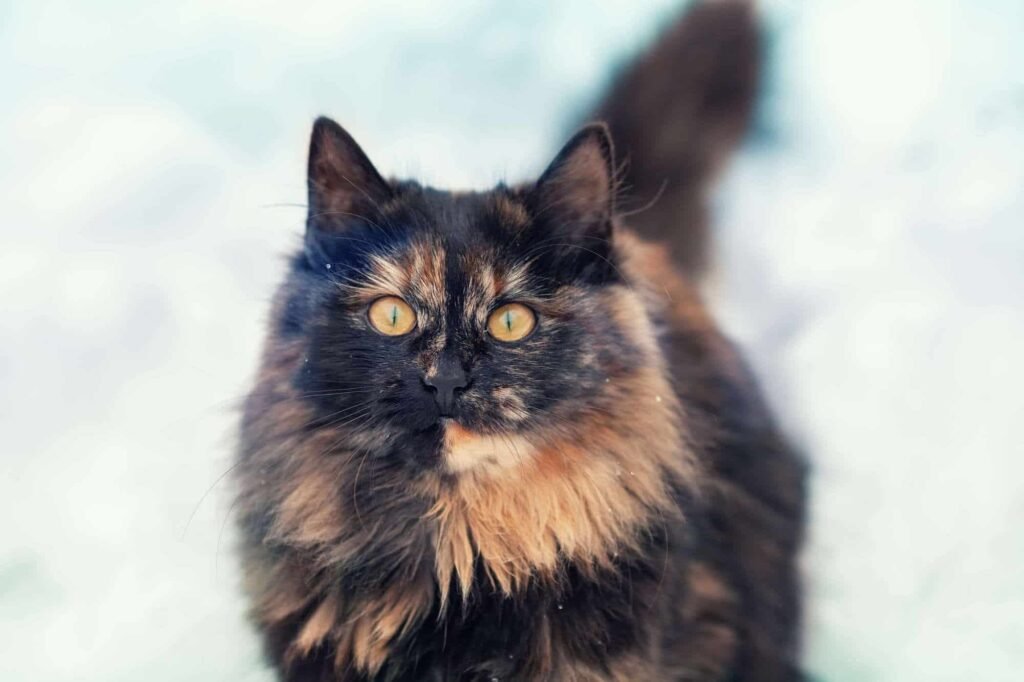
Tortoiseshell cats have a distinct coat made up of black, orange, and sometimes white patches. This pattern isn’t random; it’s linked to genetics, specifically the X chromosome. Since females have two X chromosomes, they usually show this pattern, while males rarely do.
This genetic setup means that nearly all tortoiseshell cats are female. If you ever meet a male tortoiseshell, it’s a rare genetic case worth noting. The color pattern comes from a process called X-chromosome inactivation, where different cells express different colors.
Behavioral Characteristics
Many owners notice that tortoiseshell cats have a strong personality. You might find yours to be feisty, independent, and sometimes a bit stubborn. This behavior is often called “tortitude,” a playful term reflecting their spirited nature.
These cats can be very affectionate but on their own terms. Understanding their mood and respecting their boundaries can create a stronger bond. Have you noticed your tortoiseshell cat’s mood swings or bursts of energy?
Recognizing these unique behaviors helps you provide the right environment and care. It also makes your experience with a tortoiseshell cat more rewarding and less frustrating.

Credit: www.wayofcats.com
Common Health Concerns
Understanding the common health concerns of tortoiseshell cats can help you provide better care and catch issues early. These cats, known for their unique coat patterns, sometimes face specific health challenges. Staying informed allows you to act quickly and keep your feline friend thriving.
Skin And Coat Problems
Tortoiseshell cats can be prone to skin irritations and coat issues. You might notice dryness, dandruff, or excessive shedding. Regular grooming helps, but if you spot bald patches or redness, it’s time to consult your vet.
Parasites like fleas can worsen skin conditions. Watch your cat’s behavior closely—scratching or licking more than usual could signal a problem. A healthy coat reflects overall health, so don’t ignore changes.
Dental Issues
Dental health is often overlooked but crucial for tortoiseshell cats. They can develop tartar buildup, gum disease, or tooth decay. These problems cause pain and might affect their eating habits.
Try brushing your cat’s teeth regularly with pet-safe toothpaste. If your cat resists, dental treats or toys can help reduce plaque. Notice if your cat has bad breath or difficulty chewing—these are red flags.
Obesity Risks
Obesity is a common concern in indoor tortoiseshell cats. Lack of exercise and overeating lead to weight gain, increasing risks of diabetes and joint problems. How active is your cat daily?
Encourage playtime with interactive toys and set regular meal times with controlled portions. Avoid free-feeding to keep weight in check. A slimmer cat is usually a healthier cat, so monitor their weight closely.
Genetic Disorders Linked To Tortoiseshell Cats
Tortoiseshell cats are unique because of their distinct coat colors. These colors come from complex genetics. Some genetic traits can cause health problems. Understanding these disorders helps owners care better for their pets.
Sex-linked Traits
Tortoiseshell coloring is tied to the X chromosome. Most tortoiseshell cats are female. Males with this coloring are rare and often have health issues. This is because males have only one X chromosome. If a male inherits two X chromosomes, it may have Klinefelter syndrome. This can cause problems like infertility and weak bones.
Possible Genetic Mutations
Mutations in genes linked to coat color may affect health. Some mutations can disrupt cell functions. This increases risks for diseases like cancer or immune problems. Genetic testing can identify these mutations early. Early detection helps with better treatment and care.
Preventive Care Tips
Preventive care plays a crucial role in keeping your tortoiseshell cat healthy and happy. By focusing on small daily habits and regular monitoring, you can catch potential health issues early and improve your cat’s quality of life. Let’s look at some practical steps you can take to protect your furry friend.
Regular Vet Checkups
Scheduling routine vet visits is essential. These checkups help spot problems before symptoms appear, making treatment easier and more effective.
During visits, vets check for dental issues, weight changes, and common feline diseases. Don’t wait for your cat to show signs of illness—early detection saves lives.
Ask your vet about vaccinations and parasite prevention too. Have you noticed any subtle behavior changes? Mention them during the visit; they might be important clues.
Balanced Diet And Nutrition
Your cat’s diet directly affects her health. A balanced diet provides the right mix of protein, fats, vitamins, and minerals.
Choose high-quality cat food made for her age and activity level. Avoid overfeeding—obesity can lead to diabetes and joint problems.
Consider adding wet food to increase hydration, which supports kidney health. Have you checked the ingredients list lately? Avoid foods with excessive fillers or artificial additives.
Exercise And Mental Stimulation
Physical activity keeps your tortoiseshell cat’s muscles strong and joints flexible. It also helps prevent obesity.
Engage your cat with toys, climbing trees, or interactive games every day. Mental challenges reduce stress and boredom, which can lead to behavioral problems.
Try rotating toys to keep her interested. What new game or activity could you introduce today to brighten her routine?
Signs To Watch For
Recognizing early signs of health problems in tortoiseshell cats can save their lives. These cats may hide pain well, making it vital to notice subtle clues. Watch closely for changes in behavior and physical health. Acting quickly helps ensure proper care and comfort.
Behavioral Changes
- Less active or playful than usual
- Hiding more often or avoiding people
- Increased irritability or aggression
- Loss of appetite or interest in food
- Excessive grooming or neglecting grooming
- Unusual vocalizations or silence
Physical Symptoms
- Weight loss or sudden weight gain
- Changes in fur texture or bald patches
- Persistent coughing or sneezing
- Difficulty breathing or wheezing
- Swollen or red eyes
- Vomiting or diarrhea
- Limping or difficulty moving
- Bad breath or drooling
When To Seek Veterinary Help
Contact a vet promptly if you notice:
- Rapid or severe behavior changes
- Breathing difficulties or choking signs
- Persistent vomiting or diarrhea lasting more than a day
- Sudden loss of appetite or water intake
- Visible wounds or swelling
- Signs of pain like vocalizing or limping
Early veterinary care improves recovery chances. Never ignore ongoing symptoms. Your cat relies on you to act fast.
Managing Chronic Conditions
Managing chronic conditions in tortoiseshell cats requires patience and care. Chronic illnesses need ongoing attention to keep your cat comfortable and healthy. Understanding treatment options, lifestyle adjustments, and supportive care can help maintain their quality of life.
Treatment Options
Treatment depends on the specific chronic condition your cat has. Medications often control symptoms and slow disease progression. Regular vet visits help monitor the condition and adjust treatments as needed. Some cats may need special diets or supplements to support their health.
Lifestyle Adjustments
Changing your cat’s daily routine can improve their well-being. Create a calm, stress-free environment with cozy resting spots. Keep litter boxes clean and easy to access. Limit vigorous play if your cat has joint issues. Providing fresh water and a balanced diet is essential for all cats.
Supportive Care
Supportive care helps your cat stay comfortable. Gentle grooming can improve skin and coat health. Monitor your cat’s behavior and appetite for any changes. Use ramps or stairs to ease movement for older cats. Offer extra love and attention to help them feel safe and cared for.
Credit: www.petscare.com
Frequently Asked Questions
What Are Common Health Problems In Tortoiseshell Cats?
Tortoiseshell cats often face urinary tract issues, obesity, and dental disease. Regular vet check-ups help catch these problems early. Maintaining a balanced diet and proper hygiene supports their overall health and longevity.
Do Tortoiseshell Cats Have Genetic Health Risks?
Yes, tortoiseshell cats may inherit genetic issues like hypertrophic cardiomyopathy. This heart disease requires monitoring and early detection. Genetic testing and vet advice can help manage potential health risks effectively.
How To Recognize Health Issues In Tortoiseshell Cats?
Watch for changes in appetite, behavior, or grooming habits. Lethargy, weight loss, or unusual urination can signal illness. Early vet visits ensure prompt diagnosis and treatment, improving outcomes for your cat.
Are Tortoiseshell Cats Prone To Obesity?
Tortoiseshell cats can gain weight if overfed or inactive. Obesity increases risks of diabetes and joint problems. Feeding measured portions and encouraging playtime keeps them fit and healthy.
Conclusion
Tortoiseshell cats can face certain health problems. Knowing these issues helps you care for them better. Regular vet visits catch problems early. A healthy diet and exercise keep your cat strong. Watch for changes in behavior or appetite. Early action can prevent serious illness.
Love and care make a big difference. Your tortoiseshell cat will thank you with purrs and affection. Stay informed and enjoy many happy years together.
