


Are you thinking about adding a furry friend to your family? A tortoiseshell cat might be the perfect choice for you.
These unique cats aren’t just beautiful—they have personalities full of charm and spirit. But before you bring one home, there are important things you need to know to make sure your new companion feels loved and happy. Keep reading to discover everything about tortoiseshell cat adoption and how you can give your new pet the best life possible.
Credit: www.petfinder.com
Tortoiseshell Cat Traits
Tortoiseshell cats are known for their striking looks and lively nature. Their traits make them special companions. Understanding these traits helps you appreciate their unique charm and care needs.
Unique Coat Patterns
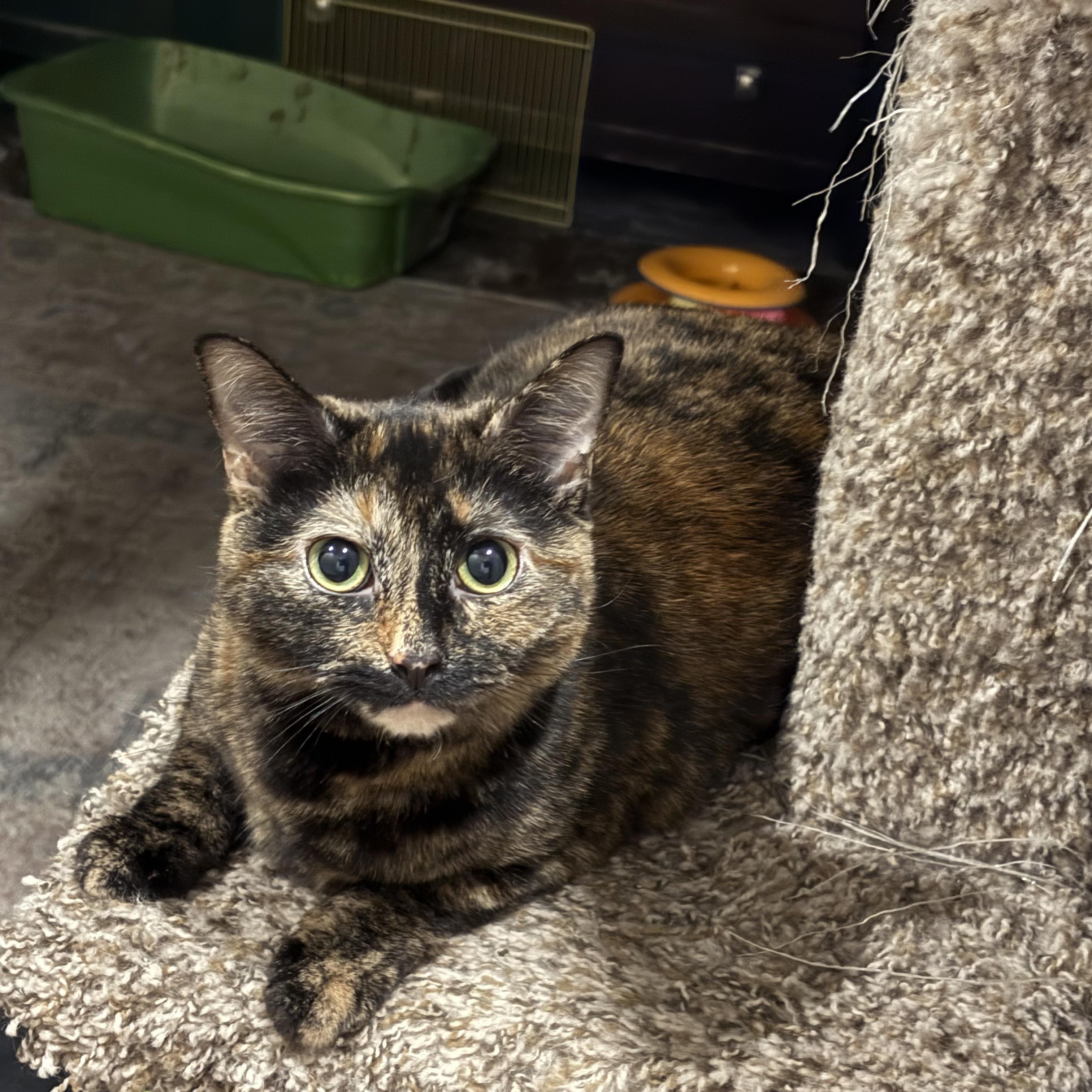
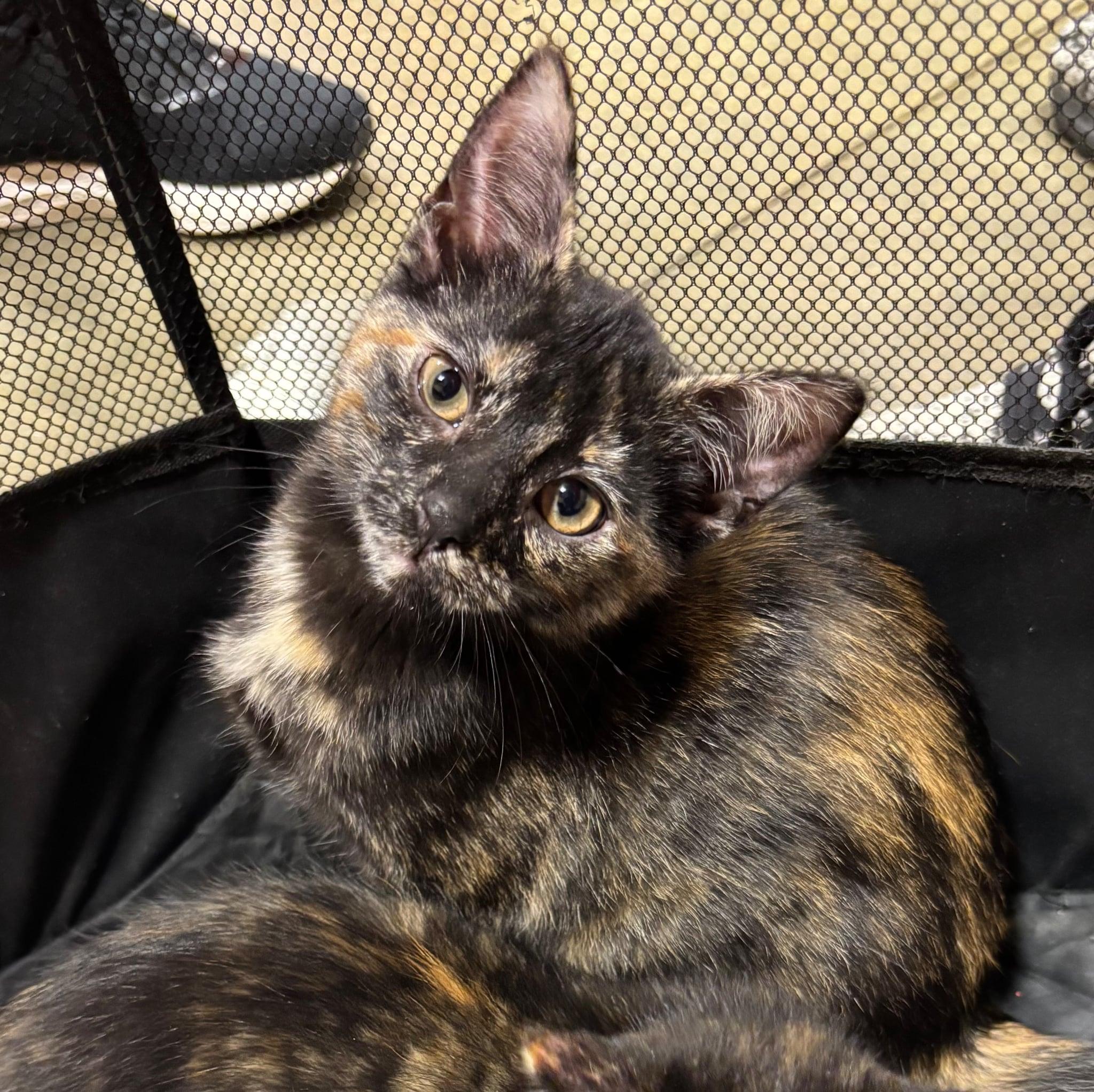
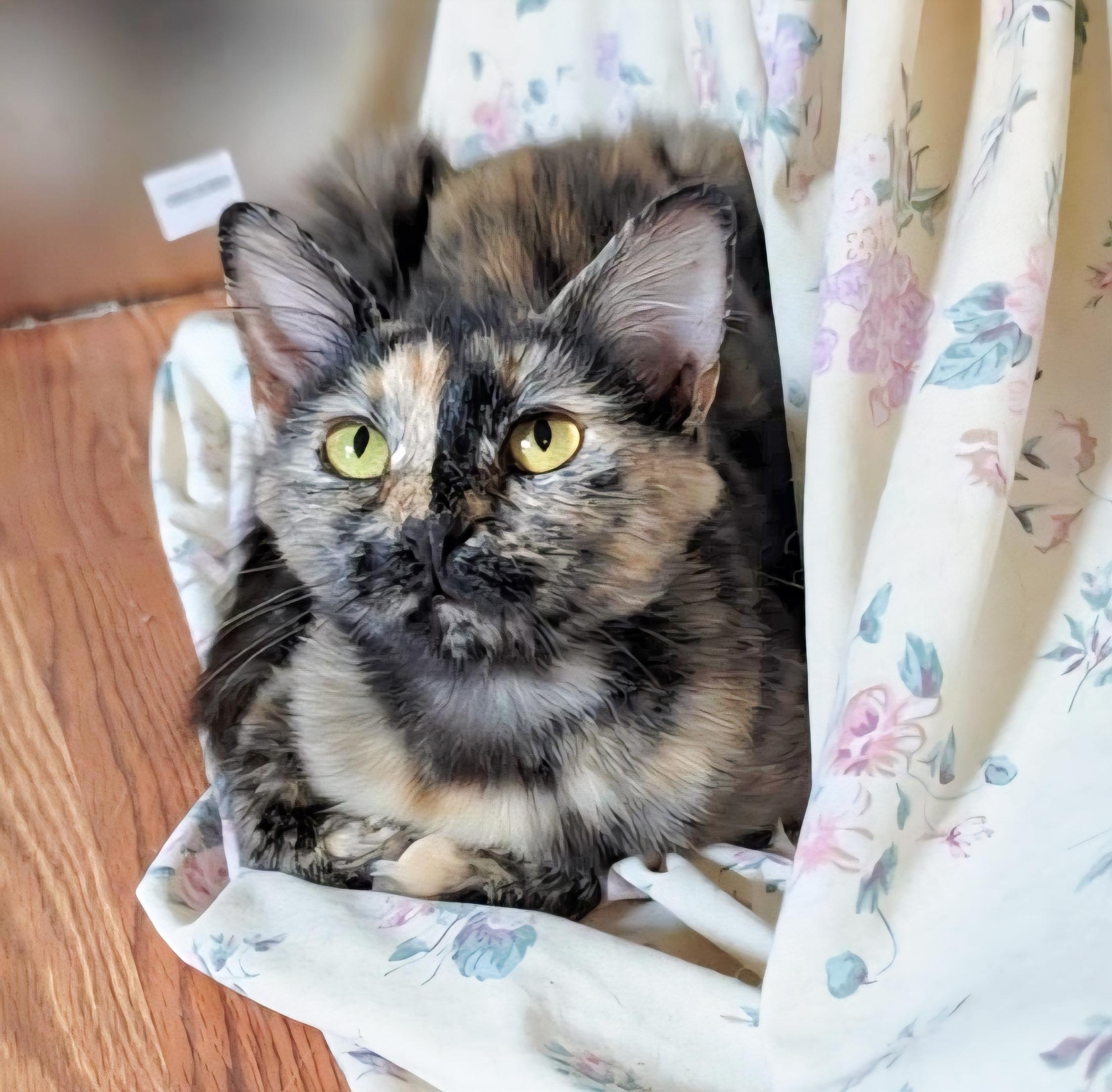
Tortoiseshell cats display a mix of black, orange, and sometimes white colors. Their coat looks like a patchwork of different shades. No two tortoiseshell cats have the same pattern. This makes each cat one of a kind.
The colors blend in a mottled or brindled way. Some cats have large patches, others small speckles. Their coat is always vibrant and eye-catching.
Personality Highlights
Tortoiseshell cats are famous for their bold and spirited nature. They often show strong will and independence. Many owners describe them as lively and playful.
These cats can be very affectionate. They enjoy attention but on their own terms. Their personality often includes curiosity and intelligence.
Some tortoiseshell cats have a feisty streak. This trait is sometimes called “tortitude.” It means they can be sassy but also very loving.
Health Considerations
Most tortoiseshell cats are healthy with no breed-specific issues. Their unique coat is due to genetics, not linked to health problems. However, female tortoiseshell cats are far more common.
Male tortoiseshell cats are rare and often have genetic conditions. If adopting a male, be aware of possible health checks. Routine vet visits keep any cat healthy.
Regular care, proper diet, and exercise help tortoiseshell cats thrive. Watch for common cat illnesses like dental disease or obesity.
Preparing For Adoption
Preparing to adopt a tortoiseshell cat means more than just bringing home a new pet. It involves thoughtful planning to ensure a smooth transition for both you and your cat. Proper preparation helps your new companion feel safe, loved, and comfortable in its new environment.
Choosing The Right Cat
Consider your lifestyle and living space before selecting a tortoiseshell cat. Some cats need more attention and playtime. Others may prefer quiet and calm surroundings. Age and temperament matter. Kittens require more care, while adult cats might be calmer. Visit shelters or rescue centers to meet different cats. Observe their behavior. Choose a cat that fits your daily routine and personality.
Essential Supplies
Gather all necessary items before your cat arrives. Prepare a cozy bed or blanket for resting. Have food and water bowls ready. Buy high-quality cat food suited for your cat’s age. A litter box with clean litter is a must. Provide scratching posts to protect your furniture. Toys will keep your cat active and happy. Keep grooming tools like brushes handy for regular care.
Home Safety Tips
Make your home safe for a curious tortoiseshell cat. Remove toxic plants and chemicals from reach. Secure loose wires and cords to prevent chewing. Block small spaces where the cat could get stuck. Check windows and balconies to avoid falls. Keep breakable items out of the way. Create a quiet space where your cat can retreat and relax. Safety ensures your cat’s health and happiness.
Bringing Your Cat Home
Bringing a tortoiseshell cat home is an exciting moment filled with anticipation and care. This unique cat, known for its vibrant coat and spirited personality, deserves a smooth transition into your life. Preparing thoughtfully can help your new feline friend feel safe and loved from the very start.
First Day Essentials
Before your tortoiseshell cat arrives, gather all the essentials to make the first day stress-free. Have a cozy bed, clean litter box, food, and water dishes ready in a quiet area of your home. These basics create a safe spot where your cat can begin to explore at their own pace.
Don’t forget to stock up on their favorite treats and toys. These help distract and comfort your cat while they adjust. A scratching post is also important to protect your furniture and give your cat a healthy outlet for their natural behavior.
Settling In Strategies
Give your cat time to adjust without overwhelming them. Keep the environment calm and limit loud noises or sudden movements. Spend quiet moments near your cat, letting them approach you when they feel comfortable.
Try keeping your cat in one room initially to help them get used to their new surroundings. Gradually open up more spaces as their confidence grows. This approach helps prevent anxiety and gives you control over their safety.
Have you noticed how tortoiseshell cats often display a mix of curiosity and caution? Respect their personality by letting them explore on their terms. This balance strengthens trust and helps them settle faster.
Introducing To Family And Pets
Introduce your tortoiseshell cat to family members slowly and calmly. Ask everyone to use a soft voice and avoid sudden moves. Children should be taught to be gentle and patient, making the cat feel secure.
When introducing other pets, use a gradual approach. Start by letting them sniff each other’s scent through a door or a barrier. Monitor their reactions closely before allowing face-to-face meetings.
Remember, your tortoiseshell cat’s spirited nature means they might be feisty or shy with new friends. Patience is key. Have you thought about how your other pets might react and how you’ll handle their first interactions?
Daily Care Routine
Creating a daily care routine for your tortoiseshell cat helps keep her happy and healthy. Consistency makes your cat feel safe and loved. Small daily habits build a strong bond between you and your pet.
Focus on feeding, grooming, exercise, and play. Each part supports your cat’s well-being. Follow these simple guidelines to make daily care easy and effective.
Feeding Guidelines
Feed your tortoiseshell cat balanced meals twice a day. Use high-quality cat food with proper nutrients. Fresh water should always be available. Avoid giving too many treats or human food. Monitor her weight and adjust food portions as needed. Keep feeding areas clean to prevent illness.
Grooming Tips
Brush your cat’s fur regularly to reduce shedding. Tortoiseshell cats often have dense coats that need care. Use a soft brush to avoid hurting her skin. Check ears and eyes for dirt or signs of infection. Trim nails every few weeks to prevent scratches. Bathing is usually not needed unless she gets dirty.
Exercise And Play
Encourage daily play to keep your cat active. Use toys like feather wands, balls, or laser pointers. Playtime helps with physical health and mental stimulation. Set aside at least 15 minutes twice daily for play. Create climbing spaces or scratching posts for exercise. Rotate toys to keep her interested and happy.
Health And Wellness
Keeping your tortoiseshell cat healthy and happy means paying close attention to their wellness. These cats are known for their unique personalities, but their health needs deserve equal attention. Understanding the basics of their care will help you spot problems early and keep your furry friend thriving.
Regular Vet Visits
Taking your tortoiseshell cat to the vet regularly is essential. Even if your cat seems perfectly fine, routine check-ups can catch issues before they become serious. Vaccinations, dental care, and parasite control are all part of these visits.
Consider scheduling vet visits at least once a year. Older cats or those with health concerns might need more frequent check-ups. Have you noticed any subtle changes in behavior? Sharing these with your vet can make a big difference.
Preventative Care
Preventative care keeps your cat out of trouble. This includes feeding a balanced diet, providing plenty of fresh water, and keeping their environment clean. Regular grooming also helps prevent skin problems and reduces shedding.
Don’t forget to protect against fleas, ticks, and worms. Using appropriate treatments recommended by your vet will keep your cat comfortable and healthy. Have you thought about how seasonal changes might affect your cat’s needs?
Recognizing Illness Signs
Knowing when your tortoiseshell cat is sick can save their life. Watch for changes in appetite, energy levels, or litter box habits. Any sudden weight loss, vomiting, or coughing should prompt a vet visit.
Sometimes, cats hide their pain well. Keep an eye on their grooming habits and behavior around you. If your cat seems withdrawn or unusually aggressive, these could be signs something is wrong. What subtle signals might your cat be sending you right now?
Credit: www.petfinder.com
Behavior And Training
Understanding the behavior and training of tortoiseshell cats can make your adoption journey more rewarding. These cats often show a unique mix of independence and affection, which can surprise new owners. Paying attention to their habits and using the right training techniques helps build a strong bond between you and your feline friend.
Common Behaviors
Tortoiseshell cats are known for their lively and sometimes feisty personalities. They often display curiosity and intelligence, which means they love exploring new spaces and playing with interactive toys. You might notice your cat being vocal at times, expressing their needs or simply wanting attention.
Many tortoiseshell cats have a strong sense of territory and may be cautious around strangers. They can switch quickly from playful to serious, showing a wide range of emotions throughout the day. Have you observed how your cat reacts when meeting new people or animals?
Positive Reinforcement
Training a tortoiseshell cat thrives on positive reinforcement. Reward good behavior with treats, gentle petting, or verbal praise to encourage repetition. This approach works better than punishment, which can cause stress and mistrust.
Consistency is key. Use the same commands and rewards each time to help your cat understand expectations. For instance, rewarding your cat when they use the scratching post instead of the furniture helps them learn appropriate habits quickly.
Managing Challenges
Sometimes, tortoiseshell cats show stubborn or aggressive behavior, especially if they feel threatened or bored. To manage this, provide plenty of stimulation through toys and playtime. This reduces unwanted behaviors caused by excess energy or anxiety.
If your cat scratches or bites, try redirecting their attention instead of scolding. Setting clear boundaries with gentle firmness helps them know what is acceptable. Are there specific triggers that seem to upset your cat? Identifying these can help you prevent problems before they start.
Building A Strong Bond
Building a strong bond with a tortoiseshell cat creates trust and happiness for both. This bond makes daily life with your new pet enjoyable and calm. Patience and care help your cat feel safe and loved. A strong connection grows from understanding your cat’s unique personality and needs.
Communication Tips
Watch your cat’s body language closely. Slow blinking shows trust and comfort. Use soft, calm voices to avoid startling them. Speak gently and use their name often. Offer your hand for sniffing before petting. Pay attention to purring or tail movements to know their mood.
Enrichment Activities
Provide toys that encourage natural hunting instincts. Rotate toys to keep interest high. Create cozy hiding spots and climbing areas. Use puzzle feeders to stimulate their mind. Spend time playing every day to build trust. This keeps your cat active and happy.
Respecting Boundaries
Allow your cat to choose when to interact. Avoid forcing attention or cuddles. Notice signs of stress like hissing or swatting. Give them quiet space to relax. Respect their need for alone time. This shows your cat you care and understand.
Credit: www.petfinder.com
Frequently Asked Questions
What Makes Tortoiseshell Cats Unique Pets?
Tortoiseshell cats have a distinctive multicolored coat with patches of orange, black, and cream. They often have strong personalities and are affectionate, making them beloved pets. Their unique coloring is almost exclusively found in females due to genetics.
Are Tortoiseshell Cats Good For Families?
Yes, tortoiseshell cats adapt well to family life. They are playful, social, and bond closely with their owners. Early socialization helps them thrive around children and other pets, making them excellent companions for households.
How To Care For A Tortoiseshell Cat Properly?
Regular grooming is essential to keep their coat healthy and shiny. Provide a balanced diet, fresh water, and routine vet check-ups. Engage them with toys and playtime to meet their mental and physical needs.
Where Can I Adopt A Tortoiseshell Cat?
You can find tortoiseshell cats at animal shelters, rescue groups, and breed-specific rescues. Check local shelters or online adoption sites for availability. Always choose adoption to give these cats a loving home.
Conclusion
Adopting a tortoiseshell cat brings joy and companionship. These cats have unique patterns. Each one is special. They are playful and curious. A tortoiseshell cat can brighten your home. Consider visiting your local shelter. You might find your perfect furry friend.
Remember, adopting saves lives. It also creates room for more cats in need. Tortoiseshell cats can be lifelong companions. They offer love and warmth. Take the step today. Welcome a tortoiseshell cat into your life. You’ll cherish the bond forever.
