

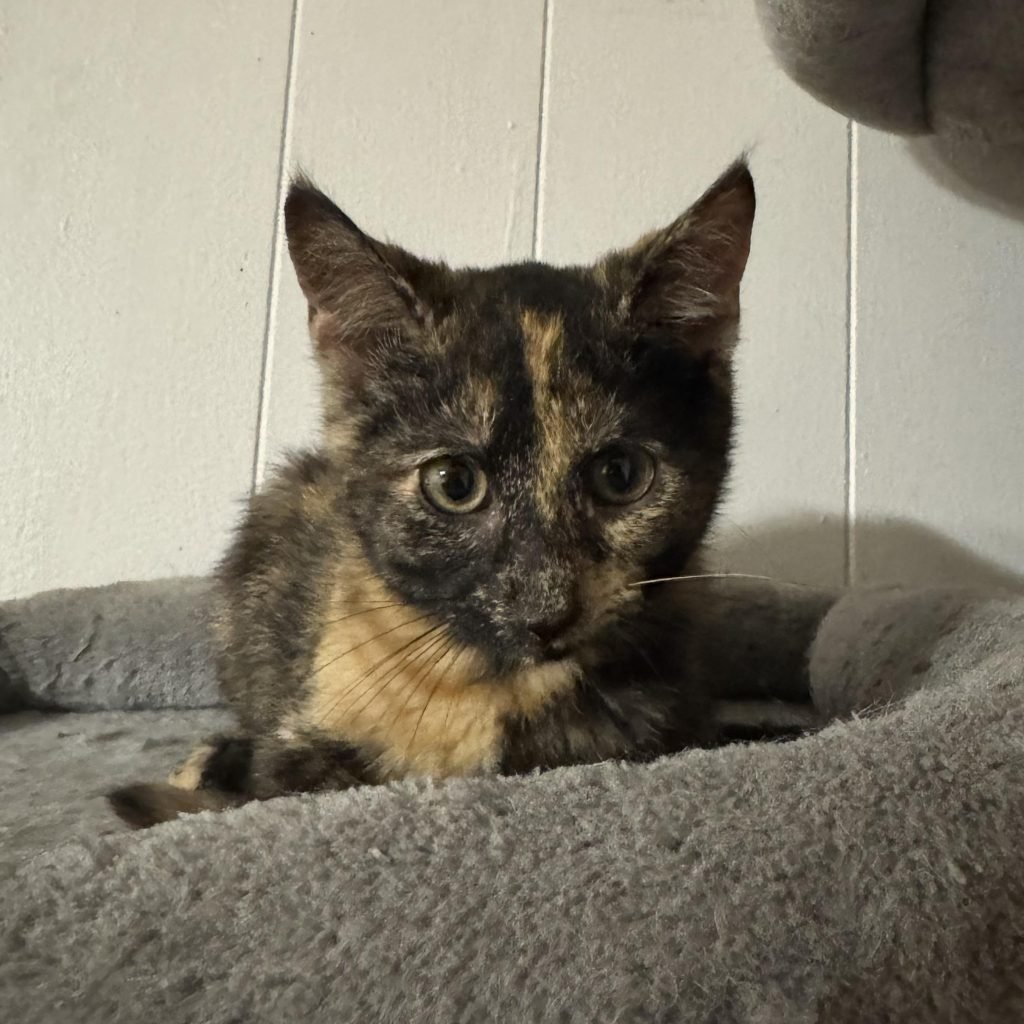
Are you ready to welcome a unique and loving companion into your home? Tortie cats for adoption offer more than just a pet—they bring personality, charm, and a splash of beautiful colors that brighten any room.
If you’ve been searching for a furry friend with a special spirit and striking appearance, this article is made just for you. Keep reading to discover why tortie cats could be the perfect match for your family and how you can give one a second chance at a happy life.
Your new best friend might be waiting right now.
What Makes Tortie Cats Unique
Tortie cats catch your eye instantly with their vibrant looks and lively nature. Their uniqueness goes beyond just appearance; it’s woven into their personality and the stories people tell about them. Understanding what makes torties special can help you connect with these fascinating felines on a deeper level.
Distinctive Color Patterns
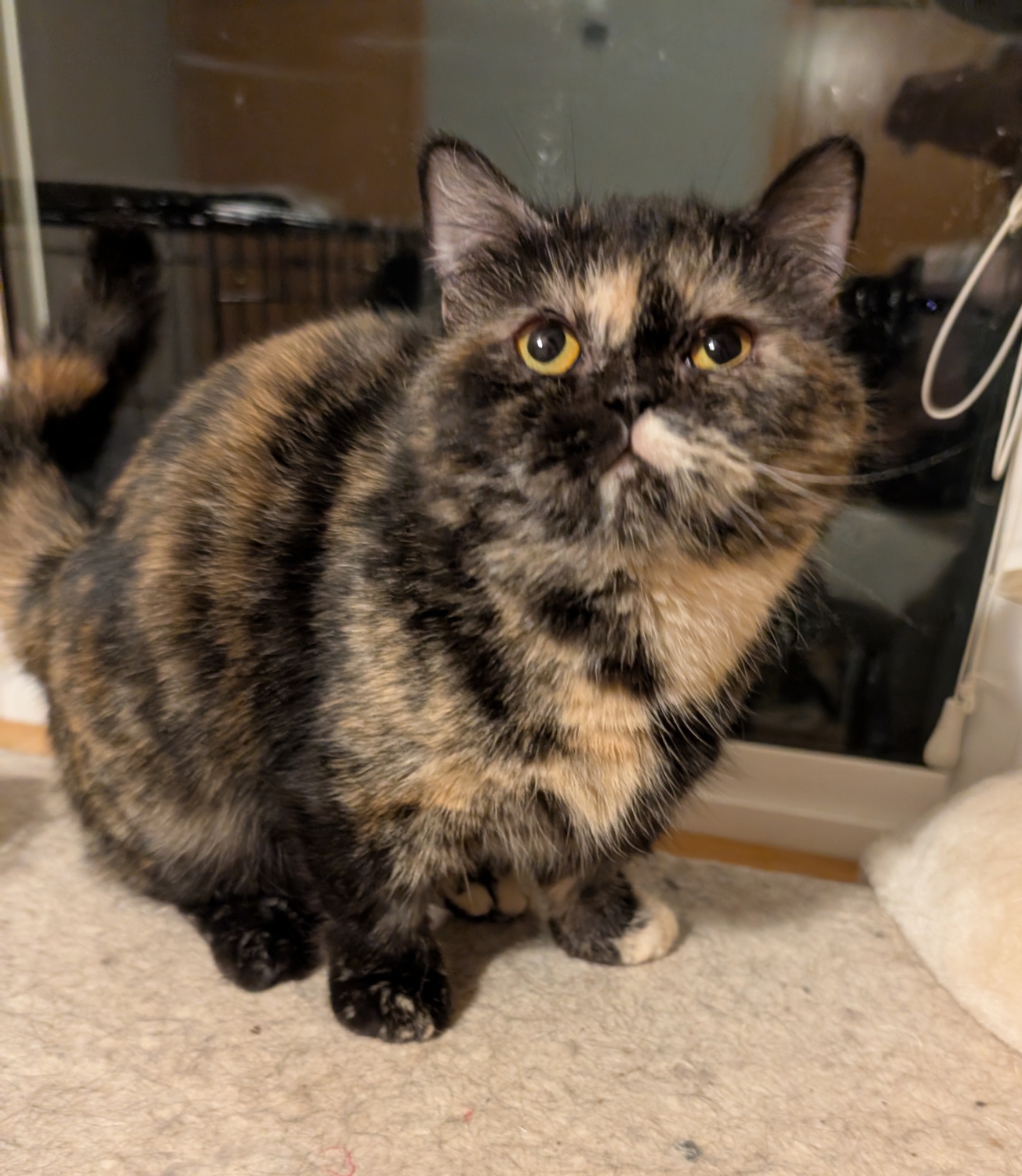
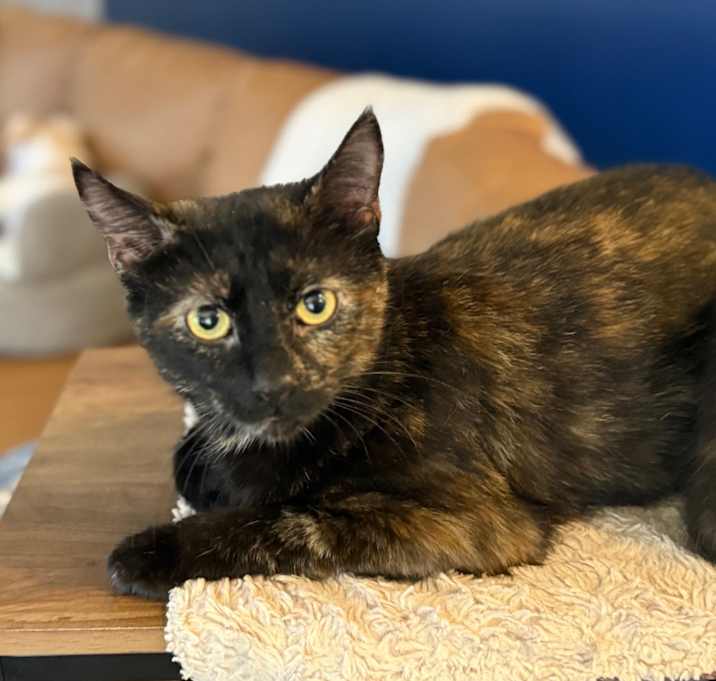
Tortie cats display a striking mix of black, orange, and sometimes cream patches in a mosaic that seems almost random but always beautiful. No two torties look exactly alike, making each one a living work of art. This colorful coat results from a genetic quirk linked to the X chromosome, which also means most torties are female.
Personality Traits
Many tortie owners swear their cats have a fiery and strong-willed personality, often described as “tortitude.” They can be independent, curious, and sometimes stubborn, but they also show affection in unique ways. Have you noticed how some torties demand attention on their terms? Their confident and playful nature often means they keep their humans on their toes.
Common Myths
Tortie cats come with several myths, such as being unlucky or having a bad temper. These beliefs are unfounded and usually stem from misunderstandings about their bold personalities. Instead of superstition, focus on getting to know your tortie’s true character—it’s often full of surprises and warmth.
Credit: purebredcatrescue.org
Choosing The Right Tortie Cat
Choosing the right Tortie cat requires thought and care. Torties have unique personalities and needs. Finding one that fits your lifestyle helps build a happy home for both of you.
Age And Temperament
Tortie cats vary in age from kittens to seniors. Kittens need more play and training. Adult cats often have settled personalities. Seniors may require gentler care.
Temperament differs widely. Some Torties are lively and curious. Others are calm and shy. Spend time with the cat to see its behavior. This helps match energy levels and social needs.
Health Considerations
Check the health history of the Tortie cat. Look for vaccinations, spaying or neutering, and any medical treatments. Some Torties may have conditions that need ongoing care.
Ask about diet and allergies. Regular vet visits keep your cat healthy. A healthy cat is happier and easier to care for.
Compatibility With Families And Pets
Consider your family members’ ages and personalities. Some Torties do well with children. Others prefer quiet homes without much noise.
Think about other pets in the house. Torties can get along with dogs and other cats. Introduce pets slowly and watch their interactions.
Choose a Tortie that fits well with your household’s routine and dynamics.
Where To Find Tortie Cats For Adoption
Finding a tortie cat for adoption means knowing where to look. These unique, colorful cats often pop up in various places, each offering different adoption experiences. Your search can be quick and rewarding if you focus on the right spots.
Animal Shelters And Rescue Centers
Local animal shelters often have tortie cats waiting for a new home. Visiting shelters gives you a chance to meet cats in person and see their personalities firsthand. Staff members can also help match you with a tortie cat that fits your lifestyle.
Keep in mind, many shelters post their available cats online, so checking their websites regularly can save you time. Don’t hesitate to ask about upcoming tortie cats if none are currently available. Your patience might lead to a perfect match.
Online Adoption Platforms
Websites like Petfinder and Adopt-a-Pet list tortie cats available for adoption nationwide. These platforms allow you to filter searches by breed, age, and location, making your hunt more efficient. You can often see photos and read descriptions before reaching out.
Using online platforms also means you can compare adoption fees and policies ahead of time. Have you thought about expanding your search radius to find a tortie cat that truly clicks with you? Sometimes, a short trip can lead to a lifelong companion.
Breed-specific Rescue Groups
Some rescue groups focus specifically on tortoiseshell cats or cats with similar markings. These organizations understand tortie cats’ unique traits and health needs well. Joining their mailing lists or social media pages keeps you informed about available tortie cats.
These groups often provide detailed background stories and medical histories for each cat. Isn’t it reassuring to know your new pet has been cared for by specialists? Connecting with breed-specific rescues can bring you closer to the tortie cat you’re dreaming of.
Credit: petsmartcharities.org
Preparing For Your New Tortie Cat
Bringing home a tortie cat is exciting and full of joy. Proper preparation makes the transition smooth for both you and your new furry friend. Creating a welcoming space helps your tortie feel safe and loved from day one.
Essential Supplies
Gather important items before your tortie arrives. Basic supplies include:
- Food and water bowls
- High-quality cat food
- Litter box and litter
- Comfortable bed or blanket
- Scratching post or pad
- Toys to keep your cat active
- Grooming tools like a brush
Having these ready helps your cat settle quickly.
Creating A Safe Space
Set up a quiet area for your tortie to explore. Choose a small room or cozy corner. Include the bed, litter box, and food bowls here. Keep loud noises and other pets away at first. This safe space gives your cat a chance to adjust.
First Days At Home
Let your tortie explore the safe space slowly. Offer gentle pets and speak softly. Watch for signs of stress or discomfort. Keep feeding and litter routines consistent. Allow your cat to come to you on its own. Patience builds trust and a strong bond.
Caring For Your Tortie Cat
Caring for your tortie cat means meeting their unique needs with love and patience. Tortie cats have lively personalities and thrive in a nurturing home. Good care helps them stay happy and healthy for years. Understanding their nutrition, grooming, and health needs creates a strong bond between you and your pet.
Nutrition And Feeding Tips
A balanced diet supports your tortie’s energy and coat shine. Choose high-quality cat food with real meat as the first ingredient. Avoid fillers like corn or soy that add no real value.
- Feed small meals twice a day to prevent overeating.
- Fresh water should always be available.
- Limit treats to avoid weight gain.
- Consider wet food to increase hydration.
Monitor your cat’s weight and adjust portions as needed. A healthy diet promotes a strong immune system and playful behavior.
Grooming Needs
Torties often have short to medium coats that need regular grooming. Brushing once or twice a week removes loose fur and reduces hairballs. Use a soft brush to avoid skin irritation.
- Check ears weekly for dirt or infection.
- Trim nails every two weeks to prevent scratching.
- Wipe eyes gently if you notice discharge.
Regular grooming sessions strengthen your bond and help detect health issues early.
Health And Veterinary Care
Routine vet visits keep tortie cats healthy. Vaccinations protect against common diseases. Annual checkups catch problems before they worsen.
- Schedule dental cleanings to prevent gum disease.
- Watch for changes in appetite or behavior.
- Keep flea and tick prevention up to date.
Prompt medical care improves your cat’s quality of life. Early detection can save lives.
Bonding With Your Colorful Companion
Bonding with your tortie cat is a special journey filled with color and charm. These cats often have lively personalities that make every moment unique. Patience and understanding help build a strong connection. Learning their likes and dislikes creates a happy home for both of you.
Play And Enrichment
Playtime is key to bonding and keeping your tortie active. Use toys like feather wands or balls to spark interest. Rotate toys often to keep their curiosity alive. Puzzle feeders engage their mind and make eating fun. Create safe spaces with cozy beds or window perches. These simple steps make your cat feel loved and entertained.
Training And Socialization
Training helps your tortie understand your expectations. Use treats and praise to encourage good behavior. Teach simple commands like “come” or “sit” for better communication. Socialize your cat by introducing new people gently. Short, calm sessions prevent stress and build confidence. Training and socialization improve your cat’s comfort around others.
Building Trust And Affection
Trust forms the base of your relationship. Speak softly and move slowly to avoid startling your tortie. Offer your hand for sniffing before petting. Respect their space if they need time alone. Regular grooming sessions create closeness and calm. Watch their body language to understand moods. Over time, these actions deepen your bond and affection grows naturally.

Credit: www.petfinder.com
Frequently Asked Questions
What Makes Tortie Cats Unique For Adoption?
Tortie cats have a distinct coat with mixed colors. Their unique patterns make them highly sought after by cat lovers. They often have strong personalities, adding charm to any home. Adopting a tortie means welcoming a special, one-of-a-kind feline companion.
Are Tortie Cats Good With Families And Children?
Yes, tortie cats can be great family pets. They tend to be affectionate and social. Early socialization helps them adapt well to children. Their playful nature makes them enjoyable companions for all ages.
Where Can I Find Tortie Cats Available For Adoption?
Tortie cats are often found in animal shelters and rescue groups. Checking local shelters or breed-specific rescues increases adoption chances. Online adoption platforms also list tortie cats needing homes. Always verify the credibility of the source before adopting.
Do Tortie Cats Have Specific Health Concerns?
Tortie cats generally have no unique health issues. Like all cats, they need regular vet checkups and vaccinations. Maintaining a balanced diet and exercise supports their well-being. Early detection of health problems ensures a long, happy life.
Conclusion
Tortie cats bring color and joy to any home. Their unique patterns captivate hearts. Adoption offers them a loving forever home. These cats often form strong bonds with owners. They are playful, curious, and affectionate. A tortie cat can be a loyal companion.
Consider visiting your local shelter today. You might just meet your new best friend. A furry friend that enriches your life. Remember, adopting saves lives. Give a tortie cat a chance at happiness. Experience the joy and warmth they bring.
A decision that benefits both you and the cat.
