

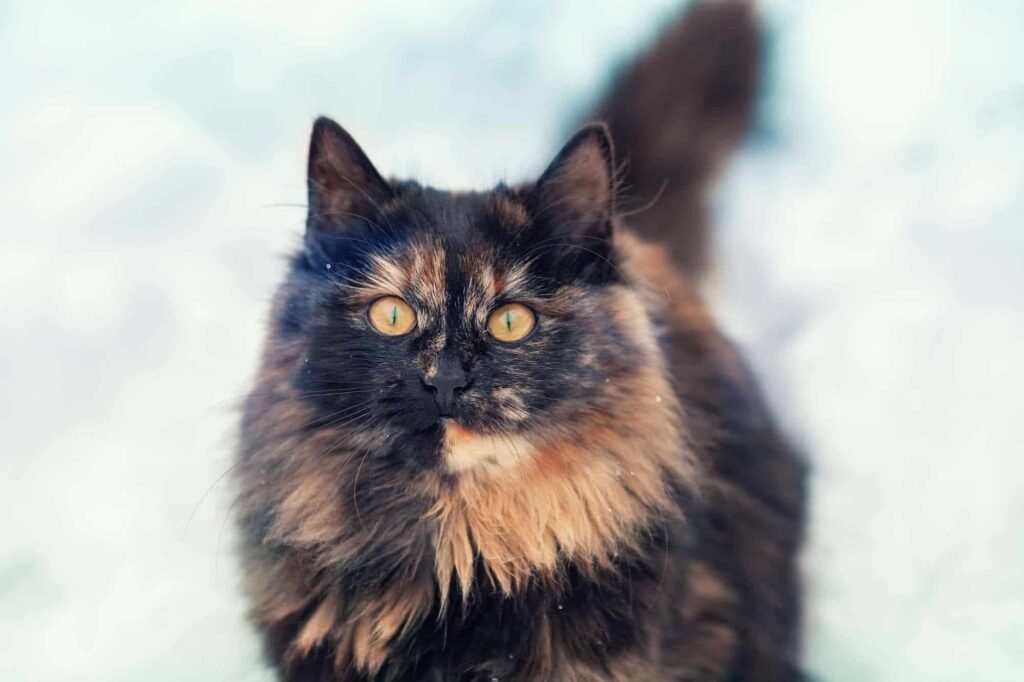
If you have a tortie cat or are thinking of bringing one into your home, understanding their health is crucial. You want your furry friend to live a long, happy life, but some health problems can catch you by surprise.
Knowing what to watch for can make all the difference in keeping your tortie healthy and comfortable. You’ll discover the common health issues tortie cats face and simple steps you can take to protect your beloved pet. Keep reading to ensure you’re ready to give your tortie the best care possible.

Credit: www.petscare.com
Common Health Issues In Tortie Cats
Tortie cats, known for their striking patchwork coats, can face specific health challenges you should watch for. Understanding these common issues helps you keep your furry friend healthy and happy. Let’s look closely at what health concerns often affect Tortie cats and how you can spot them early.
Genetic Conditions
Tortie cats may inherit certain genetic problems that affect their overall well-being. One example is polycystic kidney disease (PKD), which can lead to kidney failure over time. Regular vet check-ups and early screenings can catch such conditions before they become serious.
Another genetic concern includes hypertrophic cardiomyopathy (HCM), a heart disease common in many cat breeds. Watching for signs like difficulty breathing or lethargy can save your cat’s life. Have you noticed any unusual behavior in your Tortie that might hint at hidden health issues?
Dental Problems
Dental health often gets overlooked, but it’s crucial for Tortie cats. They can develop tartar buildup, gingivitis, and even tooth loss if their teeth are not cared for properly. Brush your cat’s teeth regularly or ask your vet about dental cleanings.
Bad breath, drooling, or difficulty eating could signal dental issues. Paying attention to these signs will help you act fast and avoid painful infections. How often do you check your cat’s mouth for signs of trouble?
Obesity Risks
Obesity is a growing problem in many pets, including Tortie cats. Overfeeding and lack of exercise can lead to weight gain, increasing the risk of diabetes and joint problems. Monitor your cat’s weight and adjust their diet accordingly.
Encourage playtime with toys or interactive games to keep your Tortie active. Small changes, like portion control and regular activity, can make a big difference. Are you providing enough opportunities for your cat to stay fit and healthy?
Skin And Coat Concerns
The beautiful coat of a Tortie cat needs proper care to avoid skin problems. Issues like allergies, fungal infections, or mites can cause itching and hair loss. Regular grooming helps spot problems early and keeps their fur shiny.
Watch for excessive scratching or bald patches that might indicate trouble. Keeping your cat’s environment clean and stress-free reduces skin issues. When was the last time you checked your Tortie’s coat for unusual signs?
Nutrition Tips For Tortie Cats
Proper nutrition plays a key role in keeping Tortie cats healthy and active. Feeding them the right foods supports their unique needs and helps prevent common health issues. Focus on quality, balanced meals and good hydration to boost their well-being.
Balanced Diet Essentials
Tortie cats need a mix of proteins, fats, and carbohydrates. Protein from meat or fish supports muscle and energy. Healthy fats keep their coat shiny and skin soft. Carbohydrates provide fuel but should be limited. Choose cat food with:
- High animal protein content
- Moderate fat levels
- Low fillers like corn or wheat
- Added vitamins and minerals
Fresh or wet food can help with moisture and taste. Avoid feeding only dry food as it may lack hydration.
Hydration Importance
Water is vital for Tortie cats’ kidney and urinary health. Cats naturally drink less water, so encourage it. Always provide fresh, clean water in a quiet place. Wet cat food also boosts fluid intake. Consider a cat water fountain to attract them to drink more.
Supplements To Consider
Some Tortie cats benefit from extra supplements. Omega-3 fatty acids improve skin and coat health. Probiotics aid digestion and gut balance. Taurine supports heart and eye health. Consult your vet before adding supplements to their diet. Use only vet-approved products for safety.
Regular Veterinary Care
Regular veterinary care keeps your tortie cat healthy and happy. It helps find problems early before they get worse. Many health issues in tortoiseshell cats can be prevented or treated with timely care. A good vet visit plan supports your cat’s long life and comfort. Routine visits also build trust between you, your cat, and the vet.
Vaccination Schedule
Vaccines protect tortie cats from serious diseases. Follow the vet’s recommended vaccination schedule strictly. Kittens need a series of shots to build strong immunity. Adult cats require booster shots every year or as advised. Vaccinations include protection against rabies, feline distemper, and respiratory infections. Keeping vaccines current reduces health risks and spreading germs.
Routine Checkups
Routine checkups help catch health problems early. The vet examines your tortie’s weight, coat, eyes, and ears. They check for signs of illness or discomfort. Blood tests and urine analysis may be done if needed. Regular visits allow tracking of age-related changes. Early diagnosis leads to easier and cheaper treatment.
Dental Cleanings
Dental health is often overlooked but very important. Tortoiseshell cats can suffer from gum disease and tooth decay. The vet cleans teeth to remove plaque and tartar buildup. Cleanings prevent bad breath, pain, and tooth loss. Home brushing plus professional cleanings keep your cat’s mouth healthy. Healthy teeth help your tortie eat comfortably and stay active.

Credit: worldanimalfoundation.org
Preventing Common Illnesses
Preventing common illnesses in Tortie cats helps keep them healthy and happy. Regular care lowers the risk of many health issues. Focus on parasite control, environmental safety, and stress management for best results. These areas protect your cat’s well-being and improve their quality of life.
Parasite Control
Parasites can cause serious health problems in Tortie cats. Fleas, ticks, and worms weaken their immune system. Use vet-recommended treatments regularly. Check your cat’s fur and skin for signs of parasites. Keep your home clean to reduce parasite risks. Regular vet visits help catch parasites early.
Environmental Safety
Create a safe space for your Tortie cat. Remove harmful plants, chemicals, and small objects. Avoid areas with strong chemicals or smoke. Provide clean water and fresh food daily. Keep litter boxes clean to prevent infections. Ensure your cat’s living area is dry and well-ventilated.
Stress Management
Stress affects a cat’s health negatively. Provide a calm and quiet environment. Offer toys and scratching posts for mental stimulation. Maintain a regular feeding and play schedule. Avoid loud noises and sudden changes. Spend time bonding to build trust and reduce anxiety.
Grooming And Skin Care
Keeping your tortie cat’s coat healthy isn’t just about looks—it’s vital for their overall well-being. Their unique mix of colors often comes with sensitive skin that needs gentle care. Paying attention to grooming and skin care helps prevent common health issues and keeps your furry friend comfortable.
Brushing Techniques
Regular brushing helps remove loose fur and prevents mats, which can cause pain and skin problems. Use a soft-bristle brush or a grooming glove designed for short-haired cats like torties. Brush in the direction of hair growth with gentle strokes to avoid irritating their skin.
Try to make brushing a calming experience. If your cat resists, break sessions into short bursts and reward them with treats. Have you noticed how consistent brushing can reduce shedding and keep your home cleaner too?
Bathing Frequency
Tortie cats usually groom themselves well, so bathing isn’t needed often. Too many baths can strip natural oils and cause dryness. Aim for a bath only when your cat gets particularly dirty or has an odor that brushing can’t fix.
Use a mild, cat-specific shampoo and lukewarm water to protect their delicate skin. Always rinse thoroughly to avoid leftover residue that might irritate. How often do you think your cat really needs a bath?
Addressing Skin Irritations
Keep an eye out for redness, bumps, or excessive scratching—these signs might indicate skin irritation or allergies. Sometimes, torties develop patchy fur loss due to stress or environmental factors. If you spot any issues, gently clean the area with a damp cloth and monitor closely.
If irritation persists, consult your vet to rule out infections or parasites. You can also try hypoallergenic grooming products to soothe sensitive skin. What small changes in your cat’s routine could help reduce their skin problems?
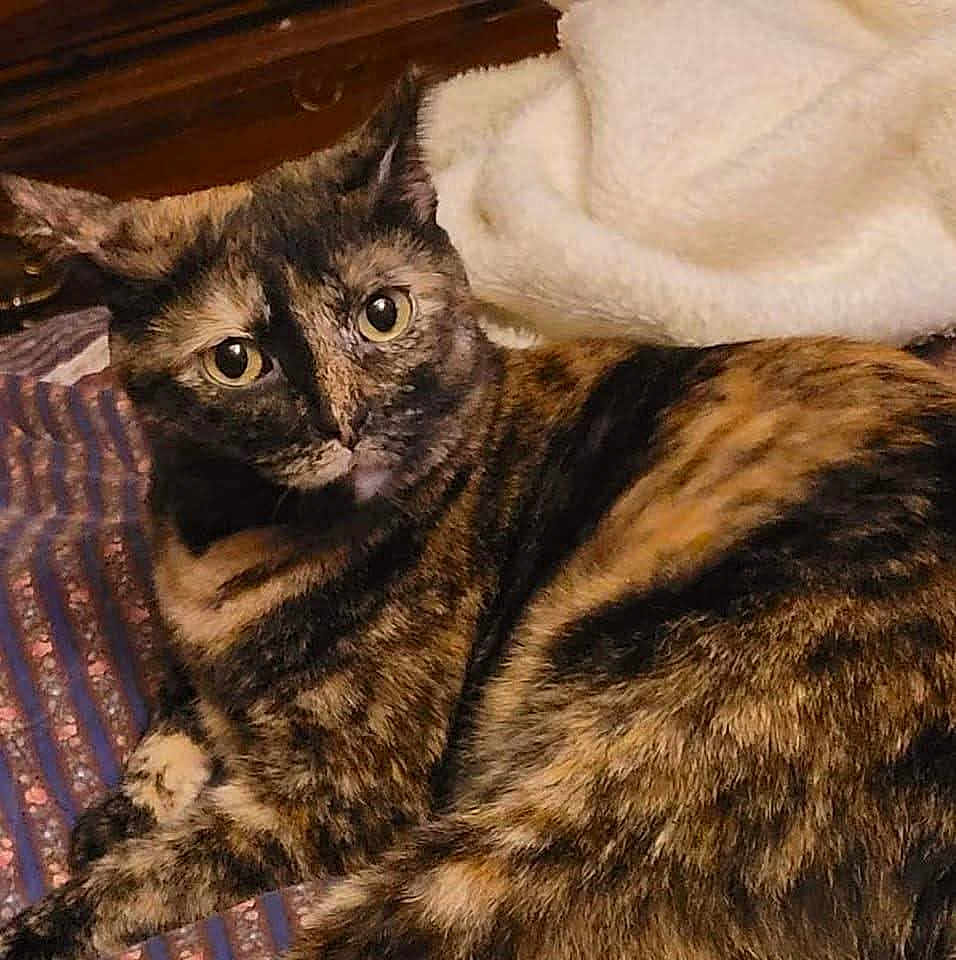
Credit: www.kingpet.com
Recognizing Warning Signs
Recognizing warning signs in a Tortie cat’s health is vital. Early detection helps prevent serious issues. Owners must watch closely for changes in behavior and physical symptoms. Knowing when to seek help can save your cat’s life.
Behavioral Changes
Sudden shifts in behavior often signal health problems. Tortie cats may hide more than usual. They might stop playing or lose interest in food. Aggression or unusual vocalizing can appear. Pay attention to changes in grooming habits. A usually social cat becoming withdrawn is a warning.
Physical Symptoms
Look for visible signs of illness. Check for limp or difficulty moving. Notice if your cat’s eyes look dull or watery. Watch for coughing, sneezing, or trouble breathing. Unexplained weight loss or gain matters. Skin issues like redness or hair loss need attention. Digestive problems such as vomiting or diarrhea are serious.
When To Seek Help
- If changes last more than 24 hours, consult a vet.
- Sudden collapse or difficulty breathing requires immediate care.
- Persistent vomiting or diarrhea needs prompt attention.
- Any wound that won’t heal must be checked.
- Unusual lumps or bumps deserve a professional look.
Trust your instincts as a pet owner. Early action improves your Tortie’s health and happiness.
Frequently Asked Questions
What Are Common Health Issues In Tortie Cats?
Tortie cats often face urinary tract infections, dental problems, and obesity. Regular vet visits help spot these early. Proper diet and hygiene reduce risks. Early detection improves treatment success and quality of life.
Do Tortie Cats Have Genetic Health Risks?
Yes, Tortie cats may inherit genetic issues like polycystic kidney disease. Responsible breeding minimizes these risks. Genetic testing before adoption helps ensure a healthy pet. Awareness of genetic risks aids in preventive care.
How To Prevent Health Problems In Tortie Cats?
Feed a balanced diet, provide clean water, and schedule regular vet check-ups. Maintain dental hygiene and encourage exercise. Early vaccinations and parasite control protect overall health. Prevention is key for a long, healthy life.
Are Tortie Cats Prone To Obesity?
Yes, Tortie cats can become obese without proper diet and exercise. Obesity leads to diabetes and joint issues. Monitor food intake and encourage play. Maintaining healthy weight supports overall well-being and longevity.
Conclusion
Tortie cats can face unique health challenges. Regular vet checkups help spot issues early. Healthy food and exercise keep them strong. Watch for signs of discomfort or illness. Early care can improve their quality of life. Love and attention also support their well-being.
Understanding their needs helps you care better. Keep learning about your tortie’s health. Your care makes a big difference every day.
