

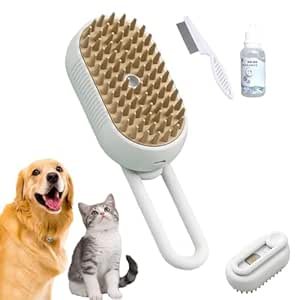
If you have a cat, you know how important grooming is to keep your furry friend happy and healthy. But sometimes, regular brushes just don’t do the trick.
That’s where the Tongue Cat Groomer comes in. This simple tool can change the way you care for your cat’s coat, making grooming easier and more enjoyable for both of you. Curious how it works and why it’s a must-have?
Keep reading to discover how the Tongue Cat Groomer can transform your cat’s grooming routine.
Benefits Of Tongue Grooming
Tongue grooming plays a vital role in a cat’s daily routine. It helps cats stay clean and healthy without much effort. This natural behavior offers many benefits beyond just cleanliness. Understanding these benefits helps cat owners appreciate their pet’s grooming habits more.
Natural Cleaning Process
A cat’s tongue has tiny, hook-like structures that remove dirt and loose fur. These hooks act like a brush to keep the coat smooth and shiny. Grooming also reduces the risk of skin infections by keeping the fur free of debris. It helps remove parasites like fleas and ticks as well.
Bonding Through Grooming
Cats often groom each other as a way to build trust and friendship. This social grooming creates a calm and safe feeling between cats. Cats may also groom their owners to show affection and strengthen their bond. This shared activity can reduce stress and promote relaxation.
Health Indicators In Grooming Habits
Changes in grooming habits can signal health issues. A cat that grooms less might be in pain or feeling sick. Excessive grooming could mean skin problems or allergies. Watching grooming patterns helps spot health problems early, allowing for quick care.

Credit: saurabhchharia.com
Common Grooming Behaviors
Understanding common grooming behaviors in cats reveals a lot about their health and social habits. Cats use their tongues as natural groomers, which is why their grooming style is unique and effective. Observing these behaviors can help you spot any changes that might need your attention.
Frequency And Duration
Cats groom themselves several times a day, often spending anywhere from 15 to 50% of their waking hours on grooming. Some cats, especially long-haired breeds, may take longer sessions to keep their fur clean and untangled. If you notice your cat grooming excessively or too little, it might signal stress or health issues.
Preferred Grooming Areas
Cats usually start grooming their face, especially around the eyes, ears, and mouth. Then they move to their neck, shoulders, and finally the rest of their body. You might see your cat spending more time on areas that feel itchy or uncomfortable, which can help you detect skin problems early.
Self-grooming Vs Mutual Grooming
Self-grooming is about hygiene and comfort. Mutual grooming, also called allogrooming, happens when cats lick each other to strengthen bonds. Have you noticed your cats grooming each other? This behavior shows trust and social connection, and it can help reduce stress among multi-cat households.
Encouraging Grooming In Cats
Encouraging grooming in cats helps keep their fur clean and healthy. Cats enjoy grooming as a natural activity, but some need gentle guidance. Providing the right tools and environment makes grooming easier and more enjoyable. Positive interactions build trust and help cats accept grooming sessions.
Creating A Comfortable Environment
Choose a quiet, warm spot for grooming. Avoid loud noises or distractions. Use soft lighting to keep your cat calm. Let your cat explore the grooming area first. Keep sessions short to prevent stress. A calm environment helps cats relax and enjoy grooming.
Using Grooming Tools
Use a tongue cat groomer designed for gentle brushing. These tools mimic a cat’s natural tongue texture. Start with soft bristles to avoid hurting your cat’s skin. Slowly brush in the direction of fur growth. Clean the tool regularly to remove loose hair. Proper tools make grooming effective and pleasant.
Positive Reinforcement Techniques
Reward your cat with treats after grooming. Use gentle praise and soft petting. Give breaks if your cat shows signs of stress. Repeat grooming sessions often to build comfort. Positive experiences help cats look forward to grooming time.

Credit: kmccberwick.ca
Dealing With Grooming Challenges
Grooming a cat with a tongue cat groomer can be rewarding but also challenging. Cats have different needs and habits that affect their coat care. Understanding common grooming problems helps keep your cat healthy and happy.
Over-grooming Signs And Causes
Over-grooming can cause bald spots and red skin. Cats may lick or bite the same area repeatedly. Stress, allergies, or fleas often trigger this behavior. Watch for constant grooming or hair loss. Address these signs quickly to avoid skin damage.
Under-grooming Issues
Some cats do not groom enough. This can cause matted fur and dirt buildup. Older or sick cats often groom less. Their coat may look dull and tangled. Regular brushing with a tongue cat groomer can help keep the coat clean and smooth.
When To Consult A Veterinarian
Seek a vet’s help if grooming problems persist. Signs include skin wounds, swelling, or severe hair loss. Unusual behavior or excessive scratching also needs attention. A vet can find underlying health issues and suggest treatment.
Maintaining A Clean Cat
Keeping your cat clean is more than just a matter of appearance; it plays a key role in their overall health and comfort. Cats groom themselves, but they can benefit greatly from your help to reach areas they miss or to manage shedding and dirt buildup. Your involvement can also strengthen the bond between you and your feline friend, turning grooming into a relaxing ritual rather than a chore.
Bathing Tips For Cats
Bathing a cat can be tricky, but it’s sometimes necessary, especially if they get into something sticky or smelly. Use lukewarm water and a shampoo made specifically for cats to avoid irritation. Keep the bath short and calm—talk softly and reward your cat afterwards with treats or playtime.
Try to wet only the necessary parts, avoiding the head to prevent water in the ears and eyes. If your cat resists, consider a dry shampoo or grooming wipes as an alternative. Have you noticed how some cats almost enjoy a gentle rinse, while others need more patience and reassurance?
Brushing And Hair Care
Regular brushing removes loose fur and prevents mats and tangles, which can be uncomfortable or painful for your cat. Choose a brush suitable for your cat’s coat type—slicker brushes work well for long hair, while rubber brushes suit short-haired breeds.
Brush in the direction of hair growth, paying extra attention to problem spots like behind the ears or under the legs. Brushing also helps you spot skin issues early, like bumps or parasites. How often you brush depends on your cat’s breed and lifestyle, but aiming for a few times a week keeps their coat shiny and healthy.
Ear And Nail Hygiene
Clean ears and trimmed nails are essential parts of cat grooming that many overlook. Check your cat’s ears weekly for dirt, wax buildup, or signs of infection like redness and odor. Use a vet-approved ear cleaner and a soft cloth or cotton ball—never insert anything deep into the ear canal.
Nail trimming helps prevent scratches and damage to furniture. Use special cat nail clippers and trim just the sharp tip, avoiding the pink quick inside the nail. If your cat hates nail trimming, try doing one or two nails at a time and reward them generously. Have you tried scratching posts as a natural way to keep nails in check?
Diet And Grooming Health
Proper diet plays a big role in a cat’s grooming health. A balanced diet helps keep the coat shiny and skin healthy. Good nutrition supports the natural oils that protect fur and skin. Cats need nutrients that help reduce shedding and prevent dryness. Feeding the right food can make grooming easier and less stressful for both cat and owner.
Nutrition’s Role In Coat Quality
High-quality protein is essential for strong fur. Cats need amino acids to build healthy hair strands. Omega-3 and omega-6 fatty acids improve coat shine and softness. Vitamins like A, E, and B-complex boost skin repair and hair growth. A poor diet can cause dull, brittle fur and hair loss.
Hydration And Skin Health
Water keeps skin hydrated and elastic. Dehydrated skin can become flaky and itchy. Cats often drink less water, so wet food helps increase fluid intake. Proper hydration supports the skin’s barrier function. Healthy skin reduces the risk of infections and irritation.
Supplements For Grooming Support
Supplements can fill gaps in a cat’s diet. Fish oil capsules add omega-3 fatty acids. Biotin and zinc promote healthy skin and fur. Probiotics improve digestion, which supports nutrient absorption. Always talk to a vet before starting supplements to ensure safety.
Credit: www.walmart.com
Frequently Asked Questions
What Is A Tongue Cat Groomer?
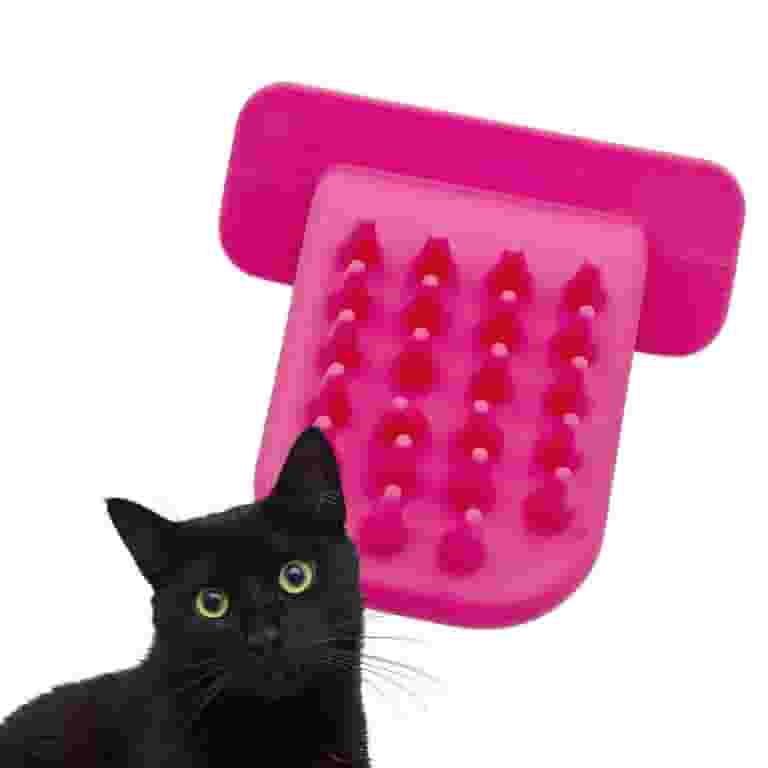
A Tongue Cat Groomer is a grooming tool designed to mimic a cat’s tongue. It gently removes loose fur and dirt. This tool helps reduce shedding and keeps your cat’s coat healthy. It also provides a gentle massage, improving blood circulation.
How Does A Tongue Cat Groomer Work?
The Tongue Cat Groomer has soft, flexible silicone bristles. These bristles mimic the texture of a cat’s tongue. They gently catch loose hair and dirt while massaging the skin. This action promotes healthy fur and reduces shedding without hurting your cat.
Can A Tongue Cat Groomer Reduce Cat Hair Shedding?
Yes, a Tongue Cat Groomer effectively reduces cat hair shedding. It removes loose and dead fur regularly. This prevents excessive hair buildup around your home. Consistent grooming with this tool keeps your cat’s coat clean and healthy.
Is A Tongue Cat Groomer Safe For All Cats?
Yes, a Tongue Cat Groomer is safe for all cats. The silicone bristles are gentle and non-abrasive. They cause no irritation or discomfort, even for sensitive cats. Always use the groomer gently and observe your cat’s reaction.
Conclusion
The Tongue Cat Groomer is a unique tool for pet care. It offers a fun way to bond with your cat. Easy to use and safe for pets. Cats feel relaxed and happy during grooming sessions. This tool is gentle on fur and skin.
Perfect for busy pet owners seeking convenience. A great addition to any pet care routine. Give it a try and see the joy it brings. Your cat will purr with delight. Enjoy a happy, well-groomed pet every day.
