

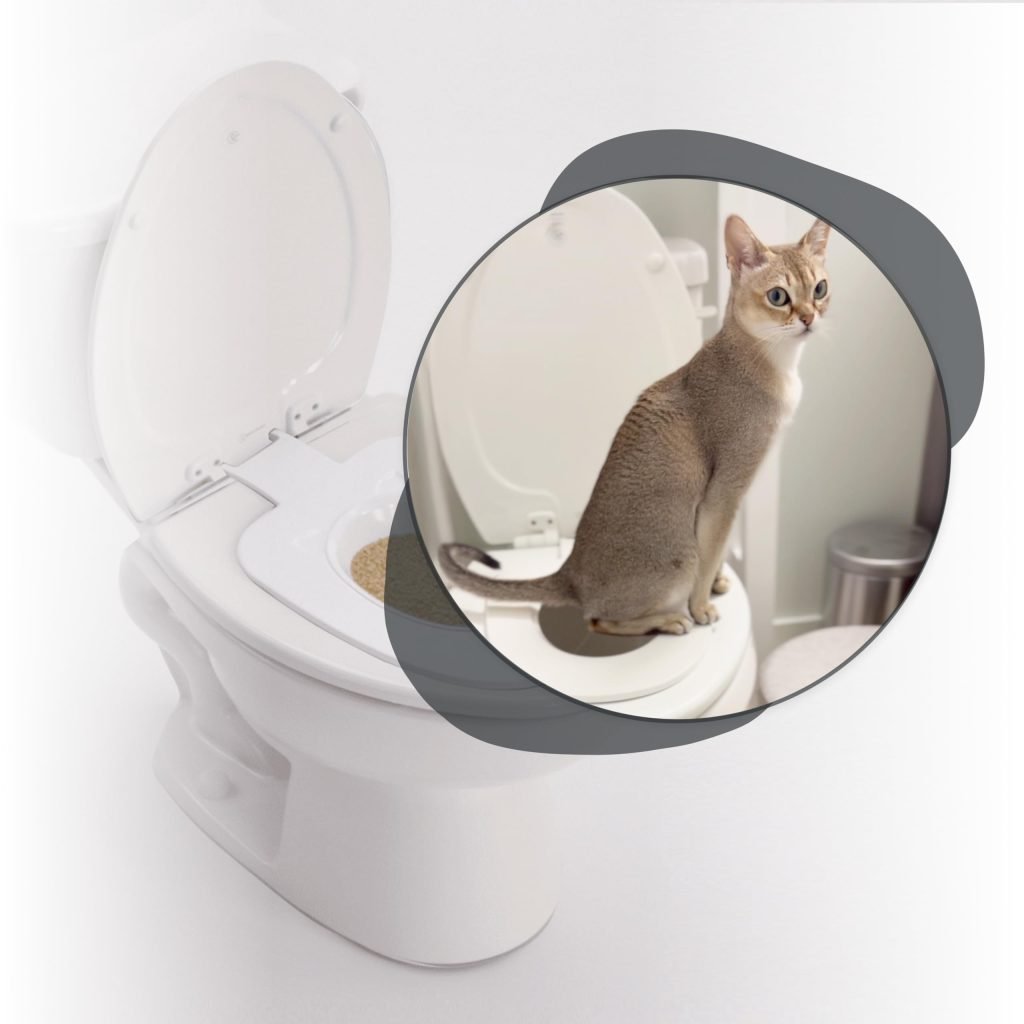
Have you ever wished your cat could use the toilet like you do? Imagine no more scooping litter boxes or worrying about unpleasant odors.
Toilet training your cat might sound tricky, but with the right steps, you can make it happen. You’ll discover simple tips and secrets to help your furry friend make the switch smoothly. Keep reading, and you’ll soon enjoy a cleaner home and a happier cat.
Benefits Of Toilet Training Cats
Training your cat to use the toilet can transform daily routines and offer benefits that go beyond just convenience. It impacts your cat’s health, the environment, and even your budget. Understanding these benefits can help you decide if toilet training is the right choice for you and your feline friend.
Health And Hygiene Advantages
Toilet training helps keep your home cleaner. Without a litter box, you avoid the mess of scattered litter and unpleasant odors. This reduces allergens and bacteria, creating a healthier space for both you and your cat.
Also, cats using the toilet are less likely to develop infections related to dirty litter. You’ll notice fewer issues like urinary tract infections because the toilet water flushes waste away immediately. Have you ever considered how much time you spend cleaning the litter box each week?
Environmental Impact
Think about the amount of litter wasted every month. Most cat litters are made from clay or silica, which are not biodegradable and contribute to landfill waste. Toilet training eliminates the need for this waste entirely.
Flushing cat waste down the toilet uses water, but it’s often less harmful than the environmental footprint of producing and transporting litter. Your choice to toilet train can reduce plastic bag use and packaging waste too. How much plastic do you think you throw away monthly just from litter supplies?
Cost Savings Over Time
Buying litter regularly adds up. The initial investment in toilet training supplies might seem high, but you’ll save money on litter in the long run. Over a year, these savings can be substantial.
You also cut down on the cost of cleaning products and bags used for litter disposal. Imagine putting that money toward toys or treats for your cat instead. Would you prefer spending less on maintenance and more on fun for your pet?
Choosing The Right Cat For Training
Choosing the right cat for toilet training can make a huge difference in your success rate. Not every cat is suited for this unique skill, and understanding the key factors can save you time and frustration. Your cat’s personality and readiness play a crucial role in how smoothly the training will go.
Age And Temperament Factors
Young cats tend to be more adaptable, but kittens under four months old may not have the physical control needed for toilet training. Older cats can learn too, but patience is essential as they might resist change.
Temperament is just as important as age. Cats that are curious, confident, and calm usually take to toilet training better than shy or anxious ones. If your cat is easily stressed, the process might backfire and cause more accidents.
Think about your cat’s daily behavior. Does your cat explore new things or shy away? A confident cat is more likely to climb on the toilet and balance comfortably, which is key for this training.
Signs Your Cat Is Ready
Before starting toilet training, watch for signs that your cat is ready to transition. One clear sign is when your cat consistently uses the litter box without hesitation.
Another important indicator is your cat’s ability to jump up to the toilet seat easily. If your cat avoids jumping or seems unsure, it might need more time to build strength and confidence.
Observe if your cat shows interest in the bathroom or toilet area. Cats that hang around the bathroom or watch you closely during your bathroom routine are more likely to engage in toilet training.
Have you noticed your cat’s curiosity about water? Some cats enjoy playing with water, making it easier for them to accept the toilet as their new bathroom spot.
Essential Tools And Setup
Setting up the right tools and environment is key for successful cat toilet training. It helps your cat adjust and feel comfortable during the learning process. Proper preparation also reduces accidents and stress. Focus on selecting the right training seat and creating a suitable bathroom space. Both play a big role in guiding your cat to use the toilet confidently.
Selecting A Training Seat
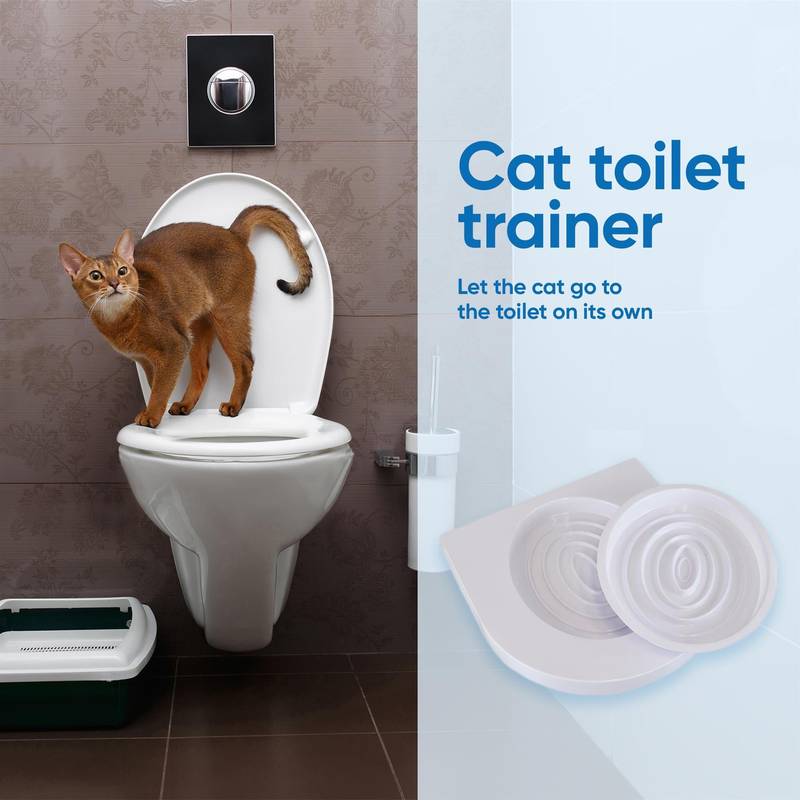
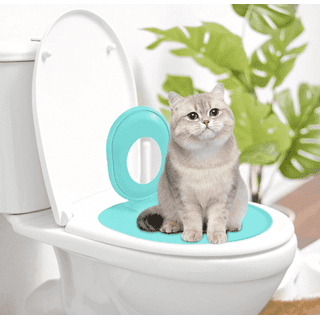
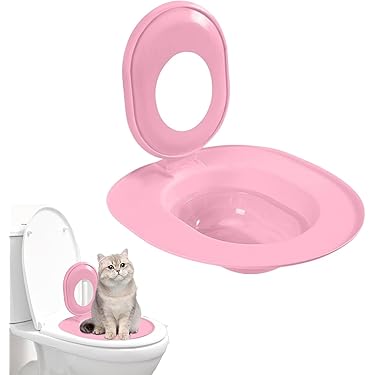
Choose a training seat designed specifically for cats. These seats fit over the toilet bowl and have a small hole in the center. This hole gets bigger as your cat learns to balance and use the toilet. Look for seats made from durable, easy-to-clean materials. Some models come with removable inserts to control the size of the hole. Pick a seat that suits your toilet’s shape and size. Comfort and safety should be your top priorities.
Bathroom Preparation Tips
Keep the bathroom quiet and free from distractions. Make sure it is clean and smells fresh. Remove any items your cat might knock over or chew. Place the training seat on the toilet before your cat starts learning. Use a stable step or stool to help your cat reach the seat easily. Check the toilet lid is always up. This setup makes the bathroom inviting and safe for your cat.
Credit: kmccberwick.ca
Step-by-step Training Process
Toilet training cats requires patience and a clear plan. This step-by-step process helps cats adjust smoothly. Each stage builds on the last, guiding your cat gently toward success.
Introducing The Training Seat
Start by placing a special training seat on the toilet bowl. This seat fits securely and feels stable for your cat. Let your cat explore the seat without pressure. Allow several days for your cat to get used to sitting on it. This helps reduce fear and builds trust.
Gradual Transition From Litter Box
Move the litter box closer to the bathroom over a few days. Then, place the litter box on the training seat. Reduce the litter amount slowly each day. Your cat learns to balance on the seat while using the litter. This step takes time, so be patient and consistent.
Encouraging Positive Behavior
Reward your cat with treats or gentle praise after using the seat. Keep the bathroom calm and quiet during training sessions. Avoid punishment to prevent stress and fear. Celebrate small progress to keep your cat motivated. Positive reinforcement helps your cat feel safe and confident.
Common Challenges And Solutions
Toilet training cats can be tricky. Many cat owners face challenges during the process. Understanding common problems helps solve them faster. Patience and consistency are key to success.
Dealing With Resistance
Cats may resist using the toilet at first. They like their usual litter box. Changes can cause stress or confusion. To ease resistance, introduce the toilet slowly. Let your cat explore the toilet area without pressure. Use treats and praise to encourage good behavior. Avoid forcing your cat, as it may cause fear.
Accidents And How To Handle Them
Accidents happen and are part of learning. Stay calm and avoid punishment. Clean accidents thoroughly to remove odors. Use enzyme-based cleaners to stop re-marking. Watch for patterns in accidents to find causes. Adjust training steps if needed. Consistency and patience help reduce accidents over time.
Maintaining A Litter-free Bathroom
Maintaining a litter-free bathroom after toilet training your cat is essential for a clean and pleasant home environment. It takes consistent effort and attention to keep the bathroom hygienic and your cat motivated to use the toilet. You might be surprised how small habits can make a big difference in sustaining this change.
Cleaning And Hygiene Practices
Even without litter, your cat’s toilet area still needs regular cleaning. Use a mild, pet-safe disinfectant to wipe down the toilet seat and surrounding areas. This keeps the space fresh and reduces any odors that might discourage your cat.
Pay attention to water splashes or any accidents. Quickly drying these spots prevents stains and slippery surfaces. Have cleaning supplies within reach to make this a quick routine task.
Do you notice any resistance from your cat? Sometimes, a less clean toilet can make them hesitant. Keeping it spotless ensures your cat feels comfortable returning every time.
Keeping Your Cat Engaged
Once your cat masters toilet use, staying interested can be a challenge. Cats thrive on routine, so maintaining consistent bathroom times helps reinforce the habit. Praise your cat or offer a small treat after successful toilet use to create positive associations.
Introduce subtle changes gradually, like adjusting the toilet seat or lid, to keep your cat curious but not stressed. You can also provide easy access to the bathroom by keeping the door open or nearby.
Have you tried observing your cat’s bathroom behavior closely? You might find small signs of boredom or reluctance early on. Addressing these signals with gentle encouragement or environmental tweaks can keep your cat engaged long-term.
When To Seek Professional Help
Toilet training a cat can be a rewarding challenge, but it’s not always smooth sailing. Sometimes, your feline friend may show signs that the process is causing more harm than good. Knowing when to seek professional help can save both you and your cat from unnecessary stress and frustration.
Signs Of Stress Or Anxiety
Watch closely for changes in your cat’s behavior during toilet training. If your cat starts hiding more often, refuses to eat, or becomes unusually aggressive, these could be signs of stress. You might also notice your cat avoiding the toilet area entirely or having accidents outside the designated spot.
Some cats vocalize their discomfort with excessive meowing or yowling. Others may over-groom themselves, leading to bald patches or skin irritation. Ignoring these signals can make the situation worse for your cat’s emotional well-being.
Consulting Veterinarians Or Trainers
If you spot these warning signs, it’s time to reach out for expert advice. Veterinarians can rule out medical issues such as urinary tract infections that mimic toilet training problems. They also offer guidance on managing anxiety or recommending calming products.
Professional cat trainers bring valuable experience in behavioral modification. They can tailor a training approach based on your cat’s personality and progress. Don’t hesitate to ask for a consultation; a fresh perspective can often uncover solutions you hadn’t considered.
Have you noticed your cat’s mood change during training? Seeking help early can protect your cat’s happiness and keep the bond between you strong.
Credit: www.walmart.com
Credit: www.amazon.com
Frequently Asked Questions
How Long Does Toilet Training A Cat Take?
Toilet training a cat typically takes 4 to 8 weeks. It depends on your cat’s age, temperament, and consistency. Gradual steps and patience are key to success. Avoid rushing the process to prevent stress for your cat.
What Supplies Do I Need For Cat Toilet Training?
You need a special cat toilet training kit, which includes a seat insert. A regular litter box will be used initially. Gradually, the insert’s holes enlarge to transition the cat to the toilet. Treats and patience also help during training.
Can All Cats Be Toilet Trained?
Most cats can learn toilet training, but some may resist. Cats with anxiety or older cats might struggle. Success depends on patience, consistency, and gradual training steps. Always monitor your cat’s comfort and health throughout the process.
Is Toilet Training Safe For Cats?
Yes, toilet training is safe if done correctly. Avoid forcing your cat, and watch for signs of stress. Make sure the toilet seat is stable and clean. Provide alternative litter access during training to ensure your cat’s well-being.
Conclusion
Toilet training cats takes time and patience. Start slowly and be consistent. Praise your cat for small successes. Expect some accidents along the way. Keep the training area clean and quiet. Cats learn best with positive encouragement. This method can save space and money.
Most cats adapt well with steady practice. Enjoy the process and celebrate progress. Your cat will thank you in the end.
