

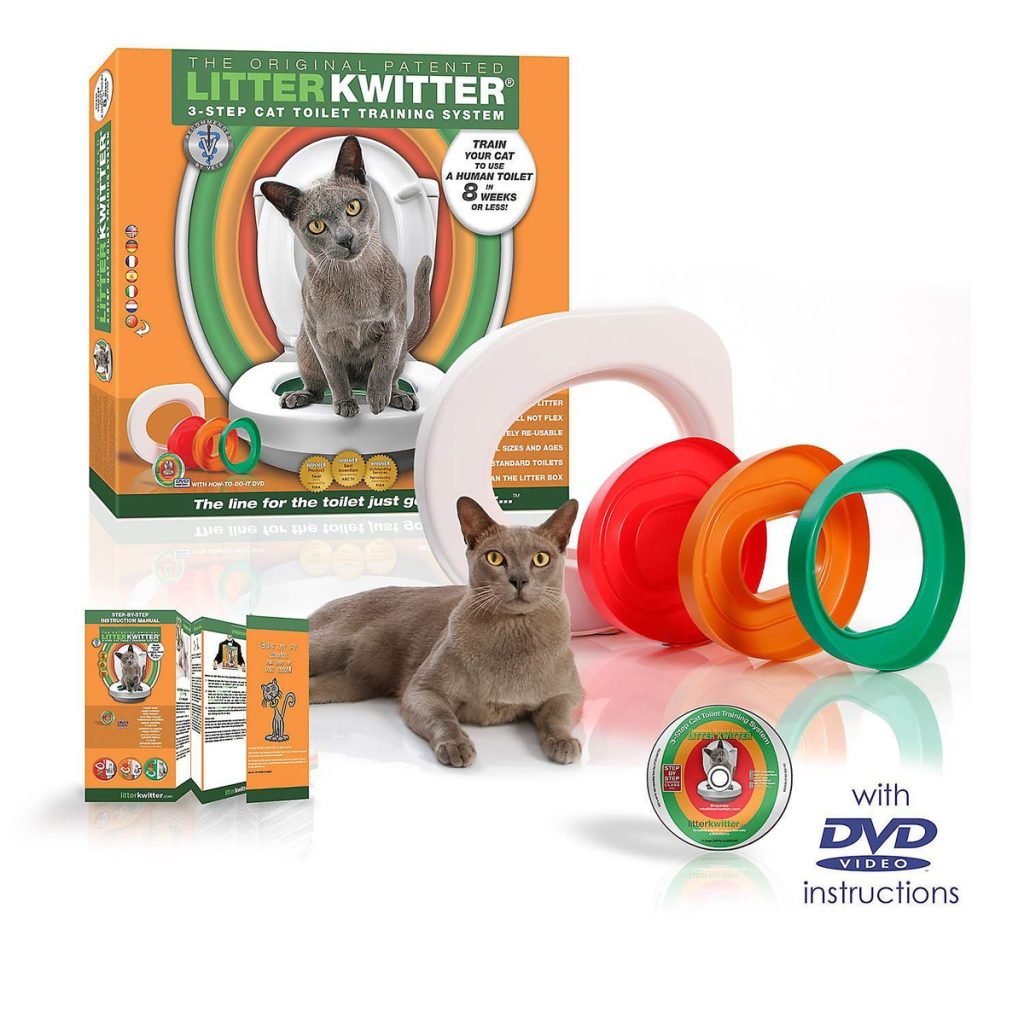
If you’ve ever dreamed of saying goodbye to litter boxes forever, toilet training your cat might be the solution you’ve been searching for. Imagine the convenience of your furry friend using the toilet just like you do—no more scooping, no more mess.
But is it really possible, and how do you make it work without stressing your cat? You’ll discover simple, effective steps to help your cat make this impressive switch. Keep reading, because the secret to a cleaner home and a happier pet is closer than you think.
Benefits Of Toilet Training Cats
Toilet training cats offers several practical benefits for both cats and their owners. It helps create a cleaner home environment and reduces the effort of daily litter box maintenance. Cats can adapt well to this change, making life easier for everyone involved.
Hygiene Improvements
Toilet training cats greatly improves home cleanliness. There is no more scattered litter or bad smells in the house. It reduces the risk of bacteria and germs spreading from the litter box. This training helps keep your cat’s waste contained in one place. It also lowers the chances of accidents outside the toilet.
Cost Savings
Training cats to use the toilet saves money on litter supplies. Cat litter can be expensive and needs frequent replacement. Toilet training eliminates this recurring cost completely. It also reduces the need for cleaning products used for litter box spills. Over time, these savings add up to a noticeable amount.
Environmental Impact
Toilet training cats helps reduce environmental waste. Cat litter often contains clay or chemicals that harm the planet. Less litter use means less waste going to landfills. Water use increases slightly but is still better for the environment overall. Choosing this method supports a more eco-friendly lifestyle for pet owners.
Credit: www.walmart.ca
Preparing Your Cat For Training
Preparing your cat for toilet training sets the stage for success. This phase helps your cat adjust smoothly to new habits. It reduces stress and builds positive experiences. Patience and attention are key during this time. Understanding your cat’s needs and signals will guide you well.
Choosing The Right Time
Pick a quiet period at home to start training. Avoid times with big changes like moving or new pets. Your cat should feel calm and secure. Training works best when your cat is healthy and active. Watch for signs that your cat is curious about the bathroom area.
Gathering Necessary Supplies
Prepare all tools before starting the training. Common supplies include:
- A sturdy toilet seat adapter for cats
- Flushable litter to ease transition
- Treats for positive reinforcement
- Cleaning products safe for pets
Keep these items ready to avoid interruptions. Consistency helps your cat learn faster.
Assessing Your Cat’s Readiness
Check if your cat uses the litter box reliably. A cat that avoids accidents shows good readiness. Notice if your cat can jump on the toilet seat. Some cats may need time to build this skill. Watch your cat’s behavior closely. Signs like curiosity and confidence help guide your timing.
Step-by-step Toilet Training Process
Toilet training a cat is a process that requires patience, consistency, and clear steps. Moving your cat from a litter box to a toilet doesn’t happen overnight. Each stage builds on the previous one, helping your cat adjust comfortably and confidently.
Introducing The Litter Box Near The Toilet
Start by placing your cat’s litter box right next to the toilet. This small change helps your cat get used to the new location without feeling rushed. It also allows your cat to associate the toilet area with their usual bathroom routine.
Watch how your cat reacts during this phase. If they seem hesitant, give them time to explore and feel safe around the toilet area. You want to avoid any negative experiences that could create resistance later on.
Gradually Raising The Litter Box
Once your cat is comfortable with the litter box by the toilet, begin raising the box a few inches at a time. Use sturdy platforms or books to elevate the box gradually over several days or weeks. This helps your cat adapt to the height of the toilet seat without stress.
Keep an eye on their balance and comfort. Some cats may need more time at each height, so don’t rush this step. Your goal is to make the height change feel natural, not forced.
Transitioning To A Training Seat
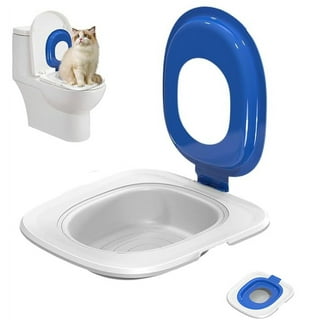
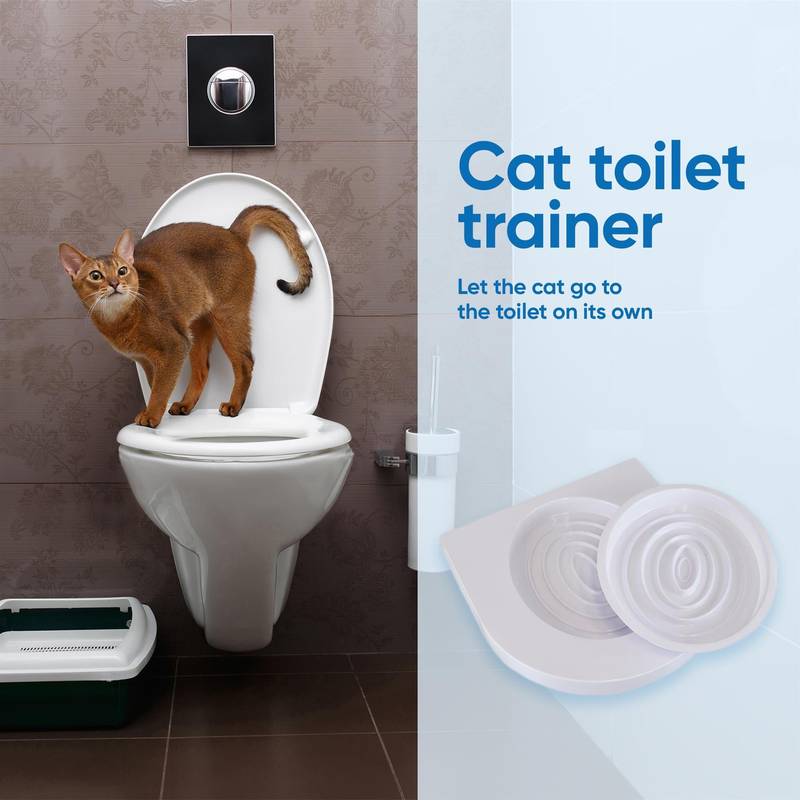
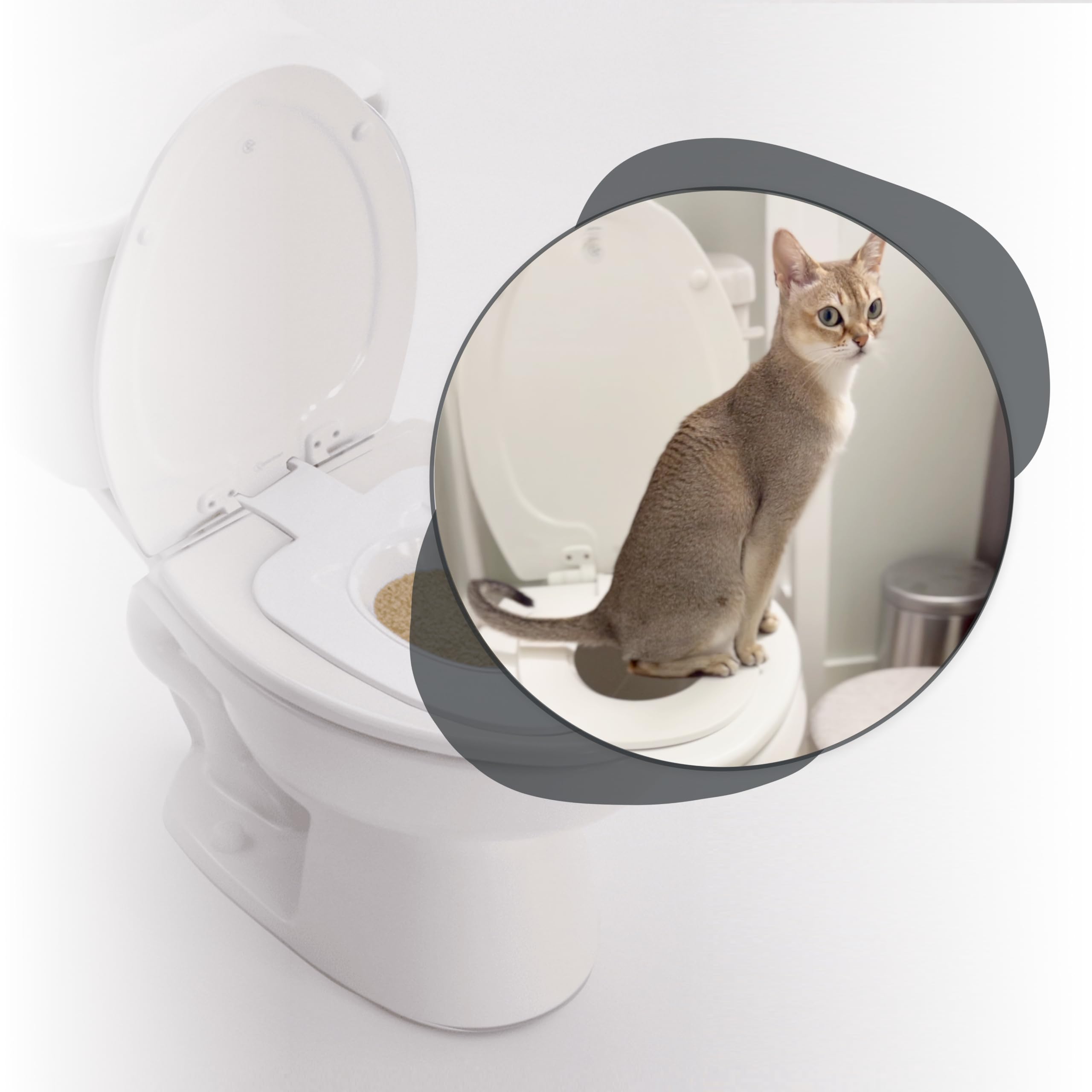
When the litter box is level with the toilet seat, swap it for a specialized cat toilet training seat. These seats fit inside the toilet bowl and have space for litter. Your cat will start using the toilet in a way that mimics their litter box experience.
During this phase, stay patient. Your cat might try to jump in and out or seem confused. Consistent encouragement and praise help them understand the new setup.
Reducing Litter Use
Start cutting back on the litter inside the training seat gradually. Use less litter over time until it’s completely removed. This step teaches your cat that the toilet water, not the litter, is their new bathroom spot.
Notice your cat’s reaction carefully. If they resist, slow down the litter reduction. Each cat adjusts differently, so tailor the pace to their comfort.
Encouraging Toilet Use
Once your cat is comfortable using the training seat without litter, remove it entirely. Your cat will now use the toilet bowl directly. You might want to keep the bathroom door open and add treats or toys nearby to make this area inviting.
Have you thought about how you’ll handle accidents? Prepare cleaning supplies and stay calm if they happen. Positive reinforcement when your cat succeeds builds their confidence.
Credit: kmccberwick.ca
Common Challenges And Solutions
Toilet training a cat brings unique challenges. Each cat has its personality and habits. Understanding common problems helps solve them faster. Patience and consistency are key to success.
Reluctance To Use The Toilet
Many cats refuse to use the toilet at first. They feel unsure or scared of the new place. Some prefer the familiar litter box smell and texture. Sudden changes can cause stress and confusion.
Try these tips to ease their reluctance:
- Introduce the toilet gradually, step by step.
- Use treats and praise to encourage attempts.
- Make the toilet seat comfortable and safe.
- Keep the bathroom quiet and calm.
Accidents And Setbacks
Accidents happen during training. Cats may miss the toilet or go back to the litter box. Setbacks do not mean failure. They are part of learning and adjusting.
Handle accidents calmly. Avoid punishment or loud reactions. Clean soiled areas well to remove odor. This stops repeat accidents in the same spot. Keep training sessions short and positive.
Dealing With Multiple Cats
Training several cats can be tricky. Each cat reacts differently to toilet training. Some may learn quickly, others slowly. Jealousy or competition can cause problems.
Manage multiple cats by:
- Training one cat at a time.
- Providing separate litter boxes initially.
- Ensuring each cat has its space and attention.
- Watching for signs of stress or conflict.
Maintaining The Routine Long-term
Maintaining your cat’s toilet training routine is essential for lasting success. Consistency helps your cat feel comfortable and confident. Small efforts every day keep the habit strong and avoid accidents.
Pay close attention to cleanliness and your cat’s well-being. Adjust the routine as your cat grows older. This ensures the training remains effective and comfortable for your pet.
Cleaning And Hygiene Tips
Keep the toilet seat and surrounding area clean. Use mild, pet-safe cleaners to avoid irritation. Wipe away any spills or stains immediately.
Clean the toilet bowl regularly to prevent odors. Rinse thoroughly to remove any cleaning residues. Dry the seat before your cat uses it again.
Offer fresh water nearby to encourage good hygiene. Check for any litter or waste that may fall outside the toilet.
Monitoring Health And Behavior
Watch for signs of discomfort or changes in bathroom habits. Frequent accidents may indicate health problems. Sudden changes in behavior should never be ignored.
Observe your cat’s body language during toilet use. Stress or hesitation can signal issues. Consult a vet if you notice signs of pain or distress.
Keep track of your cat’s weight and activity levels. Health affects their ability to maintain toilet training. Early detection of problems helps keep training on track.
Adjusting Training For Aging Cats
Older cats may face challenges using the toilet. Joint pain or limited mobility can affect their routine. Provide extra support like soft mats or steps if needed.
Be patient and ready to modify the routine. Switching back to a litter box might be necessary sometimes. Observe your cat’s needs and adapt accordingly.
Keep the toilet area quiet and safe. Reduce any obstacles or slippery surfaces. Comfort is key for senior cats to keep the habit.
Credit: www.amazon.com
Frequently Asked Questions
How Long Does Cat Toilet Training Usually Take?
Cat toilet training typically takes 4 to 8 weeks. Consistency and patience are key. Progress may vary by cat personality and age.
What Tools Help With Toilet Training A Cat?
Use a special cat toilet training seat or kit. Gradually reduce litter and adjust the seat size to train your cat.
Is Toilet Training Safe For Cats?
Yes, toilet training is safe if done gradually. Avoid rushing to prevent stress or accidents. Monitor your cat’s comfort throughout.
Can All Cats Learn To Use The Toilet?
Most cats can learn, but some may resist. Age, temperament, and previous habits affect success. Be patient and adjust training methods.
Conclusion
Training your cat to use the toilet takes time and patience. Each cat learns at its own speed. Stay calm and keep sessions short. Celebrate small successes to encourage your pet. Remember, not all cats like toilet training. Watch your cat’s comfort and health closely.
A clean, quiet bathroom helps the process. Consistency is the key to good results. This method can reduce litter mess and costs. With care and effort, toilet training is possible. Enjoy the journey with your feline friend.
