

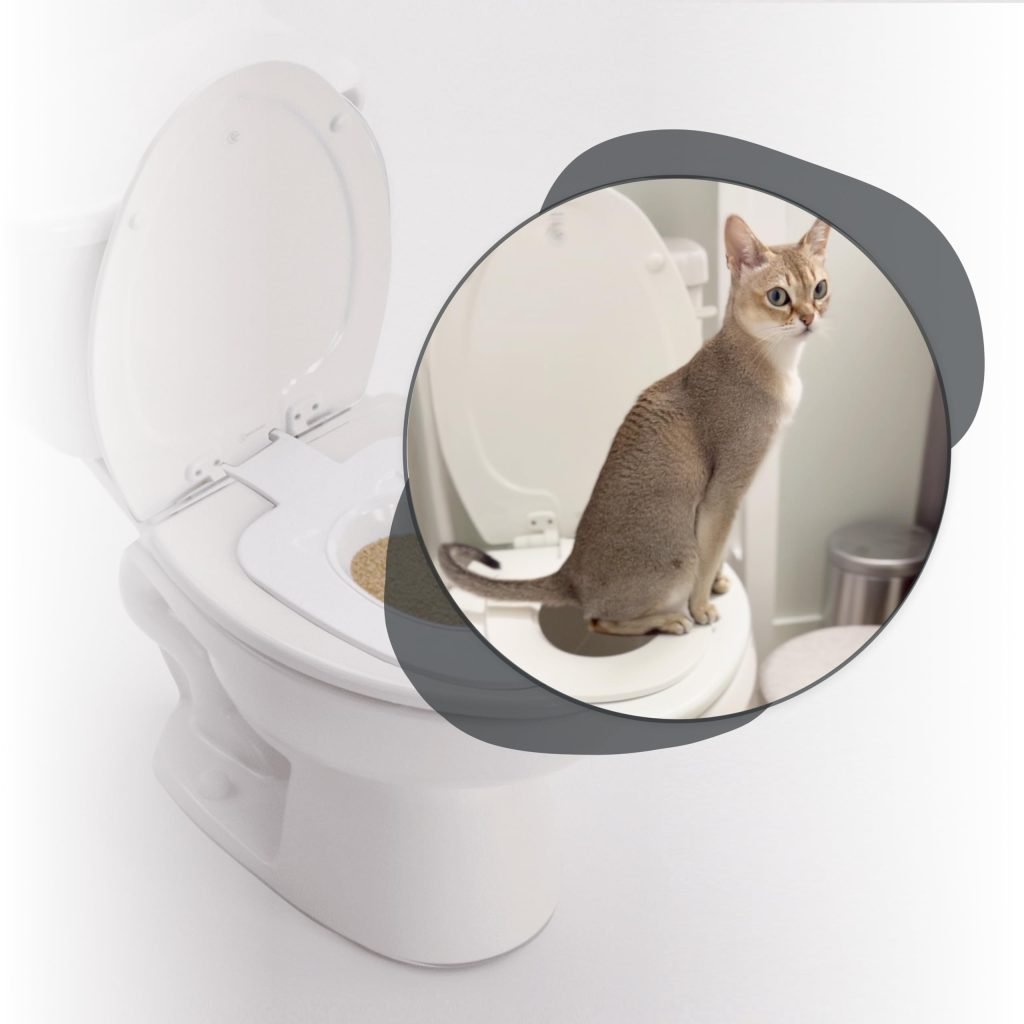
Imagine your cat using the toilet just like you do. No more litter boxes to clean or unpleasant odors in your home.
Sounds amazing, right? If you’ve ever thought about toilet training your cat, you’re not alone. Many pet owners dream of this convenient and hygienic solution. But how do you actually make it happen? You’ll discover simple, step-by-step tips to help your cat ditch the litter box for good.
Keep reading, because what you learn here could change your daily routine—and your cat’s life—forever.
Benefits Of Toilet Training
Toilet training a cat offers several clear benefits. It makes life easier for both you and your pet. Understanding these benefits helps you decide if toilet training suits your home and lifestyle.
Hygiene Improvements
Toilet training reduces litter box odor in your home. It keeps your living space cleaner and fresher. There is no need to handle dirty litter daily. This helps limit the spread of germs and bacteria. It also cuts down on messes from spilled litter or accidents. Your cat’s bathroom area stays neat and tidy.
Cost Savings
Training your cat to use the toilet saves money on litter. Litter costs add up over time and can be expensive. Without litter, you spend less on cleaning supplies too. Fewer trips to the store mean more money saved. Over time, these savings become noticeable and helpful.
Environmental Impact
Using the toilet reduces waste from cat litter. Litter often ends up in landfills and harms the environment. Toilet training cuts down on litter use, lowering waste output. It also saves water compared to cleaning a litter box daily. This small change helps reduce your household’s ecological footprint.
Assessing Your Cat’s Readiness
Toilet training a cat requires patience and careful observation. Not every cat is ready for this change. Assessing your cat’s readiness helps ensure a smooth process. It saves frustration for both you and your pet. Certain signs show your cat may be ready to move from the litter box to the toilet.
Age And Behavior Signs
Kittens younger than four months usually lack control for toilet training. Cats around six months or older show better control. Watch your cat’s bathroom habits. Does your cat use the litter box consistently? Does it avoid accidents outside the box? These are good behavior signs. A cat that can hold its bladder and bowel is better prepared for training.
Health Considerations
Health plays a big role in readiness. Cats with urinary or digestive problems should not start toilet training. Stress or illness can cause accidents. A healthy cat feels comfortable and confident using the bathroom. Visit a vet to check your cat’s health before starting. This step helps avoid setbacks during training.
Personality Traits
Each cat has a unique personality. Some cats adapt quickly to changes. Others resist new routines or environments. A curious and calm cat usually learns toilet training faster. Shy or anxious cats may struggle. Patience is key. Observe how your cat reacts to new things. Positive reinforcement works best for willing cats.
Essential Supplies
Toilet training a cat requires some important supplies to make the process smooth. These items help your cat adjust comfortably and safely. Preparing the right tools saves time and avoids frustration for both you and your pet.
Training Kits
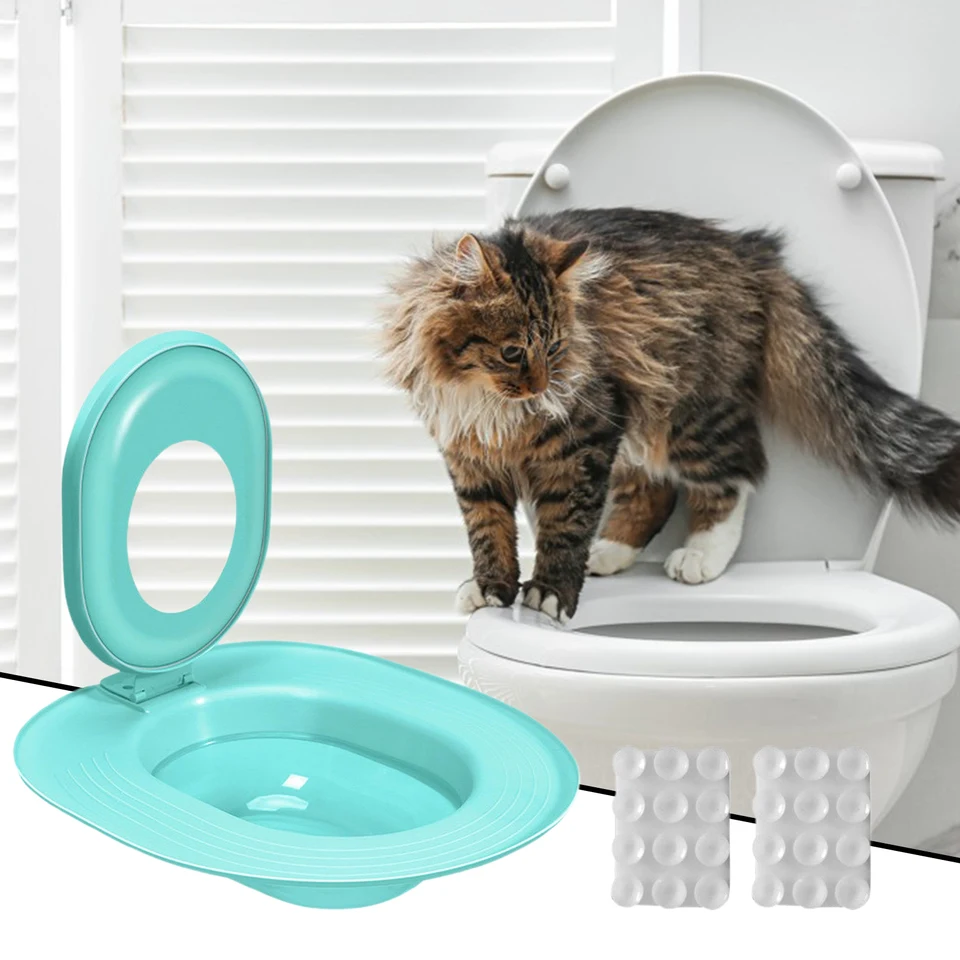
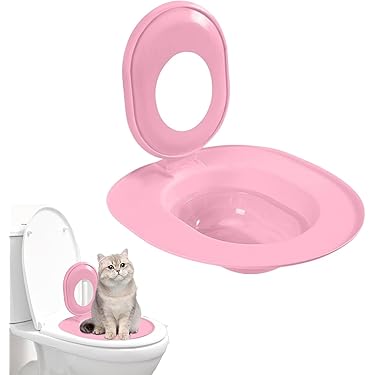
Training kits are designed specifically for teaching cats to use the toilet. They usually include a special seat that fits over the toilet bowl. Some kits come with removable trays that hold litter, which you remove gradually. This helps cats transition from a litter box to the toilet seat. Using a kit ensures a cleaner and more structured training process.
Litter Alternatives
Choosing the right litter or its alternative is important during training. Some cats prefer fine-grain litter that feels soft on their paws. Others may do well with flushable pellets or paper-based litter. Using safe and unscented materials helps avoid stress. Changing litter type slowly helps your cat adapt without confusion.
Safety Items
Safety is key in toilet training. Place a stable step or platform for your cat to reach the toilet easily. Avoid slippery surfaces that can cause falls. Keep the toilet lid open and the seat down. Monitor your cat during training to prevent accidents. These safety items protect your cat and build confidence during learning.
Step-by-step Training Process
Training your cat to use the toilet can seem daunting, but breaking it down into clear, manageable steps makes the process smoother. Each stage builds on the last, helping your cat adjust gradually without stress. Patience and consistency are your best tools here.
Relocating The Litter Box
Start by moving the litter box closer to the bathroom over several days. Shift it a few inches each day until it sits right next to the toilet. This helps your cat get used to the new location without feeling rushed.
Watch how your cat reacts. Are they comfortable or hesitant? Adjust the pace based on their behavior. The goal is to make the bathroom a familiar and safe spot for them.
Introducing The Training Seat
Once the litter box is next to the toilet, replace it with a specially designed cat training seat that fits over the toilet bowl. This seat holds litter and mimics the litter box experience.
Encourage your cat to use this seat by adding their usual litter and treats nearby. You might need to help them get on the seat a few times, but most cats catch on quickly when motivated.
Reducing Litter Gradually
Slowly decrease the amount of litter in the training seat over several days. This teaches your cat to balance on the seat without relying on the litter. Reduce the litter by small amounts to avoid discouraging them.
Some cats may hesitate at this stage. Try sitting with them or offering praise to build confidence. Remember, your calm presence can make a huge difference.
Encouraging Toilet Use
After your cat is comfortable on the training seat with little to no litter, start removing the seat altogether. Initially, you can use a seat with a small hole that grows bigger over time.
Reward your cat whenever they successfully use the toilet. Positive reinforcement, like treats or affection, helps them associate the toilet with good things. Have you noticed how cats respond best to gentle encouragement rather than pressure?
Troubleshooting Common Issues
Troubleshooting common issues during cat toilet training helps keep progress steady. Cats may struggle with new habits. Patience and observation guide solutions. Identifying problems early reduces stress for both cat and owner.
Accidents Outside The Toilet
Accidents happen as cats adjust to toilet use. Check the toilet seat for stability. A shaky seat can scare your cat. Clean the surrounding area thoroughly. Cats dislike returning to dirty spots. Offer positive reinforcement near the toilet. Try using a litter box nearby during transition. This gives a safe fallback option.
Fear Or Resistance
Some cats resist using the toilet at first. Loud flushing sounds may frighten them. Flush only when your cat is away. Introduce the toilet gradually with an open seat. Allow your cat to explore the bathroom freely. Avoid forcing your cat onto the toilet. Use gentle encouragement and treats to build confidence.
Regression Problems
Cats sometimes revert to old habits. Stress and changes in routine often cause this. Keep the bathroom environment calm and consistent. Maintain a regular feeding and play schedule. Revisit earlier training steps if needed. Watch for health issues that affect behavior. Consult a vet if accidents persist beyond training issues.

Credit: www.walmart.com
Maintaining The Habit Long-term
Keeping your cat using the toilet consistently takes effort beyond just training. Habits can slip if the environment changes or if hygiene isn’t maintained. Your role is to support your cat so the behavior stays natural and stress-free over time.
Cleaning And Hygiene Tips
Keep the toilet area clean but avoid harsh chemicals that can deter your cat. Use pet-safe, mild cleaners to wipe the seat and surrounding surfaces regularly.
Consider flushing only after your cat has left the bathroom to avoid startling them. A smelly or dirty toilet can make your cat hesitant to use it again.
Have extra toilet paper or wipes ready to quickly clean any accidents. This shows your cat the area is always welcoming and safe to use.
Reinforcement Techniques
Reward your cat occasionally with treats or affection after successful toilet use. This doesn’t have to be every time but helps remind them that the behavior is positive.
Watch for signs of hesitation or avoidance and respond with gentle encouragement. Sometimes a soft voice or a calming touch can reinforce comfort.
Keep a consistent bathroom routine. Cats thrive on predictability, so try to maintain the same times and conditions for toilet access.
Adapting To Changes
Life changes like moving homes or adding new pets can disrupt your cat’s toilet habit. Be patient and ready to offer extra support during these times.
If your cat regresses, don’t punish them. Instead, revisit earlier training steps or provide a temporary litter box to ease the transition.
Ask yourself how your cat’s environment has changed recently. Could a new noise, person, or scent be affecting their comfort? Adjust accordingly to keep the habit strong.
Alternatives To Toilet Training
Toilet training a cat can be tough for many pet owners. Some cats never adjust well to the toilet. Luckily, there are other ways to manage your cat’s bathroom needs. These alternatives often suit cats and their humans better. They offer comfort and cleanliness without the stress of toilet training.
Improving Litter Box Setup
Make the litter box inviting and easy to use. Place it in a quiet, low-traffic area. Use a litter your cat likes and change it often. Clean the box daily to avoid odors. Try different box sizes and shapes. Some cats prefer covered boxes, others do not. Adding a litter mat helps keep floors clean.
Using Training Pads
Training pads are useful for cats who avoid litter boxes. They absorb urine and control smells well. Place pads in spots your cat likes to go. Change pads regularly to keep the area fresh. Pads are good for older or sick cats. They help keep your home clean and dry.
Professional Assistance
Seek help from a vet or animal behaviorist if problems persist. Professionals can spot health issues causing litter problems. They offer advice tailored to your cat’s needs. Training classes or consultations improve your cat’s habits. Getting expert help saves time and frustration.
Credit: www.aliexpress.com
Credit: www.amazon.com
Frequently Asked Questions
How Long Does Cat Toilet Training Usually Take?
Cat toilet training typically takes 4 to 8 weeks. The exact time varies based on the cat’s age and personality. Consistency and patience are key for successful training. Gradually transitioning from litter to toilet helps cats adapt smoothly to the new routine.
What Are Common Mistakes In Cat Toilet Training?
Common mistakes include rushing the process and using harsh methods. Not rewarding progress or ignoring signs of stress can hinder training. Skipping gradual steps often causes confusion. Patience and positive reinforcement are essential for effective training outcomes.
Can All Cats Be Toilet Trained Successfully?
Most cats can learn toilet training with patience and proper guidance. However, some cats may resist due to fear or health issues. Older cats or those with mobility problems might struggle. Assess your cat’s temperament before starting to ensure a smooth training process.
Is Toilet Training Safe For Cats?
Yes, toilet training is generally safe if done correctly. Avoid forcing the cat or rushing the transition. Ensure the toilet seat is stable and accessible. Monitor your cat’s comfort and health throughout to prevent stress or accidents.
Conclusion
Training a cat to use the toilet takes time and patience. Small steps help your cat learn better. Stay calm and consistent throughout the process. Celebrate each success, no matter how small. Remember, not all cats adapt the same way.
If your cat struggles, try different methods or slow down. Toilet training can save litter costs and reduce mess. Most importantly, keep your cat comfortable and safe. With care, your cat can learn this new habit. Trust the process and enjoy the progress.
