

Have you ever wished your cat could use the toilet like a human? Imagine never having to scoop the litter box again or worry about unpleasant smells in your home.
Toilet training your cat might sound tricky, but with the right approach, you can teach your furry friend this impressive skill. You’ll discover simple steps and helpful tips to make toilet training your cat easier than you think. Ready to transform your daily routine and impress your guests?
Keep reading to find out how!
Credit: www.amazon.com
Benefits Of Toilet Training Cats
Toilet training your cat offers several benefits that go beyond just convenience. It can improve the cleanliness of your home, save you money, and even reduce your environmental footprint. Understanding these benefits might make you consider giving this training a try.
Hygiene Improvements
Training your cat to use the toilet greatly reduces the mess associated with traditional litter boxes. No more scattered litter or unpleasant odors in your living space. This also means fewer bacteria and allergens lingering around, making your home healthier for everyone.
Have you noticed how your cat sometimes kicks litter everywhere? With toilet training, you eliminate that problem completely. It also reduces the need for frequent cleaning, giving you more free time.
Cost Savings
Using a toilet instead of a litter box can save you a surprising amount of money over time. Litter costs add up quickly, especially if you have multiple cats. By skipping litter altogether, you cut down on this recurring expense.
Think about how much you spend on litter every month. Those small amounts add up to a significant yearly saving. Plus, you won’t need to replace litter boxes or buy deodorizing products anymore.
Environmental Impact
Traditional cat litter contributes to landfill waste and often contains materials that aren’t eco-friendly. Toilet training your cat reduces this waste considerably. You’re also cutting down on the production and transport impact of litter products.
Are you concerned about your ecological footprint? Toilet training can be a simple way to make your pet care more sustainable. Every little step helps when it comes to protecting the planet.
Choosing The Right Cat For Training
Choosing the right cat for toilet training can make the entire process smoother and more successful. Not every cat will respond the same way, so understanding key factors like age, temperament, and health is essential. You want to pick a cat that will adapt well and stay comfortable throughout the training journey.
Age Considerations
Younger cats and kittens tend to learn new habits faster. Their brains are more flexible, making toilet training easier to introduce and maintain. However, very young kittens might struggle with coordination or patience, so consider starting when they are a bit older—around 3 to 6 months.
Older cats can learn too, but they might resist change more. If your cat is mature, be prepared for a slower pace and extra patience. Ask yourself: how adaptable is your cat to new routines?
Temperament Traits
A calm and curious cat usually adapts better to toilet training than a nervous or highly active one. Cats that get stressed easily may find the change overwhelming, which could lead to accidents or setbacks.
Look for these traits in your cat:
- Willingness to explore new things
- Patience during training sessions
- Comfort with changes in their environment
Think about your cat’s personality. Is your cat easygoing or does it prefer sticking to familiar habits? This insight helps you decide if training is the right choice or if another litter system might work better.
Health Factors
Your cat’s health plays a big role in how well toilet training will go. Cats with urinary tract issues, arthritis, or mobility problems may find using a toilet uncomfortable or painful.
Before starting, ensure your cat is in good health by consulting a vet. Regular checkups can reveal hidden problems that might interfere with training. Healthy cats are more likely to succeed and feel confident during this transition.
Essential Supplies And Setup
Toilet training a cat requires the right supplies and a proper setup. These essentials help your cat learn quickly and comfortably. Prepare your space and tools before starting. This approach reduces stress for both you and your pet.
Toilet Training Kits
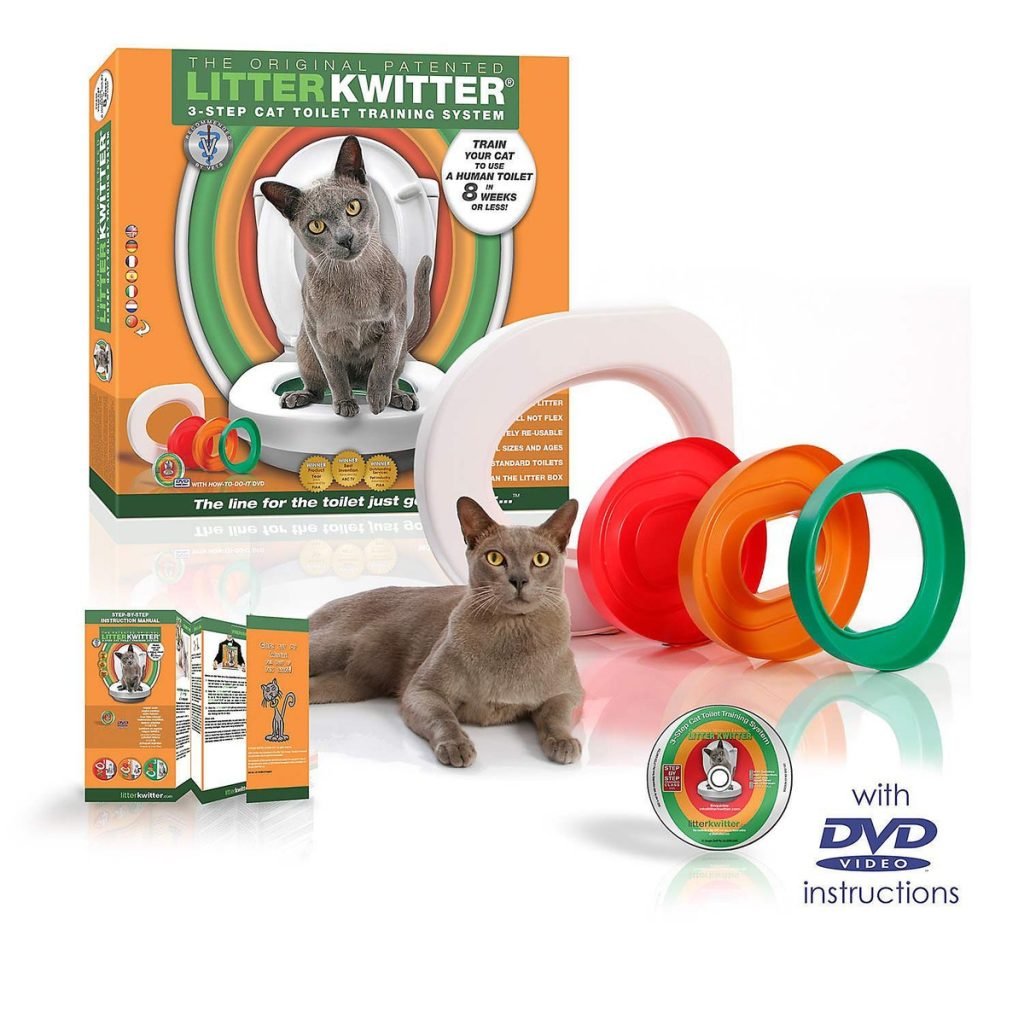
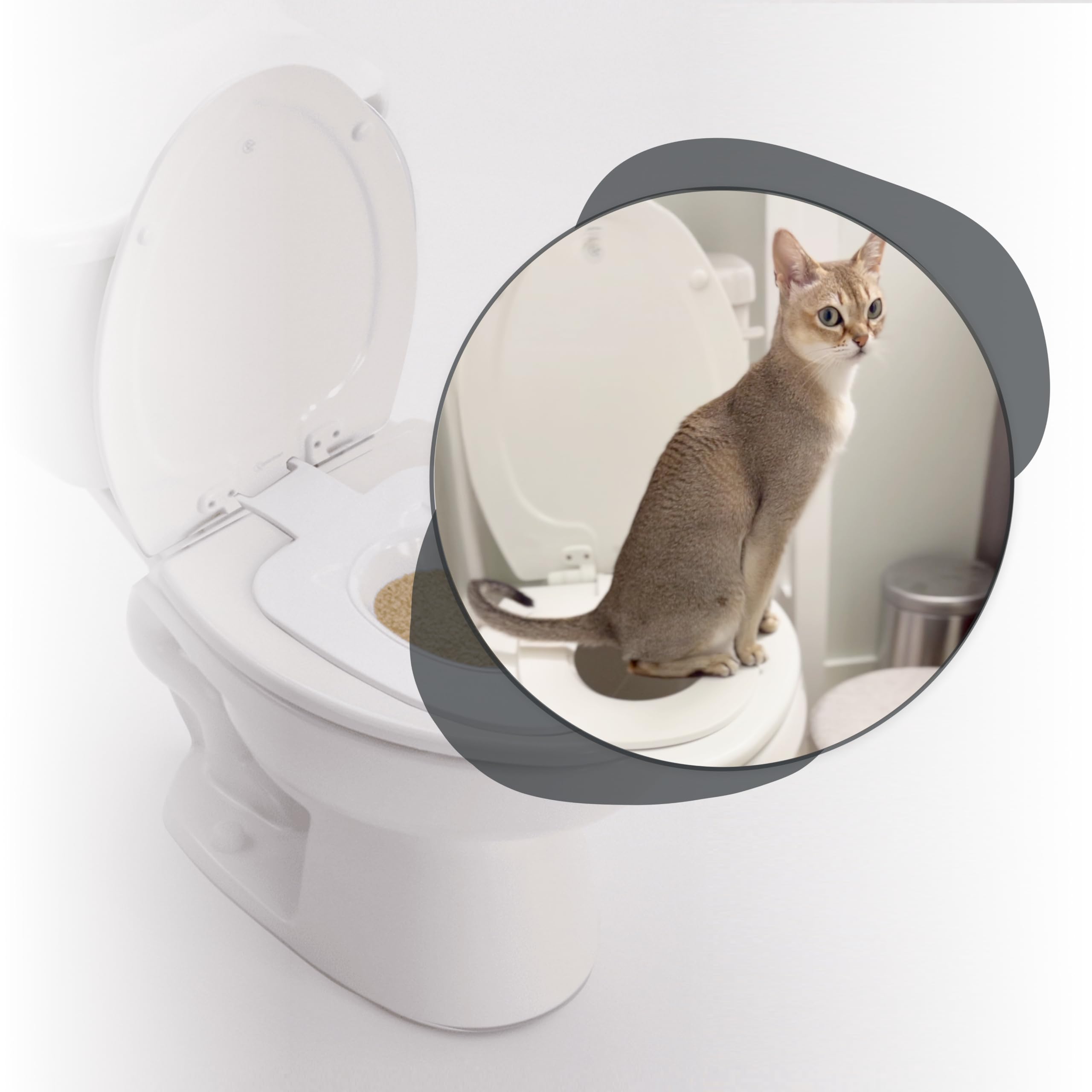
Toilet training kits simplify the process. They include special trays that fit over the toilet bowl. These trays gradually reduce litter space. This guides your cat to use the toilet instead of the litter box. Kits usually come with detailed instructions. Choose a kit designed for cats of all sizes.
Litter Box Transition
Start by moving your cat’s litter box closer to the bathroom. This familiarizes your cat with the new location. Slowly raise the litter box height over days. Use sturdy objects like books or boxes. The goal is to match the toilet seat height. Once elevated, replace the box with a training tray. This helps your cat adjust to the toilet environment step by step.
Safe Bathroom Environment
Create a calm and safe bathroom space. Keep the toilet lid up and seat down. Remove cleaning chemicals and harmful items. Ensure good lighting and ventilation. Place a non-slip mat near the toilet. This prevents accidents and gives your cat confidence. Keep the bathroom quiet during training times. Cats feel more secure in calm surroundings.

Credit: www.walmart.com
Step-by-step Training Process
Training your cat to use the toilet is a process that demands patience and careful steps. It’s not about rushing but gently guiding your cat through each phase. Here’s how you can make this journey smoother for both you and your feline friend.
Litter Box Placement
Start by placing the litter box next to the toilet. This helps your cat get used to the new location without feeling overwhelmed. Keep this setup for a few days until your cat comfortably uses the litter box there.
Ask yourself: Is your cat showing signs of stress or hesitation? If yes, give more time before moving forward. Comfort is key at this stage.
Gradual Elevation Techniques
Once your cat is confident with the litter box near the toilet, raise it a few inches each day. Use stable platforms like books or boxes to avoid wobbling. This step helps your cat adjust to the height of the toilet gradually.
Notice how your cat reacts to each elevation. Are they jumping up easily or avoiding the box? Adjust the pace accordingly to keep their confidence high.
Introducing The Toilet Seat
Remove the litter box and replace it with a training seat or a shallow container that fits inside the toilet bowl. Start with a small amount of flushable litter inside. This familiar scent encourages your cat to use the new setup.
Watch if your cat is willing to balance on the toilet seat. Balance and comfort here are essential before moving on.
Using Training Aids
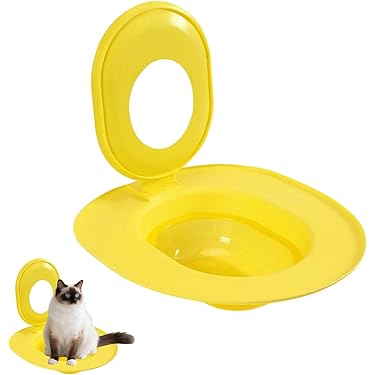
Training aids like special toilet trainers with adjustable holes can make the transition easier. These tools allow you to reduce the litter gradually while your cat learns to balance on the seat. Many owners find these aids save time and reduce accidents.
Have you considered how your cat’s personality might affect their training? Some cats adapt quickly, while others need more encouragement. Tailor your approach to your cat’s unique needs.
Common Challenges And Fixes
Toilet training your cat can be rewarding but often comes with a few bumps along the way. Understanding common challenges helps you stay patient and adjust your approach effectively. Let’s look at some typical issues and how you can solve them.
Fear And Anxiety
Many cats feel scared or uneasy about using the toilet at first. The unfamiliar sound of flushing or the new location can trigger anxiety. To ease this, try introducing the toilet gradually—start by placing the litter box near the toilet and slowly moving it closer over days.
Let your cat explore without pressure. You can also use treats and praise to create positive associations. Have you noticed your cat freezing or avoiding the bathroom? That might be a sign to slow down and give them more time.
Accidents And Setbacks
Accidents happen, and they can be frustrating. Your cat might fall back to the litter box or go elsewhere if they feel unsure. Keep a consistent cleaning routine to remove odors and avoid confusing your cat.
If setbacks occur, check the toilet seat’s stability. Cats dislike wobbling surfaces. Using a non-slip mat or securing the seat can help. Remember, setbacks don’t mean failure—they’re part of the learning process.
Reluctance To Use Toilet
Sometimes cats simply refuse to use the toilet despite your efforts. They might prefer the texture of the litter or dislike the height. You can try adding flushable litter to the toilet training seat to mimic their usual environment.
Also, consider if the bathroom is a quiet, accessible space. Loud noises or frequent disturbances can deter your cat. Have you checked if your cat has any physical discomfort that might make jumping on the toilet painful? Small adjustments can make a big difference.
Credit: www.amazon.com
Maintaining The Routine
Maintaining the toilet training routine for your cat is essential to keep the progress steady and stress-free. Consistency helps your cat feel secure and understand what’s expected. Small adjustments and care can make a big difference in preventing setbacks.
Cleaning Tips
Keep the toilet seat and surrounding area clean to encourage your cat to use it regularly. Use pet-safe cleaners that don’t leave strong chemical smells, as cats are sensitive to odors. Wipe down the seat daily and flush after each use to maintain hygiene.
If accidents happen, clean the spots thoroughly to remove any scent that might attract your cat back to the wrong place. Have a special cleaner ready for these moments—something enzymatic works well to neutralize odors.
Positive Reinforcement
Celebrate your cat’s successes with gentle praise or a small treat immediately after they use the toilet. This helps them connect the behavior with positive outcomes. Avoid scolding if they slip up; instead, redirect their behavior calmly.
Try to observe your cat’s mood and behavior. If they seem hesitant or confused, give extra encouragement and patience. Have you noticed your cat responds better to verbal praise or treats? Use what motivates them most.
Adjusting For Multiple Cats
When you have more than one cat, each may learn and adapt differently to toilet training. Some cats might feel intimidated or avoid the toilet if another cat dominates the space. Consider setting up separate toilets or training stations to prevent conflict.
Observe how your cats interact around the toilet area. If one cat is reluctant, try training them individually before introducing the shared routine. Have you tried rotating access times to the toilet? This can reduce stress and competition.
When To Seek Professional Help
Knowing when to seek professional help during toilet training your cat can save you time and stress. Sometimes, challenges go beyond simple training hiccups and require expert advice. Paying attention to your cat’s behavior and health will guide you in deciding if it’s time to consult a professional.
Behavioral Issues
If your cat suddenly stops using the toilet despite previous success, it could signal deeper behavioral problems. Signs like excessive scratching, marking territory outside the toilet, or anxiety around the bathroom suggest more than just training resistance.
You might notice your cat hiding or showing aggression when approached near the toilet area. These behaviors often stem from stress or fear and are best addressed by a veterinarian or animal behaviorist. Have you observed any sudden changes in your cat’s mood during training?
Health Concerns
Ignoring health issues can make toilet training impossible. Urinary tract infections, kidney problems, or constipation can cause discomfort and lead your cat to avoid the toilet altogether.
If your cat strains, cries, or frequently visits the bathroom without success, it’s crucial to get a vet checkup immediately. Catching these problems early not only helps your cat feel better but also improves the chances of successful training.
Alternative Training Methods
When traditional toilet training stalls, you might need to explore other options. Some cats simply don’t adapt well to toilet use and prefer a litter box or other solutions.
Professional trainers can recommend alternatives like indoor grass patches, specialized litter boxes, or gradual transition techniques. Would you consider switching methods if it meant less stress for your cat and yourself?
Frequently Asked Questions
How Do I Start Toilet Training My Cat?
Begin by gradually moving your cat’s litter box closer to the toilet. Use a training seat designed for cats. Reward your cat with treats for progress. Patience and consistency are key for success.
How Long Does Toilet Training A Cat Take?
Toilet training a cat usually takes 4 to 8 weeks. It depends on the cat’s age and temperament. Consistent training sessions help speed up the process. Avoid rushing to prevent accidents.
What Are Common Challenges In Toilet Training Cats?
Common challenges include fear of the toilet, resistance to change, and accidents. Cats may prefer their litter box scent. Gradual transition and positive reinforcement help overcome these issues.
Is Toilet Training Safe For Cats?
Yes, toilet training is generally safe if done gradually. Never force your cat abruptly. Ensure the toilet seat is stable and accessible to prevent injuries.
Conclusion
Training your cat to use the toilet takes time and patience. Small steps help your cat learn better. Keep calm and praise your cat often. Watch your cat’s progress closely every day. Not all cats will like this method. It’s okay to try other options too.
A clean toilet means less litter to change. This can save space and reduce mess. Remember, your cat’s comfort matters most. Enjoy a cleaner home and a happy pet.
