

If you love your cat, you know that every little detail matters—especially those adorable toe beans. But keeping your cat’s paws clean and healthy isn’t always easy.
You might wonder how to groom those tiny pads without stressing your furry friend. This guide to Toe Beans Cat Grooming will show you simple, effective ways to care for your cat’s paws. By the end, you’ll feel confident handling this delicate task and keeping your cat comfortable and happy.
Ready to discover the secrets to perfect toe bean care? Let’s dive in!

Credit: www.amazon.ca
Why Toe Beans Matter
Toe beans are small but very important parts of a cat’s paws. These soft, round pads protect their feet and help them move quietly. Taking care of toe beans keeps cats comfortable and healthy.
Understanding why toe beans matter helps in proper grooming and care. Healthy toe beans mean a happier cat that can run and play without pain.
Anatomy Of Toe Beans
Toe beans are the soft, cushioned pads at the end of each cat toe. They are made of thick skin and fat. This structure protects bones and joints inside the paws.
Each paw usually has five toe beans on the front feet and four on the back. The shape and size vary slightly by breed and age.
Role In Cat Mobility
Toe beans help cats walk silently. Their cushioning absorbs shock when cats jump or run. This makes movement smoother and quieter.
They also provide grip on different surfaces. This grip helps cats climb, pounce, and balance with ease.
Sensitivity And Touch
Toe beans contain many nerve endings. These nerves allow cats to sense textures and temperatures. This sensitivity helps cats explore their surroundings safely.
Touch through toe beans also aids in hunting and playing. It helps cats detect vibrations and small movements near their paws.
Credit: m.yelp.ca
Common Toe Bean Issues
Toe beans are those adorable little pads on your cat’s paws that not only look cute but play a vital role in their mobility and comfort. However, these tiny pads can face several issues that affect your feline friend’s overall health. Knowing what problems to look out for can help you keep your cat comfortable and active.
Infections And Irritations
Toe beans are prone to infections if dirt or bacteria get trapped in the pads or between the toes. You might notice redness, swelling, or your cat licking their paws excessively. Sometimes, a small cut or scrape can introduce germs, leading to painful infections.
Have you ever seen your cat suddenly limping or avoiding putting weight on a paw? This might be a sign of irritation or infection. Check their paws regularly and clean them gently with a damp cloth to prevent buildup of harmful substances.
Nail Problems
Overgrown or broken nails can cause discomfort and even damage the toe beans. If your cat’s nails curl into the pads, it can create painful sores and increase the risk of infection. Regular trimming keeps nails at a healthy length and prevents these issues.
Sometimes, nails may grow unevenly or become brittle. Watch for signs like your cat scratching more than usual or showing sensitivity when you touch their paws. Using the right nail trimmers and rewarding your cat during grooming can make this task easier for both of you.
Dryness And Cracking
Just like human skin, toe beans can become dry and cracked, especially during colder months or in dry environments. Cracked pads may bleed or become painful, making it uncomfortable for your cat to walk or jump.
You can soothe dry toe beans with pet-safe balms or moisturizers designed specifically for cats. Avoid using human lotions, as some ingredients can be toxic. Noticing dryness early allows you to act before it turns into a bigger problem.
Daily Grooming Essentials
Daily grooming keeps your cat’s toe beans healthy and clean. These soft pads need gentle care every day. Regular attention stops dirt buildup and prevents infections. Simple grooming steps help maintain comfort and hygiene. Here are key essentials for daily toe bean care.
Cleaning Techniques
Use a soft, damp cloth to wipe the pads gently. Avoid harsh soaps that can irritate sensitive skin. Clean between the toes carefully to remove dirt and debris. Warm water works best for loosening dried grime. Pat dry with a soft towel to prevent moisture buildup.
Nail Trimming Tips
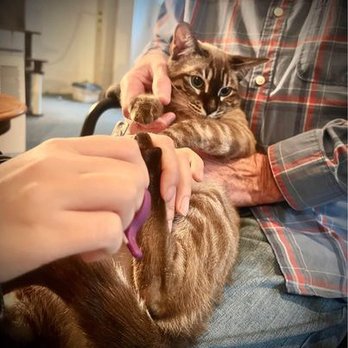
Trim nails regularly to avoid scratches and discomfort. Use a small, sharp nail clipper made for cats. Hold the paw firmly but gently to reduce stress. Cut only the clear tip of the nail, avoiding the pink quick. Reward your cat after trimming for positive association.
Moisturizing The Pads
Apply a pet-safe moisturizer to keep pads soft and flexible. Avoid human lotions, which may be harmful if licked. Use natural oils like coconut oil sparingly for dry or cracked pads. Massage gently to help absorption and improve blood flow. Moisturized pads protect against rough surfaces and injuries.

Credit: www.toe-beans.com
Choosing The Right Tools
Choosing the right tools for grooming your cat is key to making the experience stress-free and effective. The tools you pick not only affect your cat’s comfort but also how well you can maintain their coat and nails. Understanding which brushes, clippers, and skin products work best will help keep your feline friend happy and healthy.
Best Brushes And Combs
Different cats have different coat types, so the brush you use matters a lot. For short-haired cats, a rubber brush or a bristle brush gently removes loose hair and dirt without irritating their skin.
Long-haired cats benefit from a slicker brush or a wide-toothed comb that can detangle knots without pulling harshly. I once switched to a fine-toothed comb for my long-haired cat, and it made grooming sessions much smoother and less stressful for both of us.
Look for brushes with comfortable handles and rounded bristles to avoid scratching your cat’s skin. Regular brushing with the right tool can cut down shedding and hairballs significantly.
Safe Nail Clippers
Clipping your cat’s nails can be intimidating, but the right clippers make it easier and safer. Avoid scissors or human nail clippers; instead, use clippers designed specifically for cats.
Guillotine-style clippers or scissor-style clippers with a safety guard help prevent cutting too deep and causing pain. I’ve found that using a quiet, sharp clipper calms my cat and keeps nail trims quick.
Try clipping nails after a nap when your cat is relaxed. If you’re unsure about technique, watch a tutorial or ask your vet to demonstrate.
Moisturizing Products
Some cats have dry or sensitive skin that benefits from moisturizing products. Look for pet-safe lotions or sprays that hydrate without harsh chemicals or fragrances.
Applying a gentle moisturizer after grooming can soothe itchy skin and prevent flakiness. I noticed my cat’s coat became shinier and softer after adding a few drops of a natural oil recommended by my vet.
Always test a small area first to check for any allergic reactions. Moisturizing can be a simple step that improves your cat’s overall grooming health.
Signs Of Trouble To Watch For
Knowing the signs of trouble in your cat’s toe beans can save you from bigger health issues. These tiny pads aren’t just cute—they’re sensitive and can show early warnings if something’s wrong. Paying attention to subtle changes helps you act quickly and keep your feline friend comfortable.
Redness And Swelling
Redness around the toe beans often means irritation or infection. Swelling can signal an injury, such as a cut or a sting from a bug. If you notice these signs, gently check for wounds or foreign objects like splinters.
Don’t ignore persistent redness or swelling. It might need a vet’s attention, especially if your cat keeps licking or biting the area. Have you ever spotted your cat’s paws looking inflamed and wondered if it was serious? This is exactly when to be cautious.
Limping And Discomfort
Limping is a clear sign that your cat’s paw is hurting. It might avoid putting weight on the affected foot or walk unevenly. Watch how your cat moves—any sudden changes in gait can indicate pain in the toe beans.
Sometimes, discomfort is subtle, like slight reluctance to jump or play. These behavioral hints suggest your cat is masking pain, a common feline trait. How often do you check your cat’s walk for signs of hidden injuries?
Behavioral Changes
Your cat’s mood can tell you a lot about its paw health. If your cat becomes unusually withdrawn, irritable, or stops grooming, it might be due to paw discomfort. Cats often hide pain, so changes in behavior can be your first alert.
Pay attention if your cat suddenly avoids being touched on the paws or hisses when you try to groom. These reactions often mean something is wrong with their toe beans. Are you tuned in enough to notice these subtle shifts in your cat’s normal behavior?
Preventing Toe Bean Problems
Keeping your cat’s toe beans healthy prevents pain and infections. These soft pads need care to avoid cracks, cuts, or irritation. Small problems can turn into bigger issues if ignored. Regular care supports your cat’s comfort and mobility.
Regular Inspections
Check your cat’s toe beans often. Look for cuts, swelling, or redness. Notice if your cat licks paws more than usual. Early detection stops infections from growing. Use a gentle touch during checks to avoid stress. Clean paws with a soft cloth if dirty.
Safe Play Environments
Create a safe space for your cat to play. Remove sharp objects that can hurt paws. Avoid rough surfaces that may cause scratches. Soft bedding and clean floors protect delicate toe beans. Monitor outdoor time to prevent injuries and infections. Safe areas help your cat stay active without harm.
Balanced Diet For Paw Health
Feed your cat a balanced diet rich in nutrients. Vitamins and minerals support skin and pad health. Omega-3 fatty acids help reduce inflammation and dryness. Hydration also keeps toe beans soft and flexible. Healthy food strengthens your cat’s natural defense. Good nutrition is key to strong, healthy paws.
When To See A Vet
Knowing when to see a vet for your cat’s toe beans is vital. These soft pads need care, but some problems need expert help. Watch for signs that suggest a visit to the vet. Early attention can prevent pain and serious issues. Learn the key moments to seek professional advice.
Persistent Infections
Infections that do not heal in a few days need vet attention. Signs include redness, swelling, and discharge. Your cat may lick or bite the paw often. Persistent infections can cause pain and spread quickly. A vet can prescribe the right treatment to clear infection fast.
Severe Injuries
Severe cuts or wounds on the toe beans require a vet visit. Deep injuries may bleed heavily or expose tissue. Limping or avoiding walking shows serious pain. These injuries can get infected or cause long-term damage. Prompt professional care ensures proper healing and comfort.
Chronic Paw Conditions
Long-lasting paw problems need veterinary care. Conditions like constant swelling or thickened pads affect walking. Chronic issues may cause discomfort or worsen over time. A vet can diagnose underlying causes and suggest treatment. Regular check-ups help keep your cat’s paws healthy and strong.
Fun Ways To Pamper Your Cat’s Paws
Your cat’s paws are more than just tools for walking—they’re sensitive and deserving of special care. Pampering those tiny toe beans can strengthen your bond and keep your feline friend relaxed and happy. Let’s look at some fun ways you can show your cat’s paws some love.
Gentle Massage Techniques
Start by softly stroking your cat’s paws with your fingertips. Use circular motions around the pads and between the toes to help your cat relax and enjoy the sensation.
Be attentive to your cat’s reactions. If they pull away, try a lighter touch or a different angle. You can even combine massage with quiet talking to soothe your cat further.
Paw-friendly Toys
Choose toys that encourage gentle paw use, like soft feather wands or small balls that your cat can bat around. These toys stimulate natural hunting instincts without stressing the paws.
Try interactive options such as puzzle feeders that require paw manipulation. This keeps your cat’s paws active and sharp in a playful, stress-free way.
Positive Reinforcement
Reward your cat with treats or affection when they allow paw handling or engage with paw-friendly activities. This builds trust and makes paw care a positive experience.
Use a calm voice and gentle praise to encourage your cat during grooming or playtime. Have you noticed how a simple “good job” can make your cat more willing to cooperate?
Frequently Asked Questions
What Are Cat Toe Beans?
Cat toe beans are the soft, padded undersides of a cat’s paw. They are called “beans” because of their shape. These pads help cats walk quietly, provide traction, and absorb shock. Regular grooming keeps them clean and healthy, reducing the risk of infections and irritation.
How To Clean Cat Toe Beans?
To clean cat toe beans, gently wipe them with a damp cloth. Check for dirt or debris regularly. Use pet-friendly wipes for stubborn stains. Ensure your cat is calm to avoid stress. Regular cleaning prevents infections and keeps the paws healthy.
Why Do Cats Need Toe Bean Care?
Cats need toe bean care to prevent infections and discomfort. Clean toe beans reduce the risk of dirt buildup. Grooming also helps detect injuries early. Regularly check for cuts or irritations. Proper care ensures your cat’s paws remain healthy and pain-free.
Can Toe Beans Get Injured?
Yes, toe beans can get injured from sharp objects or rough surfaces. Injuries may cause discomfort or infections. Regularly check your cat’s paws for cuts or irritation. Keeping the environment safe and clean reduces the risk of injury. Seek veterinary care if necessary.
Conclusion
Taking care of your cat’s toe beans helps keep them healthy and happy. Regular grooming prevents dirt and discomfort. It also strengthens the bond between you and your pet. Small steps like trimming nails and cleaning paws make a big difference.
Remember, gentle care makes your cat feel safe and loved. Keep toe beans clean, soft, and free from mats. Your cat will thank you with purrs and cuddles. Simple grooming routines create happier, healthier cats every day.
