

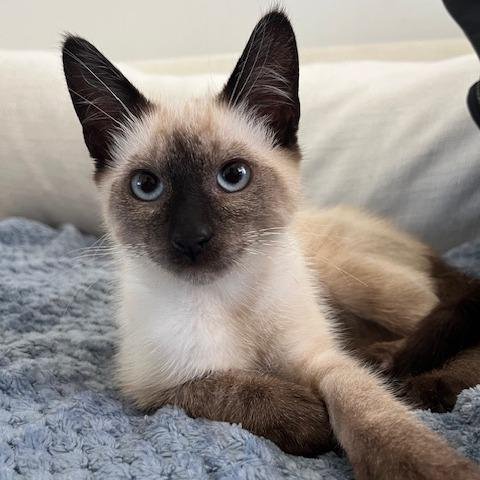
Are you thinking about adding a new furry friend to your life? Thai cat adoption might be the perfect choice for you.
These beautiful, affectionate cats are more than just pets—they become part of your family. Imagine the joy of welcoming a loving companion who’s not only unique but also full of personality. You’ll discover everything you need to know about adopting a Thai cat, from where to find them to how they can brighten your home.
Keep reading, because your future best friend could be just a few steps away.
Credit: www.petfinder.com
Why Choose A Thai Cat
Choosing a Thai cat means welcoming a unique companion into your home. These cats offer more than just beauty; they bring personality, health benefits, and a rich cultural background that deepens the bond between you and your pet. If you want a cat that stands out and fits seamlessly into your lifestyle, a Thai cat deserves your attention.
Unique Traits And Personality
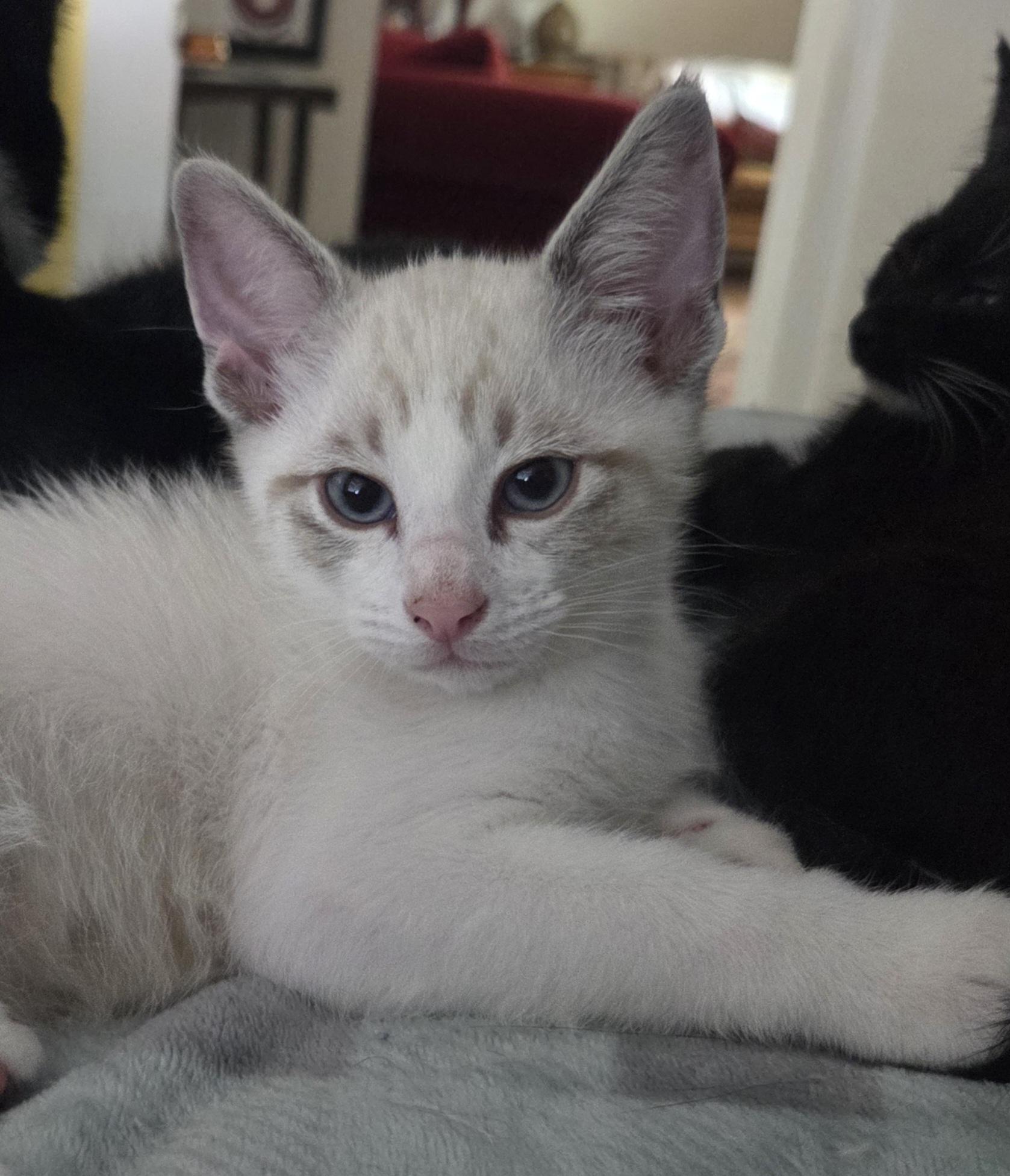
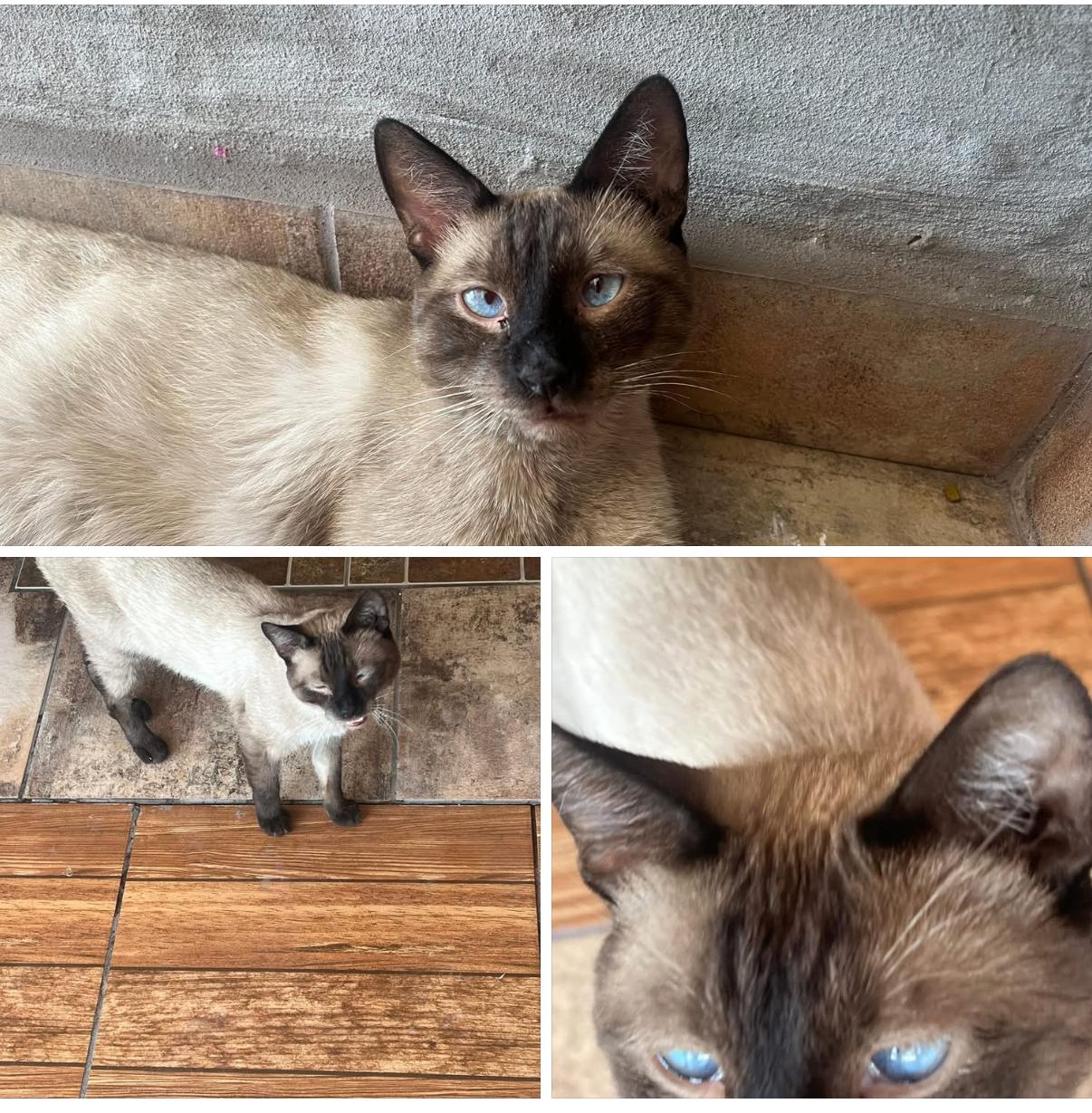
Thai cats are known for their striking almond-shaped eyes and sleek, muscular bodies. Their short, glossy coats come in a variety of colors, making each cat visually distinct.
Beyond looks, their personality shines. Thai cats are curious and playful but also deeply affectionate. They enjoy interactive play and will often follow you around the house, eager to be part of your daily routine.
Have you ever wished for a pet that feels almost like a little shadow, always there but never overwhelming? That’s a Thai cat for you.
Health And Longevity
Thai cats tend to have fewer genetic health problems compared to some other breeds. This means you can expect fewer vet visits and a more carefree time with your furry friend.
They are generally robust and can live well into their late teens with proper care. This long lifespan gives you more time to build memories and enjoy their company.
Wouldn’t it be reassuring to know your cat is less likely to face serious health issues over the years?
Cultural Significance
The Thai cat is not just a pet; it carries centuries of cultural heritage from its homeland. These cats are considered symbols of good luck and prosperity in Thailand.
Owning a Thai cat connects you to a rich history that celebrates grace, beauty, and loyalty. This cultural depth adds an extra layer of meaning to your relationship with your cat.
How does it feel to own a pet that’s part of a living tradition, bridging history and your everyday life?
Where To Find Thai Cats
Finding a Thai cat to adopt can be a rewarding journey. These cats have a unique look and loving nature. Knowing where to find them helps you meet the right pet. Here are some key places to check for Thai cats.
Reputable Breeders
Reputable breeders focus on the health and temperament of Thai cats. They provide detailed information about the cat’s background. Visiting breeders allows you to see the living conditions and meet the kittens. Ask about health checks and vaccination records. Choose breeders who are registered with cat associations. This ensures ethical breeding practices and well-cared-for cats.
Rescue Centers And Shelters
Rescue centers and shelters sometimes have Thai cats or similar breeds. These cats need new homes and can make loyal pets. Adoption here saves lives and supports animal welfare. Staff can help match you with a cat that fits your lifestyle. Many shelters offer adoption counseling and post-adoption support. Visit local shelters often or call to ask about Thai cats available.
Online Adoption Platforms
Online platforms list Thai cats available for adoption nationwide. These websites allow you to filter by breed, age, and location. Always verify the credibility of the platform and the seller. Look for reviews and ask for health records. Online adoption broadens your search and connects you with more cats. Use clear questions to learn about the cat’s personality and care needs.
Preparing For Your Thai Cat
Preparing for your Thai cat means creating a welcoming and safe home. These cats are curious and playful. They need the right environment to feel happy and secure. Taking time to prepare helps your new friend settle quickly and enjoy life with you.
Essential Supplies
Start with basic items your Thai cat will use every day. These supplies make care easier and keep your cat comfortable.
- Food and water bowls, preferably stainless steel or ceramic
- A cozy bed in a quiet spot
- Scratching posts or pads to protect furniture
- Litter box with clumping litter for easy cleaning
- Toys for mental and physical exercise
- Brush for grooming their short, sleek coat
Creating A Safe Space
Your Thai cat needs a calm and secure area to relax. Choose a quiet room or corner with limited noise. Remove small items that can be swallowed. Secure windows and balconies to prevent falls. Add soft bedding and a hiding spot for comfort. This space helps your cat feel safe during the transition.
Diet And Nutrition Basics
Thai cats need a balanced diet to stay healthy and active. Provide high-quality cat food with protein as the main ingredient. Avoid feeding too many treats or human food. Fresh water must always be available. Watch your cat’s weight and adjust portions as needed. Consult a vet for specific dietary advice.
Credit: www.petfinder.com
Adoption Process Steps
Adopting a Thai cat involves a clear and thoughtful process. Each step ensures the cat finds a safe and loving home. Understanding these steps helps prepare for a smooth adoption journey.
Meeting The Cat
Meeting the cat allows you to see its personality. Spend time to observe how it behaves. Notice if the cat is shy or playful. This meeting helps decide if the cat fits your lifestyle. It also builds a bond before adoption.
Home Visit And Interview
A home visit checks if your space suits a Thai cat. The adopter answers questions about pet care and environment. This step ensures the cat’s safety and happiness. It also helps the shelter recommend the best fit.
Paperwork And Fees
Completing paperwork finalizes the adoption legally. You provide details about yourself and your home. Adoption fees cover vaccinations and care costs. These fees support shelters and help more cats.
Caring For Your Thai Cat
Caring for your Thai cat means understanding its unique needs. This breed thrives with attention, love, and proper care. Their playful nature and sleek coat require specific daily routines. Meeting these needs helps your cat stay happy and healthy.
Grooming Tips
Thai cats have short, smooth fur. Brush them once or twice a week to remove loose hairs. This prevents hairballs and keeps their coat shiny. Use a soft brush to avoid skin irritation. Bathing is rarely needed unless the cat gets very dirty. Check their ears and eyes regularly for dirt or signs of infection. Trim nails every two weeks to prevent scratching injuries.
Exercise And Play
Thai cats are active and curious. Provide toys like feather wands, balls, and laser pointers. Play with your cat daily for 15 to 20 minutes. This helps burn energy and keeps them fit. Create climbing spaces or cat trees for climbing and jumping. Rotate toys to keep their interest high. Mental stimulation is as important as physical play.
Health Care And Vet Visits
Schedule regular vet check-ups every year. Early detection of health issues improves treatment success. Vaccinate your Thai cat against common diseases. Use flea and tick prevention methods recommended by your vet. Watch for signs like changes in appetite, behavior, or litter box habits. Keep fresh water and a balanced diet to support their health. Dental care is important; brush their teeth or provide dental treats.
Common Challenges And Solutions
Adopting a Thai cat brings joy, but it also comes with challenges that need your attention. Understanding these common issues helps you prepare better and create a happy environment for your new feline friend. Let’s look at some typical challenges and practical ways to handle them.
Behavioral Issues
Thai cats are known for their intelligence and strong personalities, which sometimes leads to stubbornness or excessive vocalization. You might notice your cat demanding attention at odd hours or scratching furniture.
To manage this, provide plenty of interactive toys and schedule regular playtime to keep your cat mentally and physically stimulated. Using gentle positive reinforcement helps shape good behavior without stress.
Have you tried redirecting your cat’s energy into activities like puzzle feeders or climbing trees? This can reduce unwanted behaviors by keeping them engaged.
Dietary Concerns
Thai cats can be prone to sensitive stomachs or food allergies, which might cause vomiting or diarrhea. It’s important to monitor their diet closely and introduce new foods gradually.
Consult your vet to choose high-quality, balanced food that fits your cat’s specific needs. Avoid sudden diet changes and keep fresh water available at all times.
Consider adding wet food to their diet to improve hydration and reduce urinary problems, but watch for any adverse reactions after switching food types.
Adjusting To A New Home
Moving to a new environment can be stressful for Thai cats, making them hide or act anxious. Patience is key during this transition phase.
Set up a quiet, safe space with familiar items like blankets or toys to help your cat feel secure. Speak softly and spend time close by without forcing interaction.
Have you noticed your cat’s unique way of exploring new spaces? Allow them to take the lead at their own pace to build trust and confidence.
Building A Lasting Bond
Building a lasting bond with a Thai cat takes time and care. These cats are smart and loving. They need attention to feel safe and happy. Understanding their needs helps create trust. This bond makes life better for both of you.
Training And Socializing
Training your Thai cat helps them learn good behavior. Use gentle words and rewards like treats or pets. Keep training sessions short and fun. Socializing is important too. Let your cat meet new people and other pets slowly. This helps reduce fear and builds confidence.
Understanding Cat Communication
Thai cats communicate with their body and sounds. Watch their tail, ears, and eyes. A flicking tail shows excitement or irritation. Soft purring means they feel calm and happy. Learn to read these signs. It helps you know when they want attention or space.
Enriching Your Cat’s Life
Keep your Thai cat active and busy. Provide toys that they can chase or bat. Create safe spaces for climbing and hiding. Change toys often to keep things interesting. Play with your cat daily. This strengthens your bond and keeps them healthy.
Credit: www.petfinder.com
Frequently Asked Questions
What Are The Key Traits Of Thai Cats?
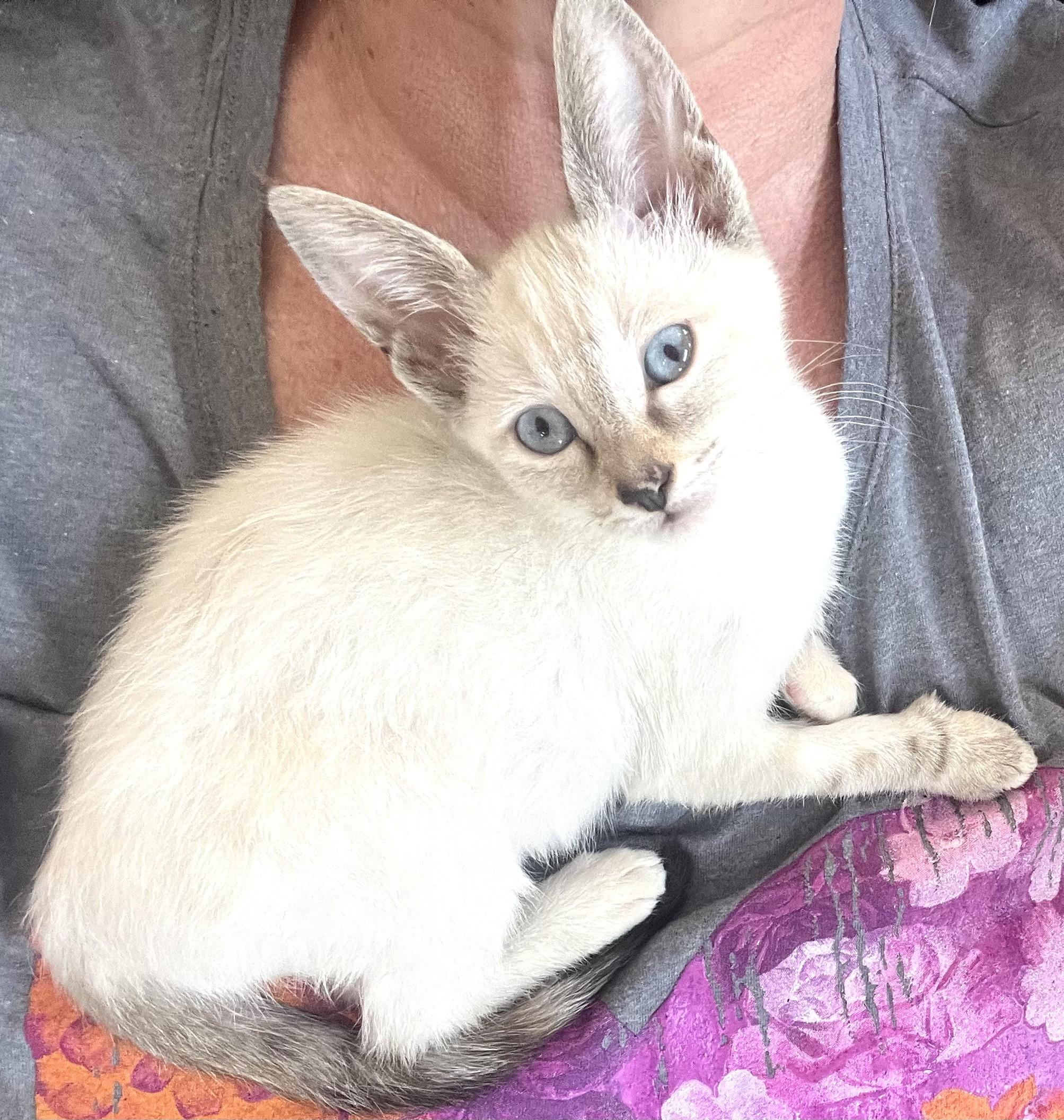
Thai cats are affectionate, playful, and intelligent. They enjoy human interaction and adapt well to families. Their sleek, muscular bodies and striking blue eyes make them visually distinctive. These cats require moderate grooming and thrive in loving, attentive homes.
How To Find A Reputable Thai Cat Adoption Center?
Look for shelters specializing in Thai or Oriental breeds. Verify their reputation through reviews and certifications. Ensure they provide health records and behavioral assessments. Adopting from a trusted center guarantees the cat’s well-being and proper care history.
What Should I Prepare Before Adopting A Thai Cat?
Prepare a safe, quiet space with food, water, and a litter box. Gather toys and scratching posts to keep the cat engaged. Schedule a vet checkup soon after adoption. Understanding their social needs ensures a smooth transition.
Are Thai Cats Good For Families With Children?
Yes, Thai cats are gentle and social, making them great family pets. They enjoy playing and bonding with children. Supervised interactions help build a positive relationship. Their affectionate nature suits active households.
Conclusion
Adopting a Thai cat can be a rewarding experience. These cats bring joy and companionship. They are known for their playful nature and affection. Thai cats adapt well to homes and families. They are social and enjoy human company. Adopting one can make your home lively.
It’s important to provide them with love and care. Think about adopting a Thai cat today. They might be the perfect pet for you. Your new friend is waiting, ready to share moments of happiness. Consider opening your heart and home to a Thai cat.
