

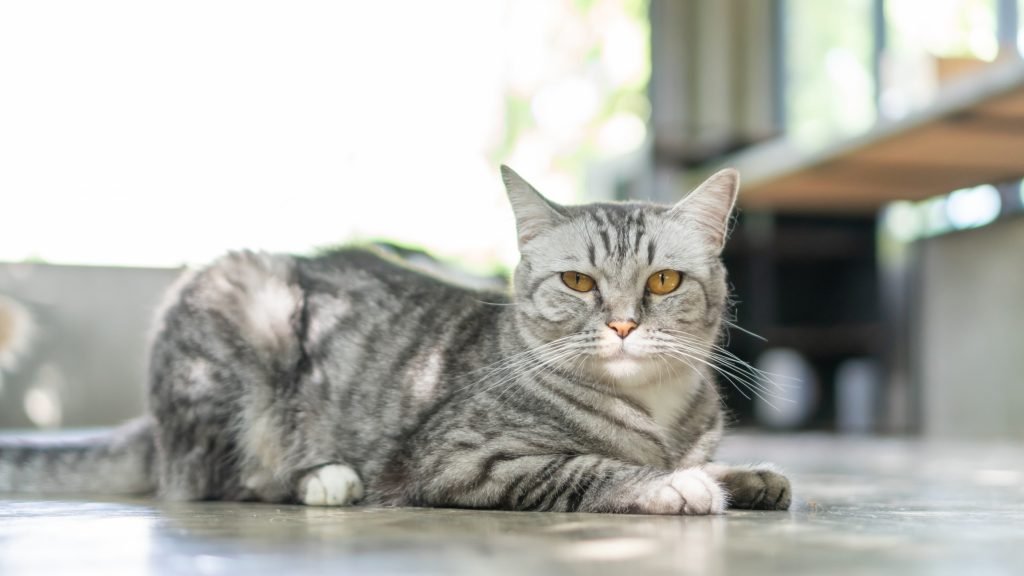
Are you a cat lover enchanted by the mesmerizing patterns and playful antics of tabby cats? You’re not alone.
Tabby cats have won the hearts of countless feline enthusiasts with their unique coat patterns and charming personalities. But did you know that tabby isn’t a breed itself? Instead, it’s a stunning coat pattern found in various cat breeds, each with its own distinct characteristics.
You’ll uncover the secrets behind these captivating kitties and discover which tabby cat breed might be the perfect match for you. Get ready to delve into the world of tabby cats and find out why they could be the purring companion you’ve been searching for.
Tabby Cat Patterns
Tabby cats are known for their distinctive coat patterns, each telling a unique story about their heritage and personality. These patterns aren’t just about looks; they can hint at your cat’s behavior and even their mood. Understanding the different tabby patterns helps you appreciate the beauty and diversity in these charming felines.
Classic Tabby
The classic tabby pattern is bold and striking. It features wide, swirling stripes that often form a bullseye or circular shape on the cat’s sides. If you’ve ever seen a cat with a “marbled” coat, you were likely looking at a classic tabby.
This pattern tends to give cats a very dramatic and artistic appearance. You might notice your cat’s personality matches their pattern—calm but confident, with a hint of mystery. Have you ever caught your classic tabby staring off like they’re plotting something? That’s part of their charm.
Mackerel Tabby
The mackerel tabby pattern is one of the most common. It looks like thin, parallel stripes running down the cat’s sides, resembling fish bones. This sleek pattern often gives cats a slim and agile appearance.
Many mackerel tabbies are surprisingly playful and curious, darting around like little hunters. If your cat has this pattern, you might find they enjoy chasing toys or exploring every nook and cranny of your home. What new game can you introduce to keep their energy flowing?
Spotted Tabby
Spotted tabbies have spots instead of stripes or swirls. These spots can be small and close together or larger and more scattered. The pattern often looks like a wild cat’s coat, giving these tabbies an adventurous vibe.
Spotted tabbies tend to be energetic and love climbing or jumping. Watching your cat leap onto furniture or scale cat trees might remind you of their wild cousins. How do you encourage your spotted tabby’s natural agility safely at home?
Ticked Tabby
Ticked tabbies are unique because their fur doesn’t have typical stripes or spots. Instead, each hair has bands of different colors, creating a salt-and-pepper effect. This pattern gives the cat a smooth, almost shimmering look.
These cats often appear more reserved but are deeply affectionate once they trust you. Their subtle pattern might make you miss their quiet presence until they curl up in your lap. Have you noticed how a ticked tabby’s calm nature can soothe a hectic day?

Credit: worldanimalfoundation.org
Popular Tabby Breeds
Tabby cats are loved for their beautiful striped or spotted coats. Some breeds show the tabby pattern more clearly and often. These popular tabby breeds have unique looks and friendly personalities. They make great pets for many homes.
Maine Coon
Maine Coons are large cats with thick fur. Their tabby patterns are bold and clear. They have big paws and long tails. Maine Coons are gentle and social, enjoying family time. They adapt well to many living spaces.
Bengal
Bengal cats look wild with spots and rosettes. Their tabby markings are sharp and bright. They are active and love to play. Bengals need space to climb and explore. Their energy makes them fun companions.
Abyssinian
Abyssinians have ticked tabby coats with fine lines. They are sleek and graceful cats. Abyssinians are curious and intelligent. They enjoy interactive toys and games. This breed stays lively and alert.
American Shorthair
American Shorthairs have classic tabby stripes and swirls. They are medium-sized and sturdy cats. This breed is calm and easygoing. American Shorthairs are great with children and other pets. Their low-maintenance coat is a plus.
Genetics Behind Tabby Patterns
The unique and captivating patterns of tabby cats are more than just beautiful markings; they are the result of fascinating genetic interactions. Understanding the genetics behind these patterns can change how you see your furry friend. It’s like reading a secret code written in their fur.
Key Genes Involved
Several genes control the appearance of tabby patterns, but the most important one is the Agouti gene (A). This gene controls whether the cat’s fur shows a solid color or a banded pattern that creates the tabby stripes.
Another crucial gene is the Tabby gene (T), which determines the specific pattern type:
- Mackerel tabby: Thin, vertical stripes.
- Classic tabby: Bold, swirling patterns.
- Spotted tabby: Spots instead of stripes.
- Ticked tabby: No stripes, but individual hairs have bands of color.
These genes work together, and small variations can produce the many tabby patterns you see in cats.
Pattern Inheritance
Tabby patterns are inherited through a complex mix of dominant and recessive genes. For instance, the mackerel pattern is often dominant over the classic pattern.
This means if your cat inherits the mackerel gene from one parent and the classic from the other, the cat is likely to show the mackerel stripes. But genetics isn’t always straightforward—sometimes hidden genes from ancestors can surprise you with unexpected patterns.
Have you ever wondered why two tabby siblings can look so different? This genetic shuffle explains it well.
Color Variations
Color plays a huge role in how tabby patterns appear. The base color, controlled by genes like the Black (B)and Dilution (D)genes, changes the pattern’s shade.
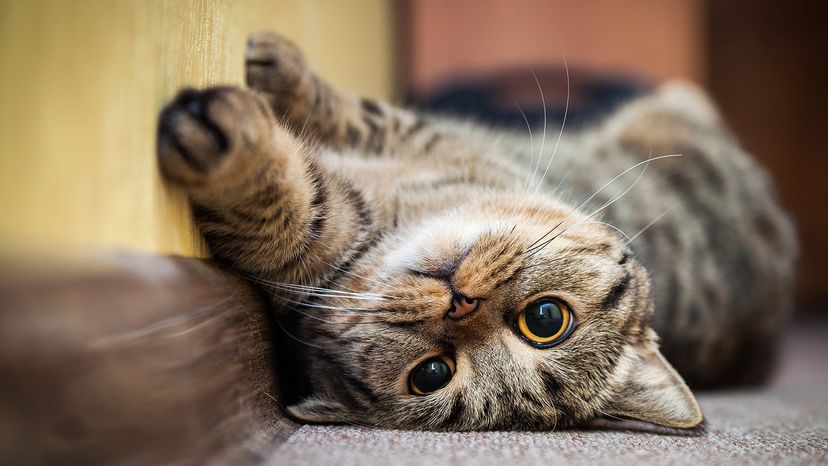
A black tabby will have dark stripes on a lighter background, while a blue (diluted black) tabby shows softer, grayish stripes. Orange tabbies are a result of the O gene, which masks black pigments, creating a warm, reddish pattern.
These colors mixed with tabby patterns make every cat’s coat truly unique. Next time you see a tabby, look closely at the colors and patterns—they tell a story written by genetics.
Credit: animals.howstuffworks.com
Caring For Tabby Cats
Tabby cats are known for their beautiful striped coats and friendly nature. Caring for these cats requires attention to their grooming, health, and diet. Understanding their needs helps keep them happy and strong. Regular care supports their natural charm and playful spirit.
Grooming Tips
Tabby cats have short or medium fur that needs regular brushing. Brushing removes loose hair and reduces shedding. It also prevents mats and tangles in their coat. Use a soft brush to avoid skin irritation. Bathing is rarely needed unless the cat is very dirty. Trim their nails every few weeks to keep them comfortable. Check ears and eyes for dirt or signs of infection.
Health Considerations
Regular vet check-ups are important for tabby cats. Vaccinations protect them from common diseases. Watch for signs of illness like coughing or loss of appetite. Dental care is essential to prevent gum disease. Keep their living area clean and safe from hazards. Spaying or neutering helps control population and reduces health risks. Monitor their weight to avoid obesity, a common problem in house cats.
Diet And Nutrition
Feed tabby cats a balanced diet with high-quality cat food. Protein is important for their energy and muscle health. Fresh water should always be available. Avoid giving them too many treats or human food. Measure portions to prevent overeating. Some tabby cats may need special diets if they have health issues. Consult a vet to choose the best food for your cat.
Tabby Cats In Culture
Tabby cats have woven themselves into the fabric of human culture for centuries. Their distinctive striped patterns and charming personalities have made them symbols, characters, and companions across many societies. Understanding how tabbies appear in culture gives you a deeper appreciation of these furry friends beyond their looks.
Folklore And Myths
Tabby cats often appear in folklore with a mix of mystery and magic. In some cultures, they are thought to bring good luck and protection to the home. For example, sailors believed that having a tabby cat on board would ensure a safe journey and bountiful catch.
In other stories, tabbies were seen as guardians against evil spirits. Have you ever wondered why their striped coats resemble tiger patterns? Some legends say those stripes were gifts from ancient gods, meant to mark them as special protectors.
Famous Tabby Cats
Throughout history, several tabby cats have achieved celebrity status. One of the most beloved is Garfield, the lasagna-loving comic strip cat known for his sarcasm and wit. His personality has helped millions connect with the playful and sometimes lazy nature of tabbies.
Another famous tabby was Socks, the pet cat of U.S. President Bill Clinton. Socks became a household name, often featured in the media and even receiving fan mail. These cats show you how tabbies can capture hearts, whether in fiction or real life.
Tabbies In Media
Tabby cats frequently appear in movies, TV shows, and books. Their unique markings make them visually striking characters who often play key roles. Think about the clever tabby in the animated film “The Aristocats” or the mischievous cat in children’s stories—it’s no accident they’re popular choices.
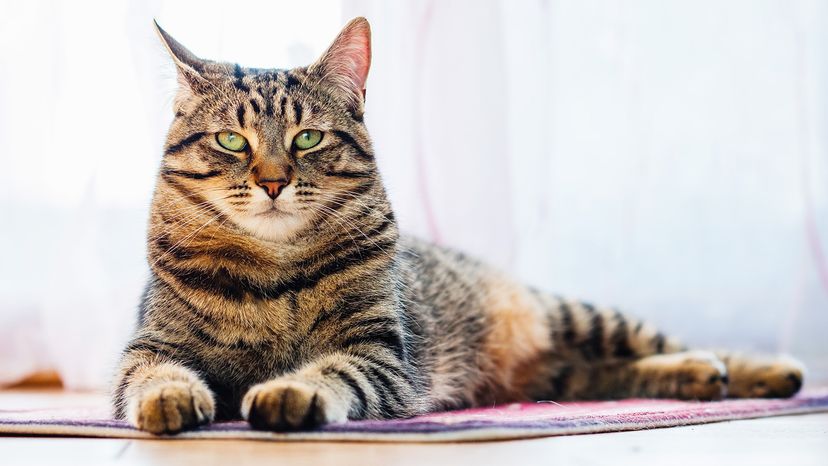
When you watch a show or read a book with a tabby cat, notice how their personality traits—curiosity, independence, or playfulness—come alive. This connection between appearance and behavior enhances your understanding of tabby cats beyond their physical traits.
Credit: animals.howstuffworks.com
Frequently Asked Questions
What Are The Common Patterns Of Tabby Cat Breeds?
Tabby cats display four main patterns: classic, mackerel, spotted, and ticked. Each pattern has distinct stripes or spots. These patterns help identify various tabby breeds and their unique appearances.
Are Tabby Cats A Specific Breed Or Coat Type?
Tabby refers to a coat pattern, not a breed. Many cat breeds can have tabby patterns. This includes domestic shorthairs, Maine Coons, and Bengals, among others.
Do Tabby Cats Have Unique Personality Traits?
Tabby cats are often friendly, social, and intelligent. Their temperament varies by breed and individual. Generally, they are affectionate and adaptable pets.
How Can I Identify A Tabby Cat Breed?
Look for the distinctive M-shaped marking on the forehead. Also, observe stripes, spots, or swirls on the body. These features help distinguish tabby cats from other coat types.
Conclusion
Tabby cat breeds offer unique patterns and friendly personalities. Each type has its own charm and traits. These cats fit well in many homes and lifestyles. They are easy to care for and love attention. Choosing a tabby means welcoming a playful and loving pet.
Their distinct stripes and spots make them stand out. Enjoy the beauty and warmth a tabby cat brings. They make wonderful companions for all ages. Explore the world of tabby cats and find your match.
