

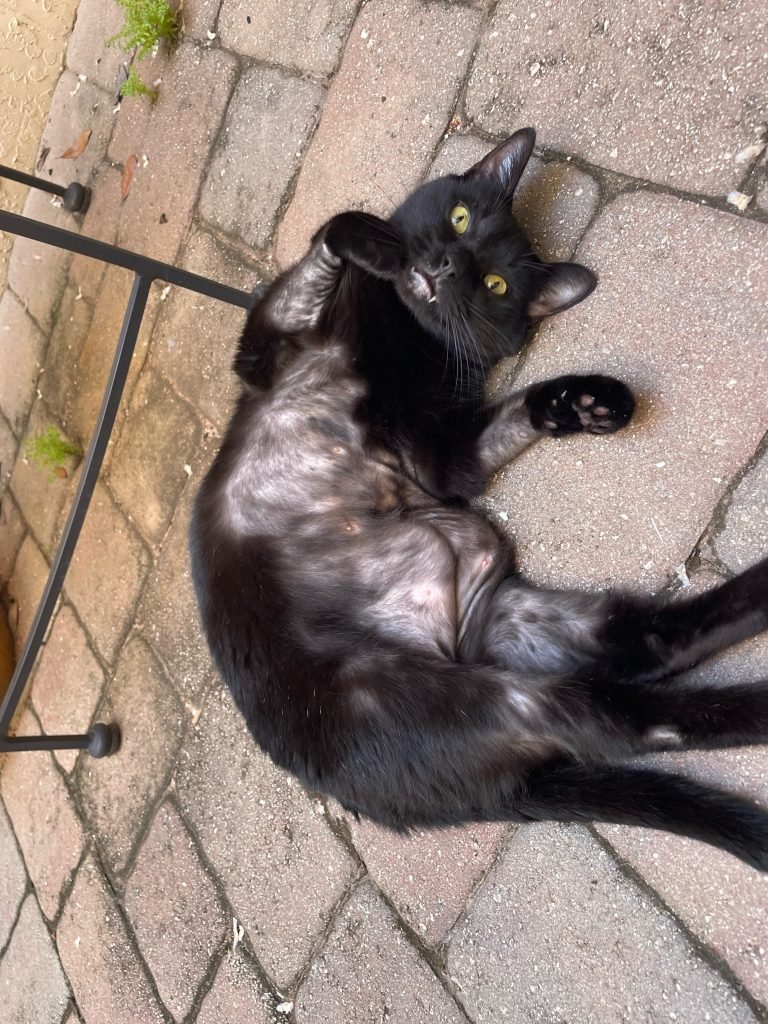
Is your cat spending too much time licking and grooming? Over grooming can lead to bald spots, irritated skin, and even infections.
It’s not just about looks—your cat might be trying to tell you something. You want your furry friend to be happy and healthy, but how do you stop this behavior before it gets worse? Keep reading to discover simple, effective ways to help your cat feel comfortable again and bring peace back to your home.
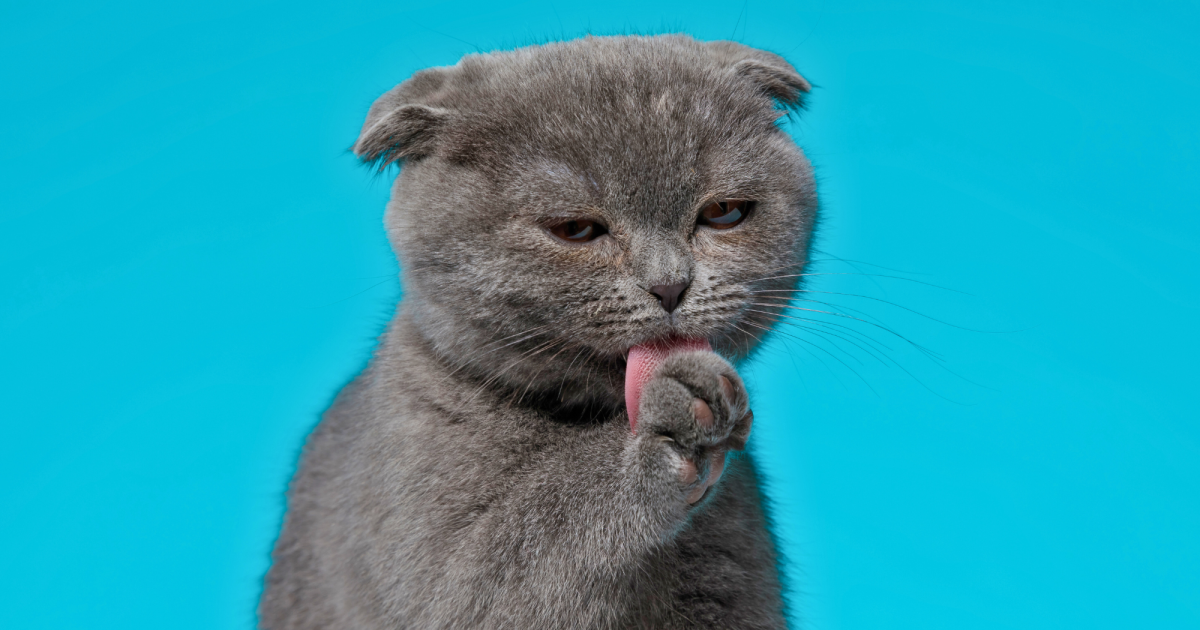
Credit: pethelpful.com
Reasons For Over Grooming
Over grooming in cats can be puzzling and frustrating for any pet owner. Understanding why your cat excessively licks or chews their fur is key to stopping this behavior. Many factors contribute to over grooming, from emotional to physical causes, and recognizing these will help you take the right steps to support your furry friend.
Stress And Anxiety
Stress is a major trigger for over grooming in cats. Changes in their environment, like moving to a new home or adding a new pet, can cause anxiety. Cats often use grooming as a way to calm themselves, but too much can damage their skin.
Have you noticed your cat licking more during thunderstorms or when you’re away? These are signs that stress might be the root cause. Creating a calm, predictable space can reduce their need to over groom.
Allergies And Skin Issues
Allergies can irritate your cat’s skin, prompting them to lick and scratch. Food allergies, flea bites, or reactions to cleaning products are common culprits. The constant itching leads to over grooming as your cat tries to relieve discomfort.
Look for redness, swelling, or bald patches on your cat’s body. These signs often point to skin problems rather than behavioral issues. Consulting your vet to identify and treat allergies can stop the cycle of over grooming.
Parasites And Infections
Parasites like fleas and mites cause intense itching that drives cats to over groom. Even a small flea infestation can create a lot of discomfort. Skin infections, whether bacterial or fungal, also irritate the skin and trigger excessive licking.
Regular flea prevention and quick treatment of infections are critical. Have you checked your cat’s fur for tiny moving dots or scabs lately? Early detection helps avoid painful skin damage and keeps your cat comfortable.
Boredom And Behavioral Causes
Sometimes, over grooming is a response to boredom or lack of stimulation. Cats are naturally curious and active, needing mental and physical activity. Without enough play or interaction, they might start licking themselves excessively out of frustration.
Does your cat have enough toys, playtime, and attention each day? Increasing engagement can reduce this self-soothing habit. Try interactive toys or puzzle feeders to keep your cat’s mind and body busy.
Identifying Over Grooming Symptoms
Spotting over grooming in your cat early can save them from pain and stress. Cats are masters at hiding discomfort, so you need to watch closely for subtle clues. Recognizing these symptoms helps you act fast and prevent further damage.
Hair Loss Patterns
Look for patches where your cat’s fur is thinning or missing altogether. These areas often appear on the belly, legs, or around the neck. If you notice smooth, bald spots or uneven fur, your cat might be over grooming.
Does your cat lick a specific spot more than usual? That repeated licking can cause fur to fall out. Keep an eye on any sudden changes in their coat texture or thickness—it’s a red flag.
Skin Irritation Signs
Check your cat’s skin for redness, bumps, or scabs. Over grooming often leads to irritated, inflamed skin that can look raw or scaly. You might even spot small wounds or crusty patches caused by excessive licking or scratching.
Have you noticed your cat grooming until the skin looks shiny or wet? This could mean they’re causing damage beneath the surface. Skin irritation isn’t just uncomfortable—it invites infections.
Behavioral Changes
Your cat’s behavior can reveal a lot about their well-being. Over grooming often comes with increased restlessness or anxiety. You might see your cat pacing, hiding more, or reacting nervously to touch.
Does your cat groom obsessively after stressful events or loud noises? This can be a coping mechanism for anxiety. Pay attention if grooming sessions become longer or more frequent—it’s a sign something’s wrong.
When To See A Vet
If you spot hair loss, skin irritation, or unusual behavior, don’t wait to get professional advice. Persistent over grooming can lead to infections or deeper health issues. A vet can diagnose underlying causes like allergies, parasites, or stress disorders.
Ask yourself: Is your cat’s grooming causing harm or discomfort? If yes, schedule a vet visit promptly. Early intervention often means quicker relief and a happier cat.
Home Remedies To Reduce Grooming
Over grooming in cats can be a sign of stress, boredom, or even health issues. Before rushing to medication, try simple home remedies that might soothe your feline friend and reduce excessive grooming. These natural approaches help create a balanced and calm environment for your cat.
Environmental Enrichment
Adding new toys and scratching posts can keep your cat’s mind busy. Cats often groom out of boredom, so introducing climbing trees or puzzle feeders can redirect their attention.
Changing the scenery occasionally, like moving a bed near a window, offers fresh views and mental stimulation. Have you noticed how your cat reacts to different spots in the house? This can guide you to the best places to enhance their environment.
Dietary Adjustments
What your cat eats affects their skin and coat health. Adding omega-3 fatty acids from fish oil supplements can reduce skin irritation that leads to over grooming.
Sometimes, food allergies cause itching. Switching to hypoallergenic or limited ingredient diets might help your cat feel more comfortable.
Regular Playtime
Daily interactive play reduces stress and tires your cat out in a healthy way. Using feather wands or laser pointers engages their hunting instincts and distracts from grooming urges.
Try short, frequent sessions rather than one long playtime. This keeps your cat interested and less likely to develop obsessive behaviors.
Comforting Spaces
Creating cozy, quiet areas gives your cat a safe retreat when they feel anxious. Soft blankets, gentle lighting, and familiar scents can calm them down.
Have you ever noticed your cat seeking out tight spaces when stressed? Providing such spots intentionally can prevent them from self-soothing through excessive grooming.
Medical Treatments And Interventions
Medical treatments and interventions play a key role in stopping cats from over grooming. These options target the root causes of excessive licking, such as allergies, parasites, or stress. Proper diagnosis by a vet guides the right treatment plan. Timely care helps your cat feel comfortable and improves their skin condition.
Medications For Allergies
Allergies often cause itching, leading cats to over groom. Vets may prescribe antihistamines or steroids to reduce allergic reactions. These medicines calm inflammation and ease the urge to lick. Identifying the allergen is important for long-term relief.
Parasite Control
Parasites like fleas trigger intense itching. Effective parasite control stops the cycle of irritation and over grooming. Treatments include topical flea preventives, oral medications, and environmental cleaning. Consistent parasite control protects your cat’s skin health.
Anti-anxiety Options
Stress and anxiety can cause compulsive grooming. Anti-anxiety medications help calm nervous cats. Some vets recommend pheromone diffusers or supplements alongside drugs. A calm cat grooms less and feels more relaxed.
Topical Treatments
Topical creams and sprays soothe irritated skin. They reduce redness and prevent infections from constant licking. Ingredients like aloe, hydrocortisone, or antibiotics support healing. Regular application speeds up skin recovery and stops further damage.
Preventing Over Grooming In Cats
Over grooming in cats can lead to painful skin issues and emotional distress. Stopping this behavior starts with understanding what causes it and taking steps to keep your cat healthy and calm. You can make a big difference by focusing on a few key areas in your cat’s care.
Routine Vet Checkups
Regular vet visits help catch any underlying health problems that might cause your cat to over groom. Skin infections, allergies, or parasites often trigger this behavior. Have your vet check your cat’s skin and overall health to rule out medical issues early.
Don’t wait until the problem gets worse. Early diagnosis means quicker relief for your cat and less stress for you. Ask your vet about any changes you notice in your cat’s grooming habits.
Stress Reduction Techniques
Cats often over groom when they feel anxious or bored. You can reduce stress by providing a calm environment and plenty of mental stimulation. Try interactive toys, puzzle feeders, or new climbing spaces to keep your cat engaged.
Think about your cat’s daily routine: Does it include quiet time and safe spaces? Cats need places where they feel secure, so adding a cozy hiding spot can make a big difference. Have you noticed if your cat over grooms more during loud noises or changes at home?
Proper Nutrition
A balanced diet supports healthy skin and fur, reducing the urge to over groom. Nutrients like omega-3 fatty acids and vitamins A and E are essential for skin health. Check your cat’s food to ensure it meets these needs or talk to your vet about supplements.
Sometimes, food allergies cause itching, leading to over grooming. If your cat has sudden skin problems, consider if a diet change might help. Have you ever tried switching your cat’s food to see if it improves their skin condition?
Consistent Grooming Habits
Helping your cat with regular grooming can prevent irritation that causes over grooming. Brushing your cat removes loose hair and reduces mats, which can be uncomfortable. Set a grooming routine that matches your cat’s coat type and personality.
Some cats enjoy grooming sessions as bonding time, while others prefer quick brushings. Pay attention to your cat’s reaction and adjust accordingly. Could a few extra minutes of grooming each day stop your cat from licking or biting itself excessively?

Credit: brooklynpetspa.com

Credit: pennypaws.com
Frequently Asked Questions
Why Do Cats Over Groom Themselves?
Cats over groom due to stress, allergies, parasites, or skin infections. Identifying the cause helps provide proper treatment and relief.
How Can I Stop My Cat From Over Grooming?
Provide a calm environment, regular playtime, and vet checkups. Use soothing sprays or collars if needed to reduce grooming.
What Are Common Signs Of Cat Over Grooming?
Signs include bald patches, red or irritated skin, and constant licking. Early detection prevents worsening and promotes better health.
Can Diet Affect A Cat’s Grooming Habits?
Yes, poor diet can cause skin issues leading to over grooming. A balanced, nutritious diet supports healthy skin and fur.
Conclusion
Stopping your cat from over grooming takes time and care. Watch your cat’s behavior closely. Offer plenty of toys and attention to reduce stress. Keep your cat’s skin clean and check for allergies. Consult a vet if grooming stays excessive or skin looks sore.
Small steps help your cat feel calm and healthy again. Consistent care makes a big difference over time. Your cat deserves comfort and love every day.
