

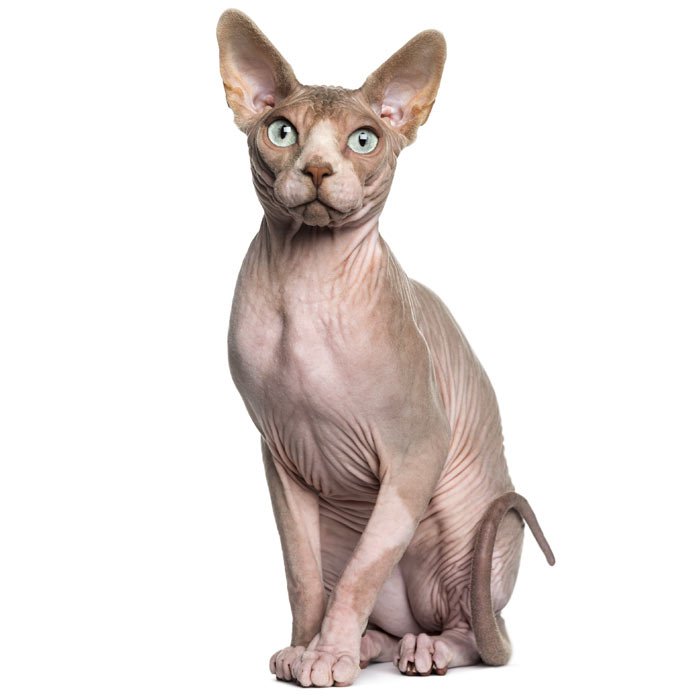
If you have a Sphynx cat, you know how special they are. Their unique look and loving nature make them truly one of a kind.
But with their distinct needs, you might wonder how to protect your furry friend from unexpected health costs. That’s where Sphynx cat insurance comes in. Imagine having peace of mind knowing your pet’s medical bills won’t catch you off guard.
Keep reading to discover how the right insurance can keep your Sphynx happy and healthy without breaking your budget.
Credit: cats.com
Why Insure A Sphynx Cat
Choosing to insure a Sphynx cat is a smart decision for many pet owners. These unique cats have special care needs and can face specific health challenges. Insurance helps cover costs and provides peace of mind. Knowing why insurance matters can help you protect your Sphynx better.
Unique Health Needs
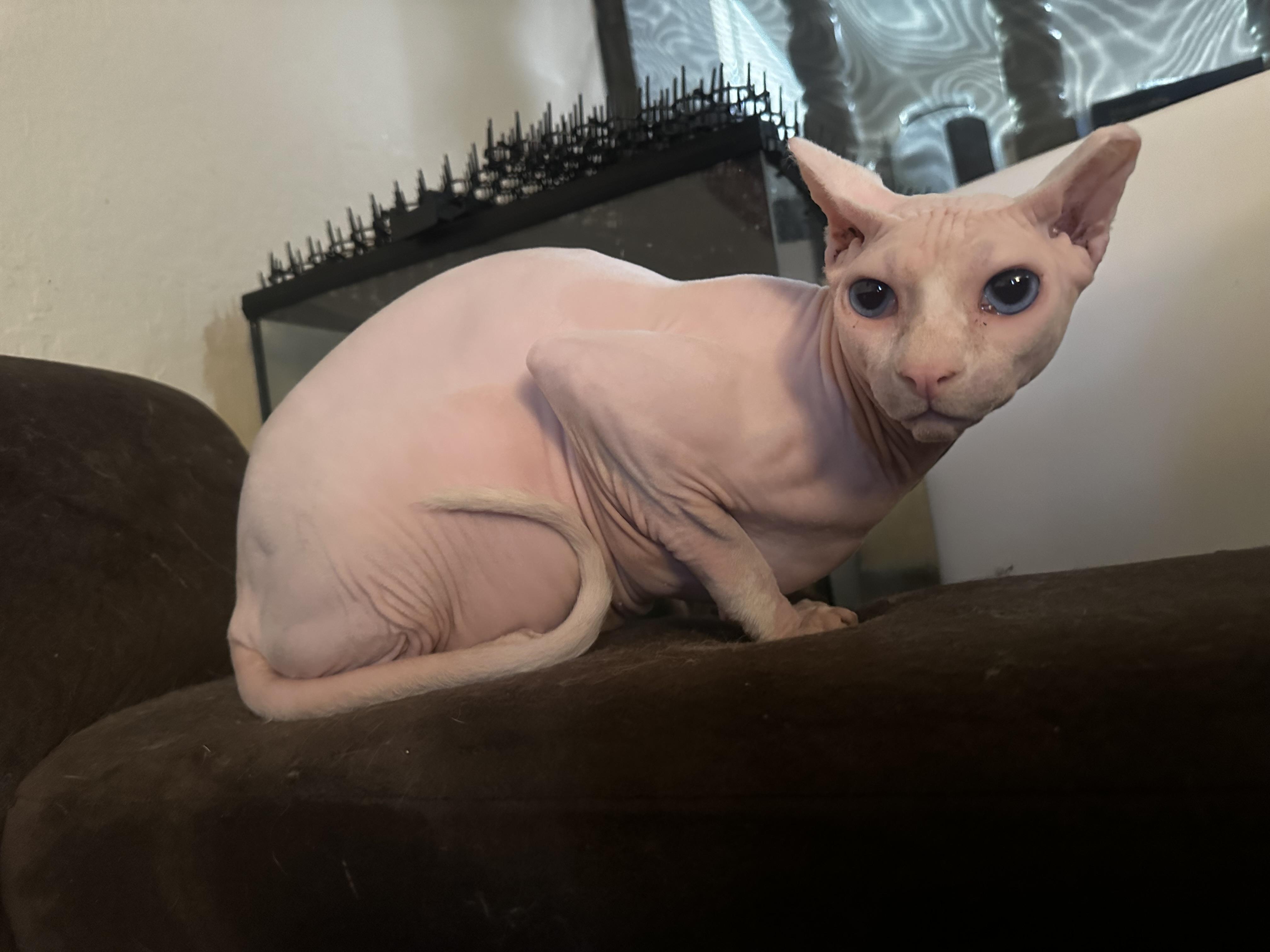
Sphynx cats have no fur, making their skin very sensitive. They need regular baths to remove oils and prevent skin problems. Their lack of fur also means they get cold easily and need warmth. These special needs mean regular vet visits and care. Insurance helps cover these ongoing health expenses.
Common Medical Issues
Sphynx cats are prone to certain health problems. Heart disease, especially hypertrophic cardiomyopathy, is common. They can also suffer from respiratory issues due to their lack of fur. Skin infections and sunburns happen often because of their exposed skin. Insurance can help pay for treatments and tests related to these conditions.
Cost Of Veterinary Care
Vet bills for Sphynx cats can be high. Their special health needs require frequent check-ups and treatments. Emergency care for sudden illnesses or injuries can be expensive. Insurance reduces the financial burden of these costs. It ensures you can give your pet the care they need without worry.

Credit: www.pawlicy.com
Types Of Coverage Available
Choosing the right insurance for your Sphynx cat means understanding the types of coverage available. Each plan offers different levels of protection, which can impact how much you pay and what expenses get covered. Knowing these options helps you pick a plan that fits your cat’s unique needs and your budget.
Accident Only Plans
Accident only plans cover unexpected injuries like broken bones, cuts, or poisoning. They don’t pay for illnesses or routine care, which keeps premiums lower. If your Sphynx is young and healthy, this might be enough to protect you from large vet bills after an accident.
Think about your cat’s lifestyle. Is your Sphynx mostly indoors and low-risk? Accident only coverage could save you money while still offering peace of mind against emergencies.
Comprehensive Coverage
This type of insurance covers accidents and illnesses, including chronic conditions like skin allergies, which are common in Sphynx cats. It often includes diagnostics, surgeries, and medications. Comprehensive plans tend to have higher premiums but reduce out-of-pocket costs when your cat needs serious medical care.
Imagine facing a costly vet bill for an unexpected illness—comprehensive coverage can make that easier to handle. Ask yourself if you want a plan that catches both accidents and health issues before they become emergencies.
Wellness And Routine Care
Wellness plans add coverage for preventive care like vaccinations, flea treatments, dental cleanings, and annual exams. These services keep your Sphynx healthy and can catch problems early. Some insurers offer these as add-ons or standalone plans.
Consider how often you visit the vet for routine care. Adding wellness coverage can help you budget for regular expenses and avoid surprise costs. Do you want to invest in your cat’s daily health to potentially reduce future medical bills?
Factors Influencing Premiums
Understanding what affects your Sphynx cat insurance premiums helps you make smarter choices. Several key factors shape how much you’ll pay. Knowing these gives you control over your budget and your pet’s protection.
Age And Health
Your cat’s age plays a big role in insurance costs. Younger cats usually have lower premiums because they’re less likely to need medical care. As your Sphynx ages, the risk of health issues rises, pushing premiums higher.
Pre-existing health conditions also affect rates. If your cat has a history of skin problems or respiratory issues, common in Sphynx cats, insurers might charge more. Have you checked your cat’s health status before shopping for insurance?
Location And Vet Costs
Where you live impacts your premium significantly. Urban areas often have higher vet fees compared to rural regions. If your local vets charge more, insurance companies pass those costs on to you.
Think about your area’s access to specialists too. If you live somewhere with many animal hospitals, you might have better care options but higher premiums. Does your neighborhood’s vet market affect your insurance price?
Coverage Limits And Deductibles
The amount of coverage you choose directly changes your premium. Higher coverage limits mean more protection but also a bigger monthly cost. Lower limits save money but might leave you paying more out-of-pocket during big vet bills.
Deductibles work the same way. Picking a higher deductible lowers your premium but increases what you pay before insurance kicks in. Have you balanced your coverage needs with what you can comfortably afford each month?
Credit: cats.com
Choosing The Right Policy
Choosing the right insurance policy for your Sphynx cat is crucial. This breed has specific health needs and unique care requirements. A well-chosen policy can save you money and stress during unexpected health issues.
Focus on coverage details, costs, and provider reliability. Take time to explore options and understand what each policy offers. The right choice balances price with comprehensive care for your pet.
Comparing Providers
Compare multiple insurance providers carefully. Look at the coverage limits, deductibles, and premiums. Some providers specialize in exotic or unique breeds like the Sphynx. Check if they cover breed-specific conditions such as skin problems or respiratory issues.
- Note policy exclusions to avoid surprises.
- Check if wellness visits or vaccinations are included.
- See if they cover hereditary or chronic conditions.
Reading The Fine Print
Read the policy documents thoroughly. Understand the terms for claims, reimbursements, and waiting periods. Some policies have hidden fees or strict claim rules. Check if pre-existing conditions are covered or excluded. Know what to expect before signing up.
Customer Reviews And Reputation
Customer feedback reveals real experiences with insurers. Look for reviews about claim processing speed and customer service quality. Trustworthy companies have consistent positive ratings. Avoid providers with many unresolved complaints or poor communication. Your peace of mind depends on a reliable insurer.
Tips To Lower Insurance Costs
Keeping your Sphynx cat insured can be costly. Lowering these costs helps you care for your pet without stress. Some simple tips reduce insurance premiums. These focus on care habits, policy choices, and savings programs. Knowing these can save money and keep your cat safe.
Preventive Care Strategies
Regular check-ups catch health problems early. Vaccinations protect against common diseases. Good nutrition keeps your cat strong. Grooming reduces skin issues common in Sphynx cats. Healthy habits lower the chance of costly treatments. Insurers often reward owners who keep pets healthy.
Bundling Policies
Combine your cat’s insurance with other plans. Some companies offer discounts for multiple policies. Bundling home, auto, or other pet insurance can cut costs. This approach simplifies payments and reduces fees. Always compare bundled rates with separate plans.
Discounts And Loyalty Programs
Ask about discounts for your Sphynx cat. Some insurers offer savings for multiple pets. Loyalty programs reward long-term customers with lower rates. Discounts for paying annually or using auto-pay are common. Check if your vet or pet club offers special deals.
Filing Claims Efficiently
Filing claims for your Sphynx cat’s insurance does not have to be difficult. Efficient claims help you get reimbursements faster. Being organized and knowing the process makes a big difference.
Clear steps and proper documents reduce delays. Understanding common mistakes can save time and stress. Staying on top of timelines keeps your claim active.
Documentation Needed
Collect all relevant papers before filing. These usually include:
- Veterinary bills and receipts
- Medical records and diagnosis reports
- Proof of payment for treatments
- Insurance policy details and claim forms
Keep copies of everything. Digital photos or scans work well. Organized documents speed up the review process.
Common Claim Mistakes
Incomplete forms cause major delays. Always fill every section carefully. Check for correct dates and pet details.
Missing receipts or unclear bills lead to rejection. Submit only required papers. Avoid sending unrelated documents.
Not reporting incidents soon can hurt your claim. Report treatments as soon as possible after vet visits.
Timelines And Follow-up
Know your insurer’s deadlines for filing claims. Late submissions often get denied. Mark important dates on your calendar.
Follow up regularly after submitting your claim. Contact the insurer for updates or questions. Keep notes of all communications.
Respond quickly if they ask for more information. Prompt replies speed up claim approval.
Frequently Asked Questions
What Does Sphynx Cat Insurance Typically Cover?
Sphynx cat insurance usually covers accidents, illnesses, and hereditary conditions. It may include vet fees, surgeries, and medications. Some plans also cover wellness visits and vaccinations. Coverage varies by provider, so check details carefully before choosing a policy.
How Much Does Sphynx Cat Insurance Cost?
The cost depends on your cat’s age, location, and coverage level. On average, expect to pay $20 to $50 monthly. Premiums can be higher due to the breed’s unique health risks. Compare multiple insurers to find the best price and coverage.
Why Is Sphynx Cat Insurance Important?
Sphynx cats have unique health challenges like skin issues and heart problems. Insurance helps manage costly vet bills and unexpected medical expenses. It ensures your pet receives timely care without financial stress. It’s a wise choice for responsible Sphynx owners.
Can I Get Insurance For A Senior Sphynx Cat?
Yes, many insurers offer coverage for senior Sphynx cats. However, premiums may be higher, and some conditions might be excluded. It’s best to purchase insurance early to avoid limitations. Always review policy terms to understand age-related restrictions.
Conclusion
Choosing the right insurance helps protect your Sphynx cat’s health. Vet bills can be costly without coverage. Insurance gives peace of mind and helps manage unexpected expenses. Consider your cat’s needs and compare plans carefully. A good policy supports your pet through sickness or accidents.
Keep your Sphynx happy and safe with proper insurance. It’s a smart step for any caring pet owner.
