

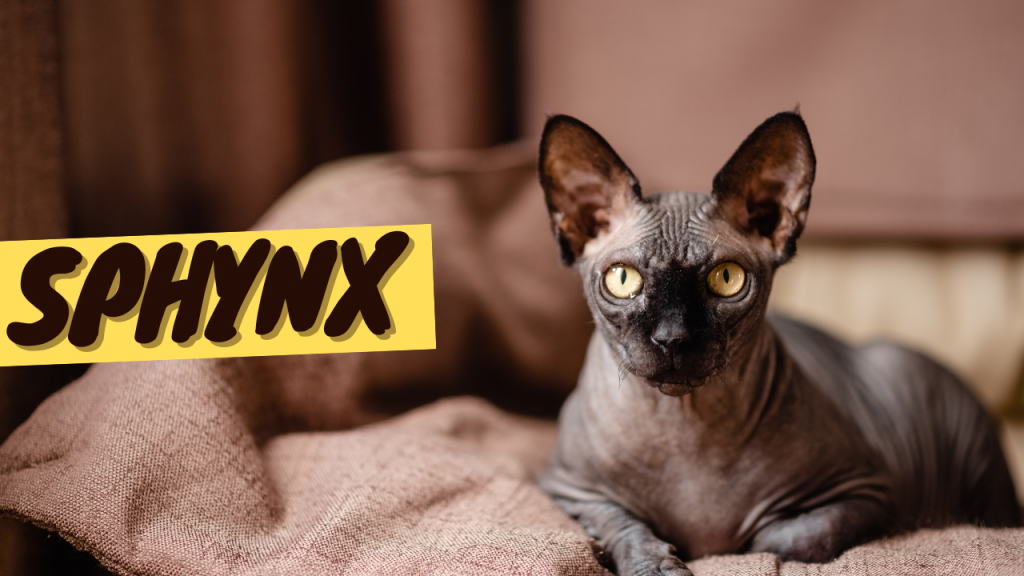
If you have a Sphynx cat or are thinking about getting one, understanding their health is crucial. These unique, hairless cats are full of charm, but they come with special health needs you should know about.
You want your feline friend to stay happy and healthy, right? Knowing the common health problems Sphynx cats face can help you catch issues early and give your pet the best care possible. Keep reading to discover what you need to watch for and how to protect your Sphynx’s well-being.
Common Health Issues
Owning a Sphynx cat means staying alert to specific health challenges this unique breed often faces. Their hairless nature and distinct physiology make them prone to a handful of issues you should watch closely. Understanding these common health problems helps you provide better care and spot warning signs early.
Skin Conditions
Your Sphynx’s skin needs extra attention since it’s exposed and delicate. They often suffer from oil buildup that can cause acne or infections if not cleaned regularly. I learned the hard way that skipping weekly baths led to uncomfortable skin flare-ups for my cat.
Keep an eye out for redness, bumps, or scabs. Using gentle, hypoallergenic wipes or special pet shampoos can help maintain a healthy skin barrier. Do you check your cat’s skin regularly for unusual changes?
Respiratory Problems
Sphynx cats sometimes experience respiratory issues due to their unique facial structure. They can be prone to upper respiratory infections, especially if exposed to cold drafts or poor ventilation. I noticed my cat sneezing more during winter until I improved his indoor environment.
Watch for persistent coughing, sneezing, or nasal discharge. Providing a warm, clean space and avoiding sudden temperature changes can reduce risks. How often do you monitor your cat’s breathing patterns?
Dental Concerns
Dental health is crucial yet often overlooked in Sphynx cats. They can develop gum disease and tooth decay more quickly than some other breeds. I found that daily teeth brushing made a huge difference in preventing bad breath and costly vet visits.
Check their gums for redness or swelling, and consider dental treats or toys designed to reduce plaque. Regular vet dental check-ups can catch problems early. Are you confident in your cat’s oral hygiene routine?
Heart Disease Risks
Sphynx cats have a higher chance of developing hypertrophic cardiomyopathy (HCM), a serious heart condition. Early detection through regular heart screenings is vital to avoid complications. My vet recommended annual ultrasounds after we caught early signs in time.
Look for symptoms like lethargy, difficulty breathing, or sudden weakness. Maintaining a stress-free environment and following vet advice helps manage heart health. When was the last time your cat had a heart check?
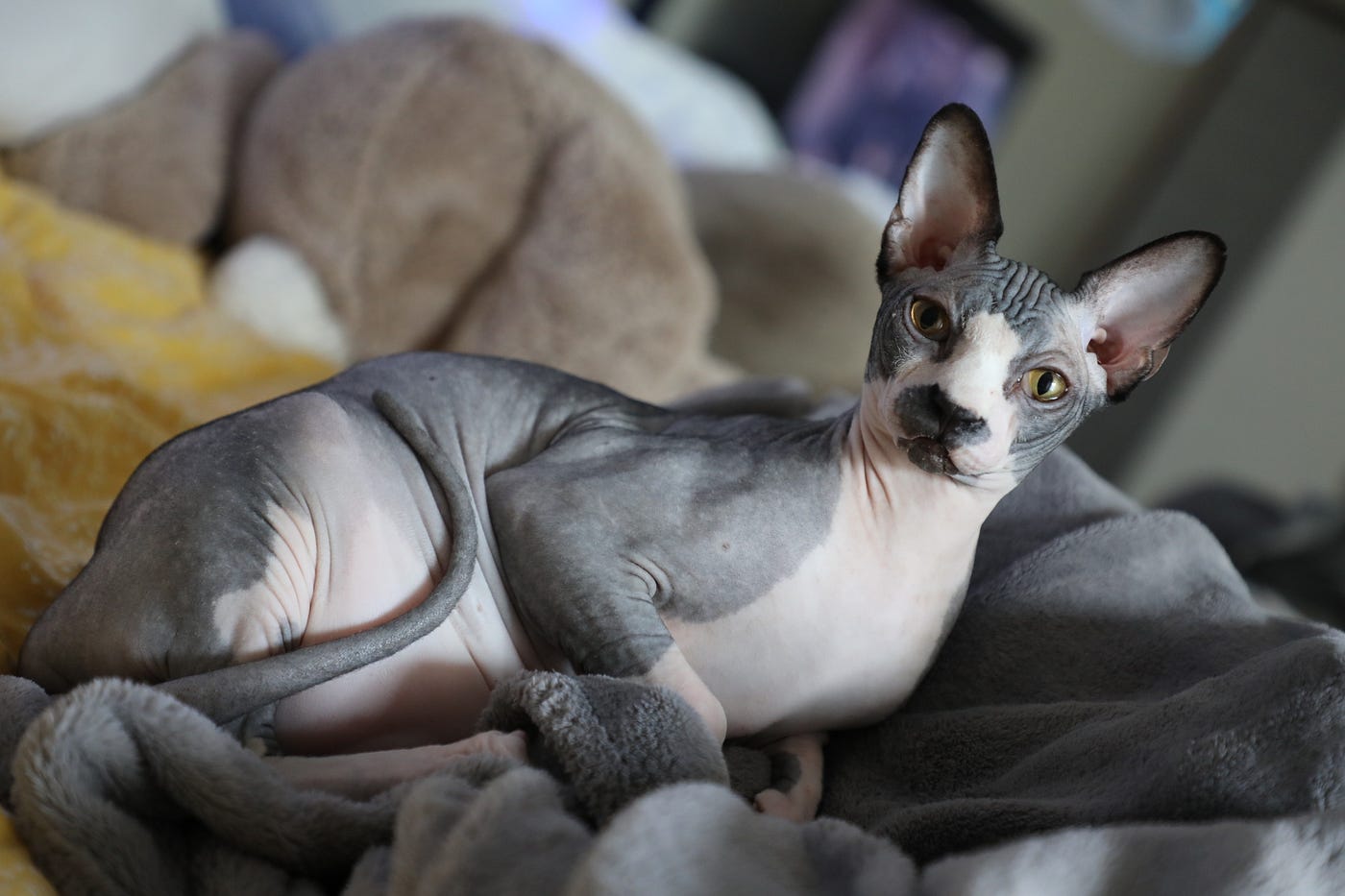
Credit: medium.com
Daily Care Essentials
Caring for a Sphynx cat means more than just feeding and playing. Their unique skin needs special attention daily. Proper care keeps them healthy and comfortable. This section covers key daily care essentials every owner should know.
Bathing Routine
Sphynx cats have oily skin that can build up quickly. Bathing every one to two weeks helps remove excess oil. Use a gentle, cat-safe shampoo. Warm water keeps your cat calm during the bath. Dry your cat thoroughly with a soft towel to avoid chills.
Ear Cleaning
Sphynx cats produce more earwax than other cats. Check their ears weekly for dirt or buildup. Use a soft cloth or cotton ball with a vet-approved ear cleaner. Avoid inserting anything deep into the ear canal. Clean gently to prevent irritation or infection.
Nail Trimming
Regular nail trimming prevents scratches and discomfort. Trim your Sphynx’s nails every two weeks. Use sharp, small pet nail clippers. Cut just the tip to avoid hitting the quick, which causes pain and bleeding. Reward your cat to make trimming easier.
Skin Moisturizing
Sphynx skin can become dry and flaky. Apply a vet-recommended moisturizer if the skin feels rough. Use products made specifically for cats to avoid harmful ingredients. Moisturize after bathing and as needed to keep skin soft and healthy.
Diet And Nutrition
Keeping your Sphynx cat healthy means paying close attention to their diet and nutrition. These unique cats have higher energy needs because they lack fur, which helps regulate body temperature. Feeding them the right foods supports their skin health, energy levels, and overall well-being.
Balanced Diet Needs
Your Sphynx thrives on a diet rich in high-quality protein. Cats are obligate carnivores, so animal-based proteins like chicken, turkey, and fish should be the main ingredients. Avoid fillers like corn or soy, which add little nutritional value.
Fats are also important for your Sphynx, especially omega-3 and omega-6 fatty acids. These help keep their skin soft and reduce irritation. Look for cat foods that list fish oil or flaxseed oil among the top ingredients.
Hydration Tips
Because Sphynx cats have exposed skin, they can dry out quickly. Make sure fresh water is always available, and encourage drinking by using water fountains or bowls placed in quiet spots. Wet cat food can also boost hydration and is often easier for them to eat.
If your cat isn’t drinking enough, try adding a little water or broth to their meals. You might be surprised how a small change can increase their water intake and improve their skin condition.
Supplements To Consider
Sometimes diet alone isn’t enough to meet all your Sphynx’s nutritional needs. Supplements like fish oil capsules can provide extra omega-3s for skin health. Probiotics can aid digestion and boost their immune system.
Before adding supplements, talk to your vet to choose the right ones and dosages. Have you noticed your Sphynx scratching more than usual? A targeted supplement might help reduce that discomfort effectively.
:strip_icc()/spruce-pets-hairless-cats-2025-cd72619c8eae4711964aaa67ced3b5a5.png)
Credit: www.thesprucepets.com
Regular Vet Visits
Regular vet visits are essential to keep your Sphynx cat healthy and happy. These visits help catch health problems early, before they become serious. You might be surprised how much routine checkups can improve your cat’s quality of life.
During these visits, vets check your cat’s skin, heart, and overall condition. Since Sphynx cats have unique health concerns, regular monitoring is crucial. Have you ever wondered how often your cat should visit the vet to stay in top shape?
Vaccination Schedule
Vaccinations protect your Sphynx from common infectious diseases like feline distemper and respiratory infections. Your vet will recommend a vaccination schedule tailored to your cat’s age and lifestyle.
Usually, kittens start their vaccines around 6 to 8 weeks old, with boosters every 3 to 4 weeks until 16 weeks. Adult cats need annual or triennial boosters depending on the vaccine type. Keeping this schedule updated is key to preventing serious illnesses.
Health Screenings
Health screenings help detect issues such as heart disease or skin problems early. Sphynx cats are prone to hypertrophic cardiomyopathy (HCM), so regular heart checks are important.
Ask your vet about echocardiograms and blood tests during annual exams. These screenings can reveal hidden problems before symptoms appear, saving your cat from discomfort and costly treatments later.
Parasite Prevention
Parasites like fleas, ticks, and worms can cause serious health issues in your Sphynx cat. Since they lack fur, their skin is more exposed and vulnerable to infestations.
Talk to your vet about safe and effective parasite preventatives. Many products come in easy-to-apply spot treatments or collars, making prevention hassle-free. Have you checked your cat’s skin recently for signs of parasites?
Environmental Considerations
Environmental factors play a key role in the health of a Sphynx cat. Their lack of fur makes them sensitive to changes in surroundings. Owners must create a safe and comfortable home to protect these unique pets from harm. Simple precautions help maintain their well-being every day.
Temperature Control
Sphynx cats feel cold easier than other cats. They need warm areas to stay cozy. Keep indoor temperatures steady between 70°F and 80°F. Use heated beds or blankets for extra warmth. Avoid drafts and cold floors that can cause chills. Monitor your cat’s comfort, especially during winter months.
Sun Protection
Without fur, Sphynx cats risk sunburn easily. Limit their exposure to direct sunlight. Use pet-safe sunscreen on sensitive skin spots. Provide shaded areas near windows or outdoors. Avoid outdoor time during peak sun hours. Protecting their skin prevents painful burns and long-term damage.
Safe Living Spaces
Create a hazard-free home environment for your Sphynx. Remove sharp objects and toxic plants. Cover electrical cords to prevent chewing. Ensure windows and balconies are secure. Use soft bedding to protect their delicate skin. A safe space reduces injury risks and supports their health.
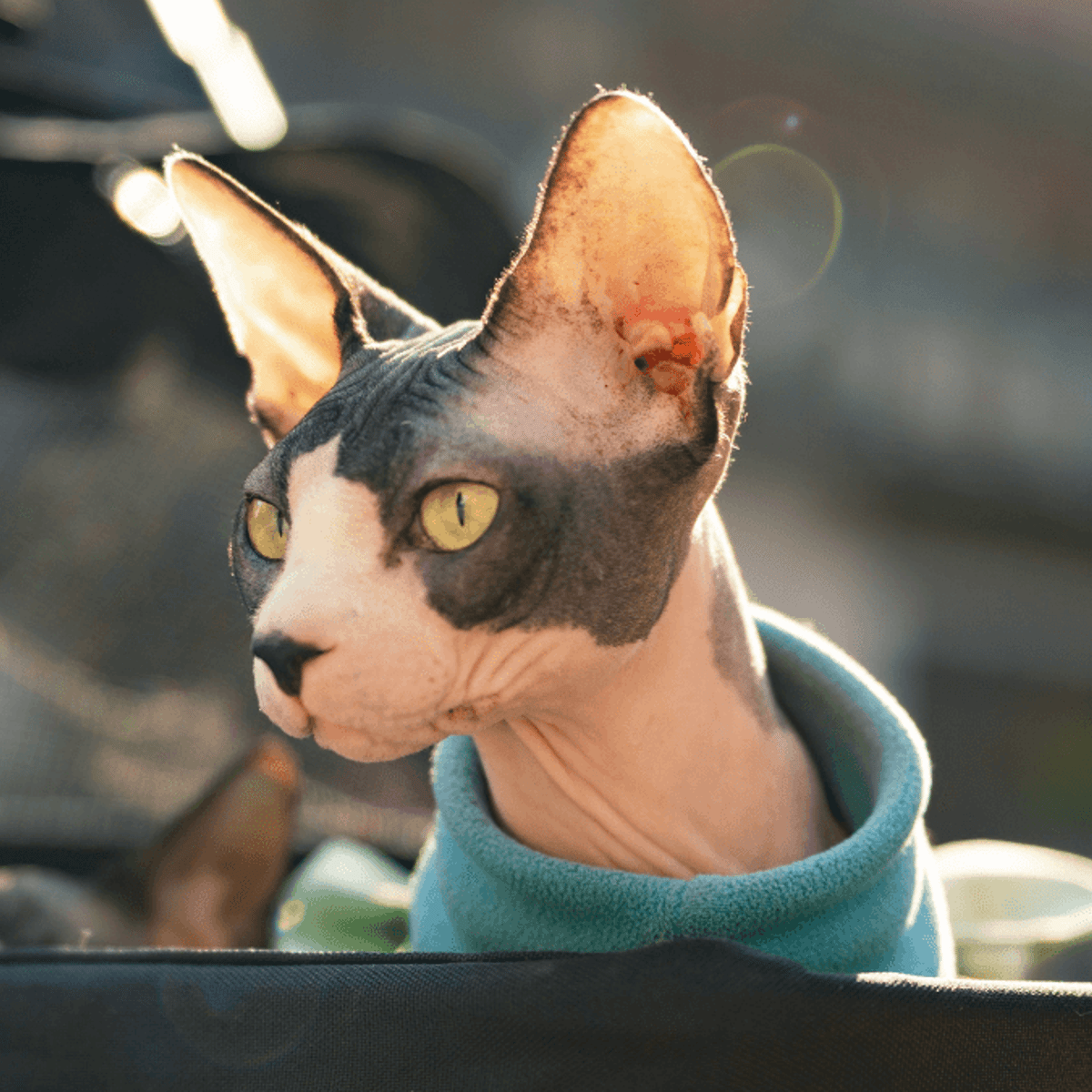
Credit: wamiz.co.uk
Frequently Asked Questions
What Are Common Health Problems In Sphynx Cats?
Sphynx cats often face skin issues like fungal infections and sunburn. They may also develop heart conditions such as hypertrophic cardiomyopathy. Regular vet checkups help detect and manage these problems early.
How Can I Prevent Skin Issues In Sphynx Cats?
Regular bathing removes oils and dirt that cause skin problems. Use gentle, hypoallergenic shampoos. Protect your Sphynx from sun exposure and keep their skin moisturized to avoid dryness and irritation.
Do Sphynx Cats Require Special Veterinary Care?
Yes, Sphynx cats need routine skin and heart screenings. Their unique care needs include temperature regulation and monitoring for infections. A vet familiar with this breed ensures proper health management.
Are Sphynx Cats Prone To Heart Disease?
Yes, hypertrophic cardiomyopathy (HCM) is common in Sphynx cats. Regular heart scans and veterinary checkups are essential for early diagnosis and treatment to maintain heart health.
Conclusion
Sphynx cats need special care to stay healthy and happy. Watch for signs of common health problems early. Regular vet visits help catch issues before they get worse. Keep their skin clean and protect them from cold weather. Feeding a balanced diet supports their well-being.
Knowing their health risks helps you give better care. A healthy Sphynx cat brings joy and comfort every day. Caring for them is a rewarding experience worth the effort.
