

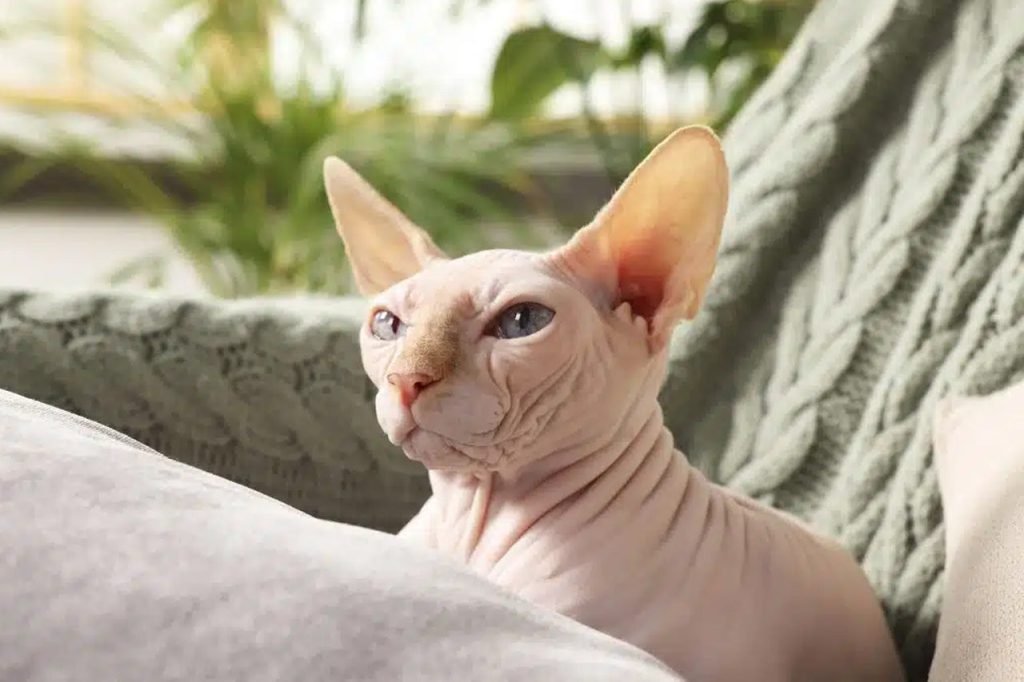
If you have a Sphynx cat or are thinking about getting one, understanding their health is crucial. These unique, hairless cats are full of personality, but they also come with special health needs.
You might wonder what common issues your Sphynx could face and how to keep them happy and healthy. This article will guide you through the most important health concerns for Sphynx cats and what you can do to protect your furry friend.
Keep reading to make sure your Sphynx lives a long, comfortable life.
Credit: www.bbc.com
Common Health Problems
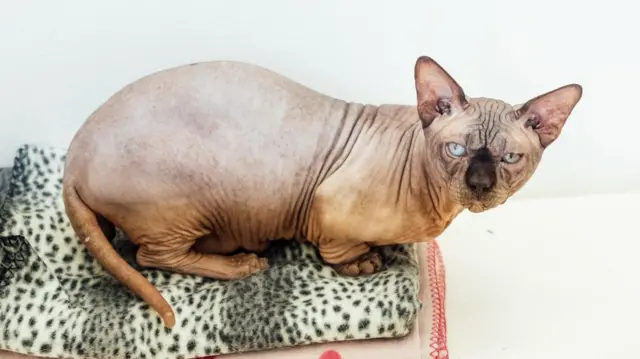
Owning a Sphynx cat comes with unique challenges, especially regarding their health. Understanding the common health problems they face helps you provide the best care. These issues require attention because they can impact your cat’s quality of life significantly.
Skin Conditions
Sphynx cats have sensitive skin due to their lack of fur, making them prone to skin problems. You might notice dryness, redness, or even fungal infections if their skin isn’t properly cared for.
Regular bathing is essential to remove the buildup of oils and dirt. Using gentle, hypoallergenic shampoos helps maintain healthy skin without irritation.
Have you checked your cat’s skin for unusual bumps or sores lately? Early detection can prevent serious complications.
Respiratory Issues
Sphynx cats can be vulnerable to respiratory infections, especially in colder environments. Their exposed skin means they can get chilled easily, which lowers their resistance to colds and other respiratory problems.
Keep your home warm and draft-free. Watch for symptoms like sneezing, coughing, or nasal discharge, and seek vet care promptly if you notice these signs.
Do you provide a cozy, temperature-controlled space for your cat during winter months?
Heart Disease
Hypertrophic cardiomyopathy (HCM) is a common heart disease in Sphynx cats. This condition thickens the heart muscle and can lead to serious complications if undiagnosed.
Regular veterinary check-ups including heart ultrasounds can catch HCM early. Some breeders also screen for this to reduce risks in kittens.
How often do you schedule health screenings for your cat? Preventive care can save lives.
Dental Concerns
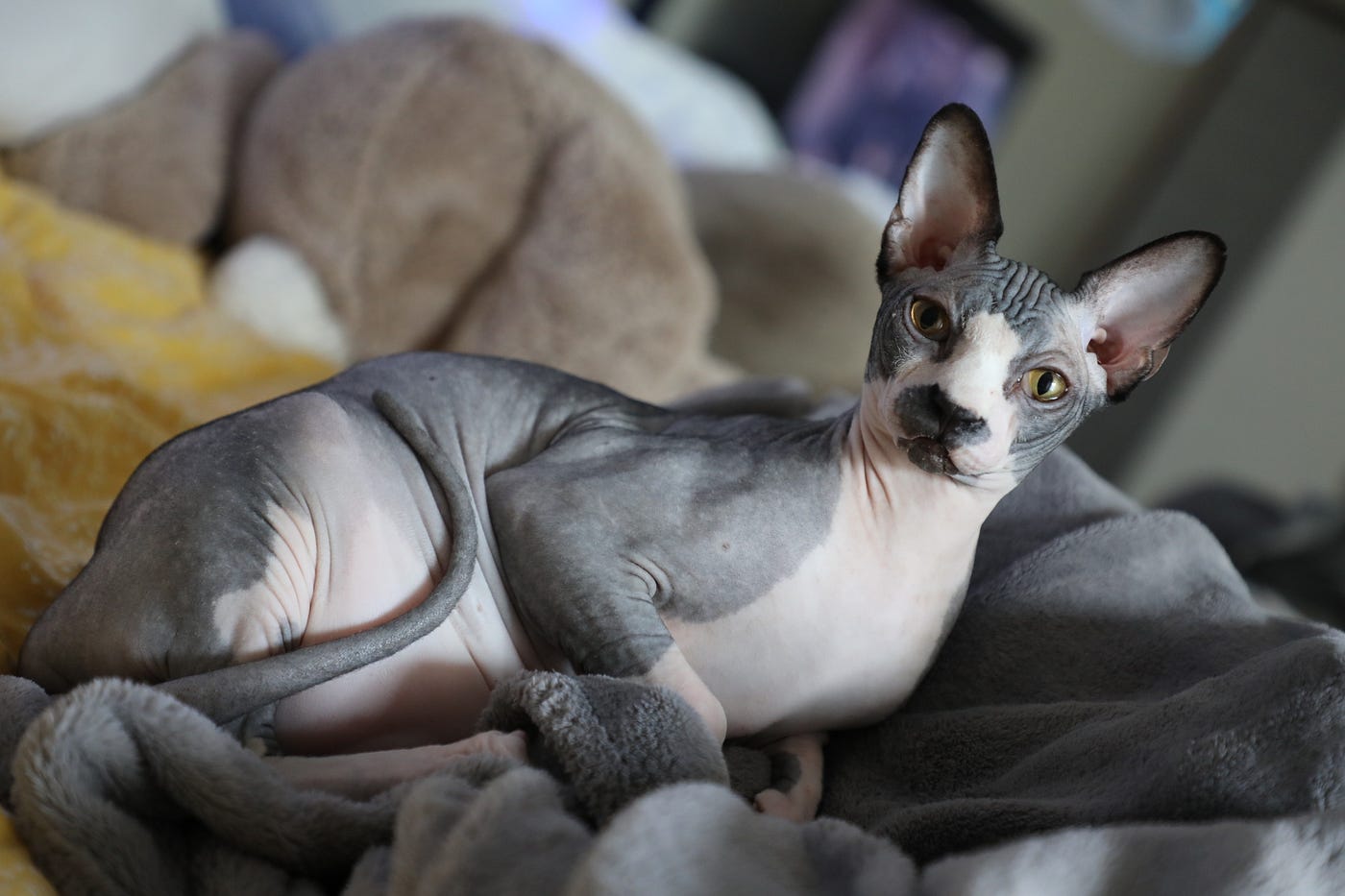
Sphynx cats may develop dental problems like gingivitis and tartar buildup. These issues can cause pain and affect their eating habits.
Brushing your cat’s teeth regularly and providing dental treats help maintain oral hygiene. Dental check-ups should be part of your routine vet visits.
Have you tried introducing dental care gradually to your cat to make it less stressful?
Credit: medium.com
Preventive Care
Keeping your Sphynx cat healthy requires more than just love and attention. Preventive care plays a crucial role in avoiding common health issues that these unique felines face. Consistent care helps catch problems early and keeps your cat feeling its best every day.
Regular Vet Visits
Scheduling regular check-ups with your vet is essential for your Sphynx’s health. These visits allow the vet to monitor your cat’s skin condition, heart health, and overall wellness. You might be surprised how often small issues show up before they become serious.
Ask your vet about specific concerns like temperature regulation or dental health, which are common in Sphynx cats. Have you noticed any unusual behavior or changes in your cat? Mentioning these early can lead to faster treatment and better outcomes.
Vaccinations
Keeping your Sphynx up-to-date on vaccinations protects them from contagious diseases. Cats without fur can sometimes be more vulnerable to infections, so staying current on shots is even more important. Your vet can recommend a vaccination schedule tailored to your cat’s lifestyle.
Think about your cat’s environment—do they go outside or interact with other animals? This affects which vaccines they need. It’s better to stay ahead rather than wait for a problem to arise.
Parasite Control
Parasites like fleas, ticks, and worms can cause serious discomfort and health risks for your Sphynx. Without a thick coat to protect them, these pests can irritate their sensitive skin quickly. Regular parasite prevention treatments are a must.
Discuss with your vet the best options for parasite control, including topical treatments or oral medications. Do you check your cat regularly for signs of parasites? Making this a habit can save you from costly vet visits later.
Diet And Nutrition
Feeding your Sphynx cat the right food is key to keeping it healthy and happy. Their unique body structure and high metabolism mean they need specific nutrients to thrive. Understanding your cat’s diet and nutrition can prevent many common health issues.
Balanced Diet Needs
Sphynx cats burn more calories than other breeds because they lack fur to keep warm. This means their diet should be rich in protein and fat to support energy levels. Look for cat food with high-quality animal proteins like chicken, turkey, or fish listed first on the label.
Avoid fillers like corn or soy, which offer little nutrition. You might notice your cat prefers smaller, more frequent meals—this matches their fast metabolism well. Have you tried feeding your Sphynx multiple times a day to keep their energy steady?
Supplements
While a good diet covers most needs, some supplements can boost your Sphynx’s health. Omega-3 fatty acids help maintain healthy skin, which is crucial since they don’t have fur to protect them. Adding fish oil or flaxseed oil in small amounts can reduce dry or flaky skin.
Probiotics support digestion, especially if your cat has a sensitive stomach. Before adding supplements, consult your vet to avoid overdosing or creating imbalances. Have you noticed any skin changes that might improve with supplements?
Hydration Importance
Water is vital for all cats, but especially for Sphynxes due to their high metabolism. Make sure fresh water is always available and encourage your cat to drink often. Some cats prefer running water, so consider a cat water fountain to boost their interest.
Wet food is a great way to increase hydration naturally. If your Sphynx isn’t drinking enough, mixing wet and dry food can help. Does your cat seem to drink less on certain days? Monitoring this can prevent dehydration-related issues.
Skin Care Routine
The Sphynx cat’s lack of fur means its skin needs more attention than other breeds. A careful skin care routine helps prevent common issues like dryness, oil buildup, and sun damage. Understanding how to care for their unique skin keeps your feline friend comfortable and healthy.
Bathing Tips
Bathing your Sphynx cat regularly is key because their skin produces oils that can build up quickly. Use a gentle, hypoallergenic pet shampoo designed for sensitive skin. Avoid human shampoos as they can irritate your cat’s skin.
Try to bathe your cat once every one to two weeks. Too frequent baths can dry out their skin, but skipping baths can cause greasy buildup and unpleasant smells. Make sure to rinse thoroughly to remove all soap residue.
Moisturizing
Your Sphynx’s skin can get dry, especially in colder months or dry environments. Applying a vet-approved moisturizer helps keep their skin soft and prevents cracking.
Choose products free from fragrances and harsh chemicals. You can ask your vet for recommendations or try natural options like coconut oil—but only in small amounts. Watch for any signs of irritation after applying moisturizers.
Sun Protection
Sphynx cats are more prone to sunburn because they lack fur. If your cat spends time near windows or outdoors, consider sun protection strategies.
- Limit sun exposure during peak hours.
- Use pet-safe sunscreen on exposed skin areas.
- Provide shaded spots for resting.
Have you noticed your cat seeking sunbathing spots? That behavior might increase their risk for burns. Protecting their skin from UV damage is as important as any other part of their care.
Exercise And Environment
Keeping your Sphynx cat healthy means paying close attention to their exercise and environment. These cats have unique needs due to their lack of fur and energetic nature. Creating the right conditions at home can make a big difference in their overall well-being.
Safe Indoor Activities
Your Sphynx thrives on activity, but outdoor adventures can be risky. Instead, focus on indoor games that keep them moving and mentally sharp. Toys like feather wands, laser pointers, and puzzle feeders are excellent choices.
Try setting up climbing shelves or cat trees to encourage jumping and climbing. These activities build muscle and prevent boredom, which can lead to destructive behavior. Have you noticed how your cat reacts to new toys? Rotate them regularly to keep things fresh.
Temperature Control
Without fur, Sphynx cats are sensitive to temperature changes. They get cold quickly and need a warm environment to stay comfortable. Providing heated beds or soft blankets in their favorite spots helps maintain their body heat.
On hot days, make sure your home is well-ventilated and avoid direct sunlight exposure to prevent overheating. You might be surprised how small changes, like placing a cozy nook near a radiator, can make your cat feel secure and warm.
Stress Reduction
Stress affects your Sphynx’s health more than you might expect. These cats are social and sensitive; a noisy or chaotic home can cause anxiety. Creating quiet, cozy spaces where they can retreat is essential.
Consider using pheromone diffusers or playing soft music to create a calming atmosphere. Have you seen how your cat behaves during a busy day? Observing these moments helps you adjust their environment to reduce stress effectively.
Signs Of Illness
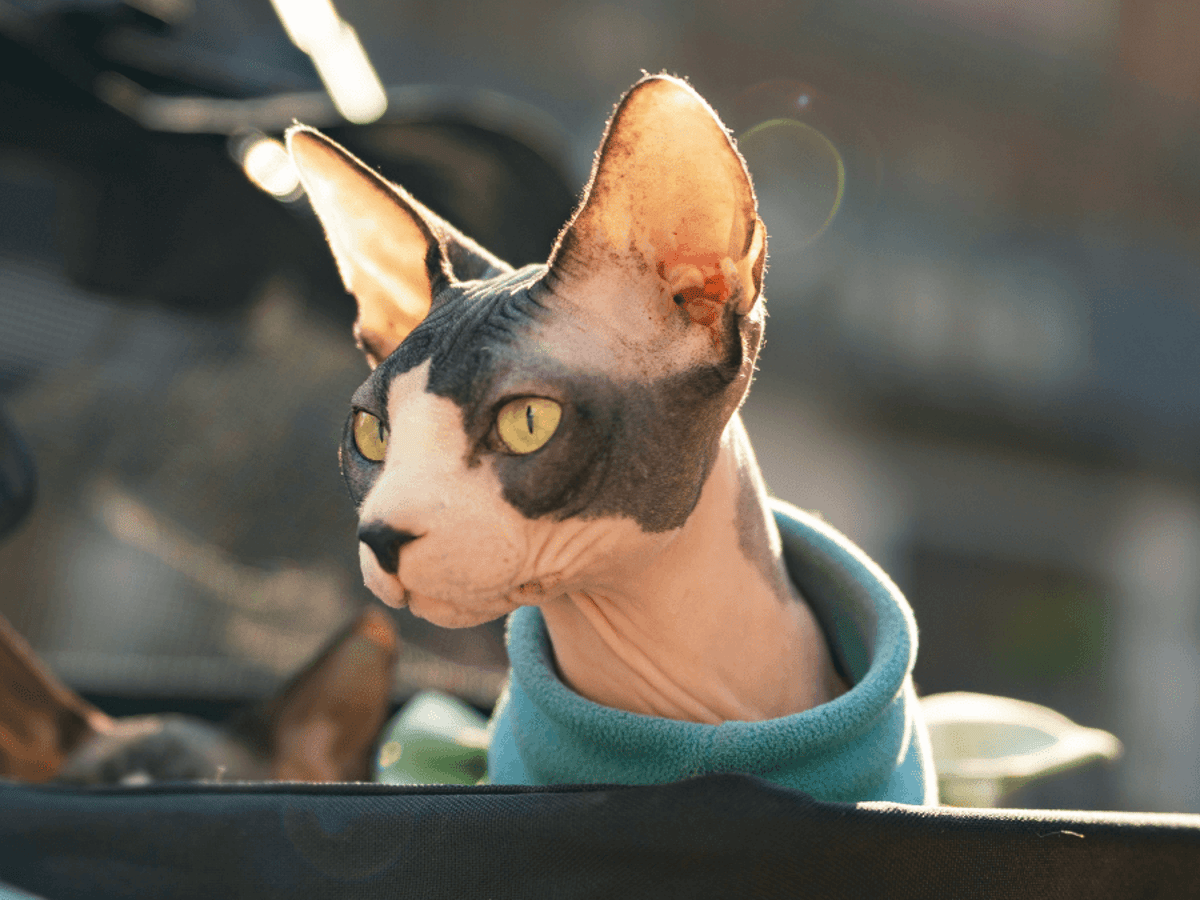
Recognizing the signs of illness in your Sphynx cat early can make a significant difference in their health outcomes. These cats may hide discomfort well, so paying close attention to subtle cues is essential. Understanding what to look for helps you act quickly and keeps your feline friend safe and comfortable.
Behavioral Changes
One of the first signs that something is wrong often comes from changes in behavior. Your usually playful Sphynx might become withdrawn or unusually aggressive. If your cat starts hiding more or shows a lack of interest in favorite activities, it could mean they’re not feeling well.
Watch for changes in eating and drinking habits too. A sudden loss of appetite or increased thirst might signal an underlying problem. Even shifts in litter box habits, like going outside the box or straining, deserve attention.
Physical Symptoms
Physical signs can be easier to spot if you know what to look for. Check your cat’s skin regularly since Sphynx cats are hairless and more prone to skin issues. Redness, sores, or unusual dryness can indicate health problems.
Other symptoms include coughing, sneezing, or difficulty breathing. Notice if your cat’s eyes or nose are watery or if there’s any discharge. These might point to infections or allergies that need treatment.
When To Seek Help
If you notice any sudden or severe symptoms, don’t wait to contact your vet. Persistent vomiting, diarrhea, or signs of pain like limping or vocalizing loudly are urgent red flags. Even mild symptoms that last more than a day should prompt a professional checkup.
Trust your instincts. If something feels off with your Sphynx, it’s better to be cautious. Early veterinary intervention can prevent minor issues from becoming serious health threats.
Credit: wamiz.co.uk
Frequently Asked Questions
What Are Common Health Issues In Sphynx Cats?
Sphynx cats often face skin problems like rashes and fungal infections. They can also develop heart diseases such as hypertrophic cardiomyopathy. Regular vet checkups help detect and manage these conditions early.
How To Prevent Skin Problems In Sphynx Cats?
Regular bathing removes oil buildup and prevents skin infections. Use gentle, hypoallergenic shampoos. Keep their environment clean and moisturize their skin if needed. Avoid direct sun exposure to protect their sensitive skin.
Are Sphynx Cats Prone To Heart Disease?
Yes, hypertrophic cardiomyopathy is common in Sphynx cats. Regular cardiac screenings by a vet help detect it early. Early diagnosis improves treatment outcomes and enhances their quality of life.
How To Care For A Sphynx Cat’s Skin Daily?
Wipe their skin with a damp cloth to remove oils. Bathe them every one to two weeks. Keep their skin moisturized and check for irritation or redness regularly to maintain skin health.
Conclusion
Sphynx cats need regular care to stay healthy and happy. Watch for signs of skin problems and heart issues. Keep their environment clean and provide a balanced diet. Regular vet visits help catch problems early. Understanding common health concerns helps you care better.
These cats offer love but need special attention. Taking simple steps can improve their quality of life. Healthy Sphynx cats make great, loyal companions.
