

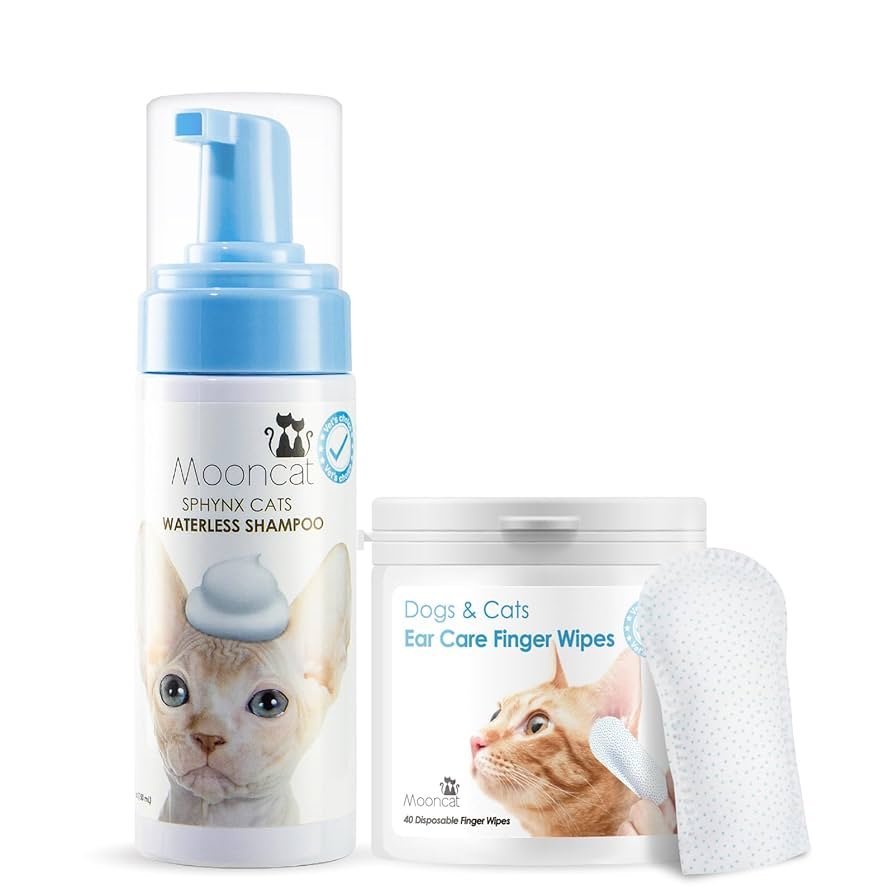
If you have a Sphynx cat, you already know how unique and charming they are. But did you know that grooming your Sphynx is very different from caring for other cats?
Without fur to absorb oils and dirt, their skin needs special attention to stay clean and healthy. You might wonder how often to bathe them, what products to use, or how to keep their skin soft and irritation-free. This guide will answer all your questions and help you become the best groomer for your hairless friend.
Ready to learn the secrets of perfect Sphynx cat grooming? Keep reading!

Credit: www.reddit.com
Sphynx Cat Skin Care
Sphynx cats are unique in their lack of fur, which puts a special focus on their skin care. Without fur to absorb oils and protect them, their skin can get oily and dirty quickly. Taking care of your Sphynx’s skin is essential to keep it healthy and comfortable.
Bathing Frequency And Techniques
How often you bathe your Sphynx depends on their lifestyle and skin condition. Most owners find that bathing once every 1 to 2 weeks works well to prevent oil buildup. If your cat spends a lot of time indoors and stays clean, you might extend this to every 3 weeks.
Use warm water and gentle motions when bathing. Avoid scrubbing too hard, as Sphynx skin is delicate and sensitive. Rinse thoroughly to remove all shampoo residue, which can irritate the skin if left behind.
Choosing The Right Shampoo
Picking a shampoo made for sensitive or hairless cats is important. Look for products that are free from harsh chemicals, fragrances, and dyes. These ingredients can dry out or irritate your cat’s skin.
Some shampoos contain moisturizing ingredients like aloe vera or oatmeal, which help soothe and nourish the skin. If your Sphynx has any skin issues, ask your vet for shampoo recommendations tailored to those problems.
Managing Skin Oils And Dirt
Because they lack fur, Sphynx cats tend to accumulate oils and dirt on their skin faster than other cats. Regular wiping between baths with a damp cloth can help manage this buildup. Use gentle, unscented wipes or just warm water.
Pay special attention to folds and creases where dirt can hide and cause irritation. Keeping these areas clean prevents infections and keeps your cat feeling fresh.
Have you noticed your Sphynx’s skin feeling greasy or smelling strong? That’s a sign it’s time for a bath or wipe down. Your cat’s comfort depends on your attention to these small but crucial details.
Ear Cleaning Essentials
Keeping your Sphynx cat’s ears clean is a key part of their grooming routine. Unlike fur-covered cats, their exposed skin can accumulate more oils and dirt, making ear care essential. Understanding how to clean their ears safely can prevent discomfort and health problems.
Why Regular Cleaning Matters
Regular ear cleaning helps prevent wax buildup, which can trap dirt and bacteria. This buildup can lead to infections that cause itching and pain for your cat. Have you noticed your Sphynx scratching their ears more than usual? It could be a sign that cleaning is overdue.
Consistent care also helps you catch problems early before they worsen. Plus, it keeps your cat comfortable and happy, which is the goal of any grooming task.
Safe Cleaning Methods
Using the right tools and techniques is crucial when cleaning your Sphynx’s ears. Avoid cotton swabs as they can push debris deeper or injure the ear canal. Instead, use a soft cotton ball or gauze moistened with a vet-approved ear cleaner.
Gently wipe the visible parts of the ear, focusing on areas with wax or dirt. Never pour cleaner directly into the ear canal without guidance from your vet. Always be calm and patient—your cat will feel more relaxed and cooperate better.
Signs Of Ear Problems
Knowing when your Sphynx’s ears need more than just cleaning can save them from serious issues. Watch for redness, swelling, or a foul smell coming from the ears. These symptoms often indicate infections or mites.
Frequent head shaking or scratching can also signal discomfort. If you notice any of these signs, consult your vet promptly to avoid complications and ensure your cat’s well-being.
Nail Maintenance Tips
Nail maintenance is essential for Sphynx cats. Their nails grow fast and can cause discomfort. Regular care keeps them healthy and prevents scratches. Learn how to trim nails safely and avoid common errors.
Trimming Frequency
Trim your Sphynx cat’s nails every 1 to 2 weeks. Check nails often to avoid overgrowth. Short nails reduce the risk of injury and damage to furniture. Consistent trimming helps your cat stay comfortable and clean.
Proper Tools To Use
Use small, sharp nail clippers made for cats. Avoid human nail scissors or dull clippers. A nail file can smooth rough edges after trimming. Keep styptic powder nearby to stop bleeding from accidental cuts.
Avoiding Common Mistakes
- Do not cut the quick (the pink part). It causes pain and bleeding.
- Trim nails in a well-lit area for better visibility.
- Hold your cat gently but firmly to prevent sudden moves.
- Stop if your cat becomes stressed; try again later.
- Do not cut nails too short; leave a small white tip.
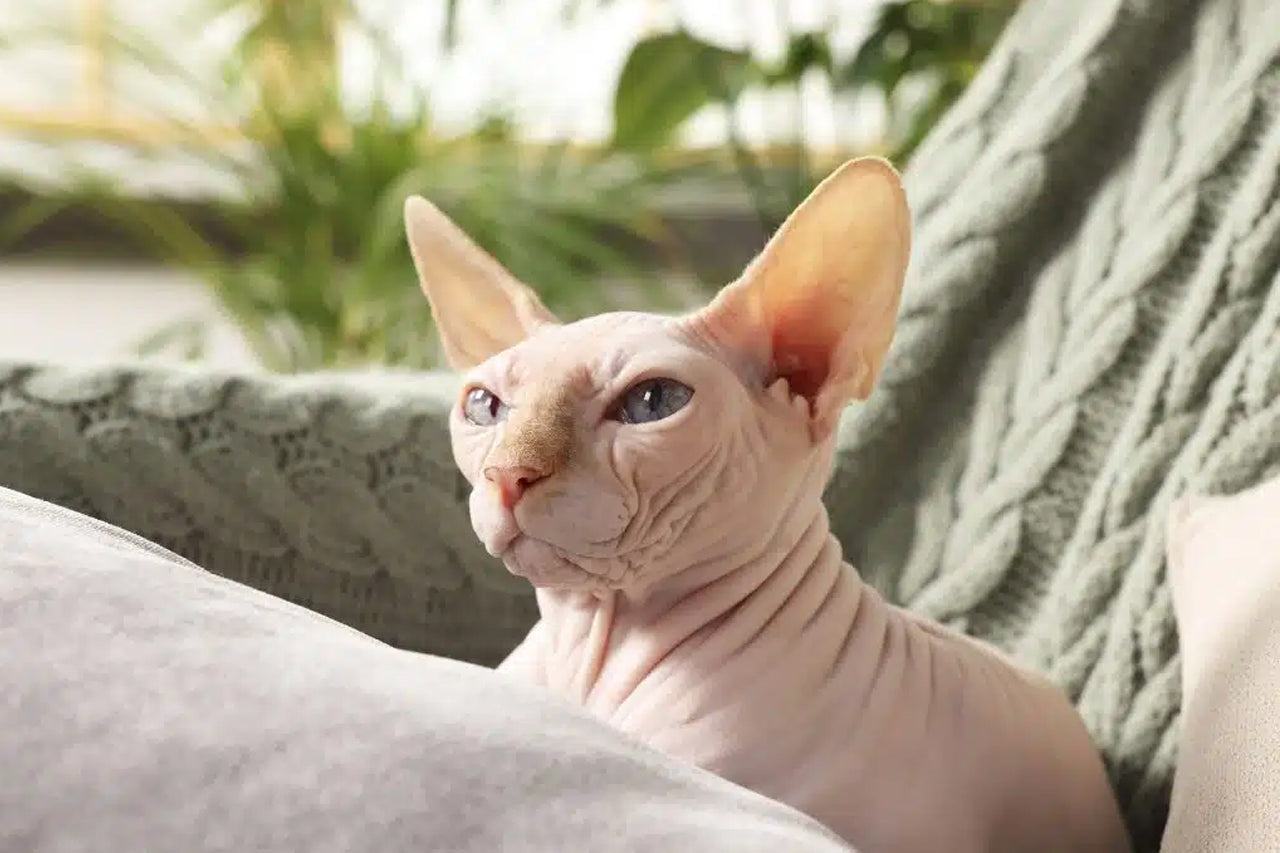
Credit: wildearth.com
Eye Care For Sphynx Cats
Sphynx cats need special care for their eyes. Their lack of fur means more dust and dirt can get near their eyes. This can cause discomfort and infections. Regular eye care keeps their eyes clean and healthy. It also helps spot problems early. Simple routines can protect their sensitive eyes and keep your cat comfortable.
Cleaning Techniques
Use a soft, damp cloth to wipe around your cat’s eyes. Do this gently to avoid hurting them. Use warm water or a saline solution. Avoid harsh chemicals or soaps. Clean the corners of the eyes where dirt gathers. Wipe away any crust or discharge daily. Use a fresh cloth each time to prevent germs.
Identifying Irritations
Look for redness, swelling, or discharge in the eyes. Watery eyes or constant blinking also signal irritation. Your cat may rub its eyes with paws. Check for any cloudiness or changes in eye color. Notice if your cat keeps its eyes closed more than usual. Early signs can mean allergies or infections.
Preventing Infections
Keep your cat’s environment clean and dust-free. Wash bedding and toys regularly. Avoid exposure to smoke or strong chemicals. Keep your cat’s paws clean to prevent dirt near the eyes. Regular vet check-ups catch infections early. Use vet-approved eye drops if needed. Prevention is easier than treating infections later.
Diet And Hydration Impact
What your Sphynx cat eats and drinks directly affects their skin health and overall grooming needs. Unlike furry cats, their skin is exposed and sensitive, so diet and hydration play key roles in keeping them comfortable and clean. You might be surprised how simple changes in food and water intake can reduce skin issues and make grooming easier.
Nutrition For Healthy Skin
High-quality protein is crucial for your Sphynx’s skin repair and growth. Look for foods rich in omega-3 and omega-6 fatty acids, which help keep skin soft and reduce inflammation.
Adding foods with vitamins A, E, and zinc can also support skin health. If you’ve noticed your cat’s skin getting dry or flaky, consider trying a diet with these nutrients and watch for improvements in a few weeks.
Hydration Importance
Sphynx cats need plenty of water to keep their skin hydrated from the inside out. Dehydration can lead to dry, itchy skin that becomes harder to groom.
Encourage your cat to drink more by providing fresh water in multiple spots or offering wet food. Have you observed your cat’s water habits? Sometimes, a simple bowl change can make a big difference.
Supplements To Consider
If diet alone isn’t enough, certain supplements might help your Sphynx maintain healthy skin. Fish oil capsules or liquid omega-3 supplements often reduce dryness and improve coat shine.
Before adding supplements, check with your vet to find the right type and dosage. You want to avoid overdoing it, but the right supplement can be a game-changer for your cat’s grooming routine.
Temperature And Environment
The Sphynx cat’s lack of fur makes temperature and environment very important. These cats need special care to stay comfortable and healthy. Their skin is exposed to air, so they feel cold quickly. They also need protection from sun damage. Creating the right space helps them live happily and safely.
Keeping Your Cat Warm
Sphynx cats lose body heat faster than other cats. Keep them warm with soft blankets or heated beds. Dress them in light sweaters during cool days. Avoid cold floors and drafts. Monitor room temperature; it should be cozy but not hot.
Protecting From Sun Exposure
Without fur, their skin can burn easily in the sun. Limit their time in direct sunlight. Use pet-safe sunscreen if they go outside. Provide shaded areas near windows or outside spots. Watch for redness or irritation on their skin.
Creating A Comfortable Space
Set up a calm, warm area for your Sphynx to rest. Use soft bedding and cozy cushions. Keep the room quiet and free from drafts. Add warm spots near sunny windows or heating sources. Change bedding often to keep the space clean.
Regular Vet Checkups
Regular vet checkups are essential for Sphynx cats. Their unique skin and health needs require close attention. These visits help catch problems early and keep your cat healthy and happy. Vet visits also support proper care and grooming routines tailored to the breed.
Skin Health Monitoring
Sphynx cats have sensitive skin that needs frequent checks. Vets inspect for dryness, rashes, and infections. Regular exams catch skin issues before they worsen. The vet can recommend special shampoos or treatments. Skin health is crucial since Sphynx cats lack fur protection.
Vaccinations And Preventatives
Vaccines protect Sphynx cats from common illnesses. Vets provide a vaccination schedule specific to the breed. Flea and parasite preventatives keep your cat comfortable. These preventatives also stop diseases spread by parasites. Staying current with vaccines and preventatives is vital for your cat’s wellbeing.
When To Seek Professional Help
Look for signs that need a vet visit. These include unusual skin changes, scratching, or bald patches. Changes in appetite, behavior, or energy also signal health problems. Early vet visits prevent serious issues. Trust your vet’s advice on treatment and care.

Credit: www.reddit.com
Frequently Asked Questions
How Often Should You Groom A Sphynx Cat?
Sphynx cats need grooming weekly to remove oil buildup and dirt. Their skin produces oils without fur to absorb it. Regular grooming prevents skin issues and keeps them healthy. Bathing every 1-2 weeks is ideal to maintain cleanliness and comfort.
What Tools Are Best For Sphynx Cat Grooming?
Use a soft cloth or gentle sponge for cleaning. Mild, hypoallergenic cat shampoo works best for bathing. Avoid brushes since they have little fur. Cotton balls help clean ears carefully. Always use gentle, non-abrasive tools to protect their sensitive skin.
Why Do Sphynx Cats Need Regular Bathing?
Sphynx cats lack fur to absorb natural oils. These oils accumulate on their skin, causing greasiness and odor. Regular baths remove excess oils and dirt. Bathing also prevents skin infections and keeps the cat comfortable and healthy.
How To Care For A Sphynx Cat’s Skin?
Keep their skin clean and moisturized after baths. Use vet-approved moisturizers if dryness occurs. Protect them from sun exposure to avoid sunburn. Regularly check for rashes or irritation. Proper skin care helps prevent infections and maintains their unique coat-free look.
Conclusion
Caring for a Sphynx cat needs gentle, regular attention. Their skin requires cleaning to stay healthy and soft. Bathing once a week helps remove oils and dirt. Don’t forget to clean their ears and trim nails often. These steps keep your cat happy and comfortable.
A little effort ensures your Sphynx shines with good health. Enjoy the special bond with your unique, hairless friend. Simple grooming routines make all the difference every day.
