

As your cat grows older, you want to make sure they stay healthy and happy. Choosing the right food is one of the best ways to support your senior cat’s well-being.
Soft cat food for senior cats is not just easier for them to eat—it can also provide the gentle nutrition their aging bodies need. If you’ve noticed your cat slowing down, having trouble chewing, or simply wanting a tastier meal, this guide is for you.
Keep reading to discover how soft cat food can make a real difference in your furry friend’s life.
Credit: www.purina.com
Benefits Of Soft Food For Senior Cats
Choosing the right food for your senior cat can make a big difference in their comfort and health. Soft cat food offers several benefits that cater specifically to the needs of aging cats. It supports their changing bodies and helps maintain their quality of life in ways dry food often can’t.
Easier To Chew And Digest
As cats age, their teeth can become weaker or fall out, making hard kibble painful or impossible to eat. Soft food is gentle on their gums and teeth, allowing them to enjoy their meals without discomfort.
Besides being easier to chew, soft food often contains ingredients that break down more quickly in the stomach. This can help your cat absorb nutrients better and reduce digestive upset.
Hydration Support
Senior cats tend to drink less water, which increases their risk of dehydration and kidney problems. Soft food has a higher moisture content than dry food, providing extra hydration with every bite.
If your cat isn’t a big drinker, this added moisture can be a lifesaver. It supports kidney function and overall health by keeping your cat better hydrated throughout the day.
Enhanced Palatability
Older cats often lose some sense of taste and smell, which can make them picky eaters. Soft food usually has a richer aroma and flavor, making it more appealing to their sensitive noses.
Feeding your cat something they genuinely enjoy can improve their appetite and help maintain a healthy weight. Have you noticed your cat turning away from their usual food? Switching to soft food might just bring back their enthusiasm for mealtime.

Credit: nulo.com
Key Nutrients For Senior Cats
Senior cats need special nutrition to stay healthy and active. Their bodies change with age, so their diet must have key nutrients. These nutrients support muscles, joints, skin, and overall vitality. Soft cat food is easier to chew and can be packed with these important ingredients.
Protein For Muscle Maintenance
Protein helps keep muscles strong in older cats. It supports body repair and energy levels. Senior cats need high-quality protein sources that are easy to digest. This helps prevent muscle loss and keeps them active.
Essential Fatty Acids
Fatty acids like omega-3 and omega-6 improve skin and coat health. They reduce inflammation and support brain function. These fats also help with heart health and joint comfort in senior cats.
Vitamins And Minerals
Vitamins A, E, and B complex boost immune function and vision. Minerals like zinc and selenium protect cells and improve skin health. Balanced vitamins and minerals keep senior cats feeling their best.
Joint And Bone Support
Glucosamine and chondroitin help maintain strong joints and cartilage. Calcium and phosphorus support healthy bones and teeth. These nutrients reduce stiffness and help senior cats move easily.
Top Ingredients To Look For
Choosing the right soft cat food for your senior feline means paying close attention to what’s inside the can. Ingredients matter a lot because they directly impact your cat’s health, energy, and comfort. Knowing which nutrients to prioritize helps you pick food that supports aging bodies and keeps your cat happy.
High-quality Proteins
Your senior cat still needs plenty of protein to maintain muscle strength and overall vitality. Look for meats like chicken, turkey, or fish listed as the first ingredient. Avoid foods with vague terms like “meat by-products” because they may offer less nutritional value.
Have you noticed your cat’s energy dropping? A diet rich in easily digestible protein can make a big difference. Protein helps repair tissues and supports immune health, which becomes crucial as cats grow older.
Natural Antioxidants
Antioxidants protect your cat’s cells from damage caused by aging and environmental stress. Ingredients such as blueberries, spinach, or vitamin E are excellent sources. These help boost your cat’s immune system and may slow down age-related decline.
Consider how your cat responds to stress or illness. Foods with natural antioxidants can improve recovery times and overall resilience, giving your cat a better quality of life.
Fiber For Digestion
Senior cats often face digestive issues, so fiber is key. Ingredients like pumpkin, beet pulp, or chicory root help regulate bowel movements and support gut health. Fiber also aids in weight management by promoting a feeling of fullness.
Have you seen changes in your cat’s litter box habits? Adding fiber-rich food can ease constipation and keep digestion smooth, which is a relief for both you and your cat.
Limited Fillers And Additives
Fillers like corn, wheat, and soy offer little nutritional benefit and can cause allergies or sensitivities. Choose foods with minimal fillers and avoid artificial colors, flavors, or preservatives. A clean ingredient list means your cat gets pure nutrition without unnecessary extras.
Ask yourself: does the ingredient list read like a recipe or a chemistry experiment? The simpler and more natural, the better for your senior cat’s health and happiness.
Popular Soft Cat Food Brands For Seniors
Choosing the right soft cat food brand for your senior cat can make a big difference in their health and happiness. Some brands stand out because they offer recipes specially designed for older cats, focusing on gentle digestion and vital nutrients. Let’s look at some popular options that many cat owners trust and why they work well for seniors.
Wet Food Options
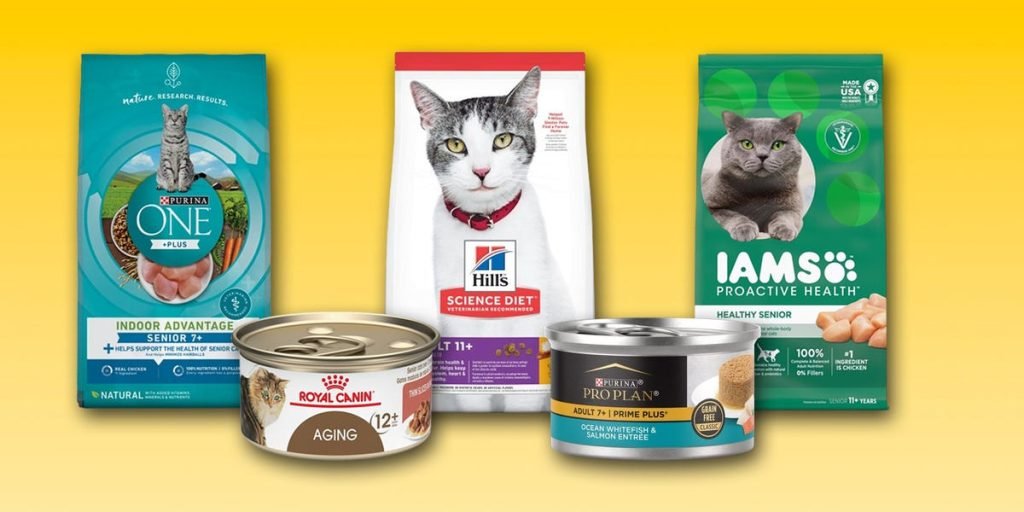
Wet food is a favorite for senior cats because it’s easier to chew and helps keep them hydrated. Brands like Hill’s Science Dietand Royal Canin Aging 12+offer wet foods that support kidney health and joint function. These options often contain high moisture content and balanced protein, which suit older cats’ changing dietary needs.
Have you noticed your cat drinking less water as they age? Wet food can help offset this common issue.
Pâté Vs. Shredded Varieties
Pâté-style soft food has a smooth, uniform texture that many seniors find easy to eat, especially if they have dental issues. On the other hand, shredded varieties provide a different mouthfeel and might be more appealing if your cat prefers a bit of texture.
Brands like Wellness COREoffer both styles, so you can test which your cat prefers. It’s worth trying both to see what encourages your senior cat to eat more enthusiastically.
Grain-free Choices
Many senior cats benefit from grain-free diets to avoid digestive upset and allergies. Brands such as Blue Buffalo Freedomand Merrick Grain-Freecreate recipes without corn, wheat, or soy, focusing on natural proteins and wholesome ingredients.
If your cat has sensitive stomach issues, would a grain-free diet improve their comfort? It’s a question worth exploring with your vet.
Feeding Tips For Senior Cats
Feeding senior cats requires careful attention to their changing needs. Their metabolism slows down, and their digestion may become sensitive. Soft cat food is easier to chew and digest, making it ideal for older cats. Proper feeding habits help maintain their health and vitality.
Portion Control
Senior cats need fewer calories but still require balanced nutrition. Overfeeding can lead to obesity, which strains joints and organs. Use a kitchen scale or measuring cup to serve the right amount. Follow the feeding guidelines on the cat food label as a starting point. Adjust portions based on your cat’s weight and activity level.
Meal Frequency
Smaller, more frequent meals benefit senior cats. This approach aids digestion and keeps energy levels steady. Divide the daily portion into two or three meals. Feeding at regular times helps regulate their metabolism. Monitor your cat’s appetite and mood to adjust meal timing.
Transitioning Foods
Changing a senior cat’s diet should be slow and gentle. Sudden switches can cause stomach upset or refusal to eat. Mix the new soft food with the old food gradually over 7 to 10 days. Increase the new food amount each day while decreasing the old. Watch for any signs of digestive distress during this period.
Homemade Soft Food Recipes
Homemade soft food recipes offer a gentle and nutritious option for senior cats. These meals are easy to chew and digest, perfect for older cats with dental issues or sensitive stomachs. Preparing food at home also lets you control ingredients and avoid fillers or preservatives.
Crafting soft meals tailored to your cat’s needs can improve their appetite and overall health. Simple recipes focus on fresh, wholesome components that keep your cat strong and happy.
Simple Protein-based Meals
Protein is vital for senior cats’ muscle maintenance and energy. Use cooked chicken, turkey, or fish as the main ingredient. Boil or bake the meat until tender, then shred or chop it finely.
Mix the protein with a little warm water or low-sodium broth to achieve a soft texture. Avoid seasoning or spices that could upset your cat’s stomach.
Incorporating Vegetables
Vegetables add fiber and nutrients to your cat’s diet. Suitable choices include pumpkin, carrots, and green beans. Steam or boil vegetables until soft, then mash or puree them.
Add a small amount to the protein base. Keep vegetable portions low to prevent digestive issues. Cats mainly need protein but a little vegetable fiber helps with digestion.
Safe Ingredient Guidelines
- Never use onions, garlic, or chives; they are toxic to cats.
- Avoid salt, sugar, and artificial additives.
- Use only cooked meat and vegetables to reduce bacteria risk.
- Consult your vet before introducing new foods, especially if your cat has health problems.
- Keep meals fresh and store leftovers properly in the refrigerator.
Common Health Issues Addressed By Diet
Diet plays a vital role in managing the health of senior cats. Soft cat food can help ease common health problems. Choosing the right food supports a longer, healthier life. Senior cats often face kidney issues, weight changes, and dental problems. A carefully selected diet can address these concerns effectively.
Kidney Health
Kidney function often declines with age in cats. Soft cat food formulated for seniors usually has lower phosphorus. It also contains controlled protein levels to reduce kidney strain. Proper hydration is essential for kidney health. Wet, soft food provides extra moisture to support kidneys.
Weight Management
Older cats may become less active and gain weight. Obesity can cause joint and heart problems. Soft cat food designed for seniors often has fewer calories. It helps maintain a healthy weight without sacrificing nutrition. Balanced meals support muscle mass and energy levels.
Dental Care
Dental problems are common in senior cats. Chewing hard food can be painful for cats with dental issues. Soft cat food is easier to eat and gentler on teeth. It reduces the risk of tooth damage and mouth pain. Some soft foods also contain ingredients to help reduce plaque buildup.
Credit: www.purina.com
Frequently Asked Questions
What Is The Best Soft Cat Food For Senior Cats?
The best soft cat food for senior cats is nutrient-rich, easy to chew, and supports joint health. Look for options with high protein, moderate fat, and added vitamins for aging cats.
How Does Soft Cat Food Benefit Senior Cats?
Soft cat food is gentle on older cats’ teeth and gums. It improves digestion and hydration, making it easier for seniors to eat and absorb nutrients effectively.
Can Soft Cat Food Help With Senior Cat Weight Management?
Yes, soft cat food formulated for seniors often has controlled calories and balanced nutrients. This helps maintain a healthy weight and prevents obesity-related health issues in older cats.
How Often Should Senior Cats Eat Soft Cat Food?
Senior cats should eat soft cat food two to three times daily. Frequent, small meals support digestion and maintain consistent energy levels throughout the day.
Conclusion
Soft cat food suits senior cats well. It helps with chewing and digestion. Choosing the right food keeps your cat healthy and happy. Pay attention to ingredients and nutrients. Soft food offers comfort and nutrition as cats age. Regular meals support their energy and well-being.
Always watch your cat’s response to new food. Small changes can make a big difference. Caring for senior cats takes patience and love. Their diet matters a lot for a good life.
